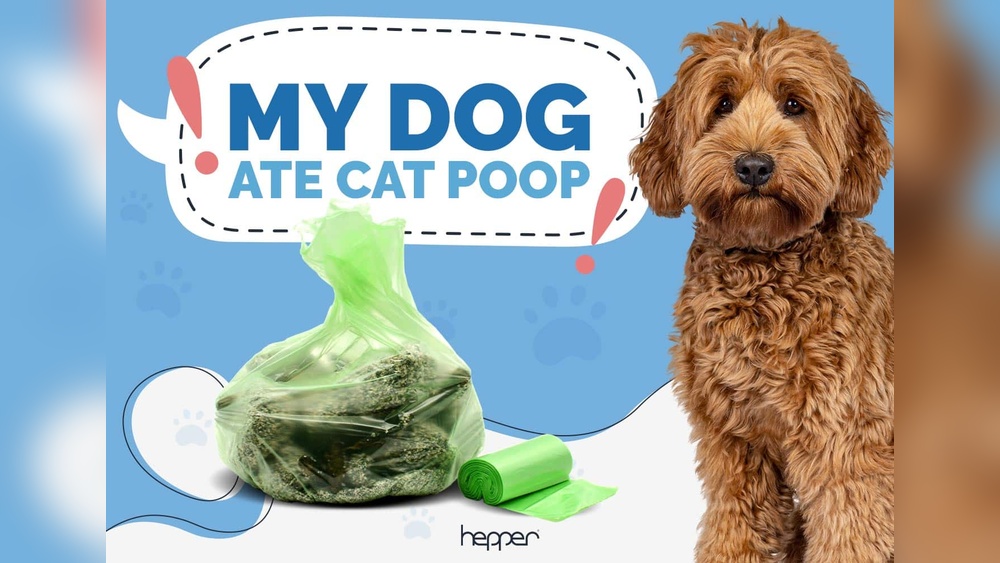
Have you noticed your dog eating your cat’s poop? It might seem gross, but it’s a common problem many pet owners face.
You’re probably wondering if this behavior is harmful and what signs to watch for. More importantly, you want to know how to stop it without harsh chemicals or expensive treatments. You’ll discover the key symptoms to look out for and simple home remedies that can help protect your furry friend.
Keep reading to learn how to keep your pets safe and your home clean.

Credit: kdfoundation.org
Common Symptoms After Eating Cat Poop
Dogs eating cat poop is a common but concerning habit. Cat feces ingestion effects can cause several health problems in dogs. Recognizing the dog digestive symptoms and other signs helps pet owners act quickly. Early detection of dog stool eating consequences prevents serious issues. This section explains the common symptoms after eating cat poop to watch for in your dog.
Digestive Issues
Dog gastrointestinal problems are the most common signs after cat feces ingestion. Eating cat poop can introduce harmful bacteria and parasites into the dog’s digestive system. This often leads to upset stomach and irregular bowel movements.
- Vomiting: Frequent or sudden vomiting is a clear sign of digestive upset.
- Diarrhea: Loose stools or diarrhea often appear within a few hours of ingestion.
- Constipation: Some dogs may struggle to pass stool, showing signs of discomfort.
- Abdominal pain: Dogs may whine or avoid touch around their belly.
- Loss of appetite: Refusing food can indicate digestive distress.
Below is a quick comparison of dog digestive symptoms and their possible causes after eating cat feces:
| Symptom | Possible Cause | Recommended Action |
|---|---|---|
| Vomiting | Bacterial infection, toxins | Hydration, vet visit if persistent |
| Diarrhea | Parasites, digestive upset | Monitor, provide bland diet |
| Constipation | Blockage, dehydration | Encourage water intake, vet check |
Behavioral Changes
Canine behavioral changes often occur after eating cat poop. These changes may signal discomfort or illness linked to dog stool eating consequences. Watch your dog closely for unusual behavior.
- Lethargy: Less energy and more resting than usual.
- Irritability: Snapping or growling without clear cause.
- Restlessness: Pacing or inability to settle down.
- Excessive licking: Licking lips or nose frequently.
- Whining or barking: Expressing discomfort vocally.
Such pet health issues might indicate internal pain or infection. Behavioral monitoring helps identify when to try natural treatments for dogs or seek veterinary care. Sometimes, dogs show no clear digestive symptoms but display clear behavioral signals.
Signs Of Infection
Signs of infection in dogs after eating cat poop are serious and require attention. Cat feces may carry harmful bacteria like Toxoplasma gondii and parasites such as roundworms. These cause infections that can worsen quickly.
Look for these warning signs:
- Fever: Elevated body temperature shows the immune system is fighting infection.
- Swollen lymph nodes: Check for lumps under the jaw or neck.
- Discharge: Pus or mucus from eyes, nose, or anus.
- Weakness: Difficulty walking or standing.
- Dehydration: Dry gums and sunken eyes.
These signs of infection in dogs need prompt veterinary care. While some home remedies for dog digestion help mild symptoms, infections require professional treatment. Early response prevents serious health risks and improves recovery chances.
Credit: brookeandbelle.com
Health Risks Linked To Cat Feces
Dogs eating cat poop is a common but risky behavior. Cat feces contain harmful elements that can cause serious pet health risks. Understanding the health risks linked to cat feces helps protect your dog’s well-being. This knowledge supports effective pet illness prevention and guides home treatment for dogs showing symptoms after this behavior. Knowing the dangers can reduce dog digestive issues and more serious conditions.
Parasites And Worms
Cat feces often carry parasites and worms that pose threats to dogs. Canine parasitic infection occurs when dogs ingest these harmful organisms. The most common parasites found in cat feces include:
- Roundworms – These worms can cause vomiting, diarrhea, and weight loss in dogs.
- Hookworms – They attach to the dog’s intestines, leading to anemia and weakness.
- Tapeworms – Dogs may pass segments in their stool and experience irritation around the anus.
Symptoms of parasitic worms can be subtle at first but worsen over time. Watch for:
- Diarrhea or soft stools
- Excessive licking of the rear area
- Visible worms in feces
- Loss of appetite or weight
| Parasite | Common Symptoms | Risk Level |
|---|---|---|
| Roundworms | Vomiting, diarrhea, weight loss | High |
| Hookworms | Anemia, weakness | High |
| Tapeworms | Anal irritation, worm segments in stool | Moderate |
Natural remedies for pets can help but veterinary care is essential for canine parasitic infection. Early treatment prevents further damage and supports pet illness prevention.
Bacterial Infections
Cat feces contain harmful bacteria causing bacterial contamination in dogs. Common bacteria include Salmonella and E. coli. These bacteria can lead to severe digestive problems and infections.
Signs of bacterial infection include:
- Diarrhea, often with blood or mucus
- Fever and lethargy
- Vomiting
- Loss of appetite
Bacterial contamination in dogs can quickly worsen without treatment. It impacts the immune system and can cause dehydration. Home treatment for dogs may include:
- Providing plenty of clean water
- Offering bland foods like boiled chicken and rice
- Using natural remedies for pets like probiotics
- Consulting a vet for antibiotics if symptoms persist
Preventing exposure to cat feces is a key step in pet illness prevention. Clean litter boxes regularly and keep dogs away from cat waste areas.
Toxoplasmosis Concerns
Toxoplasmosis in dogs is a serious pet health risk linked to cat feces dangers. This disease comes from the parasite Toxoplasma gondii, which cats can shed in their feces. Dogs can become infected by eating contaminated poop.
Symptoms of toxoplasmosis include:
- Fever and fatigue
- Diarrhea and vomiting
- Respiratory issues
- Muscle pain or weakness
Toxoplasmosis can affect dogs’ nervous system and cause severe illness. Immunocompromised dogs are at higher risk. Diagnosis requires veterinary testing.
Home treatment for dogs with toxoplasmosis involves:
- Strict hygiene to avoid reinfection
- Medications prescribed by a vet
- Supportive care with fluids and nutrition
Preventing this infection is crucial. Avoid letting dogs eat cat feces and maintain clean pet areas. Understanding toxoplasmosis concerns aids in pet illness prevention and promotes healthy pets.
Home Remedies For Mild Symptoms
Dogs eating cat poop can cause several health issues, known as Cat Feces Ingestion Effects. These may include mild stomach upset, diarrhea, or vomiting, commonly called Dog Coprophagia Symptoms. Recognizing these Symptoms Of Gastrointestinal Distress In Dogs early helps in managing the problem effectively. Home Remedies For Dog Eating Poop are useful for mild symptoms. Simple care at home can ease discomfort and support recovery without immediate vet visits. This section covers three main home remedies: hydration and diet adjustments, natural digestive aids, and herbal treatments.
Hydration And Diet Adjustments
Maintaining proper Hydration For Dogs After Eating Feces is crucial. Water helps flush out toxins and supports digestion. Encourage your dog to drink fresh water often. If your dog resists drinking, try offering ice cubes or diluted low-sodium broth.
Diet changes can reduce irritation and help heal the gut. Diet Adjustments For Dogs Eating Cat Poop focus on gentle, easy-to-digest foods. Avoid rich or fatty meals during recovery.
- Feed boiled chicken or turkey without skin
- Provide plain cooked rice or pumpkin to soothe the stomach
- Offer small, frequent meals instead of one large meal
- Avoid treats and table scraps during this period
| Food | Benefit |
|---|---|
| Boiled chicken | High protein, easy on the stomach |
| Cooked rice | Provides energy and soothes digestion |
| Pumpkin puree | Helps regulate bowel movements |
These simple steps support hydration and reduce discomfort. Monitor your dog closely for worsening Dog Digestive Upset Signs.
Natural Digestive Aids
Natural aids can help restore balance in your dog’s digestive system. These Natural Digestive Aids For Dogs improve gut health and relieve mild symptoms caused by eating cat feces.
Probiotics are one of the best options. They introduce good bacteria to the gut, improving digestion and immunity. You can find probiotics designed for dogs in pet stores or consult a vet for recommendations.
- Yogurt with live cultures (plain and unsweetened)
- Probiotic supplements made for dogs
- Digestive enzymes to help break down food
Prebiotics, found in foods like bananas or sweet potatoes, feed the healthy bacteria in the gut. Together, these aids promote healing and reduce Dog Digestive Upset Signs.
Some dogs also benefit from adding fiber to their diet. Fiber supports regular bowel movements and can reduce diarrhea caused by Cat Feces Ingestion Effects. Sources include pumpkin and canned green beans.
Use these aids carefully and observe your dog’s reaction. Stop if symptoms worsen or new signs appear.
Herbal Treatments
Herbal remedies offer gentle support for dogs suffering from mild digestive issues. Herbal Remedies For Dog Digestion include natural plants known for calming the stomach and improving gut function.
Chamomile is a popular herb for digestive relief. It reduces inflammation and soothes the stomach lining. You can prepare chamomile tea and add a small amount to your dog’s water or food.
Ginger helps reduce nausea and improves digestion. Fresh ginger can be grated and mixed into meals in small amounts.
- Chamomile tea (cooled)
- Fresh ginger (small amounts)
- Fennel seeds, which reduce gas and bloating
These Natural Treatments For Coprophagia ease symptoms and promote comfort. Avoid any herbs your dog may be allergic to or that interact with medications. Consult a vet before starting herbal treatments.
Herbal care complements hydration and diet changes. It helps manage Dog Digestive Upset Signs naturally and gently.
When To Seek Veterinary Care
Noticing your dog eating cat poop can cause worry, especially about their health. Understanding when to seek veterinary care is key. Some Dog Coprophagia Symptoms may seem minor but can signal serious health issues. Recognizing these signs early helps protect your pet from severe problems. This section guides you on spotting critical symptoms and preparing for a vet visit. Knowing the Health Risks Of Dogs Eating Cat Feces ensures you act fast to keep your dog safe.
Warning Signs Of Serious Illness
Eating cat feces can expose dogs to bacteria, parasites, and toxins. Watch closely for Dog Digestive Issues Cat Poop such as vomiting, diarrhea, or loss of appetite. These may indicate infection or gastrointestinal upset. Some dogs develop fever or lethargy, which are Signs Of Infection In Dogs From Cat Feces.
Below are key Dog Gastrointestinal Problems Cat Poop symptoms that require veterinary attention:
- Persistent vomiting or diarrhea lasting more than 24 hours
- Bloody stools or mucus in feces
- Signs of dehydration like dry gums or excessive panting
- Unusual behavior such as weakness or confusion
- Abdominal pain or bloating
- Severe lethargy or refusal to eat
Ignoring these symptoms can worsen your dog’s condition. Vet Advice Dog Coprophagia often includes tests to detect parasites or infections. Early treatment prevents serious complications and speeds recovery.
| Symptom | Possible Cause | Urgency |
|---|---|---|
| Vomiting or diarrhea over 24 hours | Infection, toxin ingestion | High |
| Bloody stools or mucus | Intestinal damage or parasites | High |
| Dehydration signs | Fluid loss from vomiting/diarrhea | High |
| Lethargy or confusion | Systemic infection or toxin effects | Urgent |
Preparing For The Vet Visit
Proper preparation helps the vet diagnose and treat your dog quickly. Start by noting all Dog Behavior Cat Feces Consumption details. Record how often and when your dog ate cat poop. Include any Natural Treatments Dog Poop Eating tried at home. This info guides the vet in choosing tests and treatments.
Bring the following to the visit:
- A sample of your dog’s stool, if possible
- Details of your dog’s diet and recent changes
- List of symptoms, including timing and severity
- Information on any home remedies for dog eating cat poop applied
Ask questions about Preventing Dog Eating Cat Feces in the future. The vet may suggest dietary changes, training tips, or medical treatments. Early veterinary care reduces Dog Gastrointestinal Problems Cat Poop risks and improves your dog’s well-being.
Follow vet instructions carefully. Keep monitoring your dog for new symptoms. Prompt action saves lives and prevents chronic health issues.
Preventing Cat Poop Consumption
Dogs eating cat poop can lead to health problems and unpleasant odors. Dog coprophagia—the act of eating feces—may cause digestive issues and bacterial infections. Recognizing feces consumption symptoms early helps protect your pet’s health. Preventing dog eating cat feces at home requires smart strategies. This section covers effective ways to stop this behavior through litter box management, dog training methods, and environmental enrichment dogs need for better habits.
Litter Box Management
Keeping the cat’s litter box clean is key in preventing dog eating cat feces. Good litter box hygiene tips reduce temptation for dogs to eat feces. Follow these steps:
- Clean daily: Scoop waste at least once every 24 hours.
- Use covered boxes: Covers can block dogs’ access while letting cats enter easily.
- Place boxes carefully: Put boxes in areas hard for dogs to reach but easy for cats.
- Multiple boxes: Have several litter boxes in different rooms to spread out waste.
Consider a self-cleaning litter box for less manual work and faster waste removal. Table below shows ideal litter box maintenance schedule:
| Task | Frequency |
|---|---|
| Scoop waste | Daily |
| Replace litter | Weekly |
| Clean box with soap and water | Monthly |
Maintaining a clean litter box discourages dogs from seeking out feces. Combine this with pet dietary adjustments to reduce feces smell.
Training Techniques
Dog training methods play a major role in stopping feces consumption. Teaching your dog to leave cat feces alone requires patience and clear commands. Use these training steps:
- Basic commands: Teach “leave it” and “come” to control your dog near litter boxes.
- Positive reinforcement: Reward your dog with treats and praise when it ignores cat feces.
- Redirect behavior: Provide toys or chew items when your dog shows interest in feces.
- Supervised access: Watch your dog closely around litter boxes until behavior improves.
Training reduces canine behavioral issues linked to coprophagia. Consistency is crucial. Avoid punishment as it may worsen anxiety and increase feces consumption. Incorporate home remedies for coprophagia such as bitter sprays on litter box edges. These discourage dogs without harm.
Environmental Adjustments
Changing the dog’s surroundings supports long-term success in preventing dog eating cat feces. Environmental enrichment dogs need includes more physical and mental stimulation. This reduces boredom, a cause of coprophagia. Try these options:
- Increase exercise: Daily walks and playtime burn energy and distract from feces.
- Interactive toys: Puzzle feeders and chew toys keep dogs busy and mentally active.
- Separate spaces: Create dog-only zones away from litter boxes.
- Feeding schedule: Balanced meals at regular times improve pet digestive health and reduce coprophagia urges.
Use pet dietary adjustments such as adding digestive enzymes or supplements after consulting a vet. These can make feces less appealing. Environmental changes combined with training and litter box care form a solid plan against feces eating.

Credit: kdfoundation.org
Frequently Asked Questions
What Are Common Symptoms If Dogs Eat Cat Poop?
Dogs eating cat poop may vomit, have diarrhea, or show lethargy. They might also exhibit bad breath or unusual behavior. Immediate monitoring is necessary to avoid infections or parasites from cat feces.
How To Prevent Dogs From Eating Cat Poop At Home?
Keep cat litter boxes in inaccessible areas for dogs. Use covered litter boxes or high perches. Regularly clean litter to reduce temptation and provide dogs with sufficient toys and attention.
What Home Remedies Help If A Dog Ate Cat Poop?
Offer plenty of fresh water to flush toxins. Feed bland food like boiled chicken and rice to soothe the stomach. Consult a vet if symptoms persist or worsen.
Can Eating Cat Poop Harm My Dog’s Health?
Yes, cat poop can carry harmful bacteria and parasites that cause infections. It may lead to digestive issues or more serious illnesses. Prompt care and hygiene are essential to prevent complications.
Conclusion
Dogs eating cat poop can cause health problems and discomfort. Watch for symptoms like vomiting, diarrhea, or bad breath. Try home remedies such as clean litter boxes and safe deterrents. Keep your dog’s environment clean and offer tasty, healthy treats.
Stay patient and consistent with these simple steps. Your dog’s health and happiness matter most. Preventing this habit helps avoid illness and stress. Small changes can make a big difference in behavior. Caring for your pet means staying alert and proactive.