Have you noticed your dog eating cat poop and then vomiting afterward? It’s a situation that can be worrying and confusing for any pet owner.
You might be asking yourself, “Why is my dog doing this? ” and “Is it harmful? ” Understanding the symptoms and what’s really going on inside your dog’s body is important. You’ll discover the key signs to watch for, why this behavior happens, and what you can do to keep your furry friend healthy and happy.
Keep reading—your dog’s wellbeing could depend on it.
Causes Of Coprophagia In Dogs
Dog coprophagia, or the habit of eating cat poop, can lead to several health issues like vomiting after eating cat feces and gastrointestinal upset in dogs. Understanding the causes of this behavior helps in addressing dog illness symptoms after poop ingestion. The causes of coprophagia in dogs vary from nutritional issues to behavioral and medical conditions. Each cause plays a role in abnormal dog eating habits and increases the risk of digestive problems in dogs and parasitic infections from feces.
Nutritional Deficiencies
Canine nutritional deficiencies often push dogs to eat unusual things, including cat feces. When a dog lacks essential nutrients, it may try to find them in feces, leading to coprophagia. For example, deficiencies in vitamins, minerals, or digestive enzymes can make dogs seek other sources of nutrition.
Common nutritional causes include:
- Low levels of vitamin B complex
- Insufficient digestive enzymes
- Lack of fiber in the diet
- Imbalanced protein or fat intake
Feeding a balanced diet with high-quality ingredients can reduce the risk of coprophagia. Some dogs may need supplements after veterinary advice. Monitoring your dog’s diet can help prevent dog eating cat poop health risks linked to poor nutrition.
| Nutrient | Effect of Deficiency | Possible Result |
|---|---|---|
| Vitamin B Complex | Low energy, poor digestion | Increased poop eating to gain nutrients |
| Digestive Enzymes | Poor nutrient absorption | Seeking nutrients in feces |
| Fiber | Digestive problems | Abnormal eating habits |
Behavioral Reasons
Behavioral causes of coprophagia are common in dogs with boredom or anxiety. Dogs may eat feces to get attention or relieve stress. Puppies often explore the world with their mouths, which can lead to poop eating habits.
Typical behavioral triggers include:
- Boredom or lack of exercise
- Stress or anxiety
- Attention-seeking behavior
- Learned behavior from other dogs
- Natural instinct to keep the area clean
Ignoring the behavior or giving attention after poop eating can worsen it. Training and increasing playtime reduce dog coprophagia caused by behavior. Consistent routines and positive reinforcement help prevent abnormal dog eating habits linked to boredom or anxiety.
Medical Conditions
Several medical conditions can cause dogs to eat feces and develop digestive problems in dogs. Diseases affecting nutrient absorption or causing gastrointestinal upset in dogs often lead to coprophagia. Parasites in the intestines may increase hunger and cause dog illness symptoms after poop ingestion.
Common medical issues linked to coprophagia include:
- Malabsorption syndromes: Poor nutrient uptake can cause hunger and feces eating.
- Parasites: Worms increase appetite and lead to parasitic infections from feces.
- Diabetes: Alters metabolism and hunger levels.
- Pancreatic insufficiency: Reduces digestive enzyme production.
- Gastrointestinal diseases: Cause discomfort and unusual eating habits.
Veterinary evaluation is essential to identify medical causes of coprophagia. Treating the underlying condition reduces vomiting after eating cat feces and other dog eating cat poop health risks. Medical care improves overall dog health and stops the cycle of abnormal dog eating habits.
Credit: articles.hepper.com
Common Symptoms After Eating Cat Poop
Dogs that eat cat poop often show clear signs of illness shortly after. Common symptoms after eating cat poop signal that the dog’s body is reacting to something harmful. Cat feces can carry bacteria, parasites, or toxins. These cause canine vomiting causes and digestive upset in dogs. Monitoring these symptoms early helps protect your dog’s health. Watch for changes in behavior, digestion, and energy levels. These clues reveal if your dog faces gastrointestinal distress in dogs or other pet health concerns.
Vomiting Signs
Vomiting is a frequent and worrying symptom after a dog ingests cat feces. The body tries to expel harmful substances quickly. Canine vomiting causes in this case usually include bacterial infections, parasites, or toxins from the cat poop.
Typical vomiting signs include:
- Repeated gagging or dry heaving
- Forceful expulsion of stomach contents
- Presence of bile or undigested food in vomit
- Possible blood or unusual color in vomit
Vomiting may start within hours of ingestion and can last for several days. Watch closely for dehydration signs like dry gums and weakness. Persistent vomiting can lead to serious issues and requires veterinary attention.
| Vomiting Signs | What It Means |
|---|---|
| Frequent vomiting | Body reacting to toxins or infection |
| Vomiting with blood | Possible gastrointestinal damage |
| Vomiting with bile | Empty stomach irritation |
Diarrhea And Digestive Issues
Diarrhea after eating cat poop is another common and uncomfortable symptom. The dog’s digestive system reacts to foreign bacteria or parasites found in cat feces. This leads to loose stools or frequent bowel movements.
Common signs of canine digestive symptoms include:
- Watery or soft stools
- Increased urgency to defecate
- Possible mucus or blood in stool
- Straining or discomfort during bowel movements
Digestive upset in dogs can weaken their immune system and cause dehydration. Monitor your dog’s stool carefully. Persistent diarrhea lasting more than 24-48 hours needs veterinary care to avoid complications.
The table below summarizes typical digestive symptoms related to dog ingesting cat feces:
| Digestive Symptom | Possible Cause |
|---|---|
| Loose stools | Bacterial infection or parasites |
| Blood in stool | Inflammation or intestinal damage |
| Mucus in stool | Irritation of intestinal lining |
Lethargy And Discomfort
Lethargy in dogs is a serious sign after consuming cat feces. The dog may appear tired, weak, or unwilling to move. This reflects the body’s struggle against infection or toxins.
Symptoms of coprophagia in dogs often include:
- Decreased activity or playfulness
- Reluctance to eat or drink
- Visible signs of pain or discomfort such as whining
- Rapid breathing or restlessness
Lethargy can indicate signs of poisoning in dogs or severe gastrointestinal distress. Immediate veterinary evaluation is important if your dog shows these symptoms. Early treatment improves recovery chances and reduces complications.
Below is a quick reference for lethargy and discomfort signs:
| Symptom | What It Indicates |
|---|---|
| Low energy | Body fighting infection or toxin |
| Pain or whining | Abdominal discomfort or illness |
| Reluctance to eat | Digestive upset or nausea |
Potential Health Risks
Dogs eating cat poop and then vomiting can lead to several serious health problems. The act of consuming cat feces exposes dogs to multiple dangers. These dangers include infections and toxins that cause canine gastrointestinal distress. Recognizing potential health risks helps pet owners act quickly when they see dog illness signs or pet vomiting causes linked to this behavior.
Parasite Infections
Cat feces often contain parasites that can easily transmit to dogs. Parasite transmission dogs face includes worms and protozoa. These parasites cause various pet parasite symptoms, such as diarrhea, weight loss, and vomiting after eating cat poop. Common parasites found in cat feces include:
- Toxoplasma gondii: Can cause severe illness in dogs with weak immune systems.
- Roundworms and Hookworms: Lead to digestive issues and poor nutrient absorption.
- Giardia: Causes diarrhea and dehydration.
Parasites can stay hidden for days, making early detection difficult. Watch for these dog illness signs:
- Frequent vomiting
- Loose stools or diarrhea
- Loss of appetite
- Fatigue and weakness
Veterinarians often perform fecal exams to identify parasite infections. Treating these infections early stops them from worsening and spreading to other pets.
Bacterial Contamination
Cat feces can carry harmful bacteria that cause bacterial infection symptoms pets show as vomiting and diarrhea. These bacteria include Salmonella, E. coli, and Clostridium. Dogs exposed to these bacteria may develop severe digestive problems. Common dog digestive issues from bacterial contamination include:
- Vomiting
- Dehydration
- Fever
- Abdominal pain
Bacterial contamination is a significant cat feces health risk. Dogs with weak immune systems or young puppies are more vulnerable. Here is a simple table summarizing bacterial risks:
| Bacteria | Symptoms in Dogs | Risks |
|---|---|---|
| Salmonella | Vomiting, Diarrhea, Fever | Severe dehydration, Septicemia |
| E. coli | Abdominal Pain, Diarrhea | Kidney Damage, Shock |
| Clostridium | Severe Diarrhea, Vomiting | Toxin Production, Intestinal Damage |
Cleaning areas where cats relieve themselves and preventing dogs from eating feces reduce these risks significantly.
Toxin Exposure
Cat feces may contain toxins harmful to dogs, leading to toxin ingestion dogs often suffer. These toxins come from chemicals in cat litter or medications cats consume. Toxin exposure causes serious dog illness signs such as:
- Vomiting after eating cat poop
- Excessive drooling
- Weakness and shaking
- Loss of coordination
Common toxins include:
- Activated charcoal from cat litter: Causes blockages or irritation in the digestive tract.
- Medications: Cats treated with medicines may leave traces in feces.
- Cleaning agents: Chemicals used around litter boxes can contaminate feces.
Toxin ingestion dogs experience requires immediate veterinary care. Symptoms of toxin exposure must never be ignored. Early treatment improves recovery chances and reduces long-term damage.
When To See A Veterinarian
Dogs sometimes eat cat poop, which can cause digestive problems and vomiting. Understanding when to see a veterinarian helps protect your dog’s health. Not all vomiting or gastrointestinal upset needs a vet visit, but certain signs show urgent care is necessary. Identifying dog illness indicators early can prevent serious issues. This guide highlights key symptoms like persistent vomiting, dehydration, and behavioral changes that signal a vet appointment is needed.
Persistent Vomiting
Vomiting after eating cat feces can be a common reaction. This is part of dog digestive health responding to harmful bacteria or parasites found in cat poop. However, vomiting lasting more than 24 hours is a red flag. Persistent vomiting can lead to nutrient loss and weakness.
Watch for these signs:
- Vomiting more than 3 times in a day
- Vomiting that contains blood or looks like coffee grounds
- Vomiting along with diarrhea or lethargy
- Refusing to eat or drink after vomiting
Such symptoms suggest dog gastrointestinal upset beyond simple stomach irritation. A vet can diagnose underlying causes, such as infections or blockages. Early treatment improves recovery.
| Vomiting Symptom | What It Means | Action |
|---|---|---|
| Frequent vomiting (3+ times/day) | Possible infection or poisoning | See veterinarian immediately |
| Blood in vomit | Internal injury or serious illness | Emergency vet visit needed |
| Vomiting with diarrhea | Severe digestive upset | Consult vet soon |
Signs Of Dehydration
Vomiting causes fluid loss, raising the risk of dehydration. Pet dehydration signs often appear when a dog vomits after eating cat feces. Dehydration can worsen quickly and requires veterinary care.
Common signs include:
- Dry gums and nose
- Sticky or tacky mouth
- Sunken eyes
- Loss of skin elasticity (skin stays lifted when pinched)
- Weakness or collapse
- Reduced urination or dark yellow urine
Check your dog’s hydration by gently pinching the skin on the neck or back. If it does not snap back quickly, dehydration may be present. This is a serious pet health warning sign requiring prompt vet attention.
Dehydration can cause organ damage if untreated. Your vet can provide fluids and supportive care to restore your dog’s health. Never ignore these symptoms.
Behavioral Changes
Behavioral changes in dogs often signal illness. When a dog vomits after eating cat feces, it may also show shifts in behavior. These changes are important dog illness indicators that help recognize serious issues.
Look for:
- Increased irritability or aggression
- Unusual hiding or withdrawal
- Excessive whining or restlessness
- Reluctance to move or play
- Loss of appetite lasting more than a day
- Excessive drooling or panting
Such symptoms can reflect pain, discomfort, or systemic infection. Symptoms of coprophagia in dogs combined with behavioral changes could mean toxic ingestion or digestive blockage.
Veterinarians assess both physical and behavioral symptoms to diagnose conditions. Early detection through these signs supports faster treatment and recovery.
Prevention Tips
Dogs eating cat poop often suffer from Dog Gastrointestinal Upset. This habit can lead to Canine Vomiting Causes and other Pet Illness Signs. Prevention plays a key role in keeping pets healthy. Using effective Prevention Tips can reduce Cat Feces Ingestion Symptoms and improve Pet Digestive Health. The following sections focus on practical steps to stop this behavior and protect your dog.
Managing Dog’s Diet
Proper Dog Diet Management helps reduce the desire to eat cat feces. Dogs often eat poop due to nutritional gaps or hunger. Feeding a balanced diet keeps dogs full and less likely to seek out harmful substances.
- Provide high-quality dog food with sufficient protein and fiber.
- Feed meals on a regular schedule to avoid hunger-driven behaviors.
- Consider adding supplements for digestive health after consulting a vet.
- Limit treats to prevent overfeeding and maintain appetite control.
Below is a simple table showing key nutrients that support dog digestive health:
| Nutrient | Benefit | Sources |
|---|---|---|
| Protein | Builds muscle and supports energy | Chicken, beef, fish |
| Fiber | Improves digestion and stool quality | Vegetables, pumpkin, oats |
| Probiotics | Balances gut bacteria | Yogurt, supplements |
Controlling diet reduces Coprophagia In Dogs and prevents Dog Gastrointestinal Upset. Healthy food choices lower the risk of Dog Vomiting caused by cat feces ingestion.
Cleaning Litter Boxes Regularly
Maintaining excellent Litter Box Hygiene is essential to stop dogs from eating cat poop. Immediate removal of waste reduces the chance for dogs to access cat feces and develop bad habits.
Follow these steps for effective litter box cleaning:
- Clean the litter box at least twice daily.
- Use a scoop to remove solid waste and clumps.
- Replace litter completely once a week.
- Wash the box with mild soap and warm water regularly.
- Place the litter box in an area inaccessible to dogs.
Proper litter box care lowers Cat Feces Ingestion Symptoms and reduces Pet Illness Signs in dogs. Keeping the area clean also improves the overall hygiene of your home.
Consider using covered litter boxes or placing barriers to prevent dogs’ access. These simple actions help in Preventing Dog Vomiting related to cat feces consumption.
Training And Behavior Modification
Dog Behavior Training is a powerful tool to stop unwanted eating habits. Teaching your dog commands and redirecting their focus prevents Coprophagia In Dogs and related health issues.
Effective training methods include:
- Positive reinforcement: Reward your dog for ignoring cat feces.
- “Leave it” command: Teach your dog to avoid picking up inappropriate items.
- Distraction techniques: Use toys or treats to divert attention.
- Supervision: Monitor your dog closely around litter boxes and outdoor areas.
- Consistent routine: Practice commands daily to reinforce good behavior.
Behavior modification reduces Dog Gastrointestinal Upset and helps control Canine Vomiting Causes linked to eating cat feces. Training also improves your dog’s overall obedience and safety.
Remember, patience and consistency are vital. Avoid punishment, as it can increase stress and worsen the behavior.
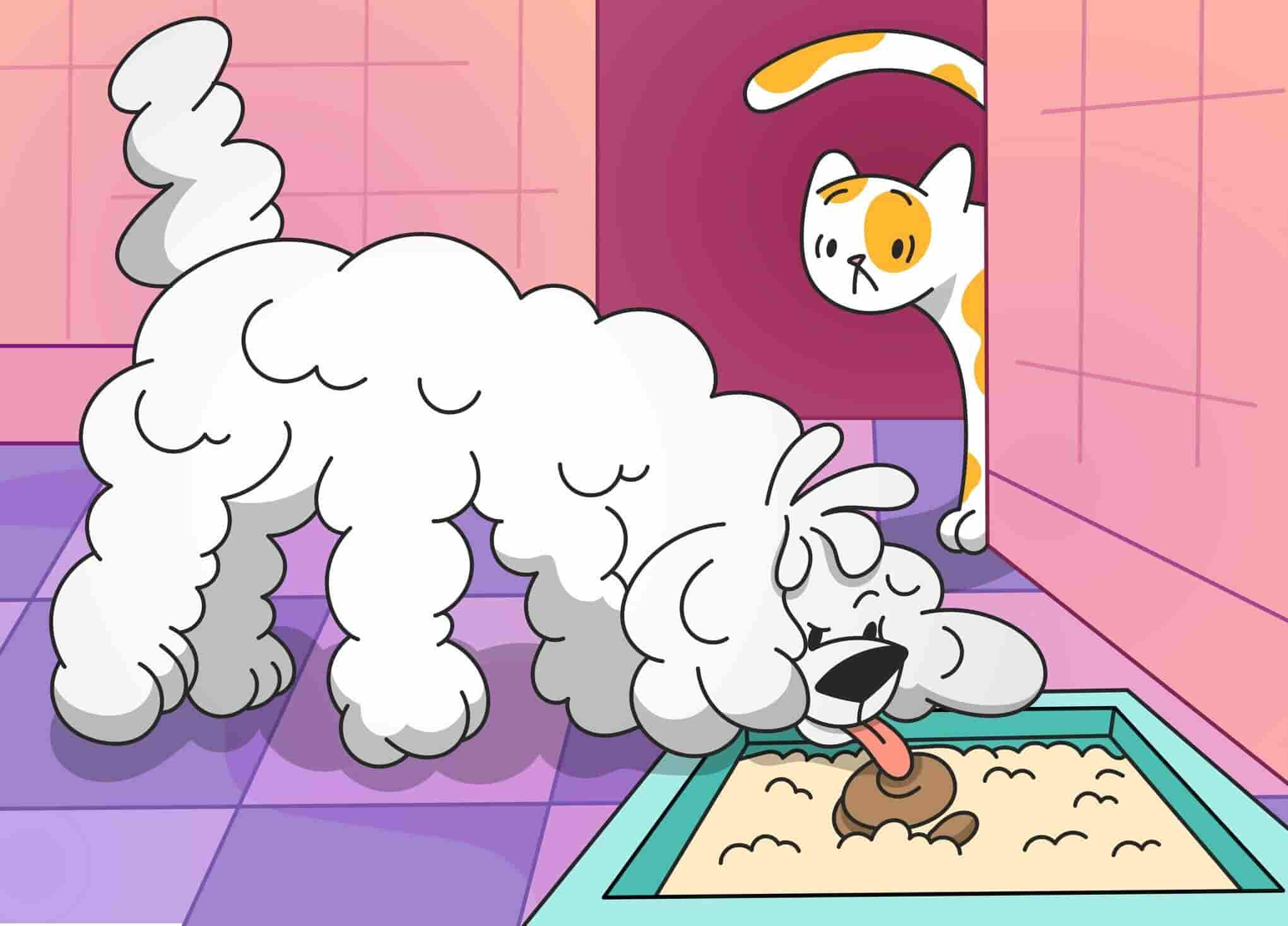
Credit: petcube.com
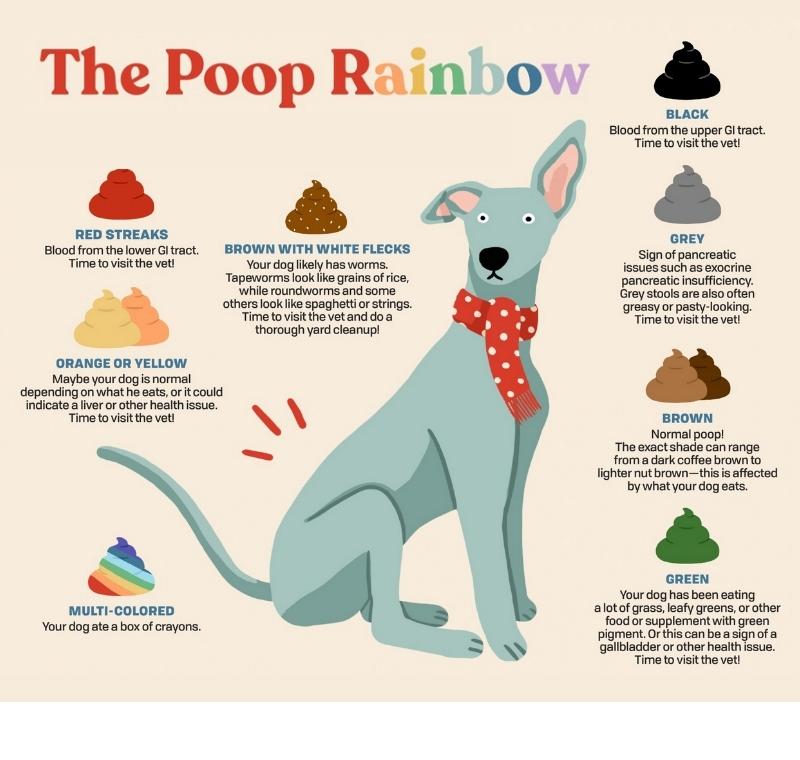
Credit: vixencomposites.com
Frequently Asked Questions
Why Is My Dog Eating Cat Poop And Vomiting?
Dogs may eat cat poop due to curiosity or nutrient cravings. Vomiting can result from ingesting harmful bacteria or parasites. This behavior can cause digestive upset and requires monitoring or vet consultation.
What Are The Common Symptoms After Eating Cat Poop?
Symptoms include vomiting, diarrhea, lethargy, and loss of appetite. Dogs may also show signs of abdominal pain or dehydration. Immediate veterinary care is advisable if symptoms persist or worsen.
Can Eating Cat Poop Cause Serious Illness In Dogs?
Yes, cat feces can contain harmful bacteria and parasites. These can lead to infections or gastrointestinal issues in dogs. Prompt veterinary evaluation is important to prevent complications.
How Can I Prevent My Dog From Eating Cat Poop?
Keep litter boxes inaccessible to dogs and clean them regularly. Provide a balanced diet to reduce nutrient cravings. Training and supervision can also help curb this behavior.
Conclusion
Dogs eating cat poop and vomiting show clear signs to watch for. These symptoms can indicate stomach upset or infection. Keep an eye on your dog’s behavior and health. Early action helps prevent serious problems. Always consult a vet if vomiting continues or worsens.
Understanding these symptoms keeps your dog safe and comfortable. Stay alert and care for your pet with love and attention.