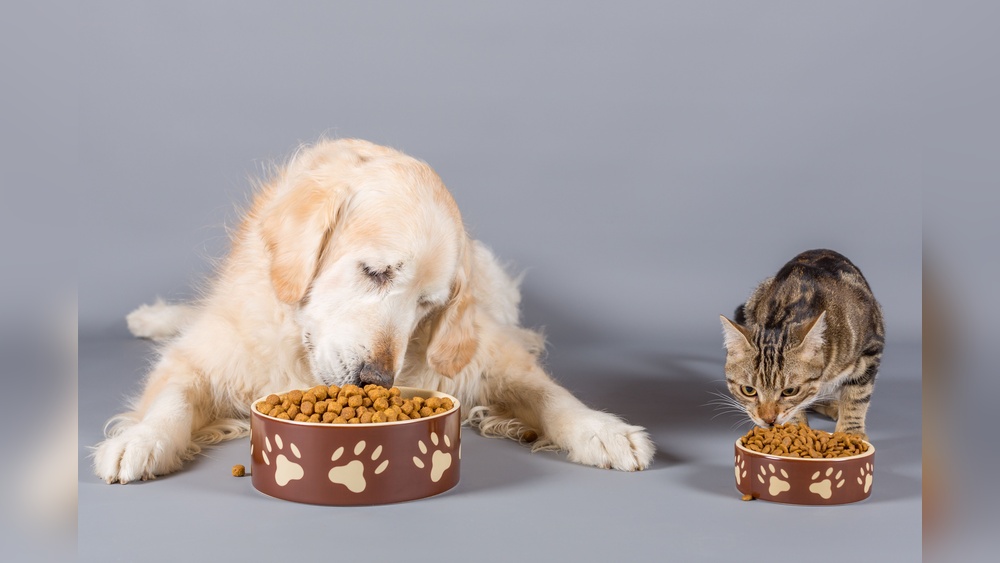
If your dog has eaten cat food and now has diarrhea, you’re probably worried and wondering what to do next. It’s a common mistake that can upset your dog’s tummy more than you expect.
But don’t panic—understanding why this happens and how to help your furry friend recover quickly is key. You’ll discover what cat food does to your dog’s digestive system, the signs you need to watch for, and simple steps to get your pet back to feeling good again.
Keep reading to protect your dog’s health and avoid future mishaps.
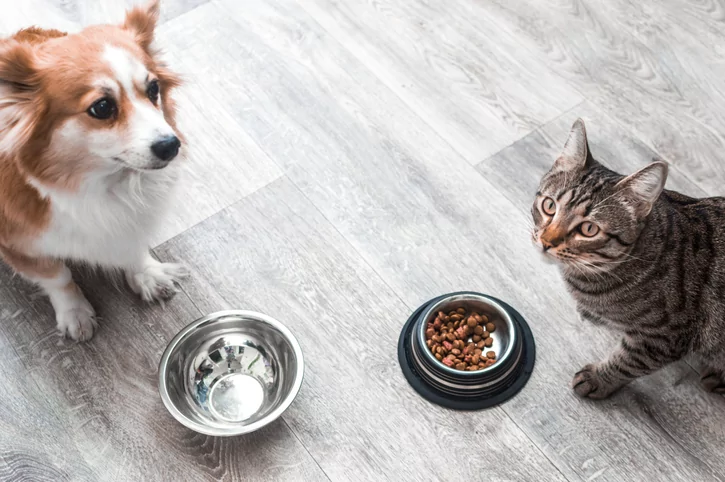
Credit: bottletreeanimalhospital.com
Causes Of Diarrhea From Cat Food
When your dog eats cat food and then develops diarrhea, it can be alarming. Understanding the causes of diarrhea from cat food helps in managing your dog’s health better. Cat food and dog food have key differences that affect canine digestion. Knowing these differences clarifies why feeding habits impact your dog’s stomach and cause digestive upset.
Differences In Nutritional Content
Cat food and dog food have distinct nutritional profiles. Cats are obligate carnivores; they need higher protein and fat levels. Dogs are omnivores and require a balanced diet with less protein and fat. Feeding cat food to dogs can disrupt their digestive system.
Key differences in nutritional content:
- Protein: Cat food contains 30-50% protein, while dog food has 18-25%.
- Fat: Cat food has 15-30% fat; dog food usually has 8-15%.
- Taurine: Essential for cats but not required in high amounts for dogs.
- Calories: Cat food is calorie-dense, which can overload a dog’s digestion.
| Nutrition | Cat Food | Dog Food |
|---|---|---|
| Protein | 30-50% | 18-25% |
| Fat | 15-30% | 8-15% |
| Calories | High (Calorie-dense) | Moderate |
| Taurine | Added | Minimal |
Pet nutrition differences like these can lead to dog digestive issues. Cat food’s rich content may cause stomach upset and diarrhea in dogs.
Ingredients That Upset Dogs
Some ingredients in cat food can cause gastrointestinal upset in dogs. Dogs may react poorly to certain components that cats tolerate well. Knowing these harmful ingredients for dogs helps prevent dog diet and diarrhea.
Common ingredients causing issues:
- High fat content: Leads to diarrhea and vomiting.
- Artificial additives: Preservatives and colorings may cause allergies.
- Dairy products: Many dogs are lactose intolerant, causing loose stools.
- Protein sources: Some dogs have allergies to fish or chicken found in cat food.
Signs of food allergy in dogs include itching, redness, and diarrhea. Cat food formulas may contain rich or unfamiliar proteins triggering pet food intolerance. These ingredients stress the dog’s digestive system, causing canine diarrhea causes related to diet.
Quantity And Frequency Impact
The amount and how often your dog eats cat food affect their stomach health. Small, accidental bites might not cause serious problems. Large amounts or repeated feeding increase the risk of diarrhea and other issues.
Feeding habits impact on dog digestive issues:
- Small quantities: May cause mild digestive upset or no symptoms.
- Moderate quantities: Can trigger diarrhea and stomach cramps.
- Large or frequent feeding: Leads to severe gastrointestinal upset and dehydration.
Repeated exposure to cat food changes the dog’s gut environment. This disrupts normal digestion and can cause chronic diarrhea. Monitor your dog’s symptoms carefully and avoid feeding cat food regularly to prevent persistent dog diet and diarrhea.
Symptoms To Watch For
When your dog eats cat food and then has diarrhea, it signals a problem in their digestive system. Pet gastrointestinal distress can happen because cat food is richer in fats and proteins, which dogs may not digest well. Watching for symptoms helps you understand how serious the situation is. Knowing the signs of dog digestive upset can protect your pet’s health and prevent further complications.
Severity Of Diarrhea
Diarrhea in dogs varies in intensity and can show different patterns. Mild diarrhea may last a short time and not cause much worry. Severe diarrhea can lead to dehydration and weakness. Pay attention to how often your dog has diarrhea and the stool’s appearance.
- Soft stool: Slightly loose but still formed
- Watery stool: Very liquid and frequent
- Bloody or mucous stool: Indicates irritation or infection
Below is a simple table to help you gauge the severity:
| Diarrhea Type | Possible Cause | Action Needed |
|---|---|---|
| Occasional loose stool | Minor dog food intolerance or mild digestive upset | Monitor and adjust diet |
| Frequent watery stool | Cat food toxicity in dogs or infection | Consult veterinarian soon |
| Bloody or mucous stool | Serious gastrointestinal distress | Seek immediate veterinary care |
Severity also depends on your dog’s age, weight, and overall health. Puppies and older dogs often need faster care. Watch how your dog acts between episodes. Dog vomiting and diarrhea together can worsen the condition and speed dehydration.
Additional Signs Of Illness
Diarrhea alone may not tell the whole story. Look for other symptoms of dog illness that show your pet’s health is at risk. These signs often accompany dog digestive upset caused by eating cat food.
- Vomiting: Often occurs with diarrhea in food intolerance cases
- Lethargy: Unusual tiredness or lack of energy
- Loss of appetite: Refusing to eat or drink
- Abdominal pain: Whining, restlessness, or guarding belly
- Dehydration: Dry gums, sunken eyes, or reduced skin elasticity
Some dogs may show signs of pet dietary issues, such as:
- Excessive drooling
- Frequent licking of lips
- Changes in behavior or mood
These symptoms suggest the body is struggling to handle the cat food. Canine diarrhea causes can be complex, but these warning signs guide you to act quickly. Tracking these symptoms helps your vet diagnose the problem faster.
When To Seek Veterinary Help
Knowing the right time for veterinary care for dogs can save your pet’s life. Some cases of diarrhea are mild and clear up alone. Others need prompt medical attention. Look for pet health warning signs that require a vet visit.
- Diarrhea lasting more than 24 hours
- Presence of blood or black tarry stool
- Repeated vomiting or inability to keep water down
- Signs of dehydration (sunken eyes, dry gums)
- Sudden weakness, collapse, or seizures
- Severe abdominal pain or bloating
Veterinarians may run tests to find the exact cause of cat food toxicity in dogs or other issues. Treatment may include fluids, medications, and diet changes. Early veterinary care prevents complications from worsening. Always prioritize your dog’s comfort and safety.
Immediate Care Steps
When your dog eats cat food and then develops diarrhea, quick action is essential. Immediate care steps help ease discomfort and prevent worsening symptoms. Understanding the right approach supports your dog’s digestive health and speeds recovery. This guide covers key actions to take right after noticing symptoms of dog food intolerance or cat food toxicity in dogs.
Hydration Importance
Diarrhea causes your dog to lose water and important minerals fast. Keeping your dog hydrated is the top priority during any digestive upset. Dehydration can make symptoms worse and lead to serious health problems.
Follow these dog hydration tips to help your pet recover:
- Offer fresh, clean water often throughout the day.
- Use a pet-safe electrolyte solution if recommended by your vet.
- Monitor water intake to ensure your dog drinks enough.
- Encourage drinking by adding a small amount of low-sodium broth.
Signs your dog needs more fluids:
| Symptom | Description |
|---|---|
| Dry gums | Mouth feels sticky or dry instead of moist |
| Sunken eyes | Eyes appear hollow or less shiny than usual |
| Weakness | Lack of energy or unusual tiredness |
| Loss of skin elasticity | Skin stays lifted when pinched instead of snapping back |
Hydration supports dog gastrointestinal health and helps treat dog diarrhea at home safely. Watch your dog closely and offer fluids frequently during diarrhea episodes.
Dietary Adjustments
Changing your dog’s diet is crucial after eating cat food. Cat food is higher in fat and protein, which may trigger dog digestive upset. Pet dietary changes help manage dog diarrhea and reduce irritation.
Start with these dietary adjustments:
- Stop feeding cat food immediately. Switch back to your dog’s regular food gradually.
- Offer bland, easily digestible meals such as boiled chicken and rice.
- Feed smaller portions more often to avoid overloading the gut.
- Avoid treats and table scraps until your dog’s stool returns to normal.
Here is a simple bland diet plan for managing dog diarrhea:
| Meal | Ingredients | Frequency |
|---|---|---|
| Breakfast | Boiled chicken (no skin), white rice | Small portion |
| Lunch | Boiled pumpkin or sweet potato | Small portion |
| Dinner | Boiled chicken, rice | Small portion |
Pet dietary changes help soothe the gut and support healing. Introduce regular dog food slowly after symptoms improve.
Avoiding Harmful Foods
Not all foods are safe for dogs, especially during digestive upset. Some harmful foods for dogs worsen diarrhea or cause toxic reactions. Cat food toxicity in dogs happens because cat food contains ingredients dogs cannot digest well.
Common harmful foods to avoid include:
- Onions, garlic, and chives
- Chocolate and caffeine
- Grapes and raisins
- Fatty or spicy foods
- Dairy products, if lactose intolerant
Also, do not give your dog any food with artificial sweeteners like xylitol. These can be deadly. Managing dog diarrhea requires careful food choices to protect dog gastrointestinal health.
Keep a list of safe vs. unsafe foods handy:
| Safe Foods | Harmful Foods |
|---|---|
| Boiled chicken | Fatty cat food |
| Rice and pumpkin | Chocolate |
| Plain cooked vegetables | Onions and garlic |
| Water and pet electrolyte solutions | Grapes and raisins |
Avoid these harmful foods while treating dog diarrhea at home. This supports faster recovery and prevents further pet diarrhea causes.
Veterinary Treatments
When your dog eats cat food and develops diarrhea, veterinary treatments become essential. Cat food toxicity in dogs can upset their digestive system, causing discomfort and loose stools. Managing pet diarrhea often requires a professional approach to protect your dog’s gastrointestinal health. A vet can identify the root cause of the symptoms of dog diarrhea and provide effective treatment for dog diarrhea. Understanding veterinary treatments helps ensure your dog’s quick recovery and prevents further complications from dog digestive issues.
Medications For Diarrhea
Medications play a key role in managing pet diarrhea caused by cat food toxicity in dogs. Vets often prescribe specific drugs to reduce inflammation and control symptoms. These medicines help balance the digestive system and ease discomfort.
- Antidiarrheal agents: Slow down intestinal movement to reduce frequency of stools.
- Probiotics: Restore healthy gut bacteria and improve digestion.
- Antibiotics: Used if an infection is suspected, but only under vet guidance.
- Fluid therapy: Prevent dehydration caused by diarrhea.
Here is a simple table showing common medications used in treatment for dog diarrhea:
| Medication Type | Purpose | Notes |
|---|---|---|
| Antidiarrheals | Reduce bowel movements | Use only as vet directs |
| Probiotics | Support gut health | Safe for most dogs |
| Antibiotics | Treat infections | Not for all cases |
| Fluids | Hydration support | IV or oral forms |
Medications alone do not fix underlying causes but help manage symptoms. Careful vet supervision ensures safe and effective treatment.
Diagnostic Tests
Veterinary diagnostic tests identify the causes behind canine diarrhea causes. Tests reveal if cat food toxicity or other pet food intolerance triggers the problem. Early diagnosis helps tailor the right treatment plan.
Common veterinary diagnostic tests include:
- Fecal examination: Detects parasites or infections causing diarrhea.
- Blood tests: Check organ function and signs of inflammation.
- Imaging (X-rays, ultrasound): Look for blockages or abnormalities in the digestive tract.
- Allergy testing: Finds food intolerances or allergies causing symptoms.
These tests provide a full picture of dog gastrointestinal health. They help vets rule out serious conditions and confirm if cat food toxicity is the main issue. Veterinary diagnostic tests guide the choice of medications and follow-up care for dogs.
Follow-up Care
Follow-up care for dogs recovering from diarrhea is vital. It ensures symptoms of dog diarrhea do not return and supports long-term digestive health. Regular vet visits monitor progress and adjust treatments as needed.
Key aspects of follow-up care include:
- Diet management with vet-approved foods to avoid pet food intolerance.
- Monitoring stool quality and frequency daily.
- Maintaining hydration and overall health.
- Administering prescribed medications fully.
- Scheduling recheck appointments for veterinary diagnostic tests.
Consistent follow-up care protects your dog from future digestive issues. It also helps identify any new symptoms early. Caring for dog gastrointestinal health after treatment reduces the risk of chronic problems linked to cat food toxicity in dogs.
Preventing Future Incidents
Preventing future incidents after your dog ate cat food and now has diarrhea is crucial for their health. Canine diarrhea causes often include dietary mistakes like eating inappropriate food. Cat food toxicity for dogs can lead to gastrointestinal upset in dogs and dog digestive issues. Taking steps to manage pet food access helps avoid these problems. Understanding how to prevent cross-feeding and maintain pet food safety reduces risks. Below are key strategies to keep your dog safe and healthy.
Proper Food Storage
Proper food storage is essential to prevent your dog from eating cat food accidentally. Store all pet food in secure, sealed containers that dogs cannot open. This limits access and reduces the chance of symptoms of dog food intolerance caused by eating the wrong food.
Use these tips for better food storage:
- Keep cat food in high cabinets or locked cupboards.
- Use airtight containers labeled clearly for each pet.
- Store food in separate rooms if possible.
- Dispose of leftover cat food promptly to avoid temptation.
Here is a simple table showing recommended food storage practices:
| Action | Benefit |
|---|---|
| Use airtight containers | Prevents odor and access by dogs |
| Store food out of reach | Reduces accidental ingestion |
| Label containers | Avoids confusion between dog and cat food |
| Clean feeding areas regularly | Eliminates leftover food bits |
Proper storage ensures managing pet food access effectively. It helps maintain dog dietary habits aligned with their needs and prevents unwanted digestive upset.
Separate Feeding Areas
Creating separate feeding areas for dogs and cats helps prevent cross-feeding. Dogs often eat cat food because it smells stronger and tastier. Separate zones reduce the chance of gastrointestinal upset in dogs caused by eating cat food.
Follow these guidelines for feeding areas:
- Feed pets in different rooms or corners.
- Use baby gates or barriers if space is limited.
- Feed pets at different times to avoid food guarding or stealing.
- Supervise feeding times until pets learn boundaries.
Benefits of separate feeding areas include:
- Reduces dog access to cat food, lowering cat food toxicity for dogs risk.
- Minimizes stress and competition between pets.
- Helps maintain dog dietary habits suitable for their digestive system.
Separate feeding areas support overall pet food safety and reduce incidents of diarrhea caused by wrong food intake.
Training To Avoid Cat Food
Training your dog to avoid cat food is a key step in preventing dog digestive issues and canine diarrhea causes related to diet. Consistent training teaches your dog to respect boundaries and avoid dangerous foods.
Use these pet feeding training tips:
- Teach commands like “leave it” or “no” near cat food bowls.
- Reward your dog when they ignore cat food during feeding times.
- Practice short, frequent training sessions for better results.
- Use distraction techniques to redirect attention away from cat food.
- Supervise your dog closely until training is reliable.
Training improves managing pet food access by building good habits. It reduces the risk of symptoms of dog food intolerance and keeps your dog’s digestive system healthy.
Remember, patience and consistency are vital. Training strengthens your dog’s understanding of what foods are safe, helping avoid pet feeding training challenges that lead to diarrhea and upset stomachs.
Credit: bottletreeanimalhospital.com
Credit: articles.hepper.com
Frequently Asked Questions
Can Cat Food Cause Diarrhea In Dogs?
Yes, cat food can upset a dog’s stomach. It contains higher fat and protein levels, which dogs digest poorly. This imbalance often leads to diarrhea and digestive discomfort.
How Long Does Diarrhea Last After Eating Cat Food?
Diarrhea usually lasts 1-2 days if the dog is otherwise healthy. Monitor your dog closely. If symptoms persist beyond 48 hours, consult a veterinarian promptly.
Should I Give My Dog Water After Diarrhea From Cat Food?
Yes, always provide fresh water. Diarrhea can cause dehydration quickly. Keep your dog hydrated to support recovery and prevent further health issues.
When To See A Vet For Diarrhea From Cat Food?
See a vet if diarrhea lasts more than 48 hours, or if your dog shows lethargy, vomiting, or blood in stool. Immediate care is crucial in these cases.
Conclusion
Your dog eating cat food can upset their stomach quickly. Diarrhea shows their body is reacting to the different food. Keep your dog away from cat food to avoid this problem. Offer plenty of water to help them stay hydrated.
Watch their behavior and stool closely for changes. If diarrhea lasts more than a day, call your vet. Early care helps your dog feel better faster. Remember, each pet’s needs are different. Stay alert and protect your dog’s health every day.