If your dog has eaten cat food and is now feeling sick, you’re probably worried and unsure what to do next. You want to help your furry friend feel better fast, but where do you start?
This can be a confusing and scary situation, especially since cat food isn’t made for dogs. Don’t panic—you’re not alone, and there are clear steps you can take to treat your dog and keep them safe. Keep reading to learn exactly what signs to watch for, how to manage your dog’s symptoms, and when you should see a vet.
Your dog’s health is important, and with the right care, you can help them recover quickly.
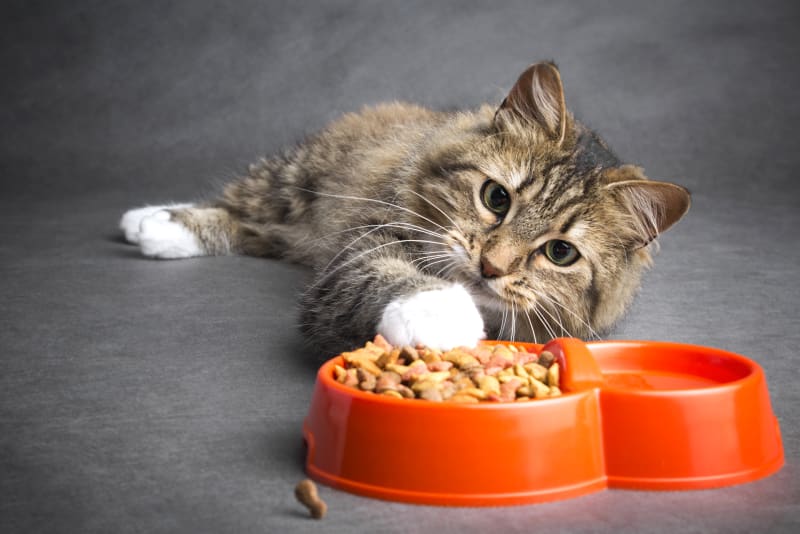
Credit: www.hillcrestanimals.com
Symptoms To Watch
When your dog eats cat food, it can lead to several health problems. Cat food has more fat and protein than dog food, which may cause dog digestive upset and other issues. Recognizing the symptoms to watch helps you act quickly. Early detection of symptoms of dog illness linked to cat food toxicity in dogs can prevent serious harm. Understanding these signs supports effective treatment for dog food poisoning and keeps your pet safe.
Common Signs Of Illness
Dogs that have eaten cat food may show different symptoms. These signs often point to canine dietary issues caused by the richer cat food. Watch for changes in your dog’s behavior and health.
- Vomiting: Frequent or sudden vomiting is a common sign of pet food poisoning.
- Diarrhea: Loose stools or diarrhea can indicate a dog digestive upset.
- Loss of appetite: Refusing to eat might mean your dog feels sick.
- Lethargy: Unusual tiredness or low energy levels can be a warning.
- Abdominal pain: Your dog may whine, whimper, or avoid being touched.
- Excessive drooling: Drooling more than usual is a sign of nausea.
Below is a quick reference table for symptoms of dog illness caused by eating cat food:
| Symptom | Possible Cause | Severity |
|---|---|---|
| Vomiting | Cat food toxicity or irritants | Moderate to Severe |
| Diarrhea | Digestive upset | Moderate |
| Lethargy | Systemic illness | Severe |
| Loss of appetite | Stomach discomfort | Mild to Moderate |
Keep a close eye on your dog for these signs after dog eating cat food. Early observation helps with timely care and reduces risks.
When To Seek Immediate Help
Some symptoms require quick action and expert help. Knowing when to get emergency vet care can save your dog’s life. Pet sickness signs can worsen fast after eating cat food.
Call your vet or visit the emergency clinic if your dog has:
- Repeated or severe vomiting, especially if it lasts over 24 hours
- Bloody diarrhea or black, tar-like stools
- Severe abdominal pain or swelling
- Signs of dehydration like dry gums or sunken eyes
- Difficulty breathing or choking sounds
- Collapse, seizures, or severe weakness
Delaying treatment for dog food poisoning increases health risks. Your vet may need to give fluids, medications, or other care.
Use this checklist for emergency signs:
- Severe or persistent vomiting
- Signs of pain or distress
- Unusual behavior or unconsciousness
- Visible blood in vomit or stool
- Breathing problems
Remember, cat food toxicity in dogs can cause serious illness fast. Immediate vet care improves outcomes and stops complications.
Why Cat Food Affects Dogs
When your dog eats cat food and becomes sick, understanding why cat food affects dogs helps in treating them properly. Cat food is made for a cat’s unique needs, which differ from dogs. These differences can cause health problems in dogs, leading to symptoms like vomiting, diarrhea, and upset stomach. Knowing what makes cat food harmful to dogs guides you in giving the right emergency care and pet poisoning treatment.
Nutritional Differences
Cat food and dog food have clear nutritional differences that can cause problems for dogs. Cats need more protein and fat than dogs. Cat food contains higher levels of these to meet their needs. When a dog eats cat food, it gets too much protein and fat, which can upset its stomach.
Key differences include:
- Protein: Cat food has more protein to support cats’ muscle and energy needs.
- Fat: Higher fat content in cat food can cause digestive upset in dogs.
- Taurine: An essential amino acid in cat food, cats require it, but dogs produce their own.
- Calories: Cat food is more calorie-dense, which can lead to weight gain in dogs.
Here is a simple comparison table:
| Nutrition | Cat Food | Dog Food |
|---|---|---|
| Protein | High (30-45%) | Moderate (18-30%) |
| Fat | High (15-25%) | Lower (10-15%) |
| Calories | Calorie-dense | Balanced |
Because of these differences, dogs may show dog vomiting after cat food or dog upset stomach from cat food. This is a sign of dog dietary intolerance cat food. Knowing this helps in treating dog after eating cat food properly.
Potential Toxins In Cat Food
Cat food may contain ingredients that are harmless to cats but harmful to dogs. Some cat food harmful ingredients for dogs include certain additives, preservatives, and higher fat content. These can cause cat food toxicity in dogs and lead to serious symptoms.
Common harmful ingredients and their effects:
- Onions and Garlic: Sometimes present in flavoring; toxic to dogs and can cause anemia.
- High Fat Content: Can cause pancreatitis, a painful inflammation of the pancreas.
- Artificial Additives: Some preservatives and flavor enhancers may upset a dog’s digestive system.
- Excess Vitamin A: Found in some cat foods; can lead to vitamin A toxicity in dogs.
Symptoms of cat food toxicity in dogs may include:
- Vomiting
- Diarrhea
- Weakness or lethargy
- Abdominal pain
These symptoms call for emergency care dog cat food ingestion. Quick action and proper pet poisoning treatment reduce risk of severe illness. Always watch for dog eating cat food symptoms and contact a vet if you suspect toxicity.
At-home Care Steps
When your dog eats cat food and becomes sick, immediate care can help ease their discomfort. At-home care steps focus on supporting your pet’s recovery safely and effectively. Managing Pet Sickness involves understanding the best actions to take after exposure to Cat Food Ingredients that may upset your dog’s stomach. Knowing simple treatments for Dog Upset Stomach Treatment and Dog Digestive Upset helps prevent complications. These steps also address Canine Dietary Issues caused by cross-species pet diet mistakes and reduce Dog Vomiting Causes related to Pet Food Toxicity. Start with hydration and rest, then adjust the diet carefully to support healing.
Hydration And Rest
Hydration plays a vital role in helping your dog recover from digestive upset after eating cat food. Dogs can quickly become dehydrated due to vomiting or diarrhea, common symptoms of Pet Food Toxicity. Offer fresh water frequently. Small, regular sips help prevent your dog from drinking too much at once, which can worsen vomiting.
- Provide water every 15-30 minutes in small amounts.
- Use an electrolyte solution designed for pets if recommended by a vet.
- Watch for signs of dehydration: dry gums, lethargy, sunken eyes.
Rest is equally important. Your dog needs calm and quiet to conserve energy and heal. Limit activity and avoid stressful situations. Set up a comfortable space with soft bedding. Monitor behavior closely for worsening symptoms. If vomiting or diarrhea continues beyond 24 hours, seek veterinary help immediately.
| Hydration Tips | Rest Tips |
|---|---|
| Small water amounts often | Quiet area without noise |
| Use pet-safe electrolyte drinks | Soft bedding for comfort |
| Monitor for dehydration signs | Limit physical activity |
Diet Adjustments
Adjusting your dog’s diet is critical in Dog Recovery Diet after eating cat food. Cat food contains higher protein and fat levels, which can cause digestive upset and Canine Dietary Issues. Gradually return to the dog’s regular food to avoid further stomach problems.
Follow these steps for diet management:
- Stop feeding cat food immediately to reduce Pet Food Toxicity risk.
- Offer a bland diet for 2-3 days, such as boiled chicken and plain rice.
- Feed small portions 3-4 times a day to ease digestion.
- Slowly reintroduce the regular dog food over 4-5 days.
- Observe for any signs of Dog Vomiting Causes or recurring upset.
Use this simple table to guide your Dog Recovery Diet:
| Day | Food Type | Meal Frequency |
|---|---|---|
| 1-3 | Boiled chicken and rice | 3-4 small meals |
| 4-5 | Mix bland diet with regular dog food | 3 meals |
| 6+ | Regular dog food | 2 meals |
Cross-species pet diet mistakes cause many digestive problems. Avoid feeding your dog cat food to prevent future issues. Proper diet management supports fast recovery and reduces risk of long-term problems.

Credit: leparvet.net
When To Visit The Vet
My dog ate cat food and is now sick. Knowing when to visit the vet is crucial for your pet’s health. Cat food contains nutrients that can cause problems in dogs due to cross-species diet issues. Some dogs experience mild symptoms, while others show serious signs of pet food toxicity. Early vet care can prevent worsening conditions and guide effective treatment for pet food poisoning. Understanding pet poisoning symptoms helps pet owners act quickly and protect their pets from harm.
Emergency Symptoms
Recognizing emergency symptoms in your dog after ingestion of cat food is vital. Dog ingestion of cat food can lead to dog gastrointestinal distress and more serious health problems. Seek emergency vet care dogs if you notice any of these signs:
- Vomiting or repeated retching – frequent vomiting indicates irritation or poisoning.
- Severe diarrhea – watery or bloody stools show serious digestive upset.
- Excessive drooling – may indicate nausea or toxin exposure.
- Lethargy or weakness – a sign of systemic illness or toxicity.
- Abdominal pain or bloating – discomfort can mean digestive blockage or inflammation.
- Seizures or tremors – severe neurological symptoms require immediate attention.
- Difficulty breathing – an urgent emergency symptom indicating severe distress.
Table: Common Emergency Symptoms in Dogs After Eating Cat Food
| Symptom | Possible Cause | Urgency |
|---|---|---|
| Vomiting | Gastrointestinal irritation or poisoning | High |
| Severe diarrhea | Canine digestive upset, toxicity | High |
| Seizures | Neurological effect of toxins | Immediate |
| Difficulty breathing | Severe allergic or toxic reaction | Immediate |
Early recognition of these pet poisoning symptoms ensures timely animal poisoning management. Delaying vet care can worsen your dog’s condition.
Diagnostic Tests
Veterinarians use diagnostic tests for dogs to understand the extent of dog ingestion of cat food and its effects. These tests help confirm pet food toxicity and guide treatment for pet food poisoning. Common diagnostic tests include:
- Blood tests: Check organ function and detect toxins in the bloodstream.
- Fecal examination: Identify parasites or bacteria causing gastrointestinal upset.
- X-rays or ultrasound: Assess for blockages or inflammation in the digestive tract.
- Urinalysis: Evaluate kidney function and detect toxins filtered through urine.
Diagnostic tests provide a clear picture of your dog’s health after cross-species diet issues. Vet results guide emergency vet care dogs to choose the best treatment for pet food toxicity. Animal poisoning management improves with prompt and accurate diagnosis.
Below is a summary of diagnostic tests and their purposes:
| Test | Purpose | What It Detects |
|---|---|---|
| Blood Test | Assess organ health | Toxins, liver/kidney function |
| Fecal Exam | Check digestive system | Parasites, bacteria |
| X-ray / Ultrasound | Visualize digestive tract | Blockages, inflammation |
| Urinalysis | Evaluate kidney function | Toxin clearance |
Preventing Future Incidents
Dogs eating cat food by mistake can cause serious health problems. Cat food has different ingredients that may upset a dog’s stomach. It is important to focus on preventing future incidents to keep your dog safe and healthy. Understanding how to feed and store pet food properly helps avoid dog digestive issues and other complications.
Safe Feeding Practices
Following safe pet feeding guidelines reduces the risk of your dog eating cat food. Cat food ingredients are richer in protein and fats, which can cause dog vomiting causes and other digestive problems.
- Feed pets separately: Use different rooms or feeding stations to keep dog and cat food apart.
- Supervise mealtime: Watch your dog and cat while they eat to stop food stealing.
- Use timed feeders: Automatic feeders can control when pets eat, limiting access to other food.
- Train your dog: Teach commands like “leave it” to prevent food stealing.
Here is a comparison of dog food and cat food to understand why mixing them is harmful:
| Aspect | Dog Food | Cat Food |
|---|---|---|
| Protein Level | Moderate | High |
| Fat Content | Lower | Higher |
| Taurine | Not essential | Essential |
| Calories | Balanced for dogs | Higher for cats |
Following these practices helps avoid symptoms of dog eating cat food, such as vomiting, diarrhea, and stomach pain. It also aids in treating dog upset stomach quickly when incidents happen.
Storage Tips
Proper pet food storage is key to preventing pet food mix-ups. Keep dog and cat food separate and secure to avoid accidental eating. Here are important storage tips:
- Use airtight containers: Store food in clearly labeled, sealed containers to keep freshness and avoid mixing.
- Keep food out of reach: Place containers on high shelves or locked cabinets.
- Separate storage areas: Store dog and cat food in different places in your home.
- Clean feeding bowls: Wash pet bowls after each meal to remove leftover cat food.
Here is a simple checklist for pet food safety:
- Label all containers with pet type and date opened.
- Use containers made of food-safe materials.
- Store dry and wet food separately.
- Check expiration dates regularly.
- Avoid storing food in damp or hot areas.
Good storage protects food quality and helps prevent dog digestive issues caused by eating wrong food. Proper storage also supports canine nutrition by ensuring dogs eat the right diet.
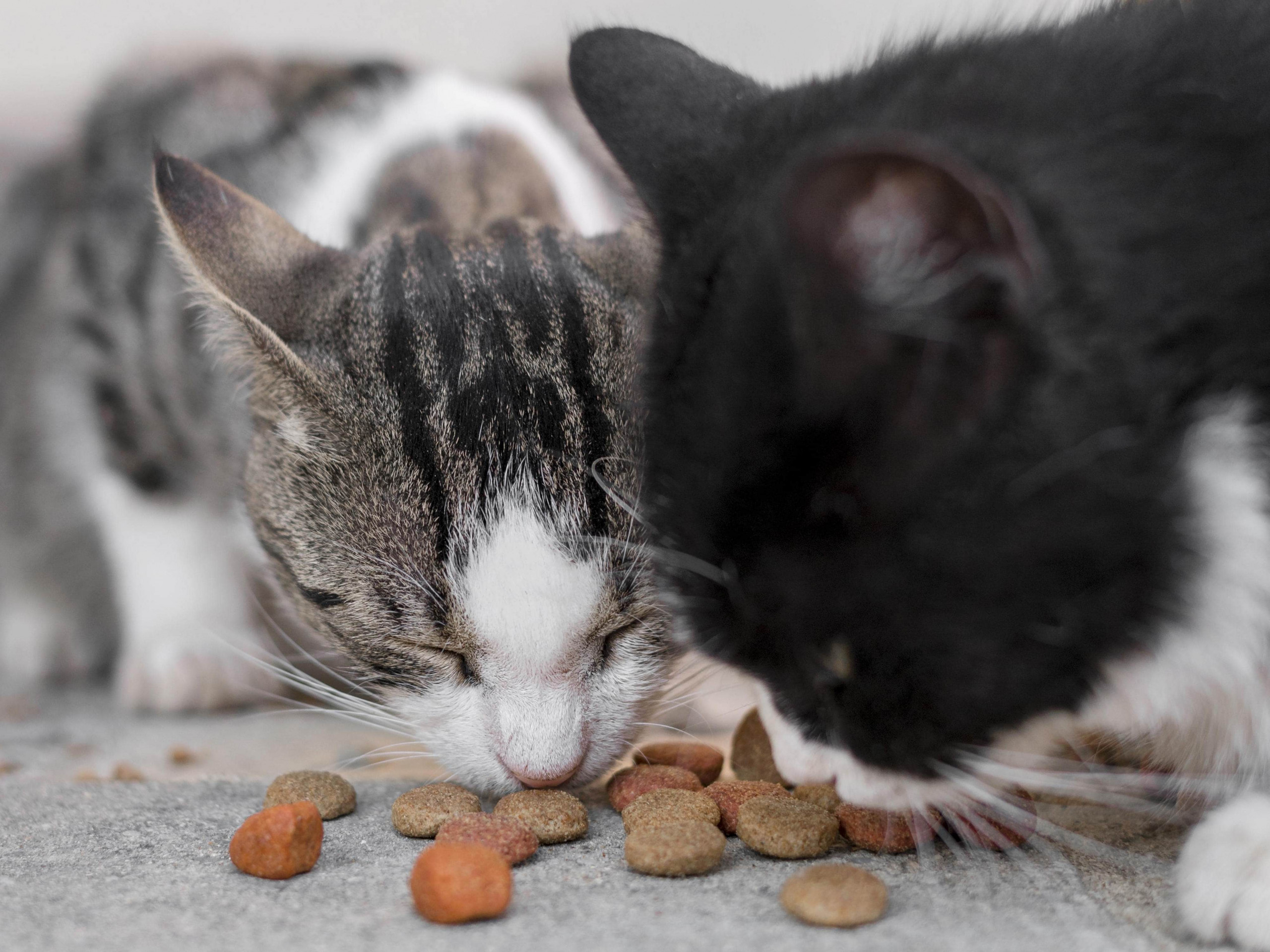
Credit: www.vets-now.com
Frequently Asked Questions
Can Cat Food Make My Dog Sick?
Yes, cat food is high in protein and fat, which can upset your dog’s stomach. It may cause vomiting, diarrhea, or lethargy. Always avoid feeding cat food to dogs to prevent digestive issues and nutritional imbalances.
What Symptoms Show If My Dog Ate Cat Food?
Common symptoms include vomiting, diarrhea, lethargy, and abdominal discomfort. Some dogs may also show loss of appetite or excessive thirst. Monitor your dog closely and contact a vet if symptoms worsen or persist.
How Should I Treat My Dog After Eating Cat Food?
First, remove access to cat food immediately. Offer fresh water to prevent dehydration. Monitor your dog’s symptoms, and consult a veterinarian if vomiting or diarrhea continues beyond 24 hours.
When Should I Call The Vet For Cat Food Ingestion?
Call the vet if your dog shows severe vomiting, diarrhea, weakness, or inability to keep water down. Immediate veterinary care is crucial if symptoms worsen quickly or your dog appears very lethargic.
Conclusion
Dogs eating cat food can cause upset stomach and sickness. Watch your dog closely for any unusual signs. Give fresh water to help flush out the cat food. Contact your vet quickly if your dog feels worse. Prevent future problems by feeding pets separately.
Keep cat food out of your dog’s reach. Caring for your dog’s health helps avoid serious issues. Stay calm and act fast for the best results. Your dog depends on you for safe, healthy meals.