Have you ever wondered if it’s okay for your dog to eat cat food just once? Maybe you caught your furry friend sneaking a few bites from your cat’s bowl and felt a bit worried.
You’re not alone—many pet owners ask the same question. Understanding whether cat food is safe for your dog, even for a single day, is important for your pet’s health and your peace of mind. Keep reading to find out what happens when dogs eat cat food and what you should watch out for to keep your four-legged friends happy and healthy.
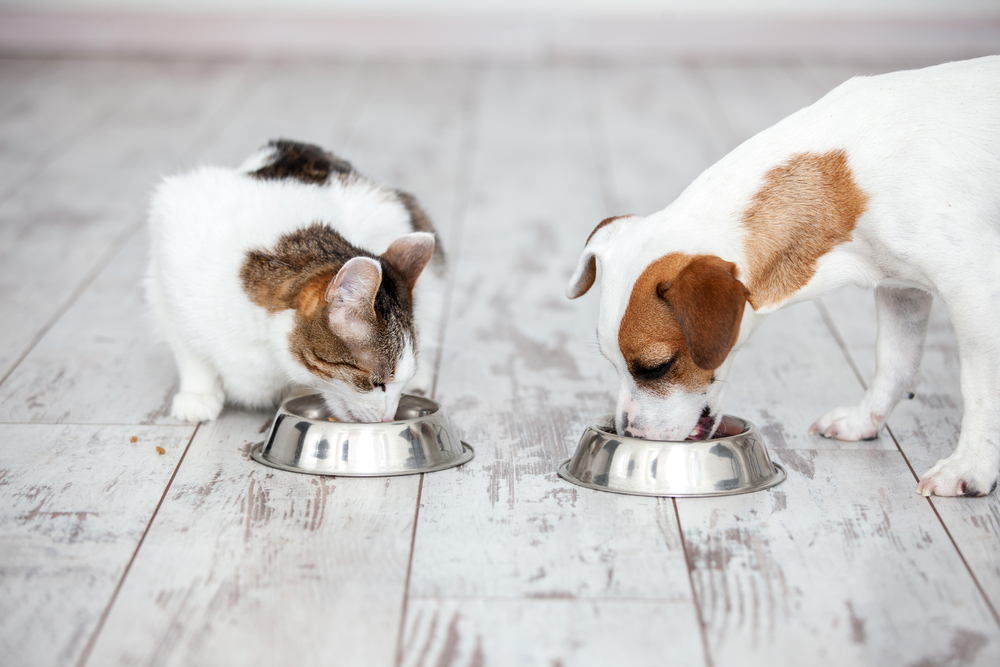
Credit: www.vets-now.com
Nutritional Differences Between Dog And Cat Food
Many pet owners wonder about the safety of feeding their dog cat food for one day. Understanding the nutritional differences between dog and cat food is essential before making this choice. Dogs and cats have different dietary needs, so their foods are formulated with unique ingredients and nutrient levels. This section explains these differences and the possible effects of short-term feeding of cat food to dogs.
Protein And Fat Content
Protein levels in pet food vary significantly between dog and cat products. Cat food contains higher protein percentages because cats are obligate carnivores. Dogs are omnivores and require less protein in their diet. Feeding dog food to cats may cause deficiencies, but feeding cat food to dogs occasionally can lead to excess protein intake.
The fat content in dog diet also differs. Cat food usually has more fat to support their energy needs and grooming. Dog food fat content suits their metabolism and lifestyle. Excess fat from cat food may upset a dog’s stomach or cause weight gain if given frequently.
- Cat food often contains 30-40% protein.
- Dog food protein usually ranges from 18-25%.
- Fat content in cat food is generally 15-20%.
- Dog food fat content averages 8-15%.
| Nutrient | Cat Food | Dog Food |
|---|---|---|
| Protein | 30-40% | 18-25% |
| Fat | 15-20% | 8-15% |
Short-term feeding effects of cat food on dogs are usually mild but can include digestive upset due to higher protein and fat. Long-term feeding risks include obesity and nutrient imbalances.
Essential Nutrients
Essential nutrients differ in dog and cat diets to meet their canine dietary needs and feline requirements. Cat food contains nutrients dogs do not need or need in smaller amounts. Some key differences include:
- Taurine: Vital for cats but not essential for dogs.
- Arachidonic acid: A fatty acid cats require, dogs produce it naturally.
- Vitamin A: Cats need preformed vitamin A, while dogs can convert beta-carotene.
- Niacin: Cats require higher amounts than dogs.
Feeding cat food to dogs might cause an excess of some nutrients and a lack of others. This imbalance can lead to dog health risks like digestive issues or nutrient toxicity if done often.
Dog food contains carefully balanced vitamins and minerals tailored for dog health. Cat food ingredients focus on supporting feline metabolism and organ function, which differ from dogs.
Caloric Density
Pet food caloric density is another major difference. Cat food is calorie-dense to match their high energy needs and small meal sizes. Dogs need fewer calories per serving and larger portions to stay healthy.
Higher calorie cat food can cause rapid weight gain in dogs if fed regularly. One day of eating cat food usually poses minimal risk but may cause minor stomach upset.
Below is a comparison of typical caloric densities:
| Pet Food Type | Calories per Cup |
|---|---|
| Cat Food | 400-500 kcal |
| Dog Food | 300-400 kcal |
Short-term feeding of cat food to dogs can provide extra calories but may disrupt normal digestion. Regular feeding increases dog health risks such as obesity and pancreatitis. Pet owners must consider pet food safety by choosing food designed for their pet’s species.

Credit: www.businessinsider.com
Potential Effects On Dogs Eating Cat Food
Dogs may sometimes sneak a bite of cat food, raising concerns about the potential effects on their health. Short-term feeding effects of cat food on dogs can vary depending on the ingredients and the dog’s sensitivity. Understanding these effects helps protect canine digestive health and avoid any unwanted problems. Cat food is formulated with different nutrient levels, designed for cats, not dogs. This difference can pose some dietary risks for dogs, even if the exposure lasts only one day. The following sections explain key issues related to dogs eating cat food, focusing on digestive impact, nutrient imbalance, and allergic reactions.
Short-term Digestive Impact
Eating cat food for one day can cause mild digestive upset in dogs. Cat food ingredients are richer and higher in fat and protein than dog food. This change can affect a dog’s stomach and intestines.
- Diarrhea and Vomiting: Dogs may experience loose stools or vomiting due to the richer diet.
- Stomach Discomfort: Increased fat content can lead to stomach pain or bloating.
- Changes in Appetite: Some dogs might lose interest in their regular food after tasting cat food.
These symptoms usually last a short time and clear up once the dog returns to its normal diet. Monitoring the dog’s behavior and stool quality helps catch any serious issues early. Below is a simple table showing common symptoms and their usual duration:
| Symptom | Possible Cause | Duration |
|---|---|---|
| Diarrhea | High fat and protein levels | 1-2 days |
| Vomiting | Sudden diet change | Less than 24 hours |
| Stomach discomfort | Rich cat food ingredients | 1-2 days |
Short-term feeding effects are usually mild but should not be ignored. Repeated exposure increases the risk of more serious problems.
Risk Of Nutrient Imbalance
Cat food contains different nutrients than dog food. This can cause problems in dog nutrition if eaten regularly or in large amounts. Even one day of eating cat food can affect the balance of nutrients.
Key differences include:
- Higher Protein Levels in Pet Food: Cat food has more protein and fat to meet cats’ needs.
- Lower Fiber Content: Dogs require more fiber than cats for healthy digestion.
- Vitamin and Mineral Differences: Cat food has nutrients like taurine that dogs do not need in high amounts.
These nutrient differences can upset a dog’s metabolism and overall health. Below is a comparison of typical nutrient levels in cat food versus dog food:
| Nutrient | Cat Food (Approx.) | Dog Food (Approx.) |
|---|---|---|
| Protein | 35-45% | 18-30% |
| Fat | 15-25% | 8-15% |
| Fiber | 2-4% | 3-5% |
Feeding cat food occasionally for one day might not cause immediate harm. The risk rises with frequent cross-species feeding. Maintaining a balanced diet designed for dogs is essential for long-term health.
Possible Allergic Reactions
Food allergies in dogs can occur from eating cat food due to different ingredients. Cat food ingredients often include proteins or additives not commonly found in dog food. These can trigger allergic responses in sensitive dogs.
Signs of food allergies in dogs include:
- Itchy skin and scratching
- Red or inflamed skin patches
- Ear infections or head shaking
- Excessive licking or chewing of paws
Allergic reactions may develop quickly or take a few days to show. If any signs appear after eating cat food, stopping the cat food is necessary. Consult a vet to address pet food safety and treat symptoms.
Table below summarizes common allergens found in cat food that may cause reactions in dogs:
| Ingredient | Allergy Risk | Common Symptoms |
|---|---|---|
| Fish proteins | High | Itching, vomiting |
| Chicken | Moderate | Skin redness, diarrhea |
| Dairy products | Low to Moderate | Gas, itching |
Being aware of possible allergies and monitoring dogs after tasting cat food protects their health. Avoid repeated exposure to cat food to minimize allergy risks and support canine digestive health.
When Cat Food Might Be Safe For Dogs
Dogs and cats have very different nutritional needs. Cat food contains more protein and fat than dog food. This difference can cause issues if dogs eat cat food regularly. Short-term feeding of cat food to dogs might be safe in some cases. Understanding when cat food might be safe for dogs helps pet owners avoid health risks. Knowing about pet food safety and dog digestive health is important for any dog owner.
Occasional Consumption
Eating cat food for one day is usually not harmful for most dogs. Short-term feeding of feline food ingredients does not often cause problems. Cat food is richer and fattier, but a small amount for a day is usually okay.
- Dog’s stomach can handle different foods in small amounts.
- One-time eating may cause minor digestive upset, like soft stools.
- Dog nutrition is best from dog food, but a single incident is not dangerous.
Here is a quick look at the main differences between cat and dog food:
| Aspect | Cat Food | Dog Food |
|---|---|---|
| Protein | High | Moderate |
| Fat | High | Lower |
| Taurine | Essential | Not required |
| Calories | More dense | Less dense |
Short-term feeding of cat food is usually safe. Avoid making it a habit to prevent health risks dogs cat food can cause.
Puppies Vs Adult Dogs
Puppies and adult dogs have different needs in their canine diet. Cat food is not suitable for puppies because of their unique growth needs. Puppy dietary needs include specific nutrients that cat food may not provide properly.
- Adult dog nutrition is more stable, so occasional cat food is less risky.
- Puppies require balanced calcium and phosphorus for bones, often not found in cat food.
- Cat food’s high protein and fat can upset a puppy’s digestion.
Here is a simple comparison:
| Dog Type | Risk from Cat Food | Reason |
|---|---|---|
| Puppies | High | Needs specific nutrients, sensitive digestion |
| Adult Dogs | Low to Moderate | More tolerant, better digestion |
Short-term feeding of cat food should be avoided for puppies. Adult dogs can handle it better but should not have it regularly.
Special Health Conditions
Some dogs have special dietary conditions that make cat food unsafe. Dogs with kidney or liver issues, allergies, or obesity need careful dog nutrition. Cat food is often too rich and can worsen these conditions.
- Dogs with kidney disease must avoid high protein and fat.
- Dogs with allergies may react to feline food ingredients.
- Obese dogs need controlled calorie intake; cat food has more calories.
Owners of special dietary conditions dogs should consult a vet before any diet changes. Cat food may cause serious health risks dogs cat food
Here are signs that cat food may be unsafe for dogs with health problems:
- Vomiting or diarrhea after eating cat food
- Increased thirst or urination
- Lethargy or weakness
- Weight gain or loss
Maintaining proper dog digestive health and avoiding unsuitable foods is critical for dogs with health conditions.

Credit: www.petmd.com
Signs Of Trouble After Eating Cat Food
Dogs sometimes eat cat food by mistake or curiosity, especially during temporary diet changes at home. Cat food has different nutrients and higher fat levels than dog food. This difference can cause dog gastrointestinal upset and other health issues. Recognizing the signs of trouble after eating cat food helps keep your dog safe and comfortable. Watch closely for changes in digestion, behavior, or general health that may signal problems.
Digestive Symptoms
After a dog eats cat food, digestive symptoms may appear quickly. Cat food contains rich cat food ingredients that can upset a dog’s stomach. Common signs include:
- Vomiting or dry heaving
- Diarrhea or loose stools
- Excessive gas and bloating
- Loss of appetite or refusal to eat regular dog food
- Abdominal discomfort or restlessness
Dog digestive health is sensitive to sudden diet changes. A dog’s digestive system is not designed for the high protein and fat in cat food. This can lead to inflammation or irritation of the stomach lining.
| Symptom | Description | Possible Cause |
|---|---|---|
| Vomiting | Forceful expulsion of stomach contents | Rich fat content, food intolerance |
| Diarrhea | Frequent, watery stools | Digestive upset due to fat and protein |
| Bloating | Swollen belly and discomfort | Gas buildup from poor digestion |
These symptoms usually show within hours after eating cat food. Monitor your pet’s stools and behavior closely. Mild cases may resolve in a day or two with no treatment.
Behavioral Changes
Pet behavior after eating cat food can signal distress or discomfort. Dogs may act differently if their body reacts badly to the food. Watch for these changes:
- Increased restlessness or pacing
- Whining or signs of pain
- Excessive drooling or licking lips
- Unusual lethargy or weakness
- Irritability or unusual aggression
These behaviors may indicate signs of food intolerance or stomach pain. Dogs often hide pain but show it through mood shifts or reluctance to move. Changes in appetite or refusal to eat their usual food also matter.
Some dogs try to vomit again or may seek water repeatedly. These actions relate to attempts to ease digestive discomfort. Pet dietary concerns include monitoring these signs closely during any temporary diet changes.
When To Contact A Vet
Knowing vet advice for pets helps in deciding when to seek professional help. Mild symptoms often resolve without treatment. Contact a vet if you notice:
- Repeated vomiting over 24 hours
- Severe diarrhea or blood in stool
- Signs of dehydration (dry gums, sunken eyes)
- Extreme lethargy or weakness
- Abdominal swelling or pain
- Refusal to eat or drink for more than a day
Vets can check for serious issues like pancreatitis or allergic reactions caused by cat food ingredients. Early treatment prevents complications and supports dog digestive health.
Always mention your dog’s recent diet change and symptoms clearly. This helps vets provide quick, accurate care. In emergencies, do not wait to get help.
Preventing Dogs From Eating Cat Food
Dogs may occasionally eat cat food out of curiosity or hunger. While a small amount for a short time usually causes no harm, consistent consumption can affect dog nutrition and lead to pet health risks. Preventing dogs from eating cat food helps maintain a balanced canine diet and avoids issues linked to cat food ingredients that do not suit dogs. Using smart strategies keeps both pets safe and ensures pet feeding guidelines are followed. Below are practical tips to stop dogs from accessing cat food.
Storage Tips
Proper storage plays a key role in pet food safety and preventing cross-species feeding. Store cat food in places dogs cannot reach. Use sealed containers to keep food fresh and limit odors that attract dogs. Here are some effective storage ideas:
- High Shelves: Place cat food bowls on counters or shelves beyond dog reach.
- Closed Cabinets: Store dry cat food in airtight containers inside cabinets.
- Pet Gates: Use gates to block off feeding areas exclusively for cats.
- Automatic Feeders: Timed feeders release cat food only during feeding times.
Below is a simple table showing storage options and their benefits:
| Storage Method | Benefit |
|---|---|
| High Shelves | Out of dog’s reach; easy access for cats |
| Sealed Containers | Maintains freshness; limits smell |
| Pet Gates | Physical barrier to prevent dog entry |
| Automatic Feeders | Controlled feeding times; reduces temptation |
Storing cat food properly reduces the chance of accidental dog consumption and supports pet food safety standards.
Feeding Routines
Establishing clear feeding routines helps manage animal feeding habits and supports dog dietary needs. Feeding dogs and cats separately at set times minimizes food guarding and wandering between bowls. Consistency in routines makes it easier for pets to learn where and when to eat. Consider these feeding routine tips:
- Separate Feeding Areas: Feed dogs and cats in different rooms or areas.
- Scheduled Meal Times: Offer food at the same times daily to build habits.
- Supervised Feeding: Watch pets during meals to stop cats or dogs stealing food.
- Remove Leftovers: Clear uneaten cat food quickly to prevent dogs from eating it later.
Following pet feeding guidelines by using these routines supports good dog nutrition and reduces short-term feeding effects linked to cat food. This approach also respects the natural animal feeding habits of both species.
Training Techniques
Training dogs to avoid cat food is vital for maintaining a healthy canine diet. Teaching commands and redirecting attention helps control unwanted eating behaviors. Use positive reinforcement to encourage good habits and discourage food stealing. Effective training techniques include:
- “Leave It” Command: Train dogs to ignore cat food on cue.
- Reward System: Offer treats or praise when dogs avoid cat food.
- Redirection: Distract dogs with toys or activities during cat feeding times.
- Consistent Rules: Enforce boundaries firmly and fairly every day.
Training supports pet health risks prevention by reducing cross-species feeding incidents. It also helps dogs respect their own dietary needs and improves overall pet discipline.
Frequently Asked Questions
Can Dogs Eat Cat Food For Just One Day?
Yes, dogs can eat cat food for one day without harm. Cat food is rich in protein and fat, which dogs can digest short-term. However, it lacks balanced nutrients dogs need long-term, so it should not replace their regular diet.
What Happens If A Dog Eats Cat Food Accidentally?
If a dog eats cat food accidentally, mild stomach upset may occur. Symptoms include vomiting or diarrhea. Most dogs recover quickly. Monitor your dog and provide fresh water. Contact a vet if symptoms persist or worsen.
Is Cat Food Safe For Puppies To Eat Briefly?
Cat food is not ideal for puppies, even briefly. Puppies need balanced nutrition for growth. Cat food has excess protein and fat, which can strain a puppy’s kidneys. Avoid feeding cat food to puppies to ensure healthy development.
How Does Cat Food Affect A Dog’s Health?
Cat food can cause digestive upset and obesity in dogs if fed regularly. It is high in protein and fat, which can stress a dog’s organs. Occasional small amounts are generally safe, but long-term feeding is unhealthy.
Conclusion
Dogs can eat cat food once in a while without major problems. Cat food has more fat and protein than dog food. Too much can cause stomach upset or weight gain. Keep it just for one day only. Always watch your dog’s reaction after eating it.
If your dog seems sick, contact a vet. Regular dog food meets their nutritional needs better. Treat cat food as an emergency option, not a regular meal. Your dog’s health stays strong with proper food choices. Simple care keeps your pet happy and safe.