Have you ever caught your dog sneaking a bite of your cat’s food and wondered, “Is this dangerous?” You might be worried about your furry friend’s health and want to know if eating cat food could really harm or even kill your dog. Understanding the risks can help you keep your pet safe and avoid unnecessary trips to the vet.
Keep reading to find out what happens when dogs eat cat food and how you can protect your dog from potential dangers.
:strip_icc()/GettyImages-1137504605-4ea3ceec185f4d1e9dc39fb71f8ae04c.jpg)
Credit: thorfamilylaw.com
Risks Of Dogs Eating Cat Food
Dogs sometimes eat cat food out of curiosity or hunger. This might seem harmless, but it can cause serious health problems. Can a dog die from eating cat food? The answer depends on how much and how often they eat it. Cat food is designed for cats, not dogs. Eating it regularly can lead to dog health risks cat food that affect their well-being. Understanding the risks of dogs eating cat food helps pet owners keep their dogs safe and healthy.
Nutritional Differences Between Dog And Cat Food
Cat food and dog food have different nutritional formulas. Cats need more protein and specific nutrients like taurine, which dogs can make on their own. Cat food usually has higher protein levels to meet the canine dietary needs of cats. Dogs eating cat food get too much protein and fat, which can cause problems.
- Taurine in cat food is essential for cats but not required in large amounts for dogs.
- Cat food protein levels are much higher than what dogs need daily.
- Dog food balances nutrients to support a dog’s digestive system and energy needs.
| Nutrient | Cat Food | Dog Food | Effect on Dogs |
|---|---|---|---|
| Protein | High (30-50%) | Moderate (18-30%) | Excess strain on kidneys and liver |
| Taurine | Added | Minimal | Usually safe but unnecessary |
| Fat | High | Moderate | Can cause weight gain and pancreatitis |
Pet food nutritional differences show why dogs should not eat cat food regularly. The imbalance can cause dog digestive issues cat food, leading to vomiting, diarrhea, or worse health problems.
Common Ingredients That Can Harm Dogs
Some ingredients in cat food are harmful to dogs. These include additives and nutrients that cats need but dogs cannot process well. Knowing the harmful ingredients in cat food helps prevent dog toxicity cat food and pet poisoning symptoms.
- High Fat Content: Can cause pancreatitis and obesity in dogs.
- Excess Protein: Overworks dog kidneys and liver over time.
- Added Taurine: Safe in small amounts but unnecessary for dogs.
- Flavor Enhancers: Some contain onion or garlic powder, toxic to dogs.
- Dairy Ingredients: Many dogs are lactose intolerant, leading to upset stomach.
Signs of pet poisoning symptoms or dog digestive issues cat food include:
- Vomiting
- Diarrhea
- Loss of appetite
- Weakness or lethargy
- Excessive drooling
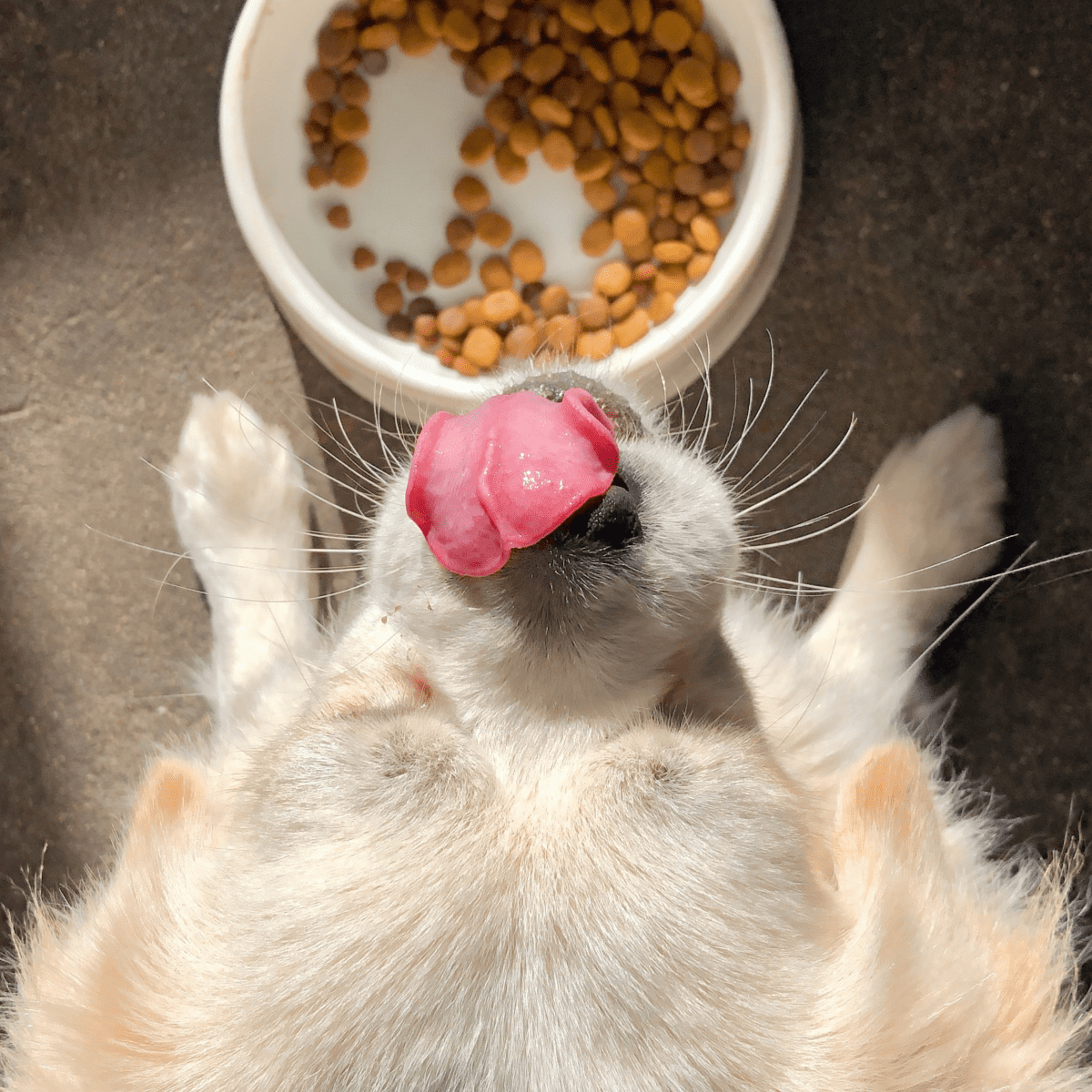
Cross-species feeding can cause serious dog health risks cat food. Always store cat food where dogs cannot reach it. Immediate veterinary care is needed if a dog shows any pet poisoning symptoms.
Credit: redwhitecellar.co.nz
Short-term Effects On Dogs
Dogs eating cat food may face several short-term effects that can impact their health and behavior. Cat food is designed with different nutrients and ingredients, tailored for cats, not dogs. This difference can cause canine digestive problems and other issues. Understanding these effects helps pet owners recognize pet poisoning symptoms and know when to seek emergency pet care. Short-term effects usually involve discomfort but can sometimes lead to more serious problems if ignored.
Digestive Issues
Cat food contains higher protein and fat levels than dog food, which may upset a dog’s stomach. Dogs eating cat food might experience canine digestive problems such as:
- Vomiting
- Diarrhea
- Stomach cramps
- Gas and bloating
These symptoms result from the dog’s digestive system not being designed for the richness of cat food ingredients. The extra fat and protein can overwhelm their system, causing discomfort.
Below is a quick comparison of typical cat food and dog food nutrient contents:
| Nutrient | Cat Food (per 100g) | Dog Food (per 100g) |
|---|---|---|
| Protein | 35-45% | 18-25% |
| Fat | 20-30% | 8-15% |
| Carbohydrates | 10-15% | 30-40% |
Eating cat food occasionally may cause mild upset, but frequent intake can lead to severe dog health risks. Watching for pet dietary concerns is vital. Persistent digestive symptoms require veterinary attention to avoid dehydration and other complications.
Behavioral Changes
Eating cat food can also cause behavioral symptoms in dogs. The richness and smell of cat food may lead to unusual behavior, such as:
- Increased restlessness
- Excessive drooling
- Food aggression or guarding
- Loss of appetite for their own food
These changes come from the dog’s reaction to different cat food ingredients and the altered nutrition. Sometimes, dogs may become anxious or irritable after consuming food not suited for them.
Watch for signs like:
- Refusing dog food meals
- Begging for cat food more often
- Sudden mood swings or irritability
Such cross-species feeding effects can confuse dogs’ natural eating habits. Long-term behavioral changes may develop if cat food is given regularly. This can lead to pet poisoning symptoms linked to nutrient imbalances or toxic ingredients in cat food.
Monitoring dog behavior helps prevent serious issues. Prompt emergency pet care is needed if changes worsen or other symptoms appear. Maintaining proper dog nutrition supports healthy behavior and overall well-being.
Long-term Health Concerns
Dogs eating cat food occasionally might seem harmless, but long-term consumption raises serious concerns. Cat food has different ingredients and nutrient levels, designed for cats, not dogs. Over time, this mismatch can lead to health problems in dogs. Understanding these long-term health concerns helps protect your dog’s well-being and avoid costly veterinary visits.
Obesity And Weight Gain
Cat food is higher in fat and protein than dog food. Dogs eating cat food regularly get more calories than they need. This excess energy turns into fat, causing pet obesity. Obesity in dogs increases the risk of many health problems such as:
- Joint pain and arthritis
- Heart disease
- Diabetes
- Lower lifespan
Many dog owners do not realize that feeding cat food can be a hidden cause of weight gain. Cat food ingredients are richer and not balanced for canine metabolism. Dogs have different energy needs and cannot process the same amount of fat well.
| Aspect | Cat Food | Dog Food |
|---|---|---|
| Protein Content | Higher (30-50%) | Moderate (18-25%) |
| Fat Content | Higher (15-25%) | Lower (8-15%) |
| Calorie Density | High | Moderate |
Pet obesity causes often link back to improper food choices. Feeding dog-appropriate food helps maintain a healthy weight and supports overall dog health risks reduction.
Pancreatitis Risk
Pancreatitis in dogs is inflammation of the pancreas. It can be triggered by eating food too high in fat, like cat food. The pancreas struggles to produce enough enzymes to digest the excess fat. This leads to inflammation and pain.
Digestive issues in dogs linked to pancreatitis include vomiting, diarrhea, and abdominal pain. Chronic pancreatitis can cause long-term damage and may be life-threatening.
Signs of pancreatitis to watch for:
- Loss of appetite
- Abdominal tenderness
- Weakness or lethargy
- Excessive drooling
Feeding cat food regularly increases the chance of pancreatitis. Dog owners should be cautious about pet food safety and avoid foods rich in fat that are not made for dogs.
Nutritional Imbalances
Cat food ingredients include higher levels of protein, fat, and certain vitamins designed for cats. Dogs have different nutritional needs, and eating cat food causes nutritional imbalances. This leads to nutrient deficiencies in dogs or excesses that can harm health.
Common imbalances include:
- Too much vitamin A, causing bone and joint problems
- Excess protein stressing kidneys
- Low fiber, causing digestive problems
- Incorrect calcium and phosphorus ratios
Canine nutrition depends on balanced vitamins, minerals, and nutrients. Dog dietary concerns arise when pets eat cat food often. Over time, this can cause serious health issues such as poor coat condition, weak bones, and organ damage.
Proper feeding with dog-specific food ensures balanced nutrition and supports your pet’s health for years.
When To Seek Veterinary Care
Dogs may sometimes eat cat food out of curiosity or hunger. While a small amount might not cause harm, some ingredients in cat food can be dangerous for dogs. Knowing when to seek veterinary care is crucial. Early action can prevent serious health problems or even save a dog’s life. This section highlights key signs of toxicity and emergency situations caused by cat food ingestion.
Signs Of Toxicity Or Severe Reaction
Cat food dangers for dogs often stem from its high protein, fat, and certain additives. These can cause canine digestive issues or more serious reactions. Watch for symptoms that show your dog may be suffering from pet food toxicity.
- Vomiting: Frequent or severe vomiting suggests a bad reaction.
- Diarrhea: Loose stools or blood in stool indicate digestive upset.
- Loss of appetite: Refusal to eat for several hours or more.
- Lethargy: Unusual tiredness or weakness can signal toxicity.
- Abdominal pain: Whining, restlessness, or guarding the belly.
- Excessive drooling: More than normal salivation.
These signs can appear within hours after eating cat food. Some dogs may develop symptoms later. Monitor your dog closely for any changes in behavior or health. Use the table below to understand common dog poisoning symptoms from cat food ingestion:
| Symptom | Possible Cause | Action |
|---|---|---|
| Vomiting | High fat or toxic ingredients in cat food | Offer water, monitor, contact vet if persistent |
| Diarrhea | Digestive upset from rich food | Provide bland diet, seek vet if bloody |
| Lethargy | Body fighting toxins or illness | Keep dog comfortable, call vet immediately |
| Abdominal pain | Inflammation or irritation in stomach | Limit movement, get emergency vet care |
Emergency Situations
Emergency vet care is needed if your dog shows severe symptoms after eating cat food. Some toxic ingredients in cat food can cause life-threatening issues.
Watch for these pet emergency signs that require immediate attention:
- Difficulty breathing: Gasping or rapid breathing can mean serious distress.
- Seizures or tremors: Sudden shaking or loss of control.
- Collapse or unresponsiveness: Unable to stand or react normally.
- Severe abdominal swelling: Hard, bloated stomach.
- Excessive bleeding or vomiting blood: Indicates internal damage.
These signs may indicate poisoning or a severe reaction. Do not wait to get help. Call your vet or an emergency animal hospital right away. Early animal poisoning treatment improves the chances of recovery.
Keep the following steps in mind during an emergency:
- Remove any remaining cat food from your dog’s reach.
- Note the type and amount of cat food ingested.
- Try to keep your dog calm and still.
- Have your vet’s contact information ready.
- Transport your dog safely to the vet clinic.
Remember, dog health risks from cat food ingestion vary. Some dogs tolerate small amounts, but others may face serious harm. Prompt veterinary care is the best way to prevent complications and protect your pet’s health.
Preventing Dogs From Eating Cat Food
Dogs eating cat food can lead to serious dog health risks. Cat food contains ingredients designed for feline needs, not canine dietary needs. This can cause dog digestive issues and other problems. Preventing dogs from eating cat food is key to keeping pets healthy. Proper storage and effective training help reduce cross-species feeding effects and avoid cat food toxicity. The following tips focus on pet food safety and preventing pet food consumption mistakes.
Storage Tips
Storing cat food properly limits a dog’s access and reduces the chance of accidental eating. Keep cat food in sealed containers or cabinets to ensure pet food safety. Here are essential storage tips to protect your dog:
- Use airtight containers: Prevent smells from attracting dogs.
- Store cat food out of reach: Place it on high shelves or in closed cabinets.
- Feed cats in separate rooms: Prevent dogs from sneaking cat food during feeding time.
- Clean bowls immediately: Remove leftovers quickly to avoid temptation.
- Use baby gates or barriers: Block dogs from entering cat feeding areas.
| Storage Method | Benefit |
|---|---|
| Airtight Containers | Blocks smell and access, reducing dog temptation |
| High Shelves | Keeps food out of dog’s reach |
| Separate Feeding Areas | Limits cross-species feeding effects |
| Immediate Cleanup | Prevents leftover food hazards |
Proper storage helps maintain pet nutrition for cats and prevents dog health risks caused by eating the wrong food.
Training And Supervision
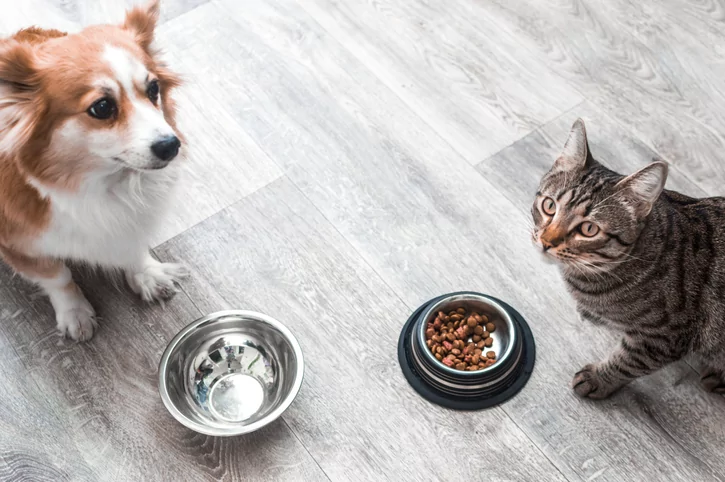
Training dogs to avoid cat food is vital for preventing pet food consumption mistakes. Supervision during feeding times helps enforce good habits and protects dog health. Follow these pet supervision tips to keep pets safe:
- Teach commands like “leave it”: Strong obedience helps dogs avoid cat food.
- Reward good behavior: Use treats to encourage ignoring cat food.
- Supervise feeding times: Watch pets closely when cats eat.
- Distract dogs with their own food or toys: Keeps focus away from cat food.
- Regularly review training: Reinforces limits on dog access to cat food.
Training reduces cross-species feeding effects and limits dog digestive issues. Dogs learn to respect boundaries, improving pet food safety in the home.
| Training Strategy | Purpose |
|---|---|
| “Leave it” Command | Stops dog from eating cat food |
| Positive Reinforcement | Encourages good behavior |
| Supervised Feeding | Prevents accidental consumption |
| Distraction Techniques | Keeps dog focused elsewhere |
Combining training and supervision with proper storage is essential for maintaining pet health and avoiding cat food toxicity risks.
Credit: bottletreeanimalhospital.com
Frequently Asked Questions
Can Dogs Die From Eating Cat Food?
Dogs rarely die from eating cat food, but it can cause health issues. Cat food is rich in protein and fat, which may upset a dog’s stomach or lead to obesity if consumed regularly.
Is Cat Food Toxic For Dogs?
Cat food is not toxic to dogs, but it lacks essential nutrients dogs need. Feeding cat food occasionally is usually safe, but it shouldn’t replace a balanced dog diet.
What Happens If Dogs Eat Cat Food Daily?
Daily consumption of cat food can cause nutritional imbalances in dogs. It may lead to obesity, pancreatitis, or digestive upset due to high fat and protein content.
How To Prevent Dogs From Eating Cat Food?
Keep cat food out of your dog’s reach and feed pets separately. Training your dog to avoid the cat’s feeding area helps prevent accidental eating.
Conclusion
Dogs eating cat food once or twice usually won’t cause death. Cat food has more protein and fat, which can upset dogs’ stomachs. Long-term eating may lead to health problems like obesity or organ issues. Watch your dog’s behavior and appetite closely.
Contact a vet if you see vomiting, diarrhea, or weakness. Keep pet foods separate to avoid mix-ups. Healthy feeding helps your dog live a long, happy life. Always choose food made for your pet’s needs. Safe choices matter for your dog’s health every day.