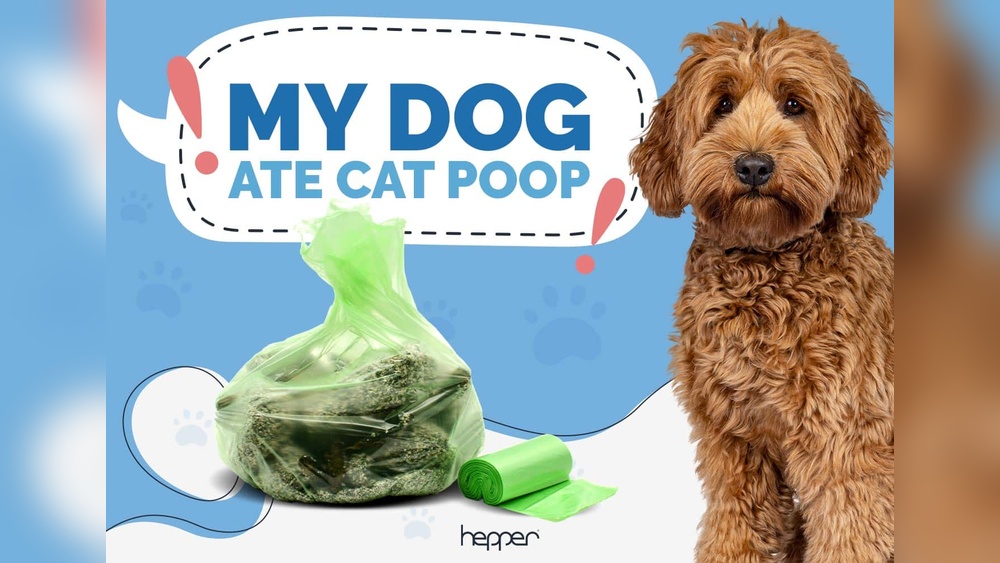
Have you noticed your dog acting strange after eating cat poop? It might seem harmless at first, but this habit can lead to serious health issues—especially diarrhea.
If your furry friend has been experiencing digestive troubles, you need to understand the symptoms and what they mean for your dog’s well-being. Keep reading to discover the signs you shouldn’t ignore and how to help your pet feel better fast.
Your dog’s health depends on it!
Common Symptoms
Dogs that eat cat poop often show clear signs of digestive trouble. These symptoms are important to notice early. Dog gastrointestinal upset can start quickly after cat feces ingestion. Identifying dog illness symptoms helps pet owners act fast and protect their pet’s health. Common symptoms include diarrhea, vomiting, and changes in appetite. These signs point to underlying dog digestive health problems caused by harmful bacteria and parasites in cat feces.
Diarrhea Signs
Diarrhea is one of the most frequent symptoms of coprophagia in dogs. Eating cat feces introduces bacteria and parasites that irritate the dog’s gut. This irritation causes loose, watery stools that may occur several times a day.
Signs of diarrhea to watch for include:
- Frequent bowel movements with soft or liquid stool
- Presence of mucus or blood in the stool
- Straining or discomfort during defecation
- Increased urgency to go outside
Table below summarizes typical diarrhea signs linked to canine diarrhea causes from cat feces ingestion:
| Symptom | Description | Possible Cause |
|---|---|---|
| Loose Stool | Soft or watery feces | Bacterial infection or parasites |
| Mucus in Stool | Sticky, clear or white mucus present | Inflammation of intestines |
| Blood in Stool | Red or dark blood visible | Gut lining damage or parasites |
| Frequent Urgency | More trips outside to defecate | Intestinal irritation |
Dog digestive issues from cat feces often cause diarrhea that lasts a few days. Persistent diarrhea needs veterinary attention to avoid dehydration and further illness.
Vomiting And Nausea
Vomiting and nausea are common dog illness symptoms after eating cat feces. The harmful bacteria and parasites irritate the stomach lining, leading to discomfort and vomiting. This is known as dog vomiting after eating cat feces.
Signs of vomiting and nausea include:
- Repeated vomiting or dry heaving
- Excessive drooling
- Lethargy and weakness
- Restlessness or pacing
Vomiting can worsen dehydration and cause loss of important nutrients. It often appears soon after ingestion and may continue for a day or two.
Watch for these warning signals:
- Frequent vomiting without food
- Vomiting with blood or unusual color
- Signs of pain during vomiting
- Refusal to drink water
Prompt treatment improves recovery chances. Untreated vomiting can lead to serious dog digestive health problems and worsen the pet’s condition.
Changes In Appetite
Appetite changes are often one of the first pet health signs noticed in dogs with digestive upset. Appetite changes in dogs after eating cat feces may include reduced hunger or complete refusal to eat.
Reasons for appetite loss include stomach discomfort, nausea, and overall malaise caused by the cat feces ingestion effects. Some dogs may eat less but drink more water due to dehydration.
Common appetite-related signs:
- Eating smaller portions than usual
- Skipping meals
- Less interest in favorite treats or toys
- Increased thirst or licking lips frequently
Table below shows how appetite changes relate to other symptoms:
| Appetite Symptom | Associated Signs | Potential Cause |
|---|---|---|
| Reduced Eating | Lethargy, vomiting | Stomach pain, nausea |
| Refusal to Eat | Diarrhea, dehydration | Severe GI upset |
| Increased Thirst | Dry mouth, panting | Dehydration from diarrhea/vomiting |
Monitoring appetite helps detect dog digestive issues early. Sudden appetite loss combined with diarrhea or vomiting means veterinary care is needed fast.
Behavioral Changes
Dogs that eat cat poop may develop diarrhea and show clear behavioral changes. These changes often signal underlying health issues linked to dog digestive problems. Observing your dog’s behavior helps detect symptoms early. Behavioral changes can indicate discomfort or illness caused by dog eating cat poop risks. Watch closely for shifts in energy, thirst, and activity level. These signs help monitor dog health after eating cat poop and prevent serious complications.
Lethargy And Fatigue
Lethargy and fatigue are common pet lethargy signs in dogs experiencing digestive issues. After eating cat feces, dogs may feel weak and less active due to toxins or infections in the gut. This tiredness results from the body fighting off harmful bacteria or parasites found in cat poop.
Typical signs include:
- Sleeping more than usual
- Reluctance to play or exercise
- Slow movements and lack of interest in surroundings
These symptoms of dog diarrhea reflect discomfort and decreased energy. A lethargic dog may also show reduced appetite and difficulty standing. Monitoring these signs can help catch dog gastrointestinal problems early.
| Symptom | Description | Possible Cause |
|---|---|---|
| Lethargy | Low energy, excessive sleeping | Infection or toxin from cat feces |
| Fatigue | Weakness, slow movement | Dehydration or nutrient loss |
Prompt veterinary care is vital to treat dog diarrhea and prevent worsening pet lethargy signs.
Increased Thirst
Increased thirst in dogs is a noticeable symptom linked to dog digestive issues after eating cat poop. Diarrhea causes fluid loss, making dogs drink more to stay hydrated. This behavior helps balance water levels but also signals underlying problems.
Signs of increased thirst include:
- Frequent visits to the water bowl
- Drinking larger amounts than usual
- Seeking water in unusual places
Increased thirst in dogs may also accompany other symptoms of dog diarrhea, such as dry gums or sunken eyes. It reflects the body’s effort to combat dehydration caused by pet diarrhea causes like bacterial contamination or parasites from cat feces.
Table of common causes and effects:
| Cause | Effect on Dog | Behavioral Sign |
|---|---|---|
| Fluid loss from diarrhea | Dehydration | Increased thirst and water intake |
| Kidney stress | Imbalance in electrolytes | Frequent urination and thirst |
Observe your dog’s water habits closely to detect increased thirst in dogs early. This aids in timely treatment of dog digestive issues and prevents severe complications.
Restlessness
Restless dog behavior often appears when dogs suffer from dog diarrhea caused by eating cat poop. This symptom shows discomfort and irritation in the digestive system. Dogs may pace, whine, or have difficulty settling down.
Common signs of restlessness include:
- Constant moving or pacing
- Frequent changes in lying position
- Whining or barking without clear reason
- Scratching or licking the anal area
Restlessness is a key canine symptom of cat feces ingestion and signals pain or nausea. It also reflects the dog’s effort to find relief from abdominal cramps or urgency caused by dog eating cat poop risks.
Restlessness combined with other symptoms of dog diarrhea can show the severity of the problem. Early recognition helps manage dog health after eating cat poop and reduces pet distress.
Potential Health Risks
Dogs eating cat poop can lead to serious Canine Diarrhea Symptoms and other health problems. Cat feces often carry harmful substances and germs. These cause Dog Gastrointestinal Distress and other complications. Understanding the Potential Health Risks helps pet owners act quickly and protect their dogs. This section covers the main dangers such as bacterial infections, parasite transmission, and toxicity concerns linked to Cat Feces Consumption.
Bacterial Infections
Bacterial Contamination In Dogs is common after eating cat poop. Cat feces often contain harmful bacteria like Salmonella and E. coli. These bacteria cause Dog Digestive Issues and can make dogs very sick.
- Salmonella: Causes vomiting, diarrhea, fever, and lethargy.
- E. coli: Leads to severe diarrhea and dehydration.
- Campylobacter: Results in bloody stools and stomach pain.
These bacteria spread quickly in the dog’s intestines, causing inflammation and discomfort. Zoonotic Diseases From Pets can also affect humans if proper hygiene is not followed. Symptoms of bacterial infections include:
- Frequent watery diarrhea
- Loss of appetite
- Weakness and fatigue
- Fever and dehydration
| Bacteria | Symptoms in Dogs | Risk to Humans |
|---|---|---|
| Salmonella | Diarrhea, vomiting, fever | High |
| E. coli | Severe diarrhea, dehydration | Medium |
| Campylobacter | Bloody stool, stomach pain | High |
Monitoring Dog Eating Feces Behavior is important. Prompt veterinary care can prevent worsening conditions from bacterial contamination.
Parasite Transmission
Parasite Infection In Dogs is a major risk from cat feces. Cat poop may contain eggs or larvae of parasites. These parasites infect dogs’ digestive systems and cause serious illness.
Common parasites include:
- Toxoplasma gondii: Causes toxoplasmosis, leading to diarrhea and fever.
- Roundworms: Can cause vomiting, diarrhea, and weight loss.
- Hookworms: Lead to anemia and digestive discomfort.
Parasites grow inside the dog’s intestines, causing irritation and damage. The infection can spread to humans as part of Zoonotic Diseases From Pets. Watch for these signs of parasite infection:
- Loose stools or diarrhea
- Bloody or mucous-filled feces
- Scratching or scooting
- Loss of energy and poor coat condition
Preventing Dog Eating Feces Behavior reduces parasite risks. Deworming and hygiene help control parasite transmission. Early detection and treatment are vital for pet health.
Toxicity Concerns
Toxicity From Cat Poop can cause severe health issues in dogs. Cat feces may contain toxins from cat food, medicines, or chemicals. These toxins upset the dog’s digestive system and overall health.
Some toxic substances found in cat feces include:
- Medications from cats, like flea treatments or antibiotics
- Cleaning chemicals used in litter boxes
- Heavy metals or poisons from the environment
Signs of toxicity in dogs include:
- Vomiting and diarrhea
- Drooling and weakness
- Seizures or tremors in severe cases
- Loss of appetite and dehydration
Dogs with Dog Gastrointestinal Distress caused by toxins need immediate veterinary care. Toxic reactions can be life-threatening without treatment. Avoid letting dogs access cat litter boxes to reduce Pet Health Risks.
Credit: darsalud.com.ve
When To See A Vet
Dogs that eat cat poop often develop Dog Gastrointestinal Upset. This behavior can lead to various health problems, including Dog Digestive Issues and Canine Bacterial Infections. Recognizing the right time to see a vet is crucial for your pet’s well-being. Not all Cat Feces Ingestion Symptoms require immediate medical care, but some signs indicate serious problems. Early veterinary attention can prevent worsening conditions caused by Pet Intestinal Parasites or infections. Below are key symptoms that mean your dog needs a vet visit without delay.
Persistent Symptoms
Persistent symptoms after eating cat feces are warning signs of ongoing health issues. If your dog has diarrhea or vomiting that lasts more than 24 hours, it indicates a problem beyond simple stomach upset.
- Repeated diarrhea and vomiting: These may signal Canine Diarrhea Causes like bacterial infections or parasites.
- Lethargy: A dog that stays tired and weak could have a serious infection.
- Loss of appetite: Refusing food for over a day needs veterinary attention.
- Abdominal pain: Whining or sensitivity when touching the belly shows discomfort.
Here is a simple table to help identify persistent symptoms:
| Symptom | Duration | Concern Level |
|---|---|---|
| Diarrhea | Over 24 hours | High |
| Vomiting | More than twice in a day | High |
| Refusal to eat | Over 24 hours | High |
Persistent symptoms often mean the dog needs medical tests to check for Pet Intestinal Parasites or bacterial infections. Delaying treatment can make the condition worse.
Severe Dehydration
Severe dehydration is a dangerous condition linked to Dog Vomiting And Diarrhea. Losing too much fluid through diarrhea can quickly harm your dog. Watch for these Dog Dehydration Signs:
- Dry gums and nose
- Sunken eyes
- Loss of skin elasticity (skin stays up when pinched)
- Weakness or collapse
- Rapid breathing or heartbeat
Dehydration can occur fast with ongoing diarrhea. Dogs with Dog Gastrointestinal Upset need fluids to stay healthy. Mild dehydration might be treated at home with water and electrolytes, but severe cases require vet care.
Use this checklist to assess dehydration severity:
Dehydration Level Symptoms Action Required Mild Slight dry gums Monitor and hydrate Moderate Dry gums, sunken eyes Vet visit recommended Severe Collapse, weak pulse Emergency vet careSevere dehydration can lead to organ failure and death if untreated. Immediate veterinary help is essential for dogs showing these signs.
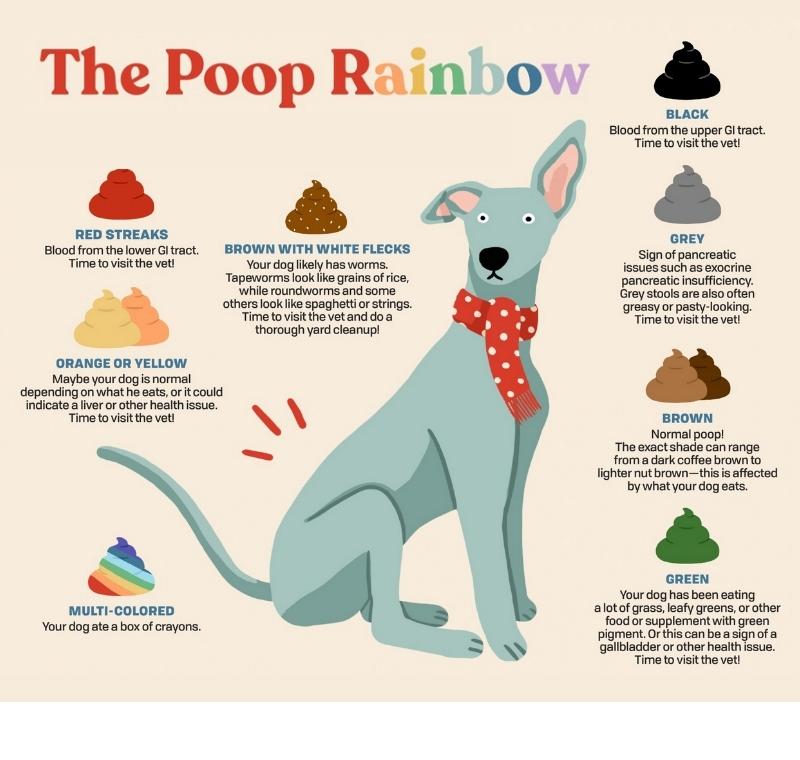
Blood In Stool
Finding blood in your dog’s stool is a clear sign of Stool Abnormalities In Dogs. This symptom often points to serious issues like Canine Bacterial Infections, parasites, or internal injury caused by eating cat feces.
Blood may appear as:
- Bright red streaks on the stool surface
- Dark, tarry stools indicating digested blood
- Mixed blood and mucus
Blood presence means the intestinal lining is damaged. This damage could come from:
- Pet Intestinal Parasites that irritate the gut
- Infections causing inflammation
- Physical trauma to intestines
Always treat blood in stool as an urgent Pet Health Concern. Your vet will perform tests to find the exact cause. Treatment may include antibiotics, antiparasitic medication, or supportive care.
Preventive Measures
Preventive measures play a key role in stopping your dog from eating cat poop and developing diarrhea. Managing this behavior helps avoid dog digestive issues and the health risks linked to cat feces. Understanding how to control your dog’s environment, diet, and training keeps your pet safe and healthy. These simple steps reduce the chances of coprophagia in dogs and the uncomfortable symptoms of canine diarrhea.
Litter Box Management
Proper pet litter box sanitation is essential for preventing your dog from eating cat feces. Keep the litter box clean by scooping it at least twice a day. This removes fresh waste that attracts dogs. Place the litter box in a location that your dog cannot reach easily. Consider using a covered litter box or one with a small entrance to block your dog.
- Clean the litter box daily to reduce odors and temptations.
- Use litter box mats to catch stray litter and reduce mess.
- Keep multiple litter boxes if you have several cats; it reduces waste buildup.
- Train cats to use the box properly to maintain cleanliness.
Good pet hygiene management lowers the risk of dog diarrhea causes linked to consuming contaminated feces. A tidy litter box environment protects both cats and dogs in your home.
Dietary Adjustments
Dog dietary changes can reduce the urge to eat cat poop. Dogs may seek out feces if their diet lacks certain nutrients or fiber. Ensure your dog receives a balanced diet with high-quality protein and fiber. This improves digestion and reduces cravings for foreign objects.
| Diet Element | Benefit for Dogs | Notes |
|---|---|---|
| High-quality protein | Supports muscle health and satiety | Choose meat-based dog foods |
| Fiber (e.g., pumpkin, oats) | Improves digestion and stool quality | Helps reduce coprophagia behavior |
| Probiotics | Supports gut health and immunity | Consult vet for best options |
Consult your vet about diet to address dog diarrhea causes. Proper nutrition reduces dog digestive issues and the temptation to eat cat feces, lowering cat feces health risks.
Training Tips
Effective training dogs to avoid feces is crucial to prevent coprophagia and diarrhea. Use positive reinforcement to teach your dog to ignore cat poop. Reward your dog when they leave feces alone. Consistent commands like “leave it” can help redirect their attention.
- Supervise your dog during outdoor or indoor playtime near cats.
- Use deterrent sprays safe for pets on the litter box area.
- Practice obedience training to improve control over your dog’s behavior.
- Distract with toys or treats when your dog shows interest in feces.
Training combined with pet hygiene management is the best way to stop preventing dog eating feces. Proper training helps reduce the symptoms of canine diarrhea caused by ingesting harmful cat feces.

Credit: darsalud.com.ve
:strip_icc()/hemorrhagic-gastroenteritis-hge-in-dogs-338428_sourcefile-cf185dde0f9045219d9eeaddad015bfe.jpg)
Credit: www.thesprucepets.com
Frequently Asked Questions
Why Does My Dog Eat Cat Poop And Get Diarrhea?
Dogs eat cat poop due to curiosity or nutritional cravings. Cat feces contain different bacteria, which can upset a dog’s stomach, causing diarrhea and digestive issues.
What Symptoms Indicate Diarrhea From Eating Cat Poop?
Symptoms include loose stools, frequent bowel movements, stomach discomfort, and sometimes vomiting. Dogs may also show lethargy or loss of appetite.
How Can I Prevent My Dog From Eating Cat Feces?
Keep litter boxes inaccessible, use covered boxes, and train your dog. Providing a balanced diet and plenty of exercise reduces this behavior.
When Should I See A Vet For Dog Diarrhea?
If diarrhea lasts more than two days, contains blood, or your dog shows dehydration or weakness, consult a vet immediately.
Conclusion
Dog eating cat poop can cause diarrhea and stomach upset. Watch for signs like loose stools, vomiting, or discomfort. Keep your dog away from cat litter boxes to prevent problems. Clean the area regularly to reduce risks. Always give fresh water and a balanced diet to your dog.
If symptoms last or worsen, visit a vet for help. Taking quick action keeps your pet healthy and happy. Stay alert and care for your dog’s wellbeing every day. Simple steps make a big difference.