Choosing the right food for your German Shepherd puppy is one of the most important decisions you’ll make as a dog owner. You want your puppy to grow strong, healthy, and full of energy.
But with so many options out there, it’s easy to feel overwhelmed. What ingredients should you look for? How much protein does your puppy really need? This guide will help you find the best dog food that fits your puppy’s unique needs, so you can watch them thrive every step of the way.
Keep reading to discover what makes good dog food for German Shepherd puppies and how it can set your furry friend up for a lifetime of health.

Credit: germanshepherdpuppiesnc.com
Nutritional Needs
Feeding German Shepherd puppies the right food is very important. Their bodies need special care to grow strong and healthy. A balanced puppy diet helps meet the German Shepherd growth needs. Good puppy food ingredients support strong bones, muscles, and a healthy immune system. Puppy nutrition focuses on giving the right amounts of protein, fats, vitamins, and minerals. These nutrients help puppies develop well and stay active.
Protein Requirements
Protein is a key part of a puppy’s diet. German Shepherd puppies need high protein dog food to build muscles and grow properly. Protein helps repair tissues and supports strong bones. Large breed puppy nutrition should contain enough protein but not too much. Too much protein can strain growing kidneys.
Important points about protein for puppies:
- Look for foods with at least 22-30% protein content.
- Animal-based protein is best, such as chicken, beef, or fish.
- Protein helps with muscle development and energy.
- Balanced amounts support healthy growth without causing harm.
Choosing high protein dog food made for large breeds helps meet German Shepherd growth needs. This supports healthy muscles and good energy levels.
Essential Fats
Healthy fats for puppies are important for many body functions. They provide energy and help keep skin and coat shiny. Fats also support brain development and help the puppy’s immune system. Dha for puppies is a special fat that helps brain and eye growth.
Important healthy fats for puppies include:
- Omega-3 fatty acids like DHA and EPA
- Omega-6 fatty acids for skin and coat health
- Fat sources such as fish oil, flaxseed, and chicken fat
Good puppy food ingredients should have the right balance of fats. This is important for large breed puppy nutrition and puppy immune support. Too little fat can cause dull fur and low energy. Too much fat may cause weight gain and health problems.
Vitamins And Minerals
Canine vitamins and minerals are vital for strong bones, teeth, and overall health. German Shepherd puppies need these nutrients to support their fast growth. Vitamins like A, D, and E help with vision, bone health, and immune function.
Important minerals include:
| Mineral | Role in Puppy Health |
|---|---|
| Calcium | Builds strong bones and teeth |
| Phosphorus | Works with calcium for bone growth |
| Zinc | Supports skin health and immune system |
| Iron | Helps carry oxygen in the blood |
Puppy food ingredients must have a good mix of vitamins and minerals. This helps meet the needs of large breed puppies like German Shepherds. Proper amounts avoid growth problems and keep puppies healthy and strong.
Top Ingredients To Look For
Choosing the right food for a German Shepherd puppy is very important. Good puppy nutrition helps your dog grow strong and healthy. The German Shepherd puppy diet needs to include the best dog food ingredients. These ingredients support energy, growth, and a healthy body. Understanding what to look for in food makes it easier to pick balanced puppy meals. This guide highlights top ingredients to look for in your puppy’s food.
High-quality Meats
Protein sources for puppies are key for muscle and bone growth. High-quality meats provide important amino acids that help your puppy develop. Look for foods where meat is the first ingredient. This means the food has real meat, not just meat by-products or fillers.
Good protein sources for puppies include:
- Chicken
- Beef
- Lamb
- Turkey
- Fish
Meat also contains vitamins for German Shepherds like B vitamins and zinc. These support energy and a strong immune system. Avoid foods with too many fillers or artificial ingredients. Natural dog food additives like glucosamine can help joint health, which is important for active puppies.
| Meat Type | Benefits | Good For |
|---|---|---|
| Chicken | High in protein and easy to digest | Muscle growth, energy |
| Beef | Rich in iron and zinc | Blood health, immune support |
| Fish | Contains omega-3 fatty acids | Brain health, coat shine |
Whole Grains Vs. Grain-free
Healthy carbs for dogs provide energy and fiber for digestion. Whole grains like brown rice and oats are good sources. They contain nutrients and help keep your puppy full. Some puppies need hypoallergenic dog food options, which may include grain-free recipes.
Grain-free puppy food benefits dogs with allergies or sensitive stomachs. These foods use other carb sources like sweet potatoes or peas. However, whole grains are often better for digestion and provide steady energy.
- Whole grains: Brown rice, oats, barley
- Grain-free carbs: Sweet potato, peas, chickpeas
Choosing between whole grains and grain-free depends on your puppy’s needs. Both types can be part of balanced puppy meals. Check for good fiber content to support digestion. A mix of natural ingredients helps keep your puppy happy and active.
Fruits And Vegetables
Fruits and vegetables are natural dog food additives that add vitamins and minerals. These ingredients support your puppy’s immune system and help with digestion. Examples include carrots, blueberries, and spinach.
These foods provide antioxidants and fiber. Antioxidants protect cells from damage. Fiber helps with smooth digestion and keeps the gut healthy. Adding fruits and vegetables balances the diet and adds variety.
- Carrots: High in vitamin A, good for eyes
- Blueberries: Rich in antioxidants
- Spinach: Contains iron and vitamins
- Sweet potatoes: Provide healthy carbs and fiber
Including fruits and vegetables in the German Shepherd puppy diet improves overall health. These natural ingredients work well with high-quality meats and grains. Together, they create the best dog food ingredients for growing puppies.
Types Of Dog Food
Choosing the right food supports Puppy Growth Needs for German Shepherd puppies. Their diet affects puppy nutrition and overall health. Different types of dog food offer various benefits. Understanding these helps provide balanced puppy meals that meet energy and nutrient needs. The right food promotes strong bones, muscles, and a healthy immune system.
Dry Kibble Benefits
Dry kibble is a popular choice for German Shepherd puppies. It offers many advantages that support puppy digestive health and growth.
- Convenient and easy to store: Dry kibble lasts longer than wet food.
- Supports dental health: Crunchy texture helps reduce plaque buildup.
- High-protein dog food options are widely available in kibble form.
- Balances nutrients: Most brands create kibble with essential vitamins and minerals.
- Cost-effective: Usually less expensive than wet or raw diets.
The table below shows some key features of dry kibble compared to other food types:
| Feature | Dry Kibble | Wet Food | Raw/Homemade |
|---|---|---|---|
| Storage | Easy, long shelf life | Short shelf life | Requires refrigeration |
| Cost | Affordable | Moderate to high | Varies, often higher |
| Nutrient Balance | Usually balanced | Balanced but varies | Depends on recipe |
| Dental Health | Helps clean teeth | No effect | Depends on ingredients |
Wet Food Options
Wet food provides moisture and flavor that many puppies enjoy. It can improve puppy nutrition by adding hydration to the diet.
This food type offers:
- Soft texture that is easy to chew and digest.
- High palatability, encouraging picky eaters to eat more.
- Often contains natural dog food options like real meat and vegetables.
- Good for puppies needing extra hydration, especially in dry climates.
- Can be mixed with dry kibble for variety.
Some wet food brands include added canine health supplements such as omega fatty acids and vitamins. These help with skin, coat, and joint health. Watch for foods labeled grain-free dog food if your puppy has sensitivities. Always check ingredients to ensure the food supports the German Shepherd diet and puppy growth needs.
Raw And Homemade Diets
Many owners prefer raw and homemade diets to control ingredients and freshness. These diets can meet specific puppy nutrition needs if planned well.
Key points about raw and homemade diets:
- High in protein from fresh meats and organs.
- Natural dog food options allow avoiding fillers and artificial additives.
- Requires careful balance of vitamins, minerals, and fats for puppy growth needs.
- Can include vegetables and fruits for extra nutrients and fiber.
- Time-consuming to prepare and may need veterinary guidance.
Owners must ensure meals provide balanced puppy meals to avoid nutrient gaps. Consulting a vet about canine health supplements is helpful. Raw diets may support strong immune systems and shiny coats. Safety is important: proper handling and hygiene reduce risks of bacteria. Homemade meals let owners customize for allergies or preferences, but require effort and knowledge.
Brands Recommended For German Shepherds
Choosing the right food is very important for German Shepherd puppies. These dogs need special care because they grow fast and get big. Good dog food helps with strong bones, healthy muscles, and good energy. Brands recommended for German Shepherds offer formulas that match their needs. They include Puppy Nutrition and Large Breed Puppy Formula to support healthy growth. This guide shows some top food brands for your puppy.
Premium Brands
Premium brands provide high-quality ingredients and focus on balanced puppy meals. These foods often contain High-Protein Dog Food to help build muscles. They also use real meat as the first ingredient. Many premium foods are grain-free dog food, which helps puppies with sensitive stomachs. These brands usually add puppy growth supplements to support bones and joints.
Here are some common features of premium brands:
- Vet-recommended dog food for large breed puppies
- Rich in vitamins and minerals
- Carefully chosen puppy food ingredients
- Supports immune system and digestion
These foods may cost more, but they often give better results in puppy health. The focus is on long-term wellness, not just filling up the puppy.
Budget-friendly Choices
Affordable puppy food options can still provide good nutrition. Some brands offer formulas that meet German Shepherd diet needs without high prices. These foods may have a mix of meat and grains but keep protein levels good. It is important to check the label for large breed puppy formula to avoid too much calcium or fat.
Benefits of budget-friendly choices:
- Good balance of protein and carbohydrates
- Includes essential vitamins for puppy growth
- Widely available in stores and online
- Usually tested for safety and nutrition
Choosing affordable options can help families feed their puppies well without spending too much. These foods can support strong bones and healthy muscles if fed properly.
Specialty Formulas
Specialty formulas target specific needs of German Shepherd puppies. Some are made for puppies with allergies or sensitive stomachs. Others focus on extra puppy growth supplements for joint health. These foods often use limited ingredients to avoid reactions. Many specialty foods are grain-free dog food to help digestion and reduce allergies.
Common types of specialty formulas include:
| Type | Focus | Key Ingredients |
|---|---|---|
| Hypoallergenic | Reduce allergies | Novel proteins, no common allergens |
| Joint Support | Improve bone and joint health | Glucosamine, chondroitin, omega-3 |
| Weight Control | Maintain healthy weight | Lower fat, high fiber |
Specialty formulas are often recommended by vets to meet unique puppy needs. They help ensure puppies stay healthy and happy during growth.
Feeding Guidelines
Feeding a German Shepherd puppy the right food is very important. Good dog food helps with strong bones, shiny coat, and healthy growth. A balanced puppy meal gives all needed nutrients for a happy, active puppy. Puppy nutrition must include enough protein, vitamins, and minerals. Feeding guidelines help you give the right food amount and keep your puppy healthy. This guide covers portion sizes, feeding frequency, and how to adjust diet for your puppy’s growth stage.
Portion Sizes By Age
Portion control for puppies varies as they grow. Young puppies need smaller meals but more often. As they get older, the amount of food changes to fit their size and energy. Protein requirements for puppies are higher during early growth. Good puppy food brands make it easy to follow portion sizes on the package. Here is a simple guide for portion sizes by age for a German Shepherd puppy:
| Age | Daily Food Amount (cups) | Notes |
|---|---|---|
| 6-8 weeks | 1 to 1.5 | Small, frequent meals help puppy digestive health |
| 8-12 weeks | 2 to 3 | Increase protein for growth stage nutrition |
| 3-6 months | 3 to 4 | Balanced puppy meals support muscle development |
| 6-12 months | 4 to 5 | Adjust portions as activity level changes |
Giving the right portion size helps avoid weight problems. Too much food can cause obesity. Too little food can slow growth and affect health. Healthy puppy treats are good but should be part of the daily food amount.
Feeding Frequency
A good puppy feeding schedule helps your German Shepherd stay healthy. Puppies need more meals than adult dogs because they digest food faster. Feeding frequency changes as puppies grow. Small, frequent meals help puppy digestive health and keep energy steady.
- 6 to 12 weeks: Feed 4 times a day to match puppy metabolism.
- 3 to 6 months: Feed 3 times a day to balance growth needs.
- 6 to 12 months: Feed 2 times a day as puppy slows growth.
Keeping a regular feeding time helps puppies learn good habits. Avoid leaving food all day; this can cause overeating. Balanced puppy meals given on time improve digestion and nutrient use. Healthy puppy treats can be given between meals but keep portions small. Water should always be fresh and available.
Adjusting Diet For Growth
Growth stage nutrition is very important for German Shepherd puppies. As the puppy grows, protein requirements for puppies change. Younger puppies need high protein for muscle and brain growth. Older puppies need balanced puppy meals with moderate protein and fat.
Watch your puppy’s weight and energy. Adjust the food if the puppy is too thin or too heavy. Use the following tips to adjust the diet:
- Increase food by 10% if the puppy is very active or growing fast.
- Reduce food if the puppy gains too much weight quickly.
- Choose best puppy food brands that offer formulas for different growth stages.
- Include healthy puppy treats as rewards, but avoid overfeeding.
- Consult a vet to make sure the German Shepherd puppy diet meets all needs.
Proper diet adjustment helps support healthy bones, joints, and energy. Balanced puppy meals along with portion control for puppies keep your dog strong and happy during all growth stages.

Credit: kdfoundation.org
Common Allergies And Sensitivities
Feeding German Shepherd puppies the right food is very important for their health. Good dog food helps with puppy growth nutrition and supports strong bones and muscles. Some puppies have trouble with certain foods. Food allergies in puppies and managing food sensitivities are key parts of choosing the best food. Understanding common allergies and sensitivities helps pick the right puppy food ingredients that suit your dog’s needs.
Identifying Food Allergies
Food allergies can cause discomfort in German Shepherd puppies. Signs may include itching, redness, or stomach problems. Some common symptoms are:
- Scratching and skin irritation
- Excessive licking of paws
- Vomiting or diarrhea
- Ear infections
Allergies often come from specific ingredients in the diet. Common allergy triggers include:
- Beef and chicken proteins
- Grains like wheat, corn, and soy
- Dairy products
Tracking your puppy’s reactions after meals can help find the cause. Keeping a food diary is useful. A vet may suggest tests to confirm the allergy. Early detection helps keep your puppy healthy and comfortable.
Hypoallergenic Options
Hypoallergenic dog food is made to avoid common allergy triggers. These foods focus on easy-to-digest ingredients. They are ideal for puppies with sensitive stomachs or allergies. Many hypoallergenic dog foods use:
- Novel proteins like duck, venison, or fish
- Grain-free dog food formulas to reduce grain-related reactions
- Limited ingredient recipes to lower risk of allergies
Choosing the right hypoallergenic dog food can improve your puppy’s comfort. These options provide enough protein for German Shepherds without causing reactions. Always check the ingredient list. Avoid foods with artificial colors, flavors, or preservatives. This helps maintain a healthy German Shepherd diet and supports strong growth.
Managing Sensitivities
Managing food sensitivities requires careful attention to diet. Sensitive puppies may need special sensitive stomach dog food. These foods are gentle and support good digestion. Tips for managing sensitivities include:
- Feeding smaller, frequent meals
- Introducing new foods slowly
- Using high-quality puppy food ingredients with balanced nutrients
- Avoiding sudden diet changes to prevent stomach upset
Working with a vet helps create a feeding plan. This plan will support puppy nutrition and avoid flare-ups. Keeping an eye on your puppy’s health is important. Good food choices lead to a happy, healthy German Shepherd puppy.
Supplements And Additives
German Shepherd puppies need special care and a balanced diet. Feeding them the right dog food supports their strong growth and health. High-protein dog food helps build muscles and energy. Along with food, supplements and additives play a key role in puppy nutrition. These extras help with healthy puppy digestion, joint health, and the immune system. Choosing the right supplements can support German Shepherd growth and overall wellbeing.
Omega-3 Fatty Acids
DHA for puppies is a type of omega-3 fatty acid important for brain and eye development. It is a vital part of puppy nutrition, especially for German Shepherds. These fatty acids also help reduce inflammation and support the immune system.
Common sources of omega-3 in dog food or supplements include:
- Fish oil
- Flaxseed oil
- Algal oil
Adding omega-3 fatty acids to a breed-specific dog food can improve coat shine and skin health. It also supports healthy puppy digestion by reducing gut inflammation. Puppies with a proper balance of omega-3 tend to have better focus and learning ability.
| Benefit | Effect on German Shepherd Puppies |
|---|---|
| Brain Development | Improves learning and memory |
| Eye Health | Supports clear vision |
| Skin and Coat | Promotes shine and reduces dryness |
| Immune System Support | Reduces inflammation and boosts defenses |
Joint Support Supplements
German Shepherd puppies grow fast, which can stress their joints. Glucosamine for joints is a common supplement to protect and repair cartilage. It helps keep joints flexible and reduces the risk of arthritis later in life.
Other key joint support supplements include:
- Chondroitin
- Methylsulfonylmethane (MSM)
- Omega-3 fatty acids (also help joints)
High-protein dog food with added joint supplements supports strong bones and muscles. These supplements work best with a balanced puppy diet that includes essential vitamins for puppies. Early joint care helps German Shepherd growth stay smooth and healthy.
Here is a simple guide to joint supplements:
| Supplement | Main Benefit | How It Helps Puppies |
|---|---|---|
| Glucosamine | Cartilage repair | Reduces joint pain and improves mobility |
| Chondroitin | Inflammation control | Protects cartilage and supports joint health |
| MSM | Tissue repair | Reduces inflammation and supports joint comfort |
Probiotics For Digestion
Healthy puppy digestion is key for nutrient absorption and strong immunity. Probiotics are good bacteria that help balance the gut. They improve digestion and reduce stomach problems like gas and diarrhea.
Adding probiotics to a balanced puppy diet supports the immune system. German Shepherd puppies benefit from probiotics because they often have sensitive stomachs. These supplements also help keep the gut healthy during diet changes or stress.
- Promote nutrient absorption
- Help fight harmful bacteria
- Support immune system health
Common probiotic strains found in dog food or supplements include:
- Lactobacillus acidophilus
- Bifidobacterium
- Enterococcus faecium
Probiotics work best when combined with high-protein dog food that provides essential vitamins for puppies. Together, they create a strong foundation for growth and health in German Shepherd puppies.
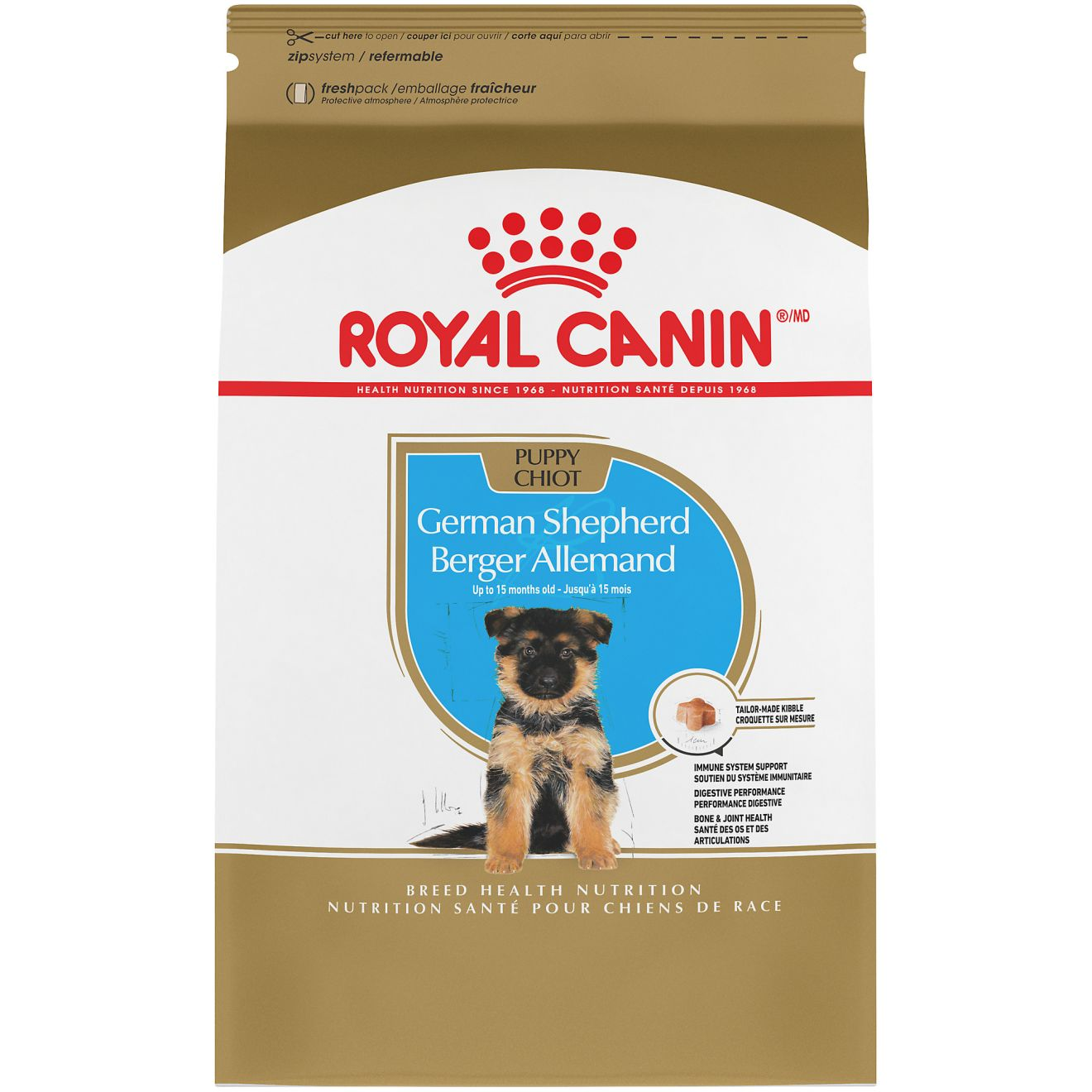
Credit: www.royalcanin.com
Transitioning To Adult Food
The German Shepherd Diet needs special care, especially for puppies. Choosing the best puppy food helps support puppy growth stages and keeps them strong. Good puppy nutrition means feeding food with the right balance of protein and nutrients. High-protein dog food is important for muscle development and energy. As puppies grow, their needs change, so transitioning puppy food is a key step. This guide talks about transitioning to adult food for German Shepherd puppies. It covers when to switch, how to make the change, and what signs to watch for.
When To Switch
Knowing the right time to switch from puppy food to adult food is important. Most German Shepherd puppies need high-protein dog food during their early months. But after some time, their body needs change.
The usual time to start transitioning puppy food is between 12 to 18 months. At this age, puppies reach the end of their rapid growth phase. Switching too early or too late can cause problems.
- Switch too early: Puppies may not get enough nutrients for strong bones and muscles.
- Switch too late: Puppies may get extra calories, leading to weight gain.
Each puppy grows at a different pace. The feeding schedule for puppies should reflect their growth and energy needs. Ask your vet about the best time to switch.
Gradual Transition Tips
Changing from puppy food to adult food should be done slowly. A sudden change can upset the puppy’s stomach and affect puppy digestive health. Follow these steps for a smooth switch:
- Start by mixing 25% adult food with 75% puppy food.
- After 3 to 4 days, change to 50% adult and 50% puppy food.
- Next, mix 75% adult food with 25% puppy food for a few days.
- Finally, feed only adult food.
This gradual change helps the puppy’s stomach adjust. Watch for signs of upset, like vomiting or diarrhea. If these happen, slow the transition down.
| Day | Puppy Food (%) | Adult Food (%) |
|---|---|---|
| 1-4 | 75 | 25 |
| 5-8 | 50 | 50 |
| 9-12 | 25 | 75 |
| 13+ | 0 | 100 |
Signs Of Readiness
Knowing the signs of healthy puppy development helps decide when to switch food. Look for these signs:
- Stable weight: Puppy grows steadily without sudden weight gain or loss.
- Strong teeth and bones: Puppy’s teeth and bones look healthy and strong.
- Good energy levels: Puppy stays active but not overly hyper.
- Healthy coat: Fur is shiny and soft, showing good nutrition.
- Normal digestion: No frequent diarrhea or vomiting.
When these signs appear, the puppy is likely ready for adult food. Also, check with a vet to confirm. A healthy transition helps support lifelong health and energy.
Frequently Asked Questions
What Is The Best Dog Food For German Shepherd Puppies?
The best dog food for German Shepherd puppies is high in protein and fat. It supports their growth, strong bones, and muscle development. Look for quality ingredients like chicken, lamb, and whole grains. Avoid fillers, artificial additives, and by-products for optimal health.
How Often Should German Shepherd Puppies Be Fed Daily?
German Shepherd puppies should be fed three to four times daily. Frequent meals ensure steady energy and better digestion. Gradually reduce feeding to two meals a day by six months. Regular feeding schedules help maintain their metabolism and prevent overeating.
Can German Shepherd Puppies Eat Grain-free Dog Food?
Yes, German Shepherd puppies can eat grain-free dog food if they have allergies or sensitivities. Grain-free diets often use alternative carbs like sweet potatoes or peas. However, consult your vet before switching to grain-free food to ensure balanced nutrition and avoid deficiencies.
What Ingredients Should I Avoid In German Shepherd Puppy Food?
Avoid dog foods with artificial colors, flavors, and preservatives. Steer clear of by-products, fillers like corn, soy, and wheat. These ingredients offer little nutrition and may cause allergies. Choose foods with natural, whole ingredients for better puppy health and growth.
Conclusion
Choosing good dog food helps your German Shepherd puppy grow strong. Healthy food supports their bones, muscles, and energy. Puppies need protein, vitamins, and minerals every day. Always pick food made for large breed puppies. Watch how your puppy reacts to new food.
Keep fresh water nearby at all times. Feeding your puppy right builds a happy, healthy dog. A good diet means fewer health problems later. Careful food choices show you love and protect your puppy. Simple steps now lead to a bright future for your dog.