Choosing the right food for your large breed puppy is one of the most important decisions you’ll make as a pet owner. Your puppy needs the right balance of nutrients to grow strong and healthy without putting too much strain on developing bones and joints.
But with so many options out there, how do you know which dog food is truly good for your big furry friend? You’ll discover the key ingredients to look for, common mistakes to avoid, and top recommendations to give your puppy the best start in life.
Keep reading to make sure you’re giving your large breed puppy the nutrition they deserve.
Nutritional Needs
Choosing good dog food for large breed puppies is very important. Large breed puppies have special puppy dietary needs to support their fast growth. Their food must help with healthy puppy weight gain and support joint health in puppies. Meeting these puppy growth requirements ensures strong bones, muscles, and overall health. The right balance of nutrients helps these puppies grow well without problems.
Protein Requirements
Protein is a key part of large breed puppy nutrition. It helps build muscles and supports energy. Large breed puppies need enough protein to grow strong but not too much. Too much protein can stress their kidneys. The right amount supports healthy puppy weight gain and muscle development.
Good large breed puppy formulas usually contain between 22% to 30% protein. This helps meet their puppy growth requirements without causing harm.
- High-quality protein sources: chicken, fish, lamb, and eggs
- Protein supports: muscle growth, repair, and energy
- Too little protein: weak muscles, poor growth
- Too much protein: kidney stress, imbalance in diet
Balanced dog food with the right protein level helps large breed puppies grow healthy and strong.
Calcium And Phosphorus Balance
The calcium phosphorus ratio is very important for large breed puppies. These minerals build strong bones and teeth. Too much or too little of either can cause bone problems. Maintaining the right ratio supports joint health in puppies and prevents bone diseases.
Large breed puppies need a calcium phosphorus ratio close to 1.2:1 to 1.4:1. This means slightly more calcium than phosphorus.
| Mineral | Role | Recommended Ratio |
|---|---|---|
| Calcium | Bone and teeth development | 1.2 to 1.4 parts |
| Phosphorus | Bone strength and energy | 1 part |
Improper balance can lead to weak bones or joint problems. Large breed puppy formulas are made to keep this ratio balanced.
Essential Fatty Acids
Essential fatty acids are vital for brain and coat health. They also help reduce inflammation in joints. Large breed puppies need these fats to support joint health in puppies and overall growth.
Dha for puppies is a type of fatty acid very important for brain development. It also helps puppies learn and stay alert. Omega-3 and Omega-6 fatty acids keep the skin and coat healthy and shiny.
- Dha for puppies: supports brain and eye development
- Omega-3 fats: reduce joint inflammation
- Omega-6 fats: improve skin and coat health
- Balanced dog food contains the right amount of these fats
Feeding large breed puppies food rich in essential vitamins for puppies and fatty acids ensures strong bodies and healthy minds.
Top Ingredients
Choosing the right dog food for large breed puppies is very important. Large breed puppies grow fast and need special care. Their food must meet their unique needs. This means the food should have the right nutrients. Good dog food supports healthy bones and muscles. It also helps maintain joint health and strong immunity. Understanding the top ingredients helps you pick the best food. These ingredients include proteins, grains, vitamins, and minerals. Each plays a key role in puppy growth requirements and overall health.
High-quality Proteins
Proteins are the building blocks for strong muscles and tissues. Large breed puppies need high-quality proteins to support their fast growth. These proteins provide essential amino acids. Amino acids help repair tissues and support immune health. Look for protein sources like chicken, beef, fish, or lamb in puppy food ingredients.
Important points about proteins:
- Dha for puppies supports brain development and improves learning.
- Proteins help build strong muscles and healthy skin.
- Too much protein can strain kidneys, so balance is key.
- Animal-based proteins are better absorbed than plant proteins.
Here is a comparison of protein sources for large breed puppy nutrition:
| Protein Source | Benefits | Considerations |
|---|---|---|
| Chicken | High in essential amino acids, easy to digest | May cause allergies in some puppies |
| Fish | Rich in DHA and Omega-3 fatty acids | Good for brain and skin health |
| Beef | Rich in iron and zinc | Can be higher in fat |
Whole Grains And Carbohydrates
Whole grains and carbohydrates are important for energy. Large breed puppies need energy to play and grow. Foods with whole grains release energy slowly. This helps maintain steady energy levels. Some puppies do well with grain-free puppy food, but many need whole grains for fiber.
Benefits of whole grains and carbs:
- Provide energy for growth and activity.
- Support healthy digestion with fiber.
- Help keep blood sugar stable.
- Contain vitamins like B-complex for metabolism.
Common whole grains found in puppy food:
| Grain | Benefits | Notes |
|---|---|---|
| Brown Rice | Good fiber, easy to digest | Gluten-free |
| Oats | High in fiber and vitamins | May improve digestion |
| Barley | Rich in fiber, supports gut health | Contains gluten |
Vitamins And Minerals
Vitamins and minerals are essential for puppy immune support and growth. Large breed puppies need the right balance of these nutrients. Calcium levels are very important for bone development. Too much calcium can harm bones. Too little can cause weak bones. Joint health supplements help protect growing joints from stress.
Key vitamins and minerals for large breed puppies:
- Calcium – Supports strong bones and teeth.
- Phosphorus – Works with calcium for bone health.
- Vitamin D – Helps absorb calcium.
- Vitamin E – Supports the immune system.
- Zinc – Important for skin and coat health.
Example of balanced vitamin and mineral content for large breed puppy feeding guide:
| Nutrient | Recommended Level | Role in Puppy Health |
|---|---|---|
| Calcium | 0.8% – 1.2% | Bone growth and strength |
| Phosphorus | 0.6% – 1.0% | Bone formation and energy |
| Vitamin D | 500 – 1,000 IU/kg | Calcium absorption |
| Vitamin E | 50 IU/kg | Immune support |
Avoiding Harmful Components
Choosing the best puppy food for large breeds matters a lot. Large breed puppies have special needs called puppy growth requirements. Their bones and joints grow fast. Feeding them right helps avoid problems later. Balanced diet for large breed puppies means giving the right mix of nutrients. It also means avoiding harmful components in dog food. Some ingredients can hurt your puppy’s health. Knowing what to skip is very important.
Artificial Additives
Avoiding artificial additives in dog food is key for healthy dog food ingredients. These include artificial colors, flavors, and preservatives. They do not help puppies grow. Instead, they can cause allergies and upset stomachs.
Common artificial additives to watch for:
- Artificial colors: These are added to make food look better but have no nutrition.
- Artificial flavors: These add taste but can cause reactions in sensitive puppies.
- Artificial preservatives: Chemicals like BHA, BHT keep food fresh but may harm health over time.
Natural dog food for puppies uses natural preservatives like vitamin E and C. This keeps food fresh without added chemicals. Choosing food without artificial additives helps support large breed puppy nutrition safely. It supports strong bones and a healthy immune system.
Excess Fillers
Fillers in dog food are ingredients that add bulk but little nutrition. Large breed puppies need high-quality protein for puppies and other nutrients, not fillers. Too many fillers can cause poor growth and low energy.
Common fillers to avoid:
- Corn and wheat: Cheap sources of carbs, often cause allergies.
- Soy: Low protein quality and hard to digest.
- By-products: Low-quality parts of animals that provide less nutrition.
Large breed puppies need food rich in meat and healthy ingredients. Fillers take space from these important parts. Foods with excess fillers may not meet puppy growth requirements. Always read labels carefully to ensure a balanced diet for large breed puppies.
| Ingredient Type | Effect on Puppies | Recommended? |
|---|---|---|
| High-Quality Protein | Supports muscle and bone growth | Yes |
| Fillers (Corn, Wheat, Soy) | Low nutrition, may cause allergies | No |
| By-Products | Less nutritious, harder to digest | No |
Unhealthy Fats
Fats are important in dog food but not all fats are good. Large breed puppies need omega fatty acids for puppies. These fats help brain and coat health. Unhealthy fats can cause weight gain and joint problems.
Types of fats to avoid:
- Trans fats: Found in some processed foods, bad for heart and joints.
- Saturated fats: Too much can cause obesity and poor health.
- Artificial fat sources: Chemicals added to extend shelf life but harmful.
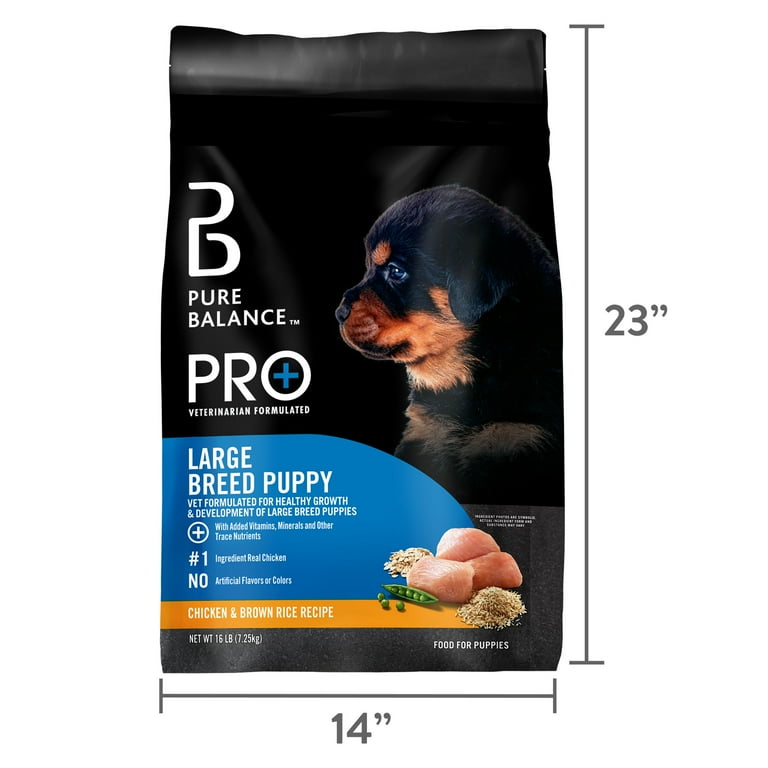
Healthy dog food ingredients include natural fats from fish oils and chicken fat. These provide energy and support large breed puppy nutrition. Choosing foods with good fats helps puppies grow strong and healthy without extra weight.
Credit: www.walmart.com
Recommended Brands
Choosing the right dog food is key for large breed puppies. Their needs differ from small breeds. Large breed puppies need a balanced diet for large breed dogs to support puppy growth and development. Proper nutrition helps with joint health in large breed puppies and overall strength. The food should be rich in protein but not too rich to avoid fast growth problems. Selecting the best dog food for large puppies can be tricky. Trusted brands offer different types of food. This guide covers recommended brands with options for every budget and preferences.
Premium Options
Premium dog foods provide a high protein puppy food formula. These foods are crafted to support strong muscles and bones. They often contain puppy food with DHA, which helps brain and eye development. High-quality ingredients are common, such as real meat and vegetables.
- Grain-free large breed puppy food is popular in this category for puppies with sensitivities.
- These brands focus on large breed puppy nutrition with balanced calcium and phosphorus.
- Often, premium foods include supplements for joint health in large breed puppies.
Here is a comparison table of some premium options:
| Brand | Main Protein | Special Features | Price Range |
|---|---|---|---|
| Brand A | Chicken | DHA, Joint Support, Grain-Free | High |
| Brand B | Salmon | Rich in Omega-3, Balanced Minerals | High |
| Brand C | Beef | Glucosamine, No Fillers | High |
Budget-friendly Choices
Affordable puppy food options can still offer good nutrition. These foods support puppy growth and development without extra cost. They contain enough protein and nutrients for healthy bones and muscles. Some brands focus on the balanced diet for large breed dogs but with simpler ingredients.
- Look for foods labeled as vet recommended puppy food to ensure safety.
- Many budget brands include added vitamins and minerals.
- These options often contain grains but still support joint health in large breed puppies.
Some affordable brands offer:
| Brand | Main Protein | Key Features | Price Range |
|---|---|---|---|
| Brand X | Chicken Meal | Added DHA, Balanced Minerals | Low |
| Brand Y | Turkey | Supports Joint Health, Affordable | Low |
| Brand Z | Lamb | Complete Nutrition, Grain-Inclusive | Low |
Veterinarian-approved Foods
Foods approved by vets focus on health and safety. These brands provide formulas that support puppy growth and development with balanced nutrients. They often have added ingredients to help joint health in large breed puppies. Some include puppy food with DHA for brain health.
Vets recommend these foods for puppies with special needs or sensitivities. They help maintain a balanced diet for large breed dogs during critical growth phases.
- Usually tested to meet or exceed nutritional standards.
- Often used in clinical settings or pet hospitals.
- Focus on controlled protein and mineral levels for safe growth.
Examples of vet-approved brands include:
| Brand | Main Protein | Vet Benefits | Price Range |
|---|---|---|---|
| Brand Vet1 | Chicken | Joint Support, DHA, Controlled Minerals | Medium |
| Brand Vet2 | Fish | Hypoallergenic, Brain Development | Medium |
| Brand Vet3 | Beef | Strong Bones, Balanced Protein | Medium |
Feeding Guidelines
Choosing the Best Puppy Food For Large Breeds is key to Large Breed Puppy Health. Feeding the right food supports strong bones and muscles. A Balanced Diet For Puppies helps avoid health problems later. Understanding Large Breed Puppy Nutrition means knowing how much and when to feed. This guide covers important Feeding Guidelines for your puppy’s growth and well-being.
Portion Sizes
Correct Canine Portion Control is essential for Optimal Puppy Feeding. Large breed puppies need enough food to grow, but not too much. Overfeeding can cause joint problems and obesity. Underfeeding slows growth and weakens the immune system.
Portion sizes depend on age, weight, and activity. Check the puppy food label for recommended amounts. These are a good starting point but adjust as needed.
- Young puppies (8-12 weeks): Smaller, frequent meals help digestion.
- 3-6 months: Increase portions gradually as the puppy grows.
- 6-12 months: Portion sizes stabilize but watch for weight changes.
| Age | Average Portion Size (cups per day) | Notes |
|---|---|---|
| 8-12 weeks | 1 – 1.5 | Feed 4 times a day |
| 3-6 months | 2 – 3 | Feed 3 times a day |
| 6-12 months | 3 – 4 | Feed 2 times a day |
Always watch your puppy’s body condition. Adjust portions to keep a healthy weight.
Feeding Frequency
A good Feeding Schedule For Puppies supports healthy digestion and energy levels. Large breed puppies need meals spaced to avoid stress on growing bones.
Young puppies have small stomachs. They need more frequent meals to get enough nutrition without discomfort.
- 8 to 12 weeks: Four small meals a day help steady growth.
- 3 to 6 months: Three meals a day provide enough energy and nutrients.
- 6 to 12 months: Two meals a day is enough as the puppy grows.
Regular feeding times help puppies learn routine and improve digestion. Avoid letting food sit out too long to keep it fresh and safe.
Consistent meal times also support Large Breed Puppy Nutrition. This helps maintain energy and healthy weight.
Adjusting For Growth
Adjusting Puppy Meals is important as your puppy grows fast. Growth rates change and so do nutritional needs. Watch your puppy’s weight, energy, and body shape closely.
Signs to adjust food:
- Gaining too much weight quickly
- Not gaining weight or looking thin
- Changes in activity level
Make small portion changes rather than big jumps. Consult your vet for specific advice. The right Puppy Growth Diet supports strong bones and joints without overloading calories.
Choose food with good Puppy Food Ingredients like protein, fat, vitamins, and minerals. These nutrients help with healthy muscle and bone development.
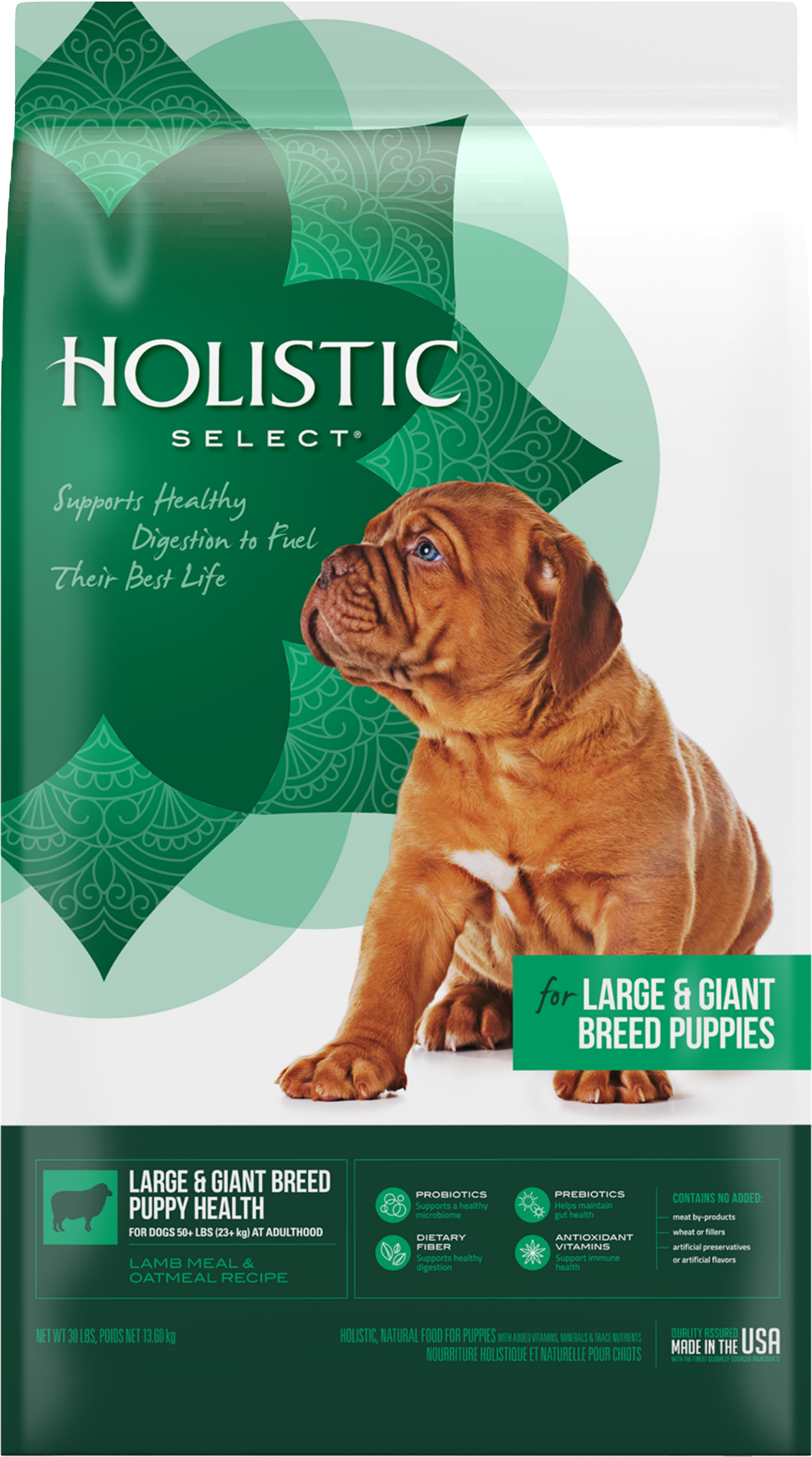
Regularly review feeding amounts as your puppy moves through growth stages. This keeps feeding balanced and supports Large Breed Puppy Health long term.
Credit: www.holisticselect.com
Special Considerations
Choosing good dog food for large breed puppies needs special care. Large breed puppies grow fast and have unique needs. Their food should support strong bones and muscles. A balanced diet for puppies helps keep them healthy. Large breed puppy nutrition focuses on the right amount of protein, fat, and vitamins. Some foods include joint health supplements to protect growing joints. It is important to pick puppy food for large breeds that suits their needs. Special considerations like allergies, weight, and food changes matter a lot.
Allergies And Sensitivities
Many large breed puppies have allergies or sensitivities that affect their health. These problems can cause itching, ear infections, or stomach upset. Choosing hypoallergenic dog food or sensitive stomach dog food can help reduce these issues. Such foods often avoid common allergens like wheat, soy, or corn. Grain-free puppy food is also popular for dogs with food sensitivities.
Signs of allergies or sensitivities include:
- Itchy skin or constant scratching
- Red or inflamed ears
- Frequent vomiting or diarrhea
- Excessive licking of paws
Discuss symptoms with a vet before switching foods. A vet can recommend the best hypoallergenic dog food or formulas with limited ingredients. This helps keep puppies comfortable and healthy while growing strong.
Weight Management
Large breed puppies need careful weight control to avoid joint problems. Weight control dog food is designed to provide enough energy without excess calories. This food supports steady growth and helps prevent obesity. Obesity can cause stress on bones and joints, leading to arthritis later.
Key points for weight management:
- Choose weight control dog food with balanced nutrients
- High protein puppy food helps build muscle, not fat
- Feed measured portions, not free feeding
- Regular exercise is important to keep weight healthy
Tracking weight and body condition ensures the puppy stays at a good size. A healthy weight supports joint health supplements and overall large breed puppy nutrition.
Transitioning Foods
Changing a puppy’s food requires care to avoid stomach upset. Transitioning puppy food slowly over 7 to 10 days helps puppies adjust. Mix increasing amounts of new food with the old food each day. This method reduces digestive issues and helps maintain appetite.
| Days | Old Food (%) | New Food (%) |
|---|---|---|
| 1-3 | 75 | 25 |
| 4-6 | 50 | 50 |
| 7-9 | 25 | 75 |
| 10 | 0 | 100 |
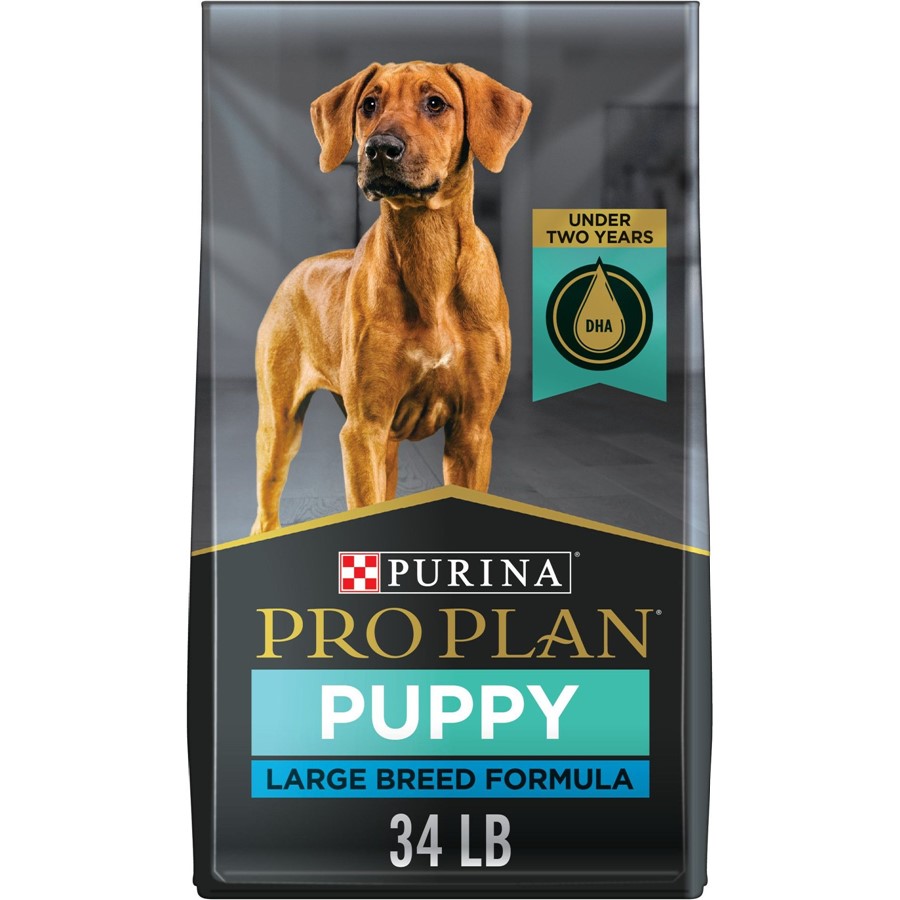
Transitioning slowly keeps the puppy’s stomach calm. Using a high protein puppy food or balanced diet for puppies during transition supports growth. It is best to choose large breed puppy nutrition foods that include joint health supplements and nutrients for sensitive stomach dog food needs.
Credit: www.petcarerx.com
Frequently Asked Questions
What Ingredients Are Best For Large Breed Puppy Food?
Large breed puppy food should include high-quality protein, healthy fats, and controlled calcium levels. Ingredients like chicken, fish, brown rice, and vegetables support growth and joint health. Avoid fillers and artificial additives to ensure balanced nutrition tailored for large breed puppies.
How Much Food Does A Large Breed Puppy Need Daily?
Large breed puppies typically need 3 to 4 meals a day. Portion size depends on age, weight, and activity level. Follow feeding guidelines on the dog food package and consult your vet for precise amounts to avoid overfeeding or underfeeding.
Why Is Calcium Important In Large Breed Puppy Food?
Calcium regulates bone growth and development in large breed puppies. Proper calcium levels prevent joint problems and skeletal deformities. Excessive calcium can cause harm, so balanced calcium content is vital for healthy bone formation and overall growth.
Can I Feed Large Breed Puppies Adult Dog Food?
Feeding adult dog food to large breed puppies is not recommended. Puppy food has specific nutrients for growth, including extra protein and calories. Adult food lacks these essentials, which can hinder development and lead to health issues in growing large breed puppies.
Conclusion
Choosing the right food helps large breed puppies grow strong and healthy. Balanced nutrition supports their bones and muscles well. Good dog food gives energy for play and learning. Always check ingredients and feeding guidelines carefully. Healthy puppies become happy adult dogs.
Your care today makes a big difference tomorrow. Keep your puppy’s needs in mind every day. Feeding well is a simple step to lasting health.