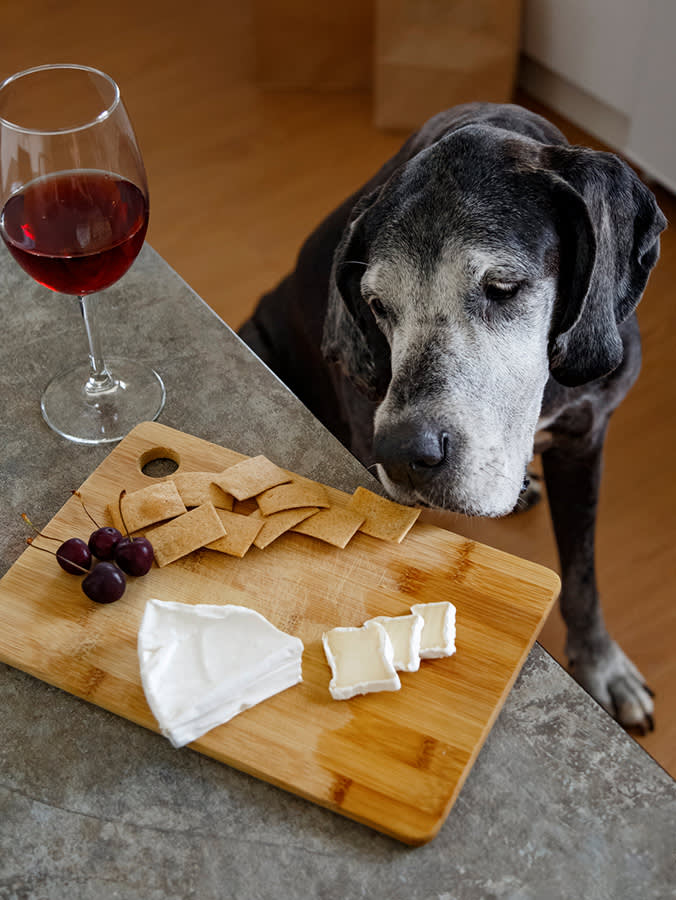
Dogs and cheese—it sounds like a happy combination. Many dog owners have seen their pets’ eyes light up at the sound or smell of cheese. But is cheese safe for dogs? And if so, what cheese can dogs eat without risk to their health?
Understanding which cheeses are good, how much to offer, and the risks involved is crucial for anyone who wants to share this tasty treat with their pet. If you care about your dog’s nutrition and want to avoid common mistakes, you need clear, honest information.
This guide will help you make smart, safe choices about cheese and your dog.
Why Cheese Appeals To Dogs
Cheese is rich in protein, fat, and calcium. Its strong smell and creamy taste make it tempting for dogs. Many trainers use cheese as a high-value reward during training because most dogs are eager to earn more. The soft texture allows you to hide pills inside, making medicine time easier for both you and your pet.
However, just because dogs enjoy cheese does not mean every cheese is safe. Some types can cause health issues, and even safe cheeses should be given in moderation.
Can Dogs Eat Cheese? The Science Explained
Dogs are not naturally adapted to eat dairy. While many dogs tolerate small amounts, others are lactose intolerant. This means their bodies do not produce enough lactase, the enzyme needed to digest lactose (the sugar in milk). Eating cheese can lead to stomach upset, diarrhea, or gas in sensitive dogs.
A 2020 study in the journal “Animals” showed that about 25% of adult dogs have noticeable lactose intolerance, but most can handle small amounts of low-lactose cheese. Puppies, on the other hand, produce more lactase and are better at digesting dairy—though too much can still be harmful.
Credit: www.woolyyarn.com
Benefits Of Cheese For Dogs
Cheese, when chosen and given carefully, can offer some benefits:
- Protein source: Helps muscle maintenance and repair.
- Calcium: Supports bone health and teeth.
- Training reward: Highly motivating for most dogs.
- Medication helper: Useful for hiding pills.
But these benefits come with conditions. The type, amount, and frequency of cheese matter a lot. Not all cheese is equal.
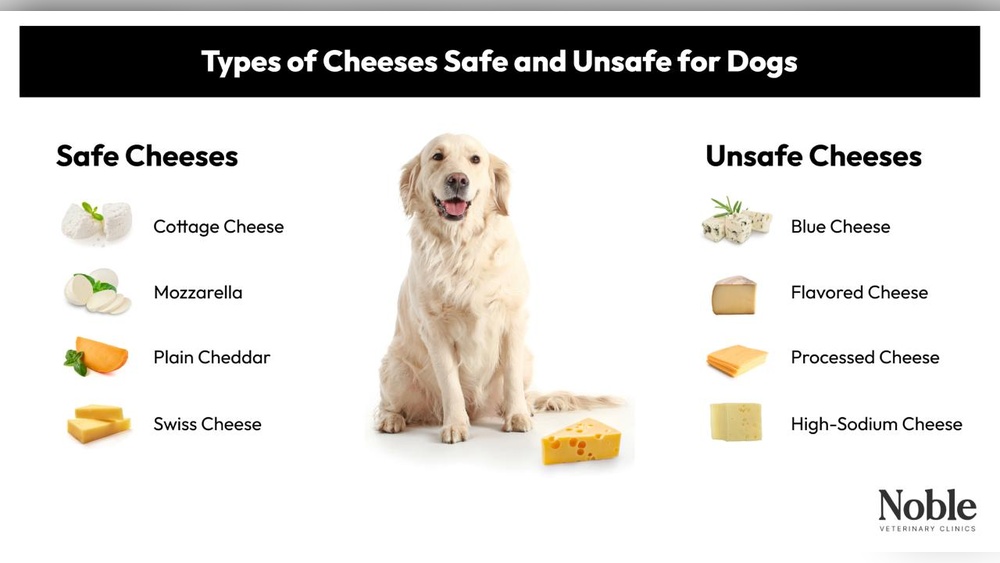
The Safest Cheeses For Dogs
Some cheeses are much safer for dogs than others. The safest options share these features: low lactose, low fat, and minimal added ingredients.
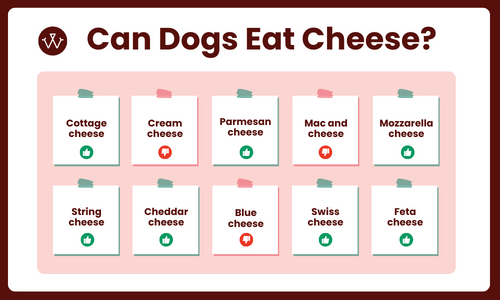
1. Mozzarella
Mozzarella is popular because it’s lower in fat and salt than many cheeses. The mild taste is appealing to dogs, and it’s easy to cut into small pieces for training. Mozzarella is also relatively low in lactose.
- Calories: About 70 per ounce
- Fat: 5-6g per ounce
- Lactose: Low
Mozzarella string cheese is especially easy to portion. Always choose plain mozzarella without herbs or added flavors.
2. Cheddar
Cheddar cheese is one of the most popular cheeses for dogs. It’s naturally low in lactose, especially aged cheddar. This means most dogs can digest it with few problems.
- Calories: 110 per ounce
- Fat: 9g per ounce
- Lactose: Very low
Choose mild or medium cheddar and avoid flavored versions with garlic, onion, or other additives.
3. Cottage Cheese
Cottage cheese is lower in fat and calories than most cheeses. It is also high in protein and calcium. Because it’s lightly processed, it has lower sodium.
- Calories: 20-25 per tablespoon
- Fat: 1g per tablespoon
- Lactose: Moderate to low
Choose unsalted, plain cottage cheese. It’s easy to mix into your dog’s food or use as a special treat. Avoid “fruit on the bottom” or flavored cottage cheese.
4. Swiss Cheese
Swiss cheese is another good option. It has a nutty, mild flavor, and it’s one of the lowest-lactose cheeses available.
- Calories: 100 per ounce
- Fat: 8g per ounce
- Lactose: Very low
It’s best to cut Swiss cheese into small cubes to avoid choking risks.
5. Parmesan
Parmesan is a hard, aged cheese with a strong flavor. Because it is aged, most of the lactose has been broken down, making it easier for dogs to digest in small amounts.
- Calories: 110 per ounce
- Fat: 7g per ounce
- Lactose: Very low
Sprinkle a tiny amount on your dog’s food for extra flavor, but avoid giving large pieces as it’s high in sodium.
6. Ricotta
Ricotta cheese is soft and creamy. It’s lower in salt than most cheeses, but it does have more lactose. This cheese is best for dogs who are not sensitive to dairy.
- Calories: 50 per ounce
- Fat: 4g per ounce
- Lactose: Moderate
Give small amounts and monitor for any digestive upset.
7. Goat Cheese
Goat cheese is easier to digest for some dogs because its protein structure is different from cow’s milk cheese. It’s lower in lactose, and the soft texture makes it easy to mix into meals.
- Calories: 80 per ounce
- Fat: 6g per ounce
- Lactose: Low
Make sure the goat cheese is plain, without herbs or spices.
8. Cream Cheese
Plain cream cheese can be safe in tiny amounts. It’s high in fat, so it should be an occasional treat only. Never give flavored cream cheese (with garlic, onion, or chives).
- Calories: 50 per tablespoon
- Fat: 5g per tablespoon
- Lactose: Moderate
Use it to hide medication or as a special reward, not as a regular snack.
9. Provolone
Provolone is a semi-hard cheese with a mild taste. It’s lower in lactose than fresh cheeses and is generally safe in small pieces.
- Calories: 100 per ounce
- Fat: 8g per ounce
- Lactose: Low
Avoid smoked or spicy versions.
10. Colby
Colby cheese is similar to cheddar but has a slightly higher moisture content. It’s usually well-tolerated in small pieces.
- Calories: 110 per ounce
- Fat: 9g per ounce
- Lactose: Low
Cut into cubes for easy portion control.
Credit: www.kinship.com
Cheeses To Avoid For Dogs
Not all cheese is safe. Certain types can be dangerous due to high fat, salt, spices, or even toxins.
1. Blue Cheese
Blue cheese (like Roquefort, Gorgonzola) contains a substance called roquefortine C, which is toxic to dogs. Even a small amount can cause vomiting, diarrhea, seizures, or death.
2. Cheese With Additives
Many cheeses are sold with herbs, garlic, onion, or chives mixed in. Garlic and onion are toxic to dogs and can cause severe health problems. Always check the label.
3. High-fat Soft Cheeses
Cheeses like brie, camembert, and feta are very high in fat and can cause pancreatitis or upset stomach. Feta is also high in sodium, which can be harmful, especially for older dogs.
4. Processed Cheese And Cheese Spreads
Processed cheeses (like American singles, cheese spreads, or spray cheese) are loaded with artificial flavors, preservatives, and salt. These additives are not healthy for dogs.
5. Moldy Or Spoiled Cheese
Moldy cheese can contain harmful bacteria or toxins. Never give your dog cheese that is past its expiration date or has visible mold (except for certain aged cheeses, like parmesan, where mold is part of the process).
6. Flavored Or Smoked Cheeses
Cheeses with strong flavors, smoke, spices, or peppers are risky. Dogs have sensitive digestive systems, and these can cause irritation or allergic reactions.
How Much Cheese Can Dogs Eat?
Even safe cheeses should be given in moderation. Cheese is high in fat and calories, which can lead to obesity or pancreatitis if fed too often.
A simple guideline: cheese should make up no more than 10% of your dog’s daily calories. For a 30-pound dog, that’s about 75 calories from treats per day. One small cheese cube (about 1 inch) is plenty.
Here’s a comparison of calorie content for popular cheese types per ounce:
| Cheese Type | Calories (per ounce) | Fat (g) | Lactose Content |
|---|---|---|---|
| Mozzarella | 70 | 5-6 | Low |
| Cheddar | 110 | 9 | Very Low |
| Cottage Cheese | 25 | 1 | Low |
| Parmesan | 110 | 7 | Very Low |
| Feta | 75 | 6 | High |
For small dogs, even half an ounce may be too much. For large breeds, two or three small cubes per week is usually safe.

Credit: www.woolyyarn.com
Lactose Intolerance In Dogs: Signs And Solutions
Some dogs just can’t handle dairy well. Watch for these signs after giving cheese:
- Diarrhea or loose stool
- Gas or bloating
- Vomiting
- Itching or skin irritation (rare, but possible)
If you see these symptoms, stop giving cheese immediately. Try a different treat, like plain boiled chicken or carrots.
How To Test For Tolerance
Start with a tiny amount—half a teaspoon of low-lactose cheese. Wait 24 hours and watch for any negative reaction. If your dog is fine, you can try a little more next time.
If you have a breed known for sensitive digestion (like a Shih Tzu or Bulldog), be extra cautious.
Cheese For Dogs With Special Dietary Needs
Some dogs have medical conditions that make cheese risky:
Overweight Or Obese Dogs
Cheese is calorie-dense. Even a few cubes add up fast. For overweight dogs, skip cheese or use only the lowest-fat options (like part-skim mozzarella or nonfat cottage cheese) and give very small pieces.
Dogs With Pancreatitis
Fatty foods can trigger or worsen pancreatitis. Most vets recommend avoiding cheese altogether for these dogs.
Senior Dogs
Older dogs may have trouble digesting lactose. Choose low-lactose, low-salt cheeses, and offer them rarely.
Dogs With Kidney Or Heart Problems
High-sodium cheeses are dangerous for these dogs. Sodium can worsen kidney or heart problems. Stick to unsalted cottage cheese or skip cheese entirely.
How To Feed Cheese To Your Dog
There are smart ways to make cheese safer and more useful as a treat.
Cut Into Small Pieces
Small, pea-sized pieces are best. This prevents choking and helps you control calories.
Use Cheese As A Training Treat
Because cheese is so appealing, it makes an excellent high-value reward. Use it for teaching new tricks, recall, or nail trims.
Hide Pills In Cheese
If your dog hates taking medicine, a small piece of cheese can hide the taste. Use just enough to wrap the pill, not more.
Mix With Food
A sprinkle of cottage cheese or grated parmesan can make dry dog food more tempting for picky eaters. Don’t overdo it.
Freeze Cheese For Longer Lasting Treats
Freezing cheese cubes makes them last longer and gives your dog something to chew. This can be helpful on hot days or when you need to distract your pet.
Common Mistakes When Giving Dogs Cheese
Many owners make these errors—often without knowing:
- Feeding too much: Dogs can gain weight quickly with regular cheese treats.
- Choosing the wrong type: Spicy, flavored, or moldy cheese is risky.
- Ignoring ingredients: Even small amounts of garlic or onion in cheese can be toxic.
- Not watching for reactions: Some dogs develop intolerance over time.
- Using cheese as a meal: Cheese is a supplement, not a replacement for balanced dog food.
Alternatives To Cheese For Dogs
If your dog can’t tolerate cheese or you want to offer variety, there are many safe alternatives:
- Plain yogurt (unsweetened): Lower in lactose, contains probiotics.
- Boiled chicken breast: High in protein, low in fat.
- Carrot slices: Low calorie, good for teeth.
- Apple slices (no seeds): Sweet and crunchy.
- Pumpkin puree: Good fiber and gentle on the stomach.
- Special dog treats: Many are made to be low in fat and high in nutrients.
Comparing Cheese To Other Dog Treats
How does cheese stack up to other popular treats? Here’s a quick comparison:
| Treat | Calories (per piece) | Protein (g) | Fat (g) | Digestibility |
|---|---|---|---|---|
| Mozzarella Cheese (1 cube) | 20 | 2 | 1.5 | Moderate |
| Boiled Chicken (1 piece) | 10 | 2 | 0.2 | High |
| Carrot (1 slice) | 2 | 0.05 | 0 | High |
| Commercial Dog Biscuit | 40 | 1 | 1.5 | Varies |
Notice that cheese is higher in calories and fat compared to chicken or vegetables. That’s why moderation is so important.
Non-obvious Insights Most Owners Miss
- Sodium matters as much as fat. Many cheeses are loaded with salt, which can cause dehydration, high blood pressure, or kidney problems in dogs—especially seniors. Always check sodium content, not just fat.
- Calcium is a double-edged sword. While cheese provides calcium, too much can lead to mineral imbalances, especially if your dog’s food is already fortified. Don’t assume more is better.
- Cheese and allergies: Some dogs are allergic to milk proteins (casein or whey), not just lactose. If you see chronic itching, ear infections, or paw licking after cheese, stop immediately and consult your vet.
How To Choose The Right Cheese For Your Dog
When picking cheese, consider these factors:
- Lactose content: Choose aged or fermented cheeses with less lactose.
- Fat content: Low-fat options are safer, especially for overweight dogs.
- Sodium level: Less salt is better, especially for seniors or dogs with health issues.
- Ingredients: Avoid anything with herbs, spices, or additives.
- Texture: Soft cheeses can hide pills, while firm cheeses are better for training treats.
If you’re unsure, ask your vet before introducing a new cheese.
When To Avoid Cheese Completely
Some situations call for skipping cheese altogether:
- Dogs with allergies or food sensitivities
- History of pancreatitis
- Kidney or heart disease
- Obesity or weight control issues
- Puppies under 3 months old (their digestive systems are very sensitive)
In these cases, it’s better to look for other treats.
The Importance Of Reading Labels
Many cheeses look safe but have hidden risks. Always check:
- Ingredient list: Watch for onion, garlic, chives, or artificial colors.
- Nutrition facts: Look at fat, sodium, and calories per serving.
- Expiration date: Never feed cheese past its date.
If you buy cheese from a deli or market, ask for plain, unseasoned varieties.
Practical Tips For Cheese And Dogs
- Use cheese as a special reward, not a daily treat.
- Store cheese in small containers or pre-cut cubes to avoid overfeeding.
- If using cheese for pills, rotate with other foods (like peanut butter or canned pumpkin) to reduce fat intake.
- For dogs with sensitive stomachs, try cottage cheese first—it’s often better tolerated.
- Always have fresh water available, as cheese can make dogs thirsty.
What Vets And Experts Say
Most veterinarians agree: cheese can be a safe, occasional treat for most dogs. However, they warn that cheese is not essential, and some dogs are better off without it. The American Kennel Club recommends using cheese carefully and watching for digestive issues. For more detailed information, see this AKC guide.
Frequently Asked Questions
Is Cheese Bad For Dogs?
Cheese is not bad for all dogs, but it can be risky if given in large amounts, or to dogs with lactose intolerance, obesity, or health problems. Safe types (like cheddar or mozzarella) in small pieces are fine for most healthy dogs.
Can Puppies Eat Cheese?
Puppies can digest lactose better than adults, but their stomachs are sensitive. Give only tiny amounts of mild cheese (like cottage cheese) and watch for any signs of upset stomach.
How Often Can I Give My Dog Cheese?
Cheese should be an occasional treat, not a daily snack. Once or twice a week is enough. Too much can lead to weight gain or digestive problems.
What Should I Do If My Dog Eats A Toxic Cheese?
If your dog eats blue cheese, cheese with garlic or onion, or moldy cheese, call your vet right away. Watch for vomiting, diarrhea, or seizures, and seek emergency care if needed.
Are There Any Dogs Who Should Never Eat Cheese?
Yes. Dogs with pancreatitis, obesity, kidney or heart disease, or allergies should not eat cheese. When in doubt, ask your vet.
Dogs and cheese can be a happy pair, as long as you know what cheese your dog can eat and how much is safe. Choose wisely, watch for reactions, and always use cheese as a special treat, not a diet staple.
Your dog’s health and happiness are worth the extra care.