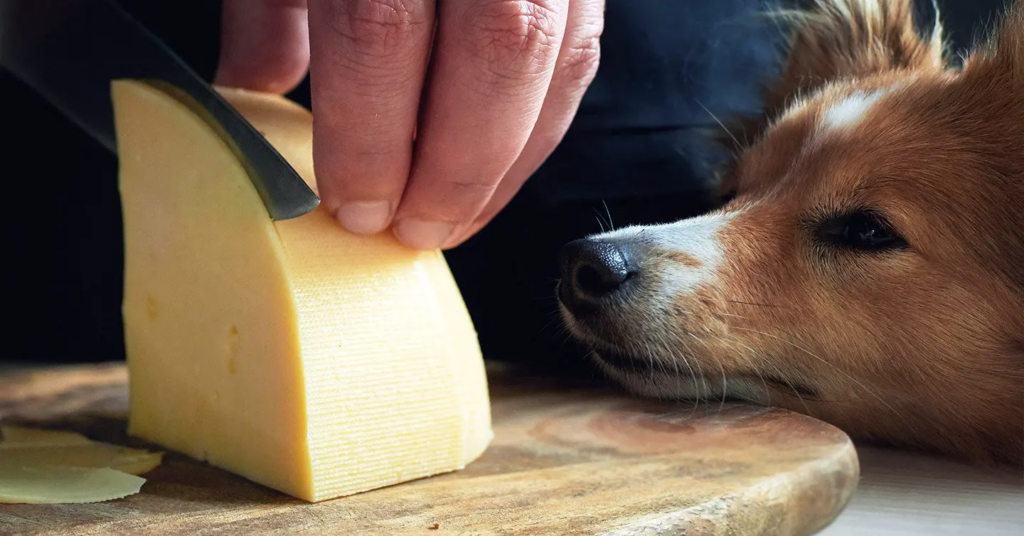
Ever caught your dog begging for a bite of your cheese? Can Dogs Eat Havarti Cheese—yes, but only in small amounts and not too often. I’ve shared tiny bits with my own dog and learned moderation is key to avoid tummy trouble. As a pet-focused writer who studies canine nutrition, I suggest treating it as an occasional snack—want to know when it’s safe and when to skip it?
What Is Havarti Cheese?
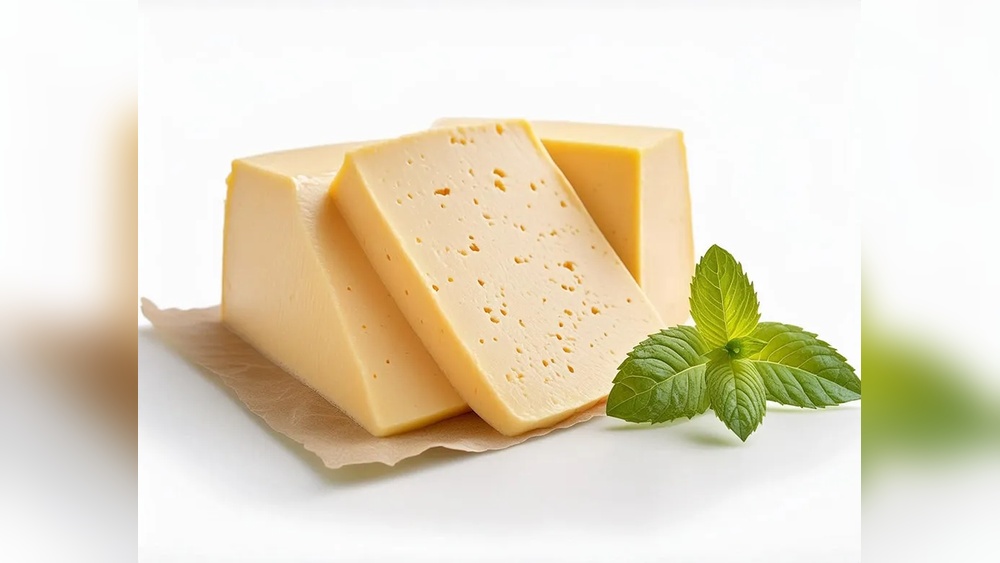
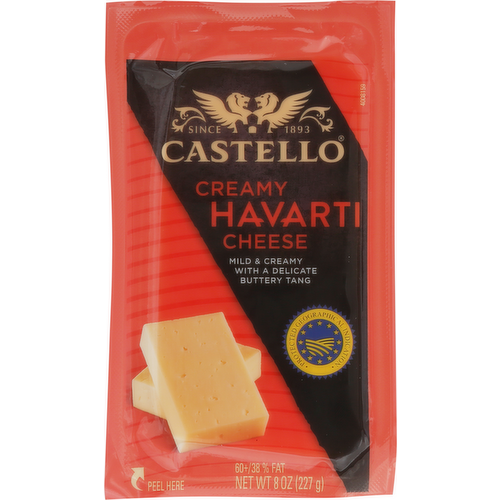
Havarti cheese is a semi-soft cheese from Denmark. It’s known for its creamy texture and mild, buttery flavor. This cheese often has small holes inside and melts easily, making it popular in sandwiches, snacks, and cheese platters.
Havarti is made from cow’s milk. Sometimes, it comes in flavored varieties, like dill or caraway. Most versions are aged for about three months, which helps give it a gentle aroma and taste. Because of its soft texture and mild taste, many people think of Havarti as a friendly, easy-to-eat cheese.
Nutritional Profile Of Havarti Cheese
Understanding what’s inside Havarti cheese helps you decide if it’s suitable for your dog. Here’s a look at the main nutrients per 28-gram (1 ounce) serving:
| Nutrient | Amount per 28g |
|---|---|
| Calories | 120 kcal |
| Protein | 6 g |
| Total Fat | 10 g |
| Saturated Fat | 6 g |
| Sodium | 200 mg |
| Calcium | 200 mg |
| Lactose | ~0.2-1 g |
Havarti is high in fat and calories and contains a moderate amount of protein. It also has some sodium and a small amount of lactose compared to other cheeses.
Is Cheese Safe For Dogs In General?
Cheese is a popular treat for dogs, but not all types are equal. Most dogs can eat cheese in small amounts, but it’s not a natural part of their diet. Cheese contains lactose, which some dogs cannot digest well, leading to stomach problems.
- Puppies usually digest lactose better than adult dogs.
- Some breeds, like Labradors and Golden Retrievers, are more likely to handle cheese.
- Dogs with a history of allergies, obesity, or pancreatitis should avoid cheese.
Cheese is often used to hide pills or as a special reward during training. However, it should always be given in moderation.
Can Dogs Eat Havarti Cheese?
The short answer is yes, most dogs can eat small pieces of Havarti cheese as an occasional treat. However, there are important details to consider before sharing.
Why Havarti Cheese Can Be A Risk
Havarti cheese has:
- High fat content: Too much fat can lead to obesity or pancreatitis.
- Moderate sodium: Salt can cause health issues, especially for dogs with heart or kidney problems.
- Lactose: Even though Havarti is lower in lactose than some cheeses, some dogs are sensitive and may get diarrhea, bloating, or gas.
Giving your dog a small piece once in a while is unlikely to cause harm. Problems start when dogs eat cheese often or in large amounts.
Breed Differences
Some breeds are more prone to stomach issues from cheese. For example:
- Siberian Huskies and Border Collies are often more lactose intolerant.
- Small breeds like Chihuahuas can be affected by even a little extra fat or salt.
Always watch your dog after giving them cheese for the first time. If you see any stomach upset, stop giving cheese and talk to your vet.
Benefits Of Havarti Cheese For Dogs
While there are risks, Havarti cheese can have a few benefits when used wisely.
- Source of protein and calcium: Cheese offers nutrients that support muscle and bone health. However, your dog should get these mainly from dog food.
- Training tool: Dogs love cheese, so a tiny bit can be a powerful reward during training.
- Hiding medicine: Wrapping pills in cheese is a classic trick for dogs who won’t take medicine.
Important: The benefits only matter if you use a very small amount. Cheese should never replace balanced dog food.
Risks And Dangers Of Feeding Havarti Cheese
Many owners underestimate the risks of feeding cheese. Here’s what you need to know.
1. Lactose Intolerance
Dogs naturally make less of the enzyme lactase as they grow older. This enzyme digests lactose. When lactose is not digested, it causes:
- Gas
- Diarrhea
- Bloating
- Stomach pain
Havarti is lower in lactose than fresh cheeses like ricotta or cottage cheese, but it still contains enough to bother sensitive dogs.
2. High Fat Content
Havarti has about 10g of fat per ounce. High fat in a dog’s diet can cause:
- Obesity: Even a few extra treats can add up for a small dog.
- Pancreatitis: This is a painful, sometimes deadly, inflammation of the pancreas. It’s triggered by fatty foods.
- Heart disease: Over time, high-fat snacks can raise the risk.
Dogs with a history of weight issues or pancreatitis should never be given fatty cheeses.
3. Salt (sodium) Content
Salt is necessary for dogs, but too much is dangerous. Havarti has about 200mg of sodium per ounce. High sodium intake can lead to:
- Thirst and dehydration
- High blood pressure
- Kidney strain
- Heart problems
Small dogs are especially at risk because their bodies can’t handle as much salt.
4. Additives And Flavors
Some Havarti cheeses are flavored with herbs, garlic, onions, or spices. Garlic and onion are toxic to dogs, even in small amounts. Always check the label and avoid flavored varieties.
5. Allergic Reactions
Some dogs have dairy allergies. Signs of an allergy include:
- Itchy skin
- Ear infections
- Vomiting
- Diarrhea
If you see these symptoms after your dog eats cheese, avoid all dairy and consult a vet.
6. Hidden Calories
Cheese is calorie-dense. A single ounce of Havarti is about 120 calories. For a 15-pound dog, that’s a big part of their daily needs. Too many high-calorie treats can lead to weight gain.
7. Choking Hazard
Small cubes or chunks can be a choking risk for puppies or small breeds. Always cut cheese into tiny pieces.
Comparing Havarti To Other Cheeses For Dogs
Not all cheeses are the same. Some are safer than others due to lactose, fat, and salt levels.
Here’s how Havarti compares to a few common cheeses:
| Cheese Type | Lactose (g/oz) | Fat (g/oz) | Sodium (mg/oz) |
|---|---|---|---|
| Havarti | ~0.2-1 | 10 | 200 |
| Cheddar | 0.1-0.5 | 9 | 180 |
| Mozzarella | 0.6 | 6 | 175 |
| Cottage Cheese | 3.3 | 4 | 360 |
| Parmesan | ~0.1 | 7 | 450 |
Key insights:
- Hard cheeses (like cheddar) are lower in lactose and sodium than soft cheeses.
- Cottage cheese has less fat but more lactose and salt.
- Parmesan is very salty and should be avoided.

Credit: www.tomthumb.com
How Much Havarti Cheese Is Safe For Dogs?
If you decide to give your dog a taste of Havarti, keep it small. As a rule, treats should make up no more than 10% of your dog’s daily calories.
Safe Serving Sizes By Dog Size
Here’s a general guide:
- Small dogs (up to 20 lbs): 1/4 ounce (about half a thumb-sized piece)
- Medium dogs (20–50 lbs): 1/2 ounce (about one thumb-sized piece)
- Large dogs (50+ lbs): Up to 1 ounce (no more than a slice)
Never feed cheese daily. Limit to once or twice a week at most.
Signs You Gave Too Much
After eating cheese, watch your dog for:
- Soft or runny stool
- Vomiting
- Lethargy
- Excessive thirst
If you see these signs, stop giving cheese and offer water. If symptoms don’t improve, contact your vet.
When To Avoid Havarti Cheese Entirely
Some dogs should never have Havarti cheese, even as a treat. Avoid giving Havarti to dogs with:
- Lactose intolerance or dairy allergies
- Pancreatitis (current or past)
- Obesity or those on a weight-loss plan
- Heart disease or kidney disease
- History of stomach upset from dairy or fat
- Very young puppies (under 8 weeks)
If your dog is on a special diet or has a chronic illness, always check with your vet before introducing new foods.
Smarter Ways To Use Cheese As A Dog Treat
If you want to use cheese as a treat or for training, follow these tips:
- Choose plain, unflavored Havarti. Avoid herbs, garlic, and other spices.
- Cut cheese into tiny pieces to prevent choking and reduce calories.
- Only use cheese for special rewards, not daily snacks.
- Mix cheese with healthier treats, like carrots, to reduce the total amount.
- Use cheese to hide pills, but check with your vet if your dog has health issues.
Pro tip: Freeze tiny pieces of cheese for a crunchy, longer-lasting treat. This also slows down fast eaters.
Alternatives To Havarti Cheese For Dogs
Many healthy treats are safer and lower in fat than cheese. Consider these options:
- Cooked lean meats (chicken, turkey, beef)
- Carrot sticks
- Green beans
- Apple slices (no seeds)
- Blueberries
- Pumpkin puree (plain, no sugar)
These snacks offer fiber, vitamins, and fewer calories than cheese. If your dog loves cheese, look for low-fat, low-sodium cheese made for pets.
What To Do If Your Dog Eats Too Much Havarti Cheese
Sometimes, dogs steal food when you’re not looking. If your dog eats a lot of Havarti cheese:
- Stay calm. Most dogs will only get mild stomach upset.
- Watch for symptoms. Look for vomiting, diarrhea, or lethargy.
- Give water. This helps flush out salt and supports hydration.
- Withhold food for 6–12 hours if your dog vomits or has diarrhea, then reintroduce bland food (like boiled rice and chicken).
- Call your vet if your dog is a small breed, a puppy, or has a health condition—or if symptoms are severe or last more than a day.
A single accidental cheese snack is rarely fatal. The biggest risks are pancreatitis in sensitive dogs or dehydration from vomiting/diarrhea.
Common Myths About Dogs And Cheese
Many people believe cheese is “safe” because dogs seem to love it. Here are some common misunderstandings:
- “Dogs are natural cheese eaters.” Not true. Cheese is not part of a dog’s wild diet.
- “All cheese is low in lactose.” Some cheeses are high in lactose, especially soft or fresh types.
- “If my dog likes it, it must be safe.” Dogs will eat many things that are harmful—like chocolate or grapes.
- “Cheese is a good calcium source for dogs.” Dogs should get calcium from dog food, not human treats.
Not-so-obvious Insights Every Dog Owner Should Know
- Cheese flavorings can be toxic. Many Havarti cheeses are sold with added garlic, onion, or chives. Even a small amount can cause poisoning in dogs. Always read the label and never assume “plain” means safe.
- Cheese can interfere with some medications. Dairy can affect how your dog absorbs certain antibiotics, like tetracyclines. If your dog is on medication, check with your vet before using cheese to hide pills.
- Cheese is addictive for some dogs. The mix of fat and salt makes cheese highly appealing. If used often, some dogs may beg for cheese and refuse other treats.
- Fatty treats can trigger hidden health problems. Some dogs have mild or hidden pancreatitis that hasn’t been diagnosed. Even a single fatty treat can cause a flare-up.
- Cheese can mask allergies. Sometimes, owners think their dog is reacting to “something else” when it’s actually the dairy causing skin or stomach issues.
Practical Tips For Sharing Cheese With Your Dog
- Always introduce new foods slowly. Start with a tiny piece and wait 24 hours.
- Use cheese only as a rare reward, not a daily snack.
- Choose plain, unflavored cheese.
- Cut cheese into pea-sized pieces for training.
- Store cheese out of your dog’s reach to prevent accidental overeating.
- If your dog has health issues, ask your vet before feeding cheese.
Credit: www.lundsandbyerlys.com
When Cheese Can Be Useful For Dogs
There are times when a tiny bit of cheese can really help, for example:
- Training: Dogs will do just about anything for cheese. Use the smallest piece possible.
- Giving medicine: Pill pockets are expensive. Cheese can be a cheaper, tastier option if your vet agrees.
- Special occasions: A birthday or a “gotcha day” can be a good reason to share a small treat.
Remember, a dog’s main diet should be complete dog food. Cheese is a sometimes-treat, not a staple.
What Vets And Experts Say
Most veterinarians agree: cheese is not toxic to dogs, but it’s not a necessary part of their diet. The risks—especially for overweight or sensitive dogs—usually outweigh the small benefits.
According to the American Kennel Club, “Cheese can be safe for dogs in small amounts. However, it’s best to avoid giving cheese to dogs with lactose intolerance, obesity, or pancreatitis” (AKC).
Credit: www.pumpkin.care
Frequently Asked Questions
Can Dogs Eat Havarti Cheese With Dill Or Other Herbs?
No. Many flavored Havarti cheeses contain herbs like garlic or onion, which are toxic to dogs. Even if the label says “herbed,” it’s safest to avoid giving flavored cheese. Always use plain, unflavored Havarti and check the ingredient list.
How Do I Know If My Dog Is Lactose Intolerant?
Watch for signs after your dog eats dairy. Common symptoms include diarrhea, gas, bloating, or vomiting. These signs can appear within a few hours. If your dog has these symptoms after eating cheese, avoid all dairy and talk to your vet.
Is Havarti Cheese Better For Dogs Than Cheddar?
Both cheeses are similar in fat and sodium, but cheddar is usually lower in lactose. If your dog is sensitive to lactose, cheddar may be a slightly safer choice. However, all cheeses should be given in very small amounts.
Can Puppies Have Havarti Cheese?
It’s best to avoid cheese for young puppies (under 8 weeks). Their stomachs are sensitive, and cheese can cause diarrhea or upset. Older puppies can have a tiny piece as a treat, but not as a regular snack.
What Should I Do If My Dog Ate A Large Amount Of Havarti Cheese?
Stay calm. Watch for signs like vomiting, diarrhea, or lethargy. Offer water and do not feed any more treats. If your dog is very small, has health problems, or shows severe symptoms, call your vet right away.
Sharing food with your dog can feel like an act of love, but it’s important to make safe choices. Havarti cheese is not toxic to dogs, but it is high in fat, salt, and calories. Most healthy dogs can handle a tiny bite once in a while, but the risks go up if your dog is small, overweight, or sensitive to dairy. Always choose plain, unflavored Havarti, and keep portions smaller than you think. There are many healthier treats you can use instead, but if you want to share a special snack, moderation is key. When in doubt, ask your vet. Your dog’s health always comes first.