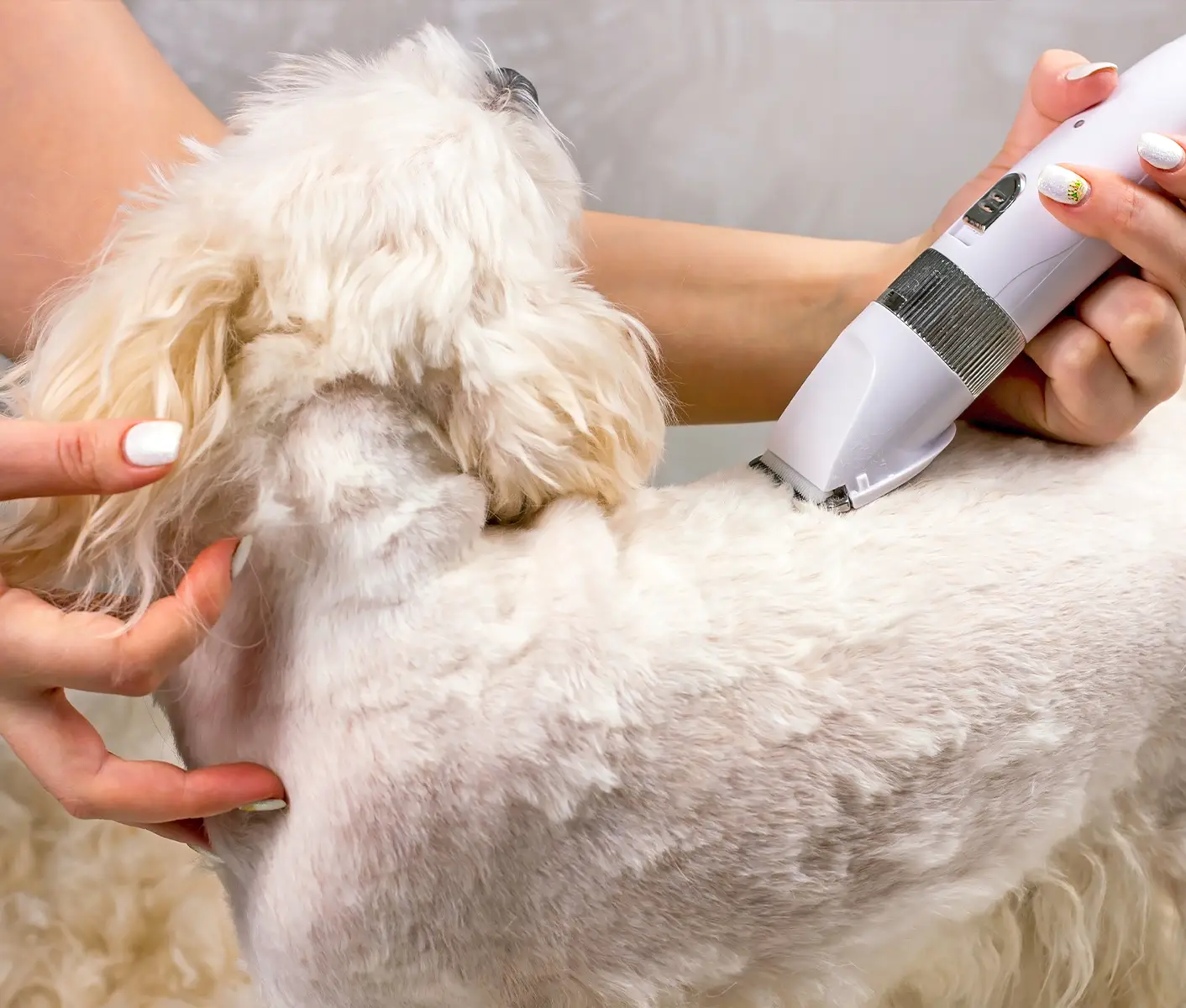
Use the right blade, prep the coat well, and clip slowly in small sections.
If you want to use clippers on a dog with long hair the safe way, the real secret is not speed. It is prep, the right tools, and calm technique. I have found that most clipping problems come from rushing through tangled coats, using a dull blade, or pressing too hard, so this guide walks you through the full process with clear, practical steps.
:strip_icc()/sps-dog-hair-clippers-test-andis-agc-22340-proclip-2-speed-detachable-blade-katie-macdonald-05-8c5f562949704e7da8709033a03c1b48.jpg)
Why clipping a long-haired dog takes a different approach
Long hair behaves more like fabric than fur. It can fold, snag, mat, and hide skin folds, which means clippers can catch more easily than they do on short coats. That is why using clippers on a dog with long hair is less about shaving and more about controlled coat work.
In my experience, the biggest mistake is assuming every dog clipper job is the same. A silky coat, a double coat, and a curly coat all react differently. Once you understand the coat type, the whole job gets easier and much safer.
What you need before you start
Before you use clippers on a dog with long hair, gather everything first. Mid-cut interruptions make dogs restless and raise the risk of uneven lines or clipper burn.
Useful supplies include:
- Dog clippers made for pet grooming, not human hair
- Sharp blades or clean guard combs
- Detangling comb and slicker brush
- Grooming scissors or safety scissors
- Clipper spray or blade coolant
- Towels
- Dog-safe shampoo and conditioner
- Treats for positive reinforcement
- A non-slip mat or stable grooming table
A quality clipper matters a lot. Low-power clippers often snag thick coats, while pet grooming clippers are built to handle denser hair and cooler running times. If you are clipping a dog with long hair at home, check the blade temperature often so you do not irritate the skin.

How to prepare a long-haired dog for clipping
Preparation is half the job. A clean, dry, brushed coat allows the clippers to glide instead of drag.
Follow these steps:
- Bathe the dog if the coat is dirty or oily.
- Dry the coat completely before clipping.
- Brush out tangles with a slicker brush.
- Use a comb to find hidden mats near the ears, armpits, belly, and legs.
- Trim severe mats carefully with scissors only if needed and if it is safe to do so.
Never clip through tight mats without checking them first. Mats can pull on the skin, trap moisture, and hide sores. I once worked on a long-coated dog where the coat looked fine from the top, but the belly had several tight knots stuck to the skin. Catching that early saved the dog a lot of discomfort.
Choosing the right clippers and blade
To use clippers on a dog with long hair successfully, blade choice matters as much as technique. A blade that is too close can irritate the skin, while a blade that is too dull can yank the coat.
Here is a simple guide:
- For heavy coat removal, start with a longer guard comb or a blade that leaves more length
- For sanitary areas, use a smaller, safer blade with care
- For sensitive dogs, choose a quieter clipper to reduce stress
- For thick or double coats, use clippers with strong motor power and good airflow
The best setup depends on breed, coat density, and the end look you want. For example, a Shih Tzu or Maltese coat needs a gentler, more controlled approach than a thick doodle coat. When in doubt, leave more length first. You can always go shorter later.
How to use clippers on a dog with long hair step by step
Using clippers on a dog with long hair works best when you move in a calm, steady rhythm. Think of it like mowing soft grass after a storm: slow passes do better than fast force.
1. Start with a calm dog
Let the dog sniff the clippers while they are off. Then turn them on away from the dog for a moment so the sound feels less scary. Reward calm behavior with a small treat.
2. Begin in an easy area
Start on a less sensitive spot like the side of the body or upper back. This helps the dog adjust before you move to the face, feet, belly, or sanitary areas.
3. Clip with the direction of coat growth
Most of the time, use clippers in the direction the hair grows. This gives a smoother finish and lowers the chance of pulling. If the coat is very thick, you may need a second pass from a slightly different angle, but always keep the motion gentle.
4. Work in small sections
Long hair is easier when broken into zones:
- Neck
- Back
- Sides
- Chest
- Belly
- Legs
- Tail area
- Feet and sanitary trim
Move one section at a time. That keeps the coat more even and helps you spot trouble early.
5. Keep the skin taut when needed
Gently flatten loose skin with your free hand. This is especially useful on the belly, armpits, and thighs where skin can fold. A smooth surface helps prevent nicks and uneven cuts.
6. Check the blade often
Blades heat up fast. Stop every few minutes to test the blade on your wrist or fingers. If it feels hot to you, it is too hot for the dog.
7. Blend rough spots
After the main body is clipped, use a comb and a lighter touch to smooth any uneven areas. Do not chase perfection by repeatedly going over the same patch. Too many passes can irritate the skin.
How to handle mats and tangles safely
Mats are the biggest challenge when you use clippers on a dog with long hair. A mat acts like a tiny knot under tension, and clippers can snag it hard.
Safer ways to handle mats:
- Brush out small tangles before clipping
- Use detangling spray for mild knots
- Separate mats with your fingers if they are loose
- Cut severe mats off carefully with scissors if they are far from the skin
- Seek a professional groomer for mats that are tight, painful, or close to the skin
Do not force clippers through a solid mat. That can hurt the dog and damage the blades. In grooming, “less force, more patience” is usually the winning rule.
Best areas to clip first and areas to be careful with
Some spots are easy. Others need a lighter hand.
Safer starting areas:
- Upper back
- Outer sides
- Shoulder area
Areas that need caution:
- Face
- Ears
- Armpits
- Groin
- Belly
- Paws and between the toes
- Around the tail base
These sensitive areas are where I see the most accidental nicks. Dogs also tend to twitch there, which makes careful hand placement even more important. If your dog is nervous, do the sensitive spots in short sessions.

Common mistakes to avoid
When people first use clippers on a dog with long hair, they usually make the same few errors. The good news is that they are easy to fix once you know what to watch for.
Avoid these mistakes:
- Clipping a dirty or damp coat
- Using dull blades
- Skipping brushing before clipping
- Pressing too hard into the skin
- Clipping over mats without checking them
- Going too fast
- Ignoring blade heat
- Trying to do the whole dog in one rushed session
One of my biggest early lessons was this: a calm, unfinished groom is better than a perfect-looking groom that leaves the dog sore. Dogs remember discomfort. If you make the experience gentle, the next grooming session gets much easier.
Tips for different coat types
Not all long-haired coats behave the same way. Knowing the texture helps you choose the right method.
Silky coats
Silky coats are smooth but can slip under the blade if they are not brushed well. Keep the coat clean and combed, and use slow passes.
Curly coats
Curly coats often hide mats deep inside. Use a comb as you go, and do not assume the surface tells the full story.
Double coats
Double coats can be dense and insulating. Clipping them too short may affect texture and regrowth, so many owners choose trimming instead of close shaving unless a groomer recommends otherwise.
Wiry coats
Wiry coats may need a different grooming plan than a full clip. Ask a groomer if stripping or shaping is more appropriate for your dog’s breed.
Safety and comfort tips while clipping
The safest grooming sessions feel boring, not dramatic. The more routine you make it, the less stress both you and your dog will feel.
Helpful safety habits:
- Keep one hand on the dog when possible
- Use a non-slip surface
- Take breaks if the dog gets stiff or anxious
- Reward calm behavior often
- Keep clippers clean and free of hair buildup
- Never clip near open wounds or rashes
- Stop if the dog cries, flinches, or pants heavily
If your dog has skin issues, parasites, or pain, pause and ask a veterinarian or professional groomer. Sometimes what looks like a grooming problem is really a health issue.
How to finish the groom neatly
A clean finish makes the coat look polished and helps spot any missed areas. After you use clippers on a dog with long hair, do a final check in good light.
Finish with these steps:
- Comb the coat again
- Compare both sides for symmetry
- Snip stray hairs with grooming scissors
- Check under the legs, around the ears, and near the tail
- Brush off loose hair from the coat and skin
- Offer praise and a treat so the dog ends on a positive note
If the cut looks slightly uneven, resist the urge to keep going over it too much. Small corrections are fine. Overworking the coat can turn a neat cut into a choppy one.
When to call a professional groomer
Sometimes the safest choice is to hand the job to a pro. I always tell pet owners that knowing your limit is part of good grooming.
Consider a professional groomer if:
- The coat is heavily matted
- The dog is aggressive, fearful, or highly stressed
- The dog has sensitive skin or a medical condition
- You do not have the right clippers or blades
- You need a breed-specific style
- You are unsure how short to go
A good groomer does more than cut hair. They protect the skin, manage coat texture, and spot issues early. That expertise is worth it, especially for a long-haired dog with a tough coat.
Why regular grooming makes clipping easier
The best time to think about clipping is before the coat gets hard to manage. Regular brushing and light trims reduce tangles, shorten grooming time, and lower stress.
Benefits of ongoing coat care:
- Fewer mats
- Less shedding around the house
- Better skin airflow
- Easier bath time
- Safer clipper use
- A more comfortable dog
In practical terms, routine brushing makes the next clipping session feel like a trim instead of a rescue mission. That is the real win.
Frequently Asked Questions of How to use clippers on a dog with long hair
What is the best way to start clipping a long-haired dog?
Start with a clean, dry, brushed coat and clip a calm area like the back first. Use slow strokes in the direction of hair growth and keep the dog relaxed with treats and breaks.
Can I use human clippers on my dog with long hair?
It is not a good idea in most cases. Human clippers may not have the power or blade design needed for dense pet coats, so they can snag, overheat, or leave an uneven finish.
How do I stop clippers from pulling my dog’s hair?
Make sure the coat is brushed, dry, and free of mats before you clip. Sharp blades and slow, steady passes also reduce pulling a lot.
Should I shave my long-haired dog in summer?
Not always. Some long-coated breeds can lose natural protection if shaved too short, so it is better to ask a groomer or vet what length is safest for your dog’s coat type.
How often should I clip a long-haired dog?
It depends on the breed and coat growth, but many long-haired dogs need grooming every 4 to 8 weeks. Regular brushing in between appointments helps keep the coat easier to manage.
Conclusion
Using clippers on a dog with long hair gets much easier when you prepare the coat, choose the right tools, and work in small, calm steps. The most important things are safety, patience, and knowing when to stop and reset. A good grooming session should leave your dog comfortable, not stressed, and that is what builds trust over time.
If you are ready to try it at home, start small, keep the process gentle, and learn from each session. For more grooming tips, keep exploring trusted pet care advice and share your own experience in the comments.