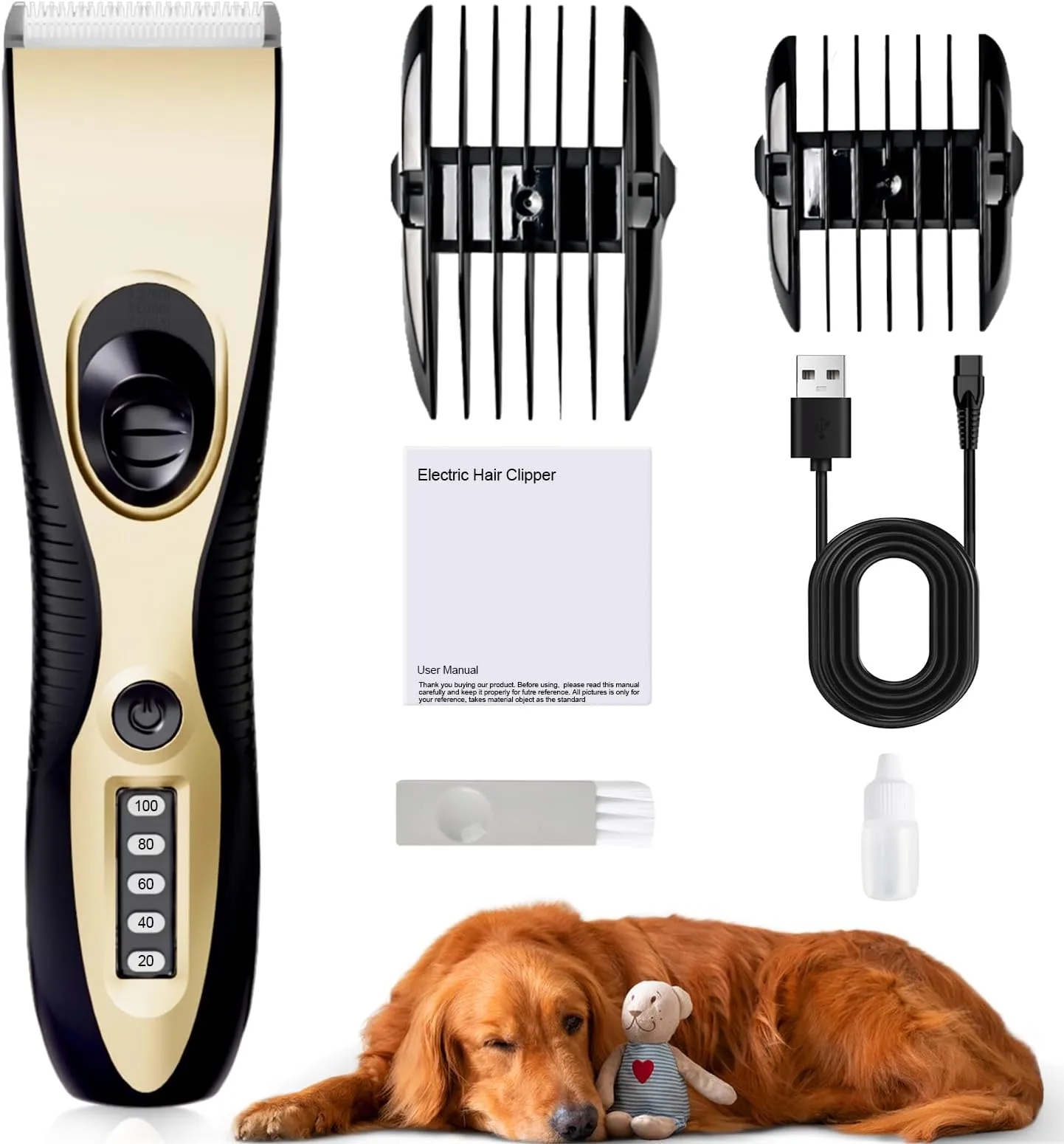
You can cut dog hair at home with clippers by preparing well, using the right guard, and trimming slowly.
If you have ever looked at your dog’s fluffy coat and thought, “I can do this myself,” you are not alone. Learning how to cut dog hair at home with clippers can save money, reduce stress for some pets, and help you keep up with basic coat care between grooming visits. Done right, it is safe, simple, and very doable for many dog owners.
Why clipper trimming at home can work
Cutting dog hair at home with clippers is less about making your dog look show-ready and more about keeping them comfortable, neat, and mat-free. I have seen many pet owners feel nervous the first time, then get much better after a calm, careful session or two. The biggest difference is not fancy equipment; it is patience, the right blade size, and knowing your dog’s coat type.
A home trim is often a good fit for:
- Dogs with fast-growing coats
- Dogs that get tangles around the paws, belly, or rear
- Owners who want to maintain a short, clean look between professional grooming visits
- Pets that do better in a familiar home setting
That said, not every coat should be clipped the same way. Double-coated breeds, for example, can be harmed by overly short clipping, so it helps to understand your dog before you start.
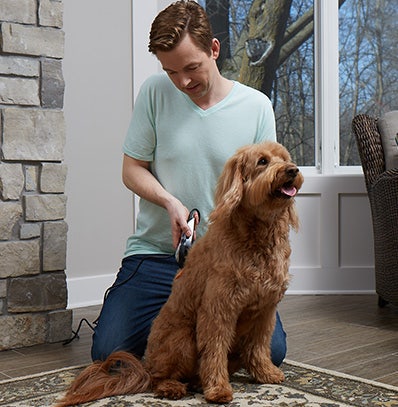
What you need before you start
Good prep makes the whole job easier. In my experience, rushed grooming is where most mistakes happen, especially when a dog is wiggly or the coat is dirty and tangled. Before you turn on the clippers, gather everything so you do not have to stop halfway through.
You will need:
- Dog clippers made for pet grooming
- A set of guard combs or blade guards
- A clean brush or slicker brush
- A metal comb for checking tangles
- Grooming scissors or thinning shears for small finishing touches
- Treats
- A towel
- A non-slip mat
- A quiet space with good light
Choose clippers that are designed for dogs, not human hair. Dog coats can be thicker and may cause human clippers to overheat or snag. Also, make sure the blade is sharp and clean, because dull blades pull hair and make the experience unpleasant for your dog.
Know your dog’s coat type first
Before you learn how to cut dog hair at home with clippers, it helps to know what kind of coat you are working with. This step matters because coat type affects the blade choice, the direction you trim, and how short you should go.
Common coat types include:
- Single coats, like many poodles and some terriers
- Double coats, like Huskies, Golden Retrievers, and German Shepherds
- Curly coats, like Poodles and Doodles
- Wiry coats, like Schnauzers and many terriers
- Silky coats, like Yorkies and Maltese
If your dog has a double coat, do not clip it too short unless a vet or groomer says it is safe for that dog’s condition. A double coat helps with temperature control and skin protection. Cutting it too close can sometimes lead to uneven regrowth or coat damage.
How to cut dog hair at home with clippers step by step
The safest way to cut dog hair at home with clippers is to move slowly and keep the first session simple. I always tell people to aim for “clean and comfortable,” not “perfect.” If you try to do too much at once, both you and your dog can get stressed.
1. Brush the coat fully
Start with a thorough brushing. Clippers glide best through clean, detangled hair, and mats can tug painfully on your dog’s skin. If you hit a knot with clippers, you risk pulling, nicking, or creating an uneven patch.
Use a slicker brush first, then a comb to check for hidden tangles. Pay close attention to:
- Behind the ears
- Under the collar
- The armpits
- The belly
- Around the tail
- The back of the legs
If you find mats, remove them gently before clipping. For tight mats, it is usually better to use grooming scissors carefully or ask a professional for help.
2. Bathe and dry your dog if needed
Clipping works best on a clean, dry coat. Dirt and oil can dull blades faster, and wet hair can clump and get stuck in the clipper teeth. If your dog is dirty, give a bath and dry the coat completely before starting.
A blow dryer on a low, cool setting can help, but keep it comfortable for your dog. Make sure the coat is fully dry all the way to the skin, especially on thick or curly coats.
3. Let your dog get used to the clippers
Turn the clippers on before touching your dog with them. Let your dog hear the sound and sniff the tool from a safe distance. This short step can reduce fear a lot.
A few things that help:
- Offer treats while the clippers are on
- Touch the clippers lightly to your hand first
- Start near the dog’s back or side, not the face
- Keep your voice calm and steady
The first time I clipped a nervous dog, I learned that a 10-minute calm intro can save 30 minutes of wrestling later. Dogs read our energy fast, so slow and confident usually works best.
4. Start with a longer guard comb
If you are new to home grooming, choose a longer guard comb first. You can always trim a little shorter later, but you cannot put hair back once it is cut. This is one of the most important lessons I have learned from years of seeing at-home grooming go well or go wrong.
Begin at the shoulders or back and move in smooth, even strokes. Clip in the direction of hair growth unless your clipper guide or coat type suggests otherwise.
5. Work in small sections
Divide the body into manageable areas:
- Neck
- Back
- Sides
- Chest
- Belly
- Legs
- Rear
Clip one section at a time. Short strokes help you stay in control and avoid sudden dips or uneven spots. Pause often to brush away loose hair and check your progress.
6. Be careful around sensitive areas
The face, ears, paws, groin, and tail base need extra care. These areas have thin skin and can be more sensitive than the rest of the body. If your dog is anxious, you may want to trim around these spots with scissors or leave them to a professional groomer.
If you do clip near sensitive areas:
- Use a calmer pace
- Keep the skin taut with your free hand when safe to do so
- Never force the clipper through a tight fold or mat
- Stop if your dog flinches repeatedly
7. Check your work as you go
After each section, step back and look at the coat from different angles. Light reveals uneven spots better than a close-up view. A quick comb-through can also show hidden patches that need another pass.
Do not chase perfection. A home haircut does not have to be salon-level to be good. The goal is comfort, cleanliness, and safety.
8. Finish with small touch-ups
Use grooming scissors or thinning shears for minor cleanup only if you are comfortable. Trim stray hairs around the paws, legs, and face very carefully. If your dog stays still for paw trimming, great. If not, skip it and try again later.
I have found that less is often more at the finishing stage. A tiny trim here and there can make a big difference without risking a mistake.
Best clipper techniques for a smoother cut
Knowing how to cut dog hair at home with clippers is partly about technique, not just tools. The right motion and angle help the blade move cleanly through the coat. Small changes can make the process easier for both you and your dog.
Helpful techniques include:
- Keep the clipper flat against the coat
- Move in gentle, even lines
- Use short passes instead of long, fast ones
- Stretch loose skin slightly to reduce folds
- Clean the blade often to prevent clogging
- Stop if the blade feels hot
A common mistake is going too fast. Fast clipping can leave uneven tracks and may scare your dog. Slow, steady movement is usually cleaner and safer.
How to handle nervous or squirmy dogs
Some dogs are calm from the start. Others act like the clippers are a tiny robot from another planet. If your dog is nervous, the grooming session should be broken into shorter steps.
Try these ideas:
- Groom after exercise, when your dog is a little tired
- Use treats after every few strokes
- Keep sessions short, even 10 to 15 minutes
- Stop before your dog becomes overwhelmed
- Leave the face and feet for another day if needed
I have worked with dogs who did best in two short sessions instead of one long one. That approach often leads to less fear and better cooperation over time.
Mistakes to avoid when cutting dog hair at home with clippers
A lot of at-home grooming problems come from simple, avoidable mistakes. The good news is that once you know them, they are easy to prevent.
Avoid these common issues:
- Clipping matted hair without brushing first
- Using dull or overheated blades
- Cutting too short on the first try
- Grooming a wet coat
- Forcing the dog to stay still for too long
- Forgetting to check blade temperature
- Using human clippers on a thick dog coat
- Trimming near sensitive areas without enough control
Another mistake is ignoring your dog’s comfort signals. If your dog keeps pulling away, licking lips, yawning, or freezing, they may be stressed. That is your cue to slow down or stop.
Safety tips that matter
Safety should always come before style. Even a small nick can turn a routine trim into a stressful memory. A careful setup keeps the experience more pleasant and reduces the chance of injury.
Use these safety basics:
- Keep blades clean and disinfected
- Check blade heat every few minutes
- Use a non-slip surface
- Hold your dog gently but securely
- Keep cords away from the dog’s legs
- Never clip over irritated skin, sores, or rashes
- Stop if your dog is in pain or extremely frightened
If you notice skin redness, heat, swelling, or a bad smell, pause and speak with a vet. Grooming should support health, not hide a problem.
How often should you clip your dog’s hair?
The right grooming schedule depends on the breed, coat type, and season. Some dogs need a trim every 4 to 8 weeks, while others only need light maintenance. The key is consistency.
General timing:
- Curly or continuously growing coats may need more frequent clipping
- Short-coated breeds may only need spot trims
- Long-haired dogs may need regular face, paw, and sanitary trims
- Double-coated dogs often need brushing more than clipping
A regular routine prevents mats from building up. It also keeps each grooming session shorter and easier.
When you should call a professional groomer
Home grooming is helpful, but it is not always the right choice. Sometimes the safest move is to hand things off to a pro. That is not a failure; it is smart judgment.
Consider professional help if:
- Your dog has severe mats
- Your dog is aggressive or panics during grooming
- Your dog has skin disease or open sores
- You need breed-specific shaping
- Your dog has a thick undercoat you are unsure how to manage
- You feel nervous around scissors or clippers
A good groomer can also show you safer trim lengths and how to maintain the coat between visits.
Benefits of learning to clip your dog at home
There are real benefits to learning how to cut dog hair at home with clippers. For many families, it becomes part of normal pet care, like brushing teeth or cleaning ears. Once you get used to it, the process can feel much less intimidating.
Benefits include:
- Lower grooming costs over time
- More flexibility with timing
- Less stress for dogs who dislike new places
- Better coat maintenance between appointments
- Faster cleanup for paws, belly, and rear areas
It also gives you a better eye for your dog’s skin and coat health. You may notice dryness, lumps, fleas, or hot spots sooner.

Frequently Asked Questions about How to cut dog hair at home with clippers
What is the safest clipper blade length for beginners?
A longer guard comb is usually the safest choice for beginners. It gives you more room for error and lowers the chance of cutting too close to the skin.
Can I use human clippers on my dog?
It is not a good idea for most dogs. Human clippers are usually not strong enough for thick pet coats and may snag, pull, or overheat.
Should I cut my dog’s hair when it is wet?
No, dry hair is better for clipper grooming. Wet hair clumps together and can make clipping uneven or uncomfortable.
How do I keep my dog calm during clipping?
Use treats, short sessions, and a calm voice. Let your dog get used to the sound of the clippers before you start, and stop before they become overwhelmed.
What if I accidentally cut my dog’s skin?
Clean the area gently and apply pressure if there is minor bleeding. If the cut is deep, keeps bleeding, or looks irritated afterward, contact a vet right away.
Conclusion
Learning how to cut dog hair at home with clippers is mostly about patience, preparation, and knowing your dog’s coat. If you brush first, use the right tools, work in small sections, and stay calm, you can handle many basic trims safely at home.
Start simple, keep your first grooming goals realistic, and focus on comfort over perfection. With a little practice, you will get more confident and your dog may even relax into the routine. If this guide helped you, try a short grooming session this week, and explore more pet care tips to keep your dog healthy and happy.