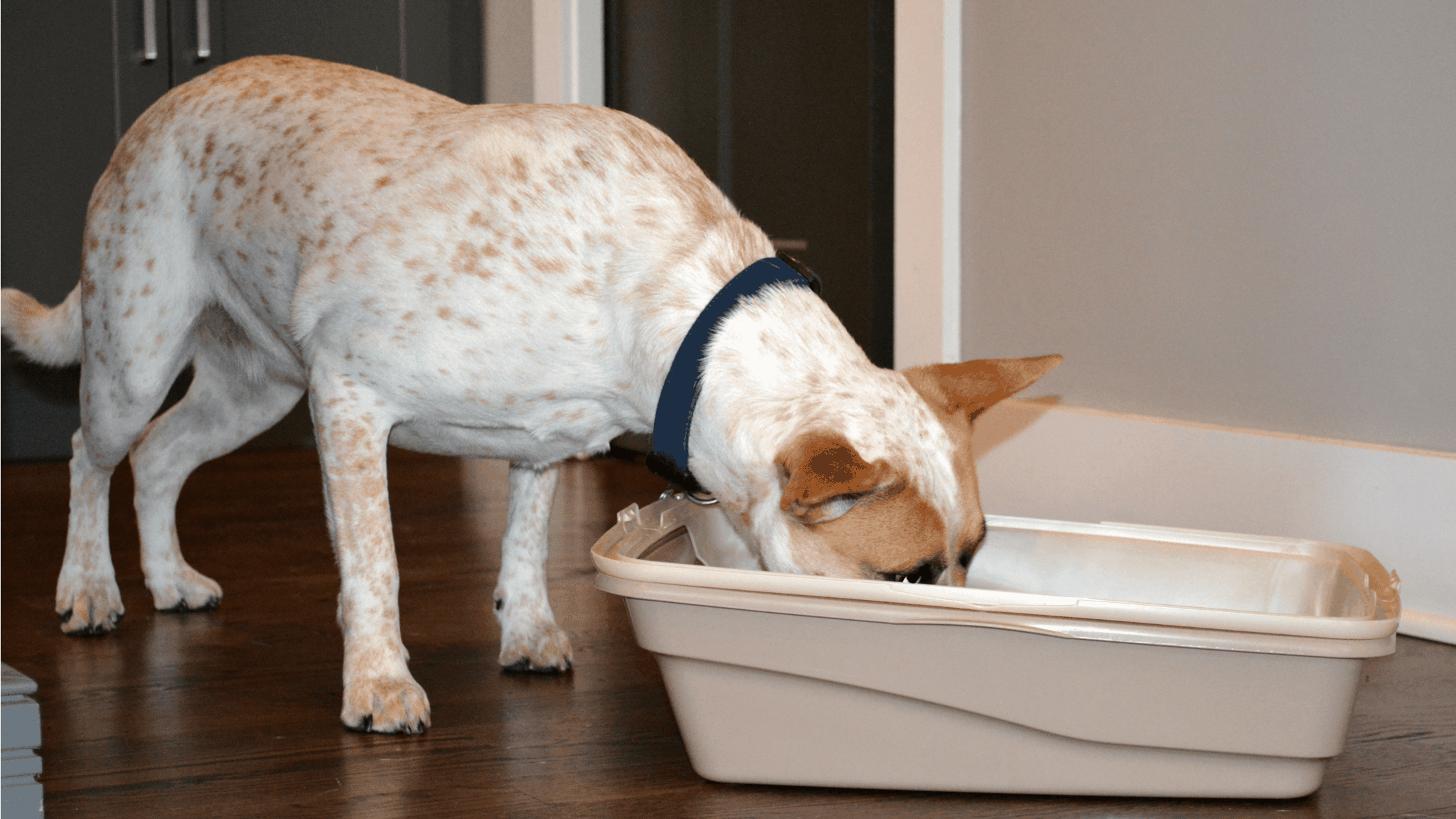
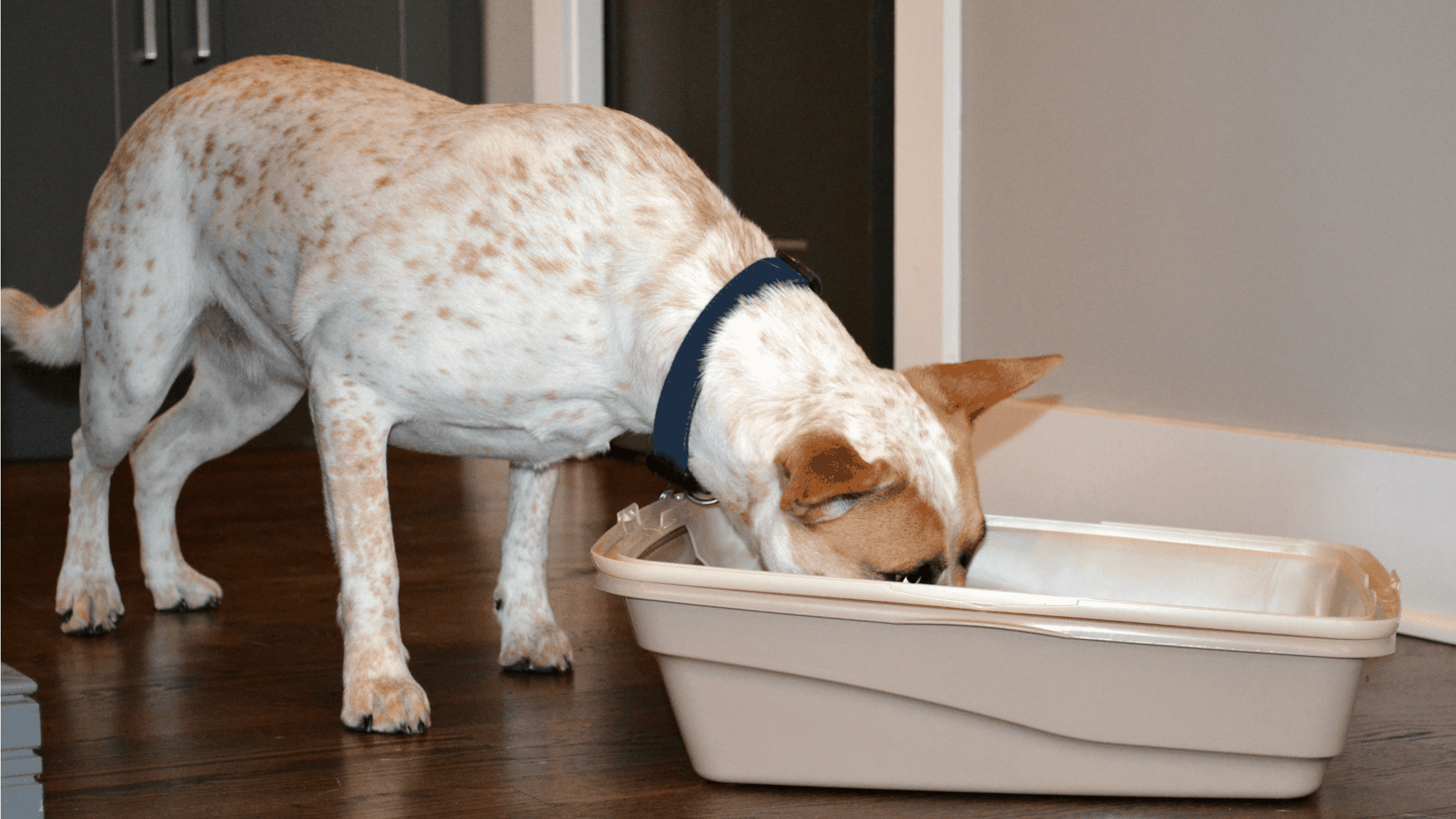
Your dog is drawn to cat poop because it smells strong, tastes “interesting,” and can become a learned habit.
If you have ever caught your dog raiding the litter box, you are definitely not alone. As a pet writer who has spent years studying everyday dog behavior and helping owners fix messy habits, I can tell you that this is one of the most common and most frustrating canine quirks. The good news is that “why does my dog eat cat poop” usually has a clear reason, and once you understand it, you can stop the habit more easily.

Why dogs eat cat poop
When people ask, “why does my dog eat cat poop,” the short answer is that cat poop is appealing to some dogs for a mix of scent, taste, instinct, and boredom. Dogs explore the world with their mouths, and cat stool can seem like a strong-smelling snack to a curious dog.
In my experience, owners are often shocked the first time they see it. But to a dog, the litter box can look like a treasure chest of smells. That does not mean your dog is broken or gross. It means your dog is acting on normal canine behavior that needs to be redirected.
Dogs are scavengers by nature. Even well-fed dogs may still seek out unusual things to eat, including cat feces. Veterinary behavior experts also note that stool eating, called coprophagia, can happen for medical, behavioral, or environmental reasons.
Common reasons your dog eats cat poop
There is usually more than one reason behind why does my dog eat cat poop. A dog may start for one reason and keep doing it because the habit becomes rewarding.
Strong smell and taste
Cat food is often rich in protein and fat, and that can make cat poop smell extra appealing to dogs. To a dog, it may not smell like waste at all. It may smell like a concentrated version of dinner.
Natural scavenging instincts
Dogs descended from animals that had to eat what they could find. That scavenging instinct still shows up today. If your dog eats cat poop, it may be acting on a deep, old habit rather than bad manners.
Boredom or lack of stimulation
Some dogs eat cat feces because they are bored. If they do not have enough exercise, play, or mental work, they may create their own entertainment. The litter box becomes an easy target.
Attention-seeking behavior
Dogs are quick learners. If your dog gets a big reaction when eating cat poop, even a disgusted “No!” can reinforce the behavior. In a dog’s mind, attention is still attention.
Hunger or poor diet balance
A dog that is not getting enough calories, fiber, or nutrients may search for other sources of food. That does not always mean the diet is bad, but it is worth checking with your vet if the habit is frequent. Sometimes why does my dog eat cat poop starts with simple hunger cues.
Stress or anxiety
Stress can push dogs into odd habits. A move, a new pet, a change in schedule, or separation anxiety can all trigger scavenging or compulsive behaviors. In some dogs, cat poop eating becomes a comfort habit.
Access and opportunity
If the litter box is easy to reach, the behavior is more likely to happen. Dogs are opportunists. If the cat box is in an open, quiet spot, your dog may visit it often.
Is eating cat poop dangerous for dogs?
Yes, it can be dangerous. While one incident may not cause harm, repeated coprophagia can expose your dog to bacteria, parasites, and digestive upset. That is why why does my dog eat cat poop is not just a gross question. It is also a health question.
Cat feces can carry:
• Parasites such as roundworms or toxoplasma
• Harmful bacteria like Salmonella
• Irritants that may cause vomiting or diarrhea
• Litter debris that can upset the stomach or block the gut in rare cases
The risk is higher if the cat has intestinal parasites, is on medication, or is sick. Puppies, seniors, and dogs with weak immune systems should be watched especially closely.
If your dog suddenly starts eating cat poop more often, or if you notice vomiting, diarrhea, lethargy, or a swollen belly, call your veterinarian. Sudden behavior changes can sometimes point to a medical issue.
Medical causes to rule out
Most of the time, why does my dog eat cat poop is a behavior issue. Still, a vet visit is smart if the habit is new, frequent, or hard to stop.
Possible medical causes include:
• Malabsorption or poor nutrient use
• Intestinal parasites
• Diabetes or other metabolic disease
• Increased appetite from medications
• Gastrointestinal problems that leave your dog feeling unsatisfied
One thing I always tell readers is this: do not assume it is “just a bad habit” if the change is sudden. I have seen dogs with normal behavior for years suddenly start scavenging because something physical was going on underneath. A basic exam and stool check can save a lot of guessing.
How to stop your dog from eating cat poop
The best way to deal with why does my dog eat cat poop is to combine prevention, training, and better access control. You usually need to address the litter box and the dog at the same time.
Keep the litter box out of reach
This is the fastest fix for many homes. Put the litter box in a room your dog cannot enter, or use a cat door that only your cat can access. Some families use baby gates, covered litter boxes, or top-entry boxes, but these work best when paired with other steps.
Clean the litter box often
A clean box is less attractive to your dog. Scooping at least once daily can help reduce temptation. In multi-cat homes, more frequent cleaning may be needed.
Feed your dog a complete diet
Make sure your dog is eating a balanced, vet-approved food in the right amount. A dog that is truly hungry will be more likely to investigate the litter box. If you are unsure about portion sizes, ask your vet to review your dog’s weight and feeding plan.
Train a strong leave it cue
A reliable leave it command is one of the most useful tools you can teach. Practice with low-value items first, then slowly build up to harder distractions. Reward your dog well when they choose to walk away.
Increase exercise and mental enrichment
A tired, busy dog is less likely to hunt down cat poop. Add walks, puzzle toys, sniffing games, fetch, and short training sessions. Mental work can be just as important as physical exercise.
Block access when you are not watching
Management matters. If you cannot supervise, close the door, use a gate, or leash your dog indoors near the litter area. Preventing rehearsal is the key, because every repeat makes the habit stronger.
Do not punish after the fact
Scolding usually does not help. Most dogs will not connect punishment with the earlier act. Worse, they may learn to sneak away and do it out of sight.
What I have learned from real-world cases
Over the years, one mistake I see all the time is waiting too long to make the litter box inaccessible. People often try training first, but the dog keeps getting “practice reps.” That is like trying to teach a child not to touch a hot stove while leaving the stove on.
The best results usually come from a simple combo:
• Stop access right away
• Check diet and health
• Teach a leave it cue
• Add more exercise and enrichment
• Keep the litter box clean and contained
I have also noticed that homes with multiple pets need a tighter setup. One dog and one cat is easier to manage than a busy house with several cats, open litter boxes, and a bored dog wandering around. In those homes, physical barriers often matter more than willpower.
When to call the vet
Call your veterinarian if:
• The habit starts suddenly
• Your dog vomits or has diarrhea
• Your dog seems hungrier than usual
• Your dog loses weight
• Your dog also eats other non-food items
• The behavior keeps happening despite changes at home
If the issue seems linked to anxiety, a veterinary behaviorist or qualified trainer can help. That is especially useful if why does my dog eat cat poop is part of a bigger pattern of compulsive behaviors.
How to make the litter box less tempting
A few practical changes can make a big difference:
• Place the litter box behind a closed door
• Use a covered box only if your cat still likes it
• Try a cat-only room with a small entrance
• Use a litter robot or enclosed cabinet if appropriate
• Keep cat food and litter box in separate areas
• Scoop often and fully replace litter as needed
If you have a dog with a strong prey drive or strong scavenging habits, design the room like you are dog-proofing a kitchen. If it is easy to reach, your dog will test it.
Frequently Asked Questions of Why does my dog eat cat poop
Is it normal for dogs to eat cat poop?
Yes, it is common enough to be considered a normal but unwanted behavior. Dogs are attracted to the smell and protein content in cat feces, even though it is unhealthy.
Can eating cat poop make my dog sick?
Yes, it can cause stomach upset and may expose your dog to parasites or bacteria. If your dog becomes sick after eating cat poop, contact your veterinarian.
How do I stop my dog from getting into the litter box?
The best fix is to block access and keep the box clean. You should also train a solid leave it cue and give your dog more exercise and mental stimulation.
Does my dog eat cat poop because of a vitamin deficiency?
Sometimes a dietary issue may play a role, but not always. A vet can help rule out hunger, poor nutrient balance, or medical conditions before you assume it is a deficiency.
Should I punish my dog for eating cat poop?
No, punishment usually does not help and can make the behavior worse. It is better to prevent access, train the right behavior, and reward your dog for leaving the litter box alone.
Conclusion
If you have been wondering why does my dog eat cat poop, the answer usually comes down to scent, instinct, boredom, access, or a medical issue that needs attention. The habit is common, but it is not something you should ignore.
The good news is that most cases improve when you combine better litter box management, a solid training plan, and a quick vet check if needed. Start with prevention today, because every small change makes your home safer and your dog healthier. If this article helped, share it, bookmark it, or explore more dog behavior tips to keep your pet on the right track.