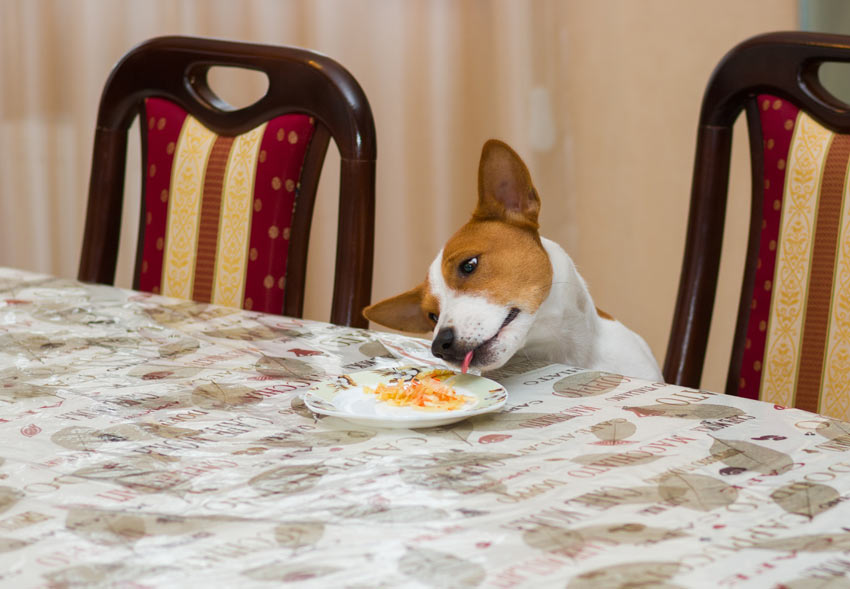
Dogs steal food because scavenging is natural, rewarding, and often accidentally reinforced by people.
If you have ever turned your back for one second and found your snack gone, you are not alone. Why do dogs steal food is a question that comes up in almost every dog home, and the answer is usually a mix of instinct, habit, opportunity, and training gaps. Understanding why your dog does it is the first step to stopping the behavior in a calm, lasting way.

Why Dogs Steal Food
Dogs steal food for a simple reason: it works. Food smells amazing to them, and if a dog gets lucky once, that win can turn into a repeat habit. In my experience, the dogs most likely to snatch food are not “bad” dogs. They are smart, opportunistic, and very good at learning what gets results.
This behavior can come from natural scavenging instincts, hunger, boredom, stress, curiosity, or weak boundaries in the home. Why do dogs steal food is really a question about motivation and reinforcement. When we look at the full picture, the behavior makes much more sense.
The Main Reasons Dogs Steal Food
1. Scavenging is part of dog nature
Dogs are descendants of animals that survived by finding food wherever they could. That scavenger instinct is still strong today. A chicken bone on the counter can look like treasure to a dog.
This does not mean your dog is trying to misbehave. It means their brain is wired to notice food fast and act fast. Why do dogs steal food often starts here, with basic survival instincts that never fully went away.
2. Food smells better to dogs than to us
A dog’s nose is far more sensitive than ours. Even a tiny crumb can smell like a feast. Leftover grease, cheese, meat, and baked goods can be impossible for a dog to ignore.
I have seen dogs ignore an entire room, then somehow zero in on a sandwich hidden under a napkin. That is not magic. That is scent power. Why do dogs steal food becomes easier to understand once you realize how intense food smells are to them.
3. The behavior has been rewarded before
Dogs repeat behaviors that bring results. If your dog stole food once and nobody noticed, or they got a tasty bite by accident, they learned a lesson. The lesson was simple: stealing food pays off.
Even small reactions can reinforce the habit. Laughing, chasing, or yelling can make the moment exciting. In many homes, why do dogs steal food is really “why did this work before?”
4. They are bored or under stimulated
A bored dog will often make their own fun. Food theft can become entertainment, especially for young dogs. If your dog does not get enough exercise, play, or mental work, the kitchen may become their favorite adventure zone.
This is common in high-energy breeds and in puppies that need more structure. A dog that steals food may not be hungry at all. They may just be looking for something to do.
5. They are anxious or stressed
Some dogs eat or scavenge more when they feel uneasy. Stress can come from noise, changes at home, separation, new pets, or inconsistent routines. Food can feel comforting and predictable.
This is one reason why punishment alone often fails. If the root issue is stress, your dog needs calm structure, not just correction. Why do dogs steal food sometimes has an emotional answer, not just a training answer.
6. They are hungry or not getting enough nutrition
A dog that is truly underfed may steal food more often. This can happen if meal portions are too small, the food is low quality, or feeding times are inconsistent. It can also happen if another pet is stealing their meals first.
If you suspect real hunger, check the feeding plan with your vet. You want to rule out medical or nutritional issues before treating the behavior as pure mischief. Why do dogs steal food should always include the possibility of a physical cause.
7. They learned that counters, tables, and trash are open invitations
Dogs are excellent pattern readers. If food is left out often, they learn the house rules very quickly. Some dogs only need two or three successful raids before they understand where the good stuff lives.
This is why management matters so much. Training is helpful, but prevention is the first line of defense. A dog cannot steal food that is not accessible.
Common Situations That Lead to Food Stealing
Food stealing does not always happen the same way. The setting matters. Once you know the trigger pattern, you can fix it faster.
Common high risk situations include:
- Meals left on low tables or counters
- Uncovered trash cans
- Kids dropping snacks on the floor
- Guests feeding the dog from the table
- Grocery bags left within reach
- Outdoor barbecues with lots of smells and distractions
In real life, these are the moments when why do dogs steal food becomes a household headache. The dog is not usually plotting. They are simply taking advantage of what is available.
What Your Dog May Be Trying to Tell You
Food stealing can be a clue. It may tell you that your dog needs more structure, more exercise, better meal timing, or more supervision. It can also point to stress or a medical issue.
Watch for the bigger picture:
- Is your dog stealing only around meals?
- Does it happen when they are alone?
- Are they stealing only certain foods?
- Do they seem restless, clingy, or overly anxious?
- Has their appetite changed?
If food stealing starts suddenly, or if your dog also seems very hungry all the time, talk to your vet. Conditions like diabetes, thyroid problems, digestive issues, or medication effects can sometimes change appetite. That is an important part of answering why do dogs steal food in a responsible way.
How To Stop Dogs From Stealing Food
The best plan uses both management and training. You want to stop the wins and teach better habits. Think of it like closing the candy jar and teaching manners at the same time.
1. Remove easy access
Start by making food harder to reach. Put away leftovers, use sealed containers, and keep counters clear. Cover trash cans and do not leave bags on the floor.
This sounds basic, but it works. I have seen many food theft problems fade fast once the environment was cleaned up. Prevention is not failure. It is smart training.
2. Feed on a schedule
Predictable meals help reduce random scavenging. Dogs do better when they know when food is coming. A regular schedule can lower anxiety and begging.
If your dog is acting hungry all the time, review portion sizes with your vet. You may be feeding too little, too infrequently, or with food that does not keep them full. Why do dogs steal food often gets easier to solve once meals become more consistent.
3. Teach a strong “leave it” cue
“Leave it” is one of the most useful skills for dogs. Start with low value food in your hand, then build up to stronger temptations. Reward your dog for backing away and checking in with you.
Use short sessions and lots of praise. You are teaching self control, not just obedience. That skill helps in the kitchen, on walks, and anywhere food appears.
4. Reward calm behavior around food
Instead of waiting for bad behavior, reward the good stuff. If your dog lies quietly while you cook, praise them or give a safe chew. This teaches them that calm behavior pays too.
This is especially helpful for dogs that hover in the kitchen. You want the kitchen to feel boring, not exciting. Calm repetition can change a lot over time.
5. Give more mental and physical exercise
A tired dog is usually a better behaved dog. Daily walks, sniffing games, puzzle feeders, and short training sessions can help burn off restless energy. Mental work can be just as important as physical exercise.
If your dog steals food out of boredom, this step matters a lot. Think of it as giving their brain a job. Dogs that work for their food often become less grabby with yours.
6. Avoid accidental reinforcement
Do not chase your dog if they grab food. Do not make it into a game. If safe, stay calm, trade for a better item, and focus on prevention next time.
This was one of the biggest lessons I learned early on. The more dramatic the response, the more memorable the event can become. Why do dogs steal food can turn into “because it was fun” if we are not careful.
7. Use baby gates or crate time when needed
During cooking, parties, or family meals, management tools can save everyone stress. A crate, pen, or blocked-off area gives your dog a safe place away from temptation. That is not punishment when done kindly and correctly.
This is often the easiest fix for counter surfing and table sneaking. Management protects your training while you build better habits. It also prevents the dog from rehearsing the behavior.
Foods Dogs Are Most Likely To Steal
Dogs usually target strong-smelling, high-fat, or high-value foods. These foods are especially tempting:
- Meat
- Cheese
- Pizza
- Butter
- Fried foods
- Bread
- Cookies
- Pasta
- Trash scraps
- Food dropped by children
Some human foods can also be dangerous. Chocolate, grapes, raisins, onions, garlic, xylitol, and cooked bones can cause serious harm. So when people ask why do dogs steal food, it is not just about manners. It is also a safety issue.
When Food Stealing Becomes a Problem
A little food interest is normal. Constant stealing is not. If your dog cannot relax around any food, that can signal a deeper issue.
Watch for these red flags:
- Stealing happens daily
- Your dog becomes frantic around meals
- They guard stolen items
- They steal food even after being fed
- They show weight loss or sudden appetite change
- They also eat nonfood items
If you see these signs, bring in your vet or a certified trainer. The earlier you act, the easier it is to change the pattern. Why do dogs steal food can sometimes point to medical or behavior support needs.
Personal Lessons From Real Training Situations
One of the most common mistakes I have seen is assuming the dog “knows better.” Most dogs do not fail because they are stubborn. They fail because the temptation is strong and the environment is too easy.
I also learned that consistency beats intensity. A calm, repeated routine works better than one big lecture after the fact. If the dog gets food from the counter once a week, that one win can keep the habit alive for months.
Another practical lesson: family rules must match. If one person gives table scraps and another corrects the dog, the message gets messy. Dogs are very good at spotting mixed signals. Why do dogs steal food often has a human side, too.
Frequently Asked Questions of Why Do Dogs Steal Food?
Why does my dog steal food even after being fed?
Your dog may be acting on habit, boredom, or learned reward, not hunger. Some dogs steal food simply because it is available and exciting.
Is food stealing a sign of dominance?
No, not usually. Food stealing is more often about opportunity, scavenging instinct, or reinforcement than dominance.
How do I stop my dog from counter surfing?
Keep counters clear, use management like gates or supervision, and teach “leave it” and “place.” Consistency is key, because one successful grab can reinforce the habit.
Can stress make dogs steal food?
Yes, stress can make some dogs scavenge more. If the behavior started after a big change at home, look at the dog’s routine, comfort, and daily needs.
Should I punish my dog for stealing food?
Punishment usually does not solve the root problem and can make dogs anxious or sneaky. It is better to prevent access, reward good behavior, and teach clear alternatives.
Conclusion
Why do dogs steal food? Usually because food is tempting, easy to reach, and rewarding enough to repeat. In many cases, the behavior grows from a mix of instinct, habit, boredom, stress, and inconsistent boundaries.
The good news is that this is fixable. Keep food out of reach, use a steady feeding routine, teach helpful cues, and give your dog more mental and physical exercise. If the behavior seems sudden or extreme, check with your vet so you do not miss a medical issue.
If this has been happening in your home, start with one small change today and build from there. A few simple habits can make your kitchen calmer and your dog much easier to live with. If you found this helpful, keep exploring more dog behavior tips and share your experience in the comments.