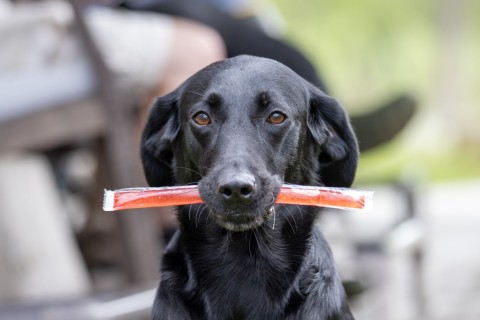
A dog steals food because the behavior is rewarding, not because they are being “bad.”
If you want to know how to discipline a dog for stealing food, the real answer is to stop the habit before it pays off, then teach a better choice every time. I’ve worked with plenty of dogs that treated a kitchen counter like a buffet, and the fix was never harsh punishment. It was clear rules, smart setup, and steady training that made the right behavior easier than the wrong one.
Why dogs steal food in the first place
Dogs usually steal food for simple reasons. Food smells good, the reward is immediate, and many dogs have learned that sneaking food works. If your dog gets a bite from the table even once, that win can stick in their mind for a long time.
Common reasons include:
- Hunger or poor meal timing
- Boredom or under-stimulation
- Reinforcement from people sharing food
- Weak boundaries around counters, tables, or trash cans
- High-value smells that trigger instinct
In my experience, many owners think the dog is being stubborn. More often, the dog is being clever. Dogs repeat what works, just like people do.
What discipline should look like for food stealing
When people ask how to discipline a dog for stealing food, they often picture yelling or swatting. That usually backfires. It can create fear, anxiety, or sneaky behavior, and it does not teach the dog what to do instead.
Good discipline means:
- Preventing the behavior
- Teaching a replacement behavior
- Rewarding the right choice
- Staying consistent every time
Think of it like training a child not to touch a hot stove. You do not just say “no” once and hope for the best. You make the stove less available, guide the child, and reinforce the safer habit.

Step 1: Stop rewarding the stealing behavior
If your dog steals food and sometimes gets a bite, the behavior becomes stronger. This is one of the biggest mistakes I see. A dog does not need a full meal to learn the lesson; even one crumb can keep the habit alive.
To stop rewarding the behavior:
- Never leave food unattended on counters or tables
- Use covered trash cans
- Put leftovers away right after meals
- Keep bags, pans, and plates out of reach
- Avoid feeding scraps from the table
This is where discipline starts. Before training, remove the chance to win.
Step 2: Manage the environment
Management is not the same as training, but it is essential. If the dog can keep rehearsing food theft, training will move much slower. Good management protects the dog from practicing the wrong behavior.
Helpful setup changes include:
- Use baby gates to block kitchen access
- Crate your dog during meals if needed
- Keep the dog on leash in the house during early training
- Store food in sealed containers
- Clean counters and floors fast after cooking
I once worked with a Labrador who had a real talent for counter surfing. The family had to treat the kitchen like a training zone for a few weeks. Once food stops becoming available, the dog gets fewer chances to “cash in” on the habit.
Step 3: Teach a strong leave it cue
If you want to know how to discipline a dog for stealing food in a fair way, “leave it” is one of the best tools. It gives the dog a clear job instead of just a correction. With practice, it becomes a lifesaver around dropped food, plates, and counters.
How to teach it:
- Hold a treat in your closed hand.
- Let your dog sniff or paw at it.
- The moment they back off, say “yes” or click.
- Give a different treat from the other hand.
- Repeat until your dog leaves the treat alone right away.
Then make it harder:
- Use food on the floor
- Use food on a table edge
- Practice near the kitchen
- Reward calm ignoring of food
The goal is not just obedience. The goal is self-control.
Step 4: Reward calm behavior around food
Dogs do what pays. If calm behavior around food earns attention or treats, that habit grows stronger. This is one of the most humane and effective parts of how to discipline a dog for stealing food.
Reward:
- Sitting quietly near the table
- Going to a mat during meals
- Ignoring dropped food
- Waiting at a distance from counters
- Moving away when asked
Use small treats, praise, or a favorite toy. Keep rewards simple and fast. Dogs learn best when the reward comes right after the right choice.

Step 5: Use meal routines to reduce temptation
A predictable routine helps many dogs feel calmer and less food-driven. When meals are random or the dog is underfed, stealing can get worse. Regular feeding times can lower the urge to scavenge.
Try this:
- Feed at the same time each day
- Offer enough food for the dog’s age and size
- Split meals into two portions if needed
- Add puzzle feeders or slow feeders
- Give a short walk or play session before your meal time
Many dogs are less likely to beg or steal if they are mentally and physically satisfied. A tired, fed, and trained dog is a much easier roommate.
Step 6: Correct the moment, not with anger
If you catch your dog in the act, interrupt calmly. Use a firm “leave it” or “off,” then guide them away from the food. Do not chase, yell, or make a big scene. For many dogs, that turns into a game.
Best corrections are:
- Calm verbal interruption
- Redirection to a mat or place cue
- Temporary leash control
- Removal from the kitchen if needed
Timing matters more than intensity. If you correct the dog long after the act, they will not connect it to the stolen food.
Step 7: Train an alternate behavior
A dog cannot steal food and hold a place cue at the same time. That is why teaching a replacement behavior works so well. You are not just stopping a bad habit. You are giving the dog a job.
Useful alternate behaviors include:
- Go to mat
- Sit and stay
- Lie down in another room
- Target hand touch
- Wait at the doorway
Start easy, then increase difficulty slowly. Practice with low-value food before moving to pizza, chicken, or anything that smells like a party.
Step 8: Be careful with punishment
This part matters. Harsh punishment can damage trust and make food theft worse in the long run. Dogs may become more secretive, anxious, or defensive around food. Some may even guard stolen items more tightly.
Avoid:
- Hitting
- Yelling
- Scaring the dog with objects
- Forcing the dog away violently
- Punishing after the fact
The American Veterinary Society of Animal Behavior and many certified trainers favor reward-based methods because they are safer and more effective for long-term learning. If stealing happens often or your dog seems frantic around food, it is worth looking at stress, hunger, or medical causes too.
Step 9: Check for medical or behavior issues
Sometimes food stealing is more than training. A dog that suddenly becomes food obsessed may need a vet check. Increased appetite can come from medical problems or medication effects.
Ask your vet about:
- Parasites
- Diabetes
- Thyroid issues
- Digestive problems
- Medication side effects
If the behavior is new, intense, or paired with other changes, do not assume it is only a manners issue. Trustworthy training starts with ruling out health concerns.
Common mistakes owners make
A lot of well-meaning owners accidentally make food stealing worse. I have seen this many times. The dog is not “dominant.” The system around the dog is just too easy to beat.
Watch out for these mistakes:
- Leaving food out during distractions
- Giving scraps from the table
- Using inconsistent rules
- Training only once and expecting instant change
- Laughing when the dog steals something small
- Punishing after the dog has already finished eating it
Consistency is the hidden secret. Dogs love clear patterns. When the rules keep changing, the habit keeps winning.
Real-life training example
I once helped a family whose beagle stole dinner rolls every night. They blamed the dog, but the real issue was that the rolls were always left near the stove while everyone sat down. We fixed the setup first, then taught “place” and “leave it” every day.
Within two weeks, the dog stopped patrolling the kitchen. The family thought it was magic, but it was really repetition and better management. That is the truth behind how to discipline a dog for stealing food: make the right choice easy, and the wrong choice unrewarding.
How long it takes to change the habit
There is no exact timeline. Some dogs improve in a few days if the problem is mild and the setup is fixed. Others need several weeks of consistent practice, especially if they have stolen food for years.
Progress depends on:
- How often the dog practiced the habit
- How consistent the household is
- The dog’s age and drive for food
- Whether training is positive and regular
- Whether the environment is well managed
Expect improvement in small steps. A dog that steals less often is still making progress.
Prevention tips that really work
The easiest way to discipline food stealing is to prevent it before it starts. Prevention saves time, stress, and mess.
Use these habits every day:
- Do not leave plates within reach
- Teach children not to hand-feed from the table
- Use closed doors or gates during meals
- Keep countertops clean
- Train a solid “place” cue
- Reward calm choices often
Think of prevention as building a fence around the behavior you do not want. It is simple, but it works.
Frequently Asked Questions of How to Discipline a Dog for Stealing Food
Should I punish my dog for stealing food?
No, harsh punishment is not the best answer. It can create fear and does not teach the dog what to do instead. Calm correction, management, and reward-based training work much better.
Why does my dog keep stealing food even after being told no?
Because food stealing is self-rewarding. If the dog has ever gotten food from the counter or table, the habit becomes stronger and harder to break. You need to stop access and train an alternate behavior.
Is it okay to use a crate during meals?
Yes, if the crate is used calmly and positively. It can help prevent stealing while you train better habits. Just make sure your dog is comfortable in the crate and never sees it as punishment.
What command works best for food stealing?
“Leave it” is one of the most useful commands. “Place” or “go to mat” also helps a lot because it gives the dog a clear job during mealtime. These cues are stronger when practiced often and rewarded well.
When should I call a trainer or vet?
Call a trainer if the stealing is frequent, intense, or hard to manage at home. See a vet if the behavior is sudden, extreme, or paired with weight loss, vomiting, or increased hunger. That helps rule out medical causes first.
Conclusion
Learning how to discipline a dog for stealing food is really about teaching self-control, not using fear. The best results come from stopping the reward, managing the environment, and giving your dog a better behavior to practice. When you stay calm and consistent, the habit can change.
Start with one small step today, like clearing counters or practicing “leave it” during dinner. If you stay patient and repeat the right routine, your dog can learn fast. If this guide helped, keep building your training plan and share your progress with other dog owners who need the same advice.