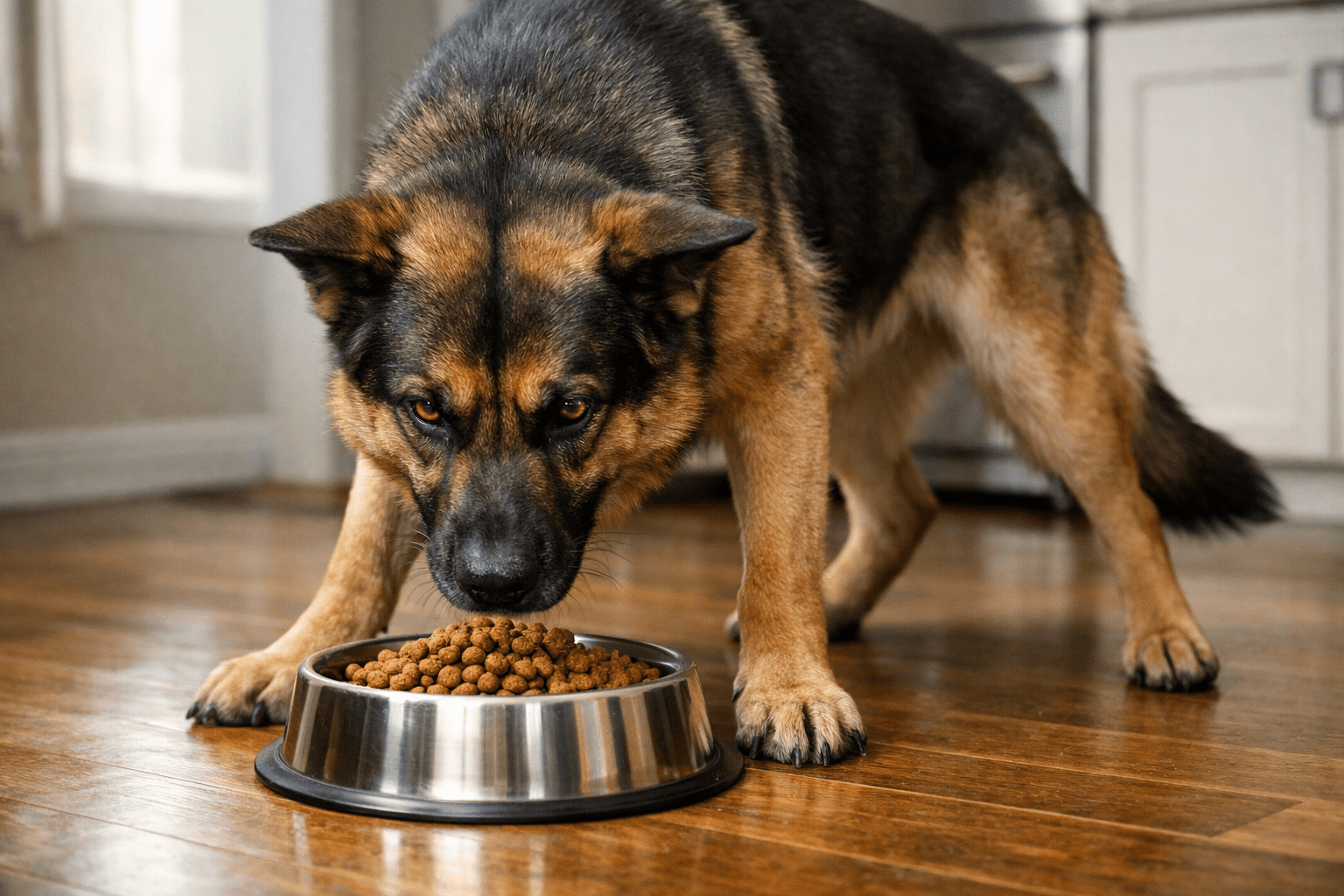
Food stealing and aggression often come from guarding, stress, learned habits, or medical discomfort.
If your dog steals food and acts aggressive, you are not dealing with a “bad dog.” You are seeing a behavior problem that usually has a clear cause, and most of the time it can be improved with the right plan. I’ve seen this pattern many times in real homes: a dog grabs food, then snaps, stiffens, growls, or guards the space like it is life or death. The good news is that once you understand why my dog steals food and is aggressive behavior happens, you can respond in a safer, smarter way.
Why my dog steals food and is aggressive
When people say my dog steals food and is aggressive, they are usually describing two things at once: impulse control trouble and resource guarding. Food is a high-value resource for many dogs, so stealing it can trigger a strong protective response. What looks like “dominance” is usually fear, habit, excitement, or frustration.
In my experience, dogs that steal food and become aggressive often learned that food disappears fast, people chase them, or guarding makes others back off. That pattern can grow quickly if it keeps working for the dog. The first step is to stop thinking in blame terms and start thinking in cause-and-effect terms.
Common reasons include:
- Hunger or poor meal timing, which can make food feel urgent
- Resource guarding, where the dog protects food from people or other pets
- Reinforced habits, such as being rewarded by the stolen food itself
- Stress or anxiety, which can make a dog more reactive
- Pain or illness, which can lower tolerance and increase irritability
- Lack of impulse control, especially in young or highly aroused dogs
If my dog steals food and is aggressive, I also look at the bigger picture. A dog that guards food may also guard toys, beds, or even people. That can help you spot a broader pattern instead of treating only one incident.
Understanding food stealing and aggression in dogs
Food stealing is not the same as food aggression, but the two often show up together. A dog may snatch food from a counter and then growl if approached. Or the dog may only become aggressive after getting hold of the food.
Resource guarding is one of the most common behavior issues behind this pattern. It can range from mild tension to snapping or biting. Signs often include:
- Freezing over the food
- Hard staring
- Eating faster when someone approaches
- Growling, lip curling, or showing teeth
- Snapping if touched or interrupted
- Carrying food away to a hidden spot
A lot of owners miss the early signs because they only notice the “aggressive” part. But the body language usually starts long before that. Once you can read the warning signs, you can prevent a bite instead of reacting after one happens.
There is also a simple learning loop at play. If a dog steals food and is aggressive, and the family backs away every time, the behavior may be unintentionally reinforced. The dog learns, “Guarding works.”
Medical reasons to rule out first
Before assuming this is only a training issue, it is smart to consider health. Pain, nausea, parasites, dental disease, and some hormone problems can all affect food behavior. A dog who feels unwell may act more defensive around food because discomfort lowers patience.
This is one reason veterinarians often recommend a checkup when behavior changes suddenly. If my dog steals food and is aggressive after previously being calm, I would want a medical exam first. That is especially true if you also notice:
- Weight loss or weight gain
- Vomiting or diarrhea
- Bad breath or chewing trouble
- Increased thirst or urination
- Restlessness or sleep changes
- Sudden mood shifts
Even if the vet finds no major illness, the visit still helps. It rules out hidden pain and gives you a clearer path forward.
What to do right away if your dog steals food
If my dog steals food and is aggressive, safety comes first. The goal is to prevent bites and stop the behavior from getting stronger. Do not grab food from your dog’s mouth if the dog has already shown guarding behavior.
Start with management:
- Keep counters clear
- Put food away immediately after meals
- Use trash cans with secure lids
- Feed pets separately
- Keep kids away from the dog during food times
- Use baby gates or closed doors when needed
If your dog already has stolen food, do not chase or corner the dog. That usually raises tension. Instead, create distance and use a calm trade or distraction only if your dog has not shown serious aggression during food stealing.
A useful rule from behavior work is this: do not rehearse the problem. Every successful food theft makes the habit stronger. Every tense confrontation can make guarding worse.
Training strategies that help
Training works best when it is calm, consistent, and built on trust. The aim is not to “win” food from the dog. The aim is to make people near food feel safe, predictable, and rewarding.
Helpful strategies include:
Teach a solid leave it cue
This is one of the most valuable skills for a dog that steals food. Start with low-value items, then slowly build up to harder temptations. Reward the dog for backing off, not for taking the item first.
Use trade rather than take
If your dog has a stolen item and is not highly aggressive, offer something better. For example, swap the food for a treat your dog values more. The message is simple: giving up food leads to good things.
Reward calm behavior near food
Practice sitting quietly near food bowls, counters, or meal prep areas. Give treats for calm looks, loose body posture, and relaxed behavior. This changes the emotional picture from “food means threat” to “food means good things happen.”
Feed on a schedule
Predictable meal times reduce panic and scavenging. Many dogs do better when they know when food is coming. That routine can lower food obsession over time.
Avoid punishment
Punishment often makes things worse. If my dog steals food and is aggressive, yelling or hitting may suppress the warning growl, but it does not fix the fear or guarding underneath. A dog that stops warning may go straight to biting.
A behavior plan for multi-dog homes
Things can get more intense if there is more than one pet in the house. Dogs often steal food from each other, then guard it, then trigger fights. This is where management matters even more than training.
Good steps for multi-dog homes:
- Feed dogs in separate rooms
- Pick up bowls after meals
- Remove access to counter food and unattended plates
- Supervise chew toys and high-value treats
- Use crates or barriers if needed
- Watch for bullying around the kitchen or dining area
I once worked with a family whose two dogs had turned dinner time into a daily argument. The real fix was not one miracle command. It was changing the whole routine so the dogs never had to compete in the first place. That kind of prevention is boring, but it works.
How to reduce aggression safely
If my dog steals food and is aggressive, the biggest mistake is pushing too fast. Safety and patience matter. You want to lower the emotional pressure, not test the dog.
Try these safety-focused steps:
- Keep your hands away from the dog while it is eating
- Do not hover over the bowl
- Feed in a quiet space with fewer distractions
- Use high-value rewards only in controlled training sessions
- Watch for early stress signs like freezing or stiff posture
- Get professional help if the dog has already bitten
For serious cases, I strongly recommend working with a qualified dog behavior professional. A certified trainer or veterinary behaviorist can build a plan that matches your dog’s risk level. That is especially important if the dog has a history of snapping or biting.
Mistakes to avoid
A lot of owners accidentally make food stealing and guarding worse. These mistakes are common, and they are easy to miss when emotions run high.
Avoid these:
- Chasing the dog after stolen food
- Reaching into the mouth to grab the item
- Using angry voice corrections
- Taking the bowl away while the dog is guarding
- Allowing children to “teach” the dog a lesson
- Leaving tempting food within reach
If my dog steals food and is aggressive, I also avoid setting up fail situations. For example, leaving pizza on the edge of a table and then blaming the dog is not fair or useful. Management is part of training, not a failure.
When to call a professional
Not every case can be solved with basic training alone. Some dogs need a careful behavior plan, especially if aggression is strong or unpredictable. If the guarding is escalating, do not wait.
Call a professional if:
- Your dog has snapped or bitten
- The guarding involves multiple resources
- Children are in the home
- The dog stiffens or growls often around food
- Your dog has intense anxiety or panic around meals
- You feel unsafe handling the dog
A good professional can help you assess risk and build a step-by-step plan. They can also show you how to work below your dog’s stress threshold, which is where real learning happens.
Long-term prevention tips
The best way to handle my dog steals food and is aggressive is to build habits that stop the cycle early. Prevention is easier than fixing a well-practiced behavior. Think of it like locking the doors before a storm, not after the water is already in the house.
Long-term prevention works best when you:
- Keep food off counters and tables
- Teach impulse control skills like wait and leave it
- Feed on a routine
- Give dogs safe chew items in supervised settings
- Manage stress and avoid rough mealtime interactions
- Watch for warning signs before behavior escalates
I also like to remind owners that progress is usually not a straight line. Some dogs improve fast. Others need weeks or months. The point is not perfection. The point is steady change and fewer dangerous moments.
Frequently Asked Questions of My Dog Steals Food and Is Aggressive
Why does my dog steal food and growl when I try to take it?
This is often resource guarding. Your dog may see the food as highly valuable and feel threatened when someone comes close.
Is food aggression in dogs dangerous?
It can be, especially if the dog snaps, bites, or guards around children. Even mild cases should be taken seriously because behavior can escalate over time.
Can training fix food stealing and aggression?
Yes, many dogs improve with management, training, and patience. Severe cases may also need help from a certified behavior professional or veterinarian.
Should I punish my dog for stealing food?
No, punishment usually makes guarding worse and can increase fear. Calm prevention and positive training are safer and more effective.
When should I worry about a medical cause?
If the behavior starts suddenly or comes with weight loss, vomiting, pain, or appetite changes, a vet visit is important. Health problems can make food behavior more intense.
Conclusion
When my dog steals food and is aggressive, the problem is usually a mix of guarding, habit, stress, or discomfort. The safest response is to manage the environment, avoid punishment, rule out medical issues, and teach calm food manners step by step. With the right plan, most dogs can improve and feel much less tense around food.
If your dog is showing this behavior, start with prevention today and get help early if the aggression is strong. A calmer feeding routine can make a huge difference. If this guide helped, keep learning, talk with a trusted professional if needed, and share your experience with other dog owners.