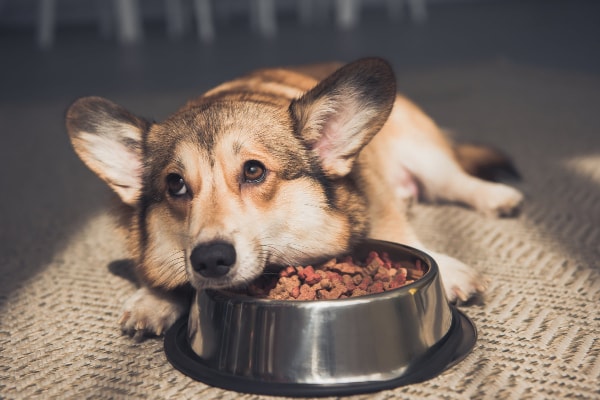
Dogs want your food because it smells richer, tastes stronger, and feels socially rewarding.
If you have ever sat down to eat and seen your dog lock eyes on your plate, you are not alone. I have seen this behavior in puppies, adult dogs, and even very well trained pets, and the reason is usually a mix of instinct, smell, learned habits, and simple curiosity. In this article, we will break down why dogs always want to eat your food, what is normal, what can become a problem, and how to handle it in a calm, healthy way.
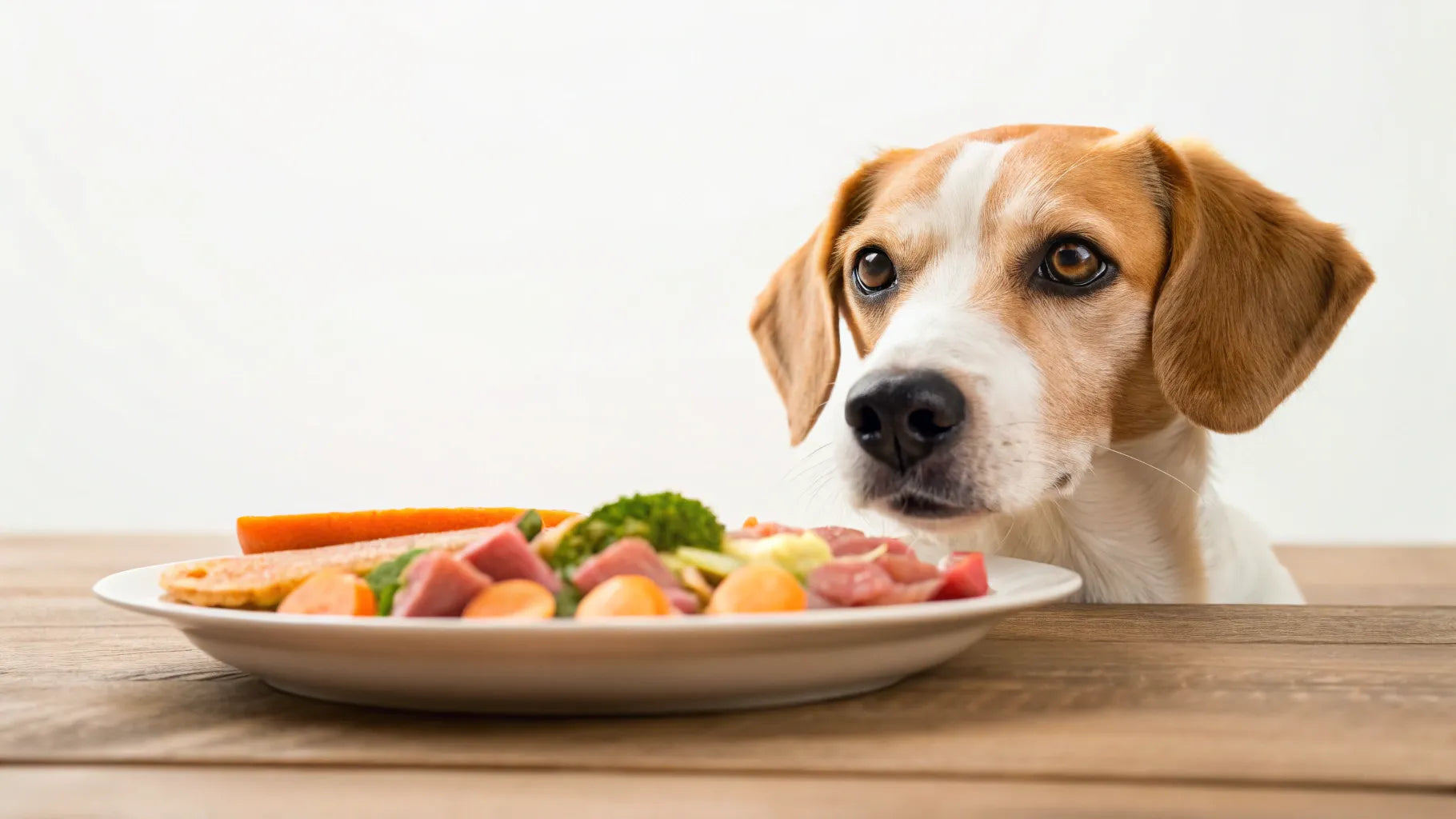
Why dogs always want to eat your food
Dogs do not beg just because they are “being naughty.” Most of the time, why dogs always want to eat your food comes down to biology and learning. Human food often smells more intense than dog food, and dogs are built to notice scent first.
There is also a powerful social part to it. In many homes, dogs learn that food from people is a special reward, so they keep trying because the behavior has worked before. If a dog has ever gotten even one bite of chicken, cheese, or toast, it may remember that moment for a long time.
The science behind your dog’s food obsession
A dog’s sense of smell is far stronger than ours. Research often shows dogs have hundreds of millions of scent receptors, which means a tiny crumb of bacon or pizza can seem huge to them. That smell alone can trigger interest before they even see the food.
Dogs also evolved as opportunistic eaters. In the wild, they did not always know where the next meal was coming from, so grabbing safe food when available was a smart survival skill. That instinct still lives on today, which is one reason why dogs always want to eat your food even when their bowl is full.
Another piece is reward learning. Dogs are excellent at connecting actions with outcomes. If begging at the table sometimes leads to a bite, the habit gets stronger fast.

Source: wertbeimessungsstoerung.de
Common reasons dogs beg for human food
There is rarely just one reason behind the behavior. In many real homes, it is a mix of smell, habit, boredom, and routine. I have seen dogs that ignore their own kibble but become laser focused the second someone unwraps a sandwich.
Here are the most common causes:
- Strong smell and taste: Human food usually has more fat, salt, and seasoning.
- Learned behavior: The dog has been rewarded before, even once.
- Routine: If people always share during meals, the dog expects it.
- Boredom: Some dogs beg because mealtime is exciting and they want attention.
- Hunger or poor diet fit: A dog may be genuinely unsatisfied if meals are not balanced or filling.
- Anxiety or insecurity: Food seeking can sometimes be part of stress behavior.
The key is not to assume every dog is greedy. Sometimes why dogs always want to eat your food is really about environment and training, not personality.
Is your dog actually hungry?
Sometimes the answer is yes, but not always. A dog that constantly begs may be underfed, eating a low quality diet, or burning more calories than expected. This can happen with active breeds, growing puppies, pregnant dogs, and dogs with certain health issues.
That said, many dogs beg even when they are perfectly fed. In those cases, the behavior is more about habit than hunger. A simple check is to ask yourself:
- Is the food portion correct for age, size, and activity level?
- Is the dog maintaining a healthy body condition?
- Does the dog eat with interest at regular meals?
- Has a vet ruled out medical causes if hunger seems extreme?
If your dog acts frantic around food, it is worth talking to a veterinarian. Increased appetite can sometimes point to thyroid issues, diabetes, parasites, or other medical problems.
How your own habits may be making it worse
This is the part many people do not realize. Dogs learn from what we repeat, and humans are very repeatable around food. If your dog gets bites from the table, follows you into the kitchen, or gets attention while begging, you may be training the behavior without meaning to.
I have made this mistake myself with a foster dog years ago. One “just this once” bite of scrambled egg turned into daily kitchen patrol duty. It took a few weeks of consistency to undo what one small habit had taught.
Things that make begging worse:
- Feeding from the table even sometimes
- Giving food to stop whining
- Letting the dog hover during meals
- Using food as a way to calm excitement
- Leaving food within reach
If you want the behavior to fade, everyone in the house has to follow the same rule.
Why some foods are especially tempting
Not all human food is equal in a dog’s eyes. Foods that are warm, oily, salty, or meaty tend to stand out more. Think roasted chicken, burgers, bacon, cheese, buttered toast, and anything with gravy.
These foods are extra tempting because they combine smell, fat, and flavor. Dogs are often drawn to:
- Meat and fish
- Dairy foods like cheese
- Greasy or fried foods
- Warm leftovers
- Sweet baked goods, though these can be dangerous depending on ingredients
This does not mean dogs should eat these foods. It only explains why why dogs always want to eat your food is such a common question in the first place.
Is it ever okay to share human food?
Sometimes, yes, but only in safe, small amounts. Plain cooked chicken, plain rice, carrot pieces, green beans, and some fruits can be fine for many dogs when offered in moderation. The important word is moderation.
You should avoid foods that are toxic or risky, such as:
- Chocolate
- Grapes and raisins
- Onions and garlic
- Xylitol or birch sugar
- Alcohol
- Very salty or heavily seasoned foods
- Cooked bones
If you are unsure, ask your veterinarian before sharing anything new. A treat that seems harmless to you can upset a dog’s stomach or cause a serious emergency.
How to stop your dog from begging
Breaking the habit takes patience, but it can be done. The goal is to teach your dog that your meals are boring and predictable, while their own food and treats come at the right time.
Try these steps:
- Feed your dog before your meal if needed
A satisfied dog is often less focused on your plate. - Use a place cue
Teach your dog to go to a bed, mat, or crate during meals. - Reward calm behavior away from the table
Give praise or a safe treat after your dog settles. - Stop all table scraps
Consistency matters more than occasional kindness. - Manage the environment
Use baby gates, closed doors, or leash control during family meals. - Provide mental exercise
Puzzle toys, sniffing games, and training can reduce food obsession.
When I work with food-motivated dogs, I usually tell people this: do not just say no, give the dog something better to do. That simple shift often makes a huge difference.

Source: royalkennelclub.com
When food obsession may signal a deeper issue
Sometimes why dogs always want to eat your food is not just behavior. It can be tied to medical or emotional issues. A sudden change in appetite, stealing food from counters, or acting frantic around meals should get attention.
Watch for warning signs like:
- Weight loss or weight gain
- Vomiting or diarrhea
- Increased thirst
- Restlessness at night
- Pacing near food areas
- Sudden aggression around food
These signs do not always mean something serious, but they should not be ignored. A vet exam can help rule out health problems and give you a clearer plan.
Building better mealtime habits at home
Good habits make life easier for everyone. Dogs do best when the routine is clear, calm, and predictable. You do not need harsh punishment to solve this problem.
Helpful habits include:
- Feeding at the same times each day
- Keeping meals out of reach
- Teaching “leave it” and “place”
- Using slow feeders if your dog gulps food
- Avoiding eye contact and talking during begging
- Giving your dog a safe chew or toy after you eat
The more your dog learns that calm behavior pays off, the less likely it is to fixate on your dinner. Over time, why dogs always want to eat your food becomes less of a mystery and more of a training issue you can manage.
FAQs For Why Do Dogs Always Want To Eat Your Food
Why does my dog beg even after eating?
Some dogs beg out of habit, not hunger. If they have learned that begging sometimes leads to a snack, they will keep trying.
Can my dog smell food from another room?
Yes, most dogs can smell food from far away, especially strong items like meat, cheese, or fried foods. Their sense of smell is powerful enough to detect tiny scent trails that people miss completely.
Why does my dog only want my food and not dog food?
Human food is usually more aromatic, richer, and more rewarding from the dog’s point of view. If your dog refuses regular meals, it may also be a sign of pickiness, boredom, or a health issue.
Should I worry if my dog suddenly starts begging more?
A sudden increase in begging can sometimes point to a medical or behavioral change. If it happens along with weight loss, vomiting, or extra thirst, schedule a vet visit.
Is it bad to give my dog a few bites from my plate?
Occasional safe bites are not always harmful, but they can create a strong begging habit. If your goal is better manners, it is usually best to stop plate sharing and use planned treats instead.
Conclusion
Why dogs always want to eat your food comes down to a mix of smell, instinct, habit, and the rewards they have learned from us. In most homes, begging is not a mystery problem, but a behavior that grows every time it gets attention or a bite.
The good news is that you can change it with consistency, healthy routines, and a little patience. Start by feeding well, setting clear mealtime rules, and rewarding calm behavior away from the table. If your dog’s appetite seems extreme or unusual, check with a veterinarian so you can rule out health concerns and make the best plan for your pet.
If this helped, keep learning about dog behavior, share the article with another pet owner, or leave a comment about the funniest food-stealing moment your dog has ever pulled off.