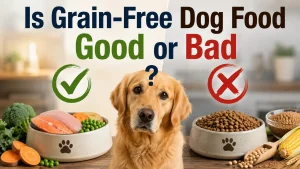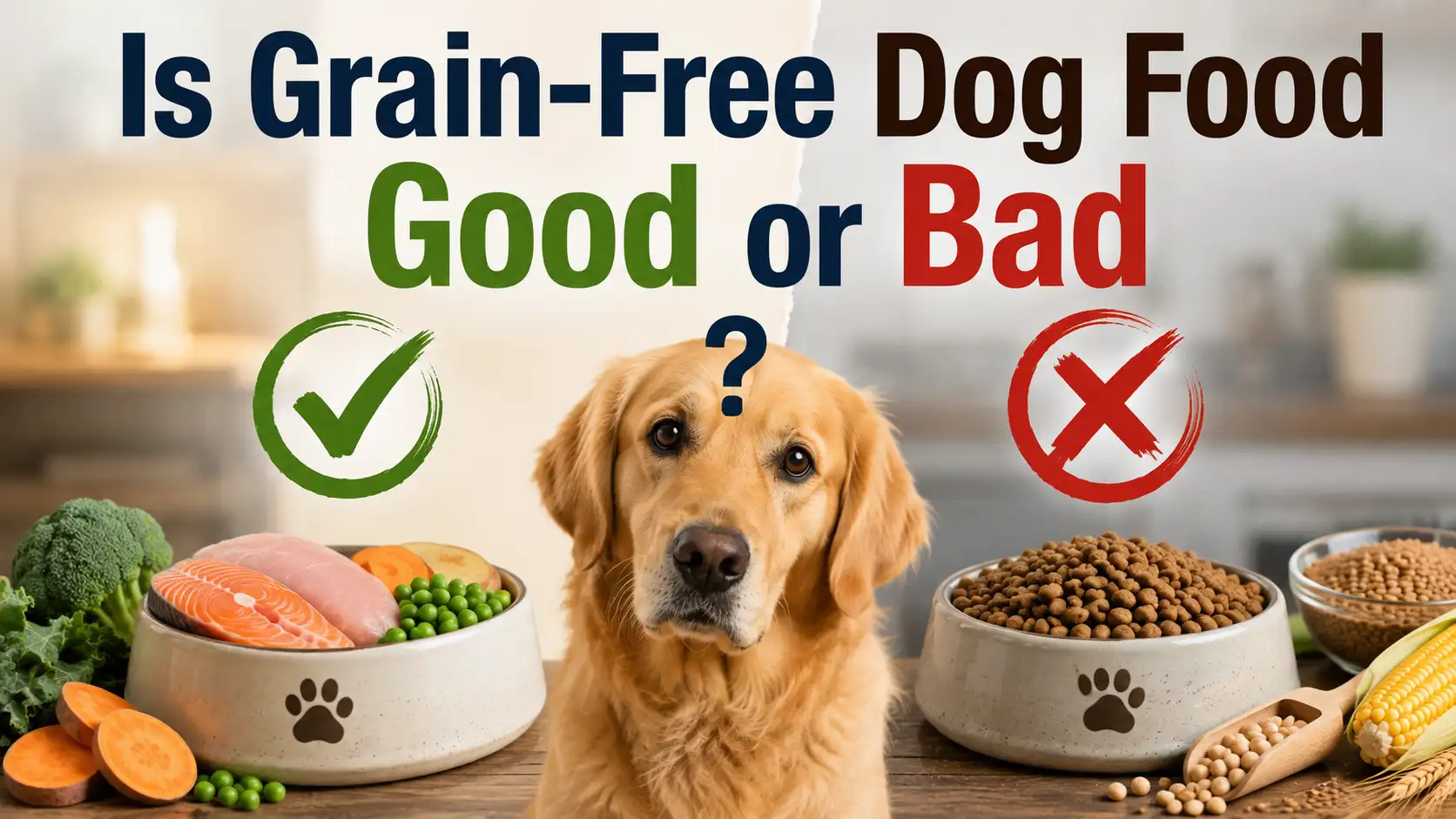
Hi, I am Zak Fahim. If you have walked down a pet supply aisle recently, you have probably felt overwhelmed. Bags of dog food scream “Grain-Free” in big, bold letters, making it seem like the healthiest choice in the world for your furry best friend. You want the best for your dog, so you naturally start wondering: is grain-free dog food good or bad?
I get asked this question all the time by new pet parents and experienced dog owners alike. We all just want to feed our dogs the right things. Years ago, the pet food industry pushed the idea that grains were bad filler ingredients. This made many of us panic and switch our dogs to grain-free diets. But the science of pet nutrition has evolved, and the advice from veterinarians has shifted.
Here is the thing. Figuring out what goes in your dog’s food bowl does not need to be stressful. In this guide, I will break down exactly what grain-free means, why grains can actually be great for dogs, and how to make the best choice for your pet’s health. Let’s dig in.

Quick Answer
For most everyday dogs, grain-free dog food is not necessary and may actually pose health risks over time. Unless your dog has a diagnosed grain allergy—which is quite rare—whole grains like oats, barley, and brown rice provide essential energy, fiber, and nutrients. Recently, veterinary experts have been investigating a potential link between grain-free diets and heart issues in dogs. Because of this, most veterinarians recommend feeding a balanced, grain-inclusive diet unless a specific medical condition requires otherwise.
What Pet Owners Should Know About Grain-Free Diets
To understand if grain-free is good or bad, we first need to look at what it actually is. When a dog food brand removes grains like wheat, corn, rice, and oats, they have to replace those ingredients with something else to hold the kibble together and provide carbohydrates. You will often see these replacements on the ingredient list:
- Peas and green peas
- Lentils
- Chickpeas
- Potatoes and sweet potatoes
Many pet owners assume that grain-free means the food is low in carbohydrates or packed with more meat. That is usually a myth. Grain-free foods often have just as many carbohydrates as regular foods, they just come from legumes or potatoes instead of grains.
Let me explain why this matters. Dogs are not wolves. Over thousands of years of living alongside humans, dogs evolved to digest carbohydrates and starches very well. Whole grains provide your dog with excellent sources of fiber for digestion, essential fatty acids for a shiny coat, and vitamins for overall pet health.
The biggest concern today comes from the FDA investigation into canine heart disease. Veterinary researchers noticed a spike in a serious heart condition called Dilated Cardiomyopathy (DCM) in dog breeds that do not normally get it. The common link? Many of these dogs were eating boutique, exotic, or grain-free diets that were heavy in peas and lentils.
Signs Your Pet May Need a Diet Change or Vet Advice
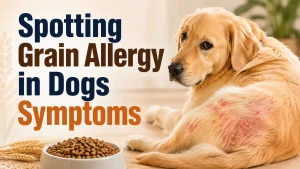
Sometimes, we worry our dog needs a grain-free diet because they are scratching a lot or having tummy troubles. It is true that food allergies exist, but they are almost always caused by animal proteins like beef, chicken, or dairy, rather than grains.

If your dog is acting off, you need to know what signs to look for. Some symptoms mean you can just slowly switch their kibble, while others mean you need to call the vet right away.
| Sign or Symptom | What It Might Mean | Next Step for Pet Parents |
|---|---|---|
| Mild, occasional loose stools | Minor stomach upset or eating something new | Monitor closely; consider a slow food transition |
| Itchy paws or red skin | Environmental allergies (pollen) or protein allergy | Consult your vet for an allergy test |
| Coughing or heavy panting | Possible heart or lung issue (like DCM) | Call your veterinarian immediately |
| Lethargy or extreme tiredness | Poor nutrition, illness, or heart trouble | Call your veterinarian immediately |
| Dull, dry coat with flakes | Lack of essential fatty acids in diet | Check food quality; ask vet about supplements |
Pet Safety Note: Never try to diagnose a food allergy at home by constantly switching foods. This can upset your dog’s stomach even more. Always work with a licensed veterinarian to figure out the root cause of your dog’s symptoms.
How to Transition Your Dog’s Food Step by Step
If you have decided to switch your dog from a grain-free food to a grain-inclusive food, or if you just want to upgrade their diet, you must do it slowly. A sudden change in diet is the number one cause of diarrhea in dogs.
Here is the safest, vet-recommended method for a normal, healthy dog:
- Days 1 and 2: Mix 75% of your dog’s old food with 25% of the new food. This gentle start lets their stomach adjust.
- Days 3 and 4: Mix 50% of the old food with 50% of the new food. Watch their bathroom habits to make sure everything looks normal.
- Days 5 and 6: Mix 25% of the old food with 75% of the new food. Your dog should be eating happily without any stomach grumbles.
- Day 7: Serve 100% of the new food. Congratulations, you have successfully switched their diet!
During this week, skip the extra treats and table scraps. You want to keep their diet as plain as possible so you can accurately tell if the new kibble is working out.
Common Mistakes to Avoid When Choosing Dog Food
Shopping for pet supplies can be tricky because marketing labels are designed to catch your eye, not necessarily to tell the whole truth. Here are a few common traps pet owners fall into:
- Falling for the “wolf” marketing: Dogs have evolved alongside humans for thousands of years. They do not need to eat like wild wolves to be healthy.
- Assuming grain-free fixes allergies: Most canine food allergies are linked to chicken or beef. Grains are rarely the bad guy.
- Ignoring the WSAVA guidelines: The World Small Animal Veterinary Association has strict guidelines for pet food. Always look for brands that do feeding trials and employ full-time veterinary nutritionists.
- Switching foods too often: Rotating dog food brands every month can cause chronic digestive upset. Find a good brand and stick with it.
- Taking advice from store clerks over vets: Pet store employees mean well, but they are usually trained in sales, not veterinary medicine.
Practical Tips for Feeding Your Dog
As a pet care researcher, I have learned a few practical habits that make managing your dog’s diet much easier. You don’t need a degree in nutrition to feed your dog well, you just need a bit of common sense and a good routine.
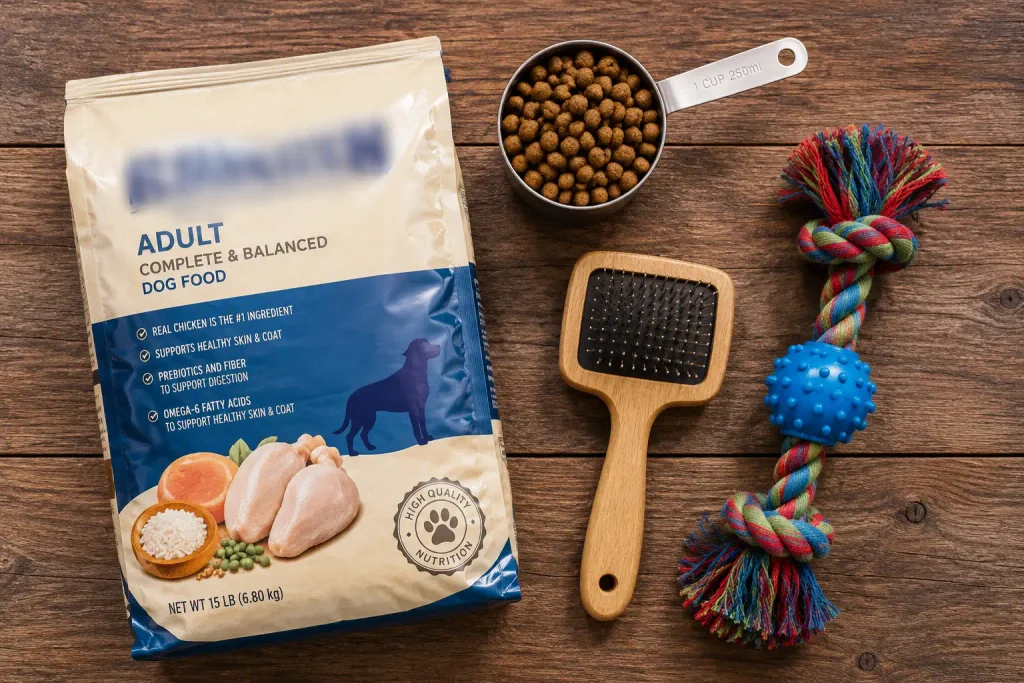
Zak’s Tip: Use a real measuring cup.
Don’t just scoop food with an old coffee mug. Grab a standard measuring cup so you know exactly how much your dog is eating. Overfeeding is incredibly common and leads to obesity, which puts strain on your dog’s joints and heart.
Zak’s Tip: Read the ingredients, but focus on the nutrients.
The ingredient list on the back of the bag is listed by weight. Fresh meat is heavy because of water, so it often appears first. However, what really matters is the overall nutritional profile. Ensure the food meets the standards set by the American Veterinary Medical Association (AVMA) and AAFCO.
Zak’s Tip: Keep the food bag.
If you transfer your dog’s kibble into a plastic storage bin, always cut out the barcode, expiration date, and lot number from the bag and tape it to the bin. If there is ever a dog food recall, you will need this information to know if your pet is safe.
Zak’s Tip: Don’t stress about perfection.
The good news is that most commercial dog foods on the market are completely safe and balanced. Do your best, talk to your vet, and focus on giving your dog a happy, active life.
Key Takeaways
- Grain-free dog food is not automatically healthier and is usually unnecessary for most dogs.
- Grains provide vital nutrients, fiber, and energy that dogs are built to easily digest.
- There is a potential link between grain-free diets (high in peas and lentils) and canine heart disease (DCM).
- True grain allergies in dogs are extremely rare; protein allergies are much more common.
- Always consult your veterinarian before making major changes to your dog’s diet or if you notice changes in their health.
Frequently Asked Questions
Are dogs meant to eat grains?
Yes, domestic dogs are omnivores, not strict carnivores. Over thousands of years, their digestive systems have evolved to easily digest and benefit from carbohydrates and starches found in whole grains. Do grains cause allergies in dogs?
It is highly unlikely. While food allergies do happen, studies show that dogs are most commonly allergic to animal proteins like beef, dairy, and chicken. Grain allergies account for a very tiny fraction of all canine food allergies. What is DCM and how is it linked to dog food?
DCM stands for Dilated Cardiomyopathy, a serious disease that weakens the heart muscle. The FDA has been investigating a spike in DCM cases in dogs eating boutique or grain-free diets that use high amounts of peas, lentils, or potatoes instead of grains. Should I feed my puppy grain-free food?
Most veterinarians advise against feeding puppies grain-free diets. Puppies are growing rapidly and need highly balanced, proven nutrition to develop strong bones and a healthy heart. Stick to a high-quality, grain-inclusive puppy formula. How do I know if my dog needs a grain-free diet?
The only time a dog truly needs a grain-free diet is if a licensed veterinarian has diagnosed them with a specific medical condition or grain allergy. Never put your dog on a restrictive diet without professional veterinary guidance. What are the best grains for dogs?
Whole grains are fantastic choices for your pet. Oatmeal, brown rice, barley, and whole wheat provide excellent sources of dietary fiber, essential fatty acids, and energy to keep your dog active and healthy.
Wrapping Up
At the end of the day, feeding your dog shouldn’t feel like a high-stakes puzzle. The marketing hype around grain-free dog food has definitely caused a lot of confusion for everyday pet parents. But now you know the truth: unless your vet specifically recommends it for a medical reason, those whole grains are actually doing your dog a lot of good.
Your dog trusts you to make the best choices for them. By choosing a high-quality, grain-inclusive diet backed by scientific research, you are setting them up for a long, happy, and healthy life. If you are ever in doubt, just pick up the phone and ask your local vet clinic. They are your best partner in responsible pet ownership.
If you are looking to learn more about keeping your best friend happy and healthy, check out our complete dog care basics guide. It is packed with practical tips for everyday pet parents just like you.