
Yes, dogs can eat raw eggs mixed with food, but there are real safety risks to consider.
If you have ever stood in the kitchen wondering whether that cracked egg can safely go into your dog’s bowl, you are not alone. I have seen this question come up often in dog-feeding conversations, and the answer is more nuanced than a simple yes or no. Raw eggs can offer protein and nutrients, but they can also bring contamination risks, digestive upset, and long-term concerns if they are fed the wrong way or too often.

Can Dogs Eat Raw Eggs Mixed With Their Food?
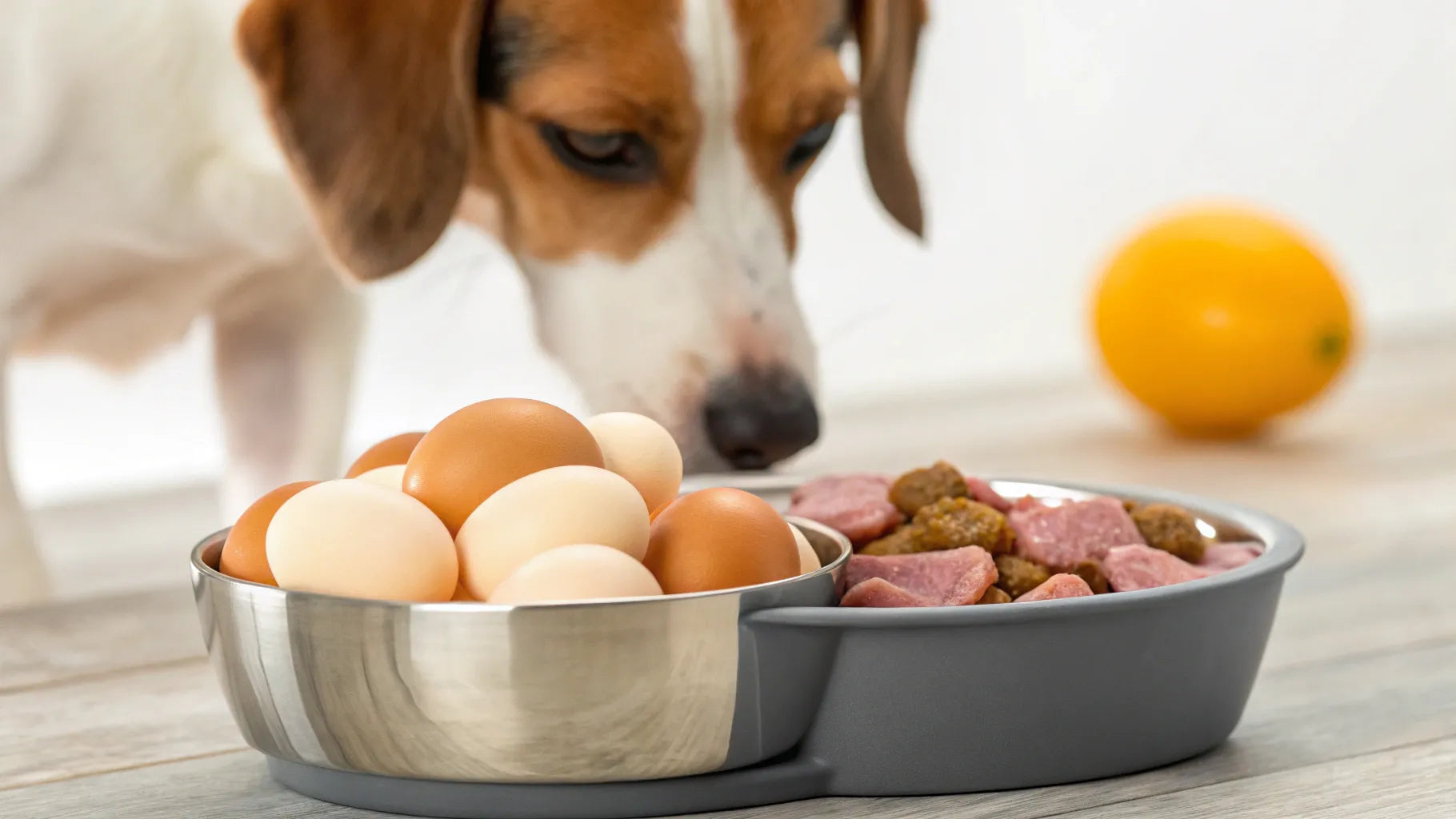
Yes, dogs can eat raw eggs mixed with their food in some cases, but it is not the safest choice for every dog. Raw eggs contain protein, fatty acids, vitamins, and minerals, and many dogs enjoy the taste when eggs are mixed into their meal. Still, raw eggs may carry bacteria like Salmonella, and the raw white contains avidin, a protein that can interfere with biotin absorption if fed in large amounts over time.
In practice, the bigger question is not just whether dogs can eat raw eggs mixed with their food, but whether they should. For most dogs, cooked eggs are a safer option and still provide many of the same benefits. If you want to add eggs to your dog’s bowl, it is usually best to talk with your vet, especially if your dog is young, old, pregnant, immunocompromised, or has a sensitive stomach.
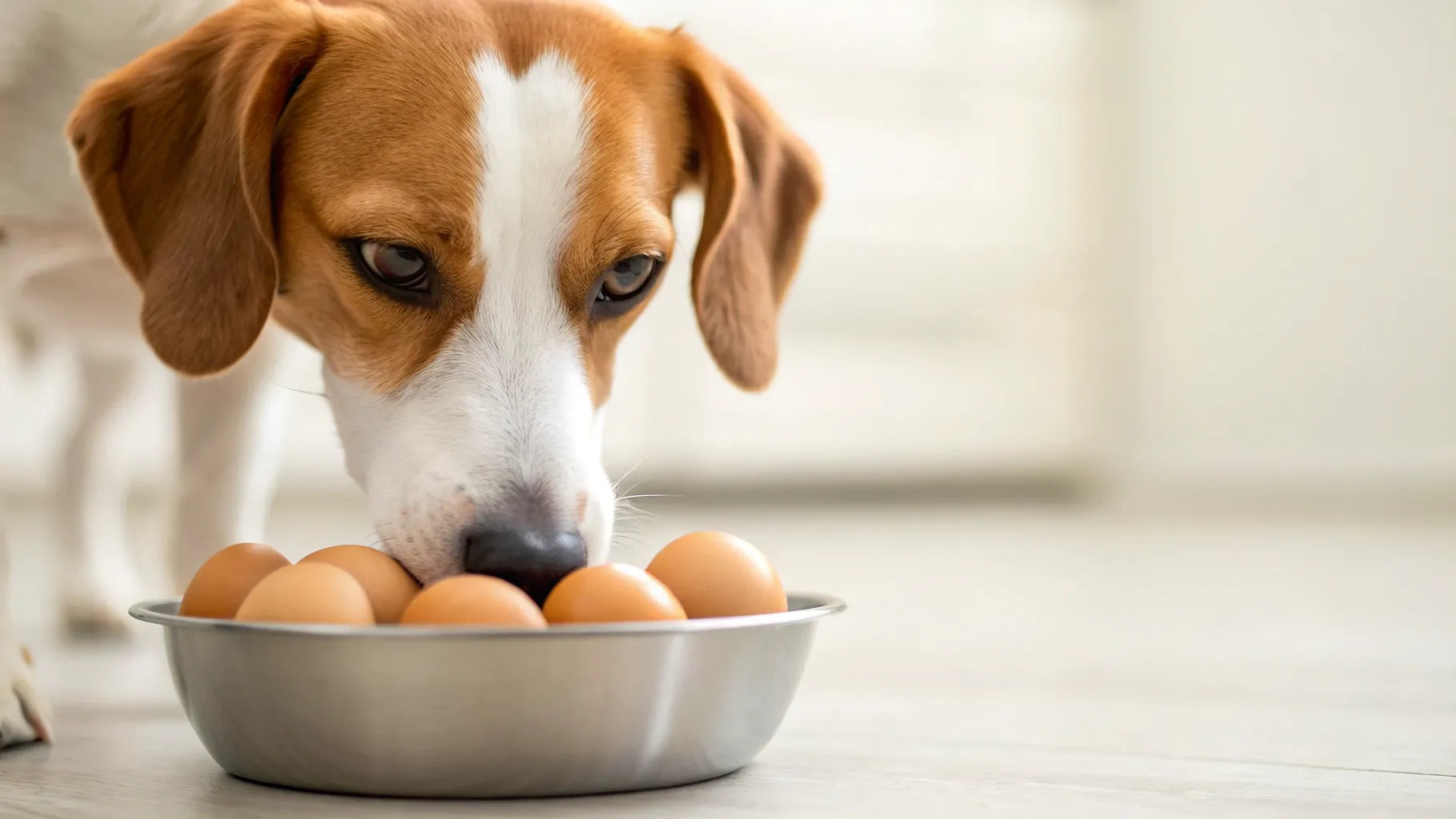
Nutritional Benefits of Eggs for Dogs
Eggs are often called nature’s perfect protein, and that label makes sense. They contain complete protein, meaning they provide all the essential amino acids dogs need for body repair, muscle support, and overall health. They also offer nutrients like riboflavin, selenium, vitamin A, vitamin D, and healthy fats.
When I have seen dogs do well with eggs, it was usually because the egg was used like a small topper, not a major part of the meal. A spoonful of egg mixed into kibble can make food more appealing for picky eaters. It can also add a little extra nutrition without a lot of effort.
Some of the potential benefits include:
- High-quality protein that supports muscle maintenance
- Healthy fats that help energy and coat health
- Vitamins and minerals that support normal body function
- A simple food topper for dogs that need more interest at mealtime
That said, eggs should stay in the “supplement” category, not the main event. Think of them like a helpful side dish, not the whole plate.
Risks of Feeding Raw Eggs to Dogs
The main concern with raw eggs is food safety. Raw eggs can carry bacteria such as Salmonella, which can affect dogs and people in the home. Dogs may sometimes tolerate bacteria better than humans, but they can still become sick, and contaminated eggs can spread germs to bowls, countertops, hands, and floors.
Another issue is avidin, a protein in egg whites that can reduce biotin absorption if raw egg whites are fed often. Biotin deficiency is not common from an occasional raw egg, but regular feeding of raw egg whites can create problems over time. That matters more for dogs on homemade diets or dogs receiving eggs every day.
Possible risks include:
- Salmonella exposure
- Vomiting or diarrhea
- Increased risk for puppies, seniors, or immune-compromised dogs
- Biotin-related issues if raw egg whites are fed often
- Food hygiene concerns for people in the household
I have also noticed that some dogs with sensitive stomachs do not handle raw foods well. Even when the egg is fresh, the texture or richness can cause loose stool or nausea.
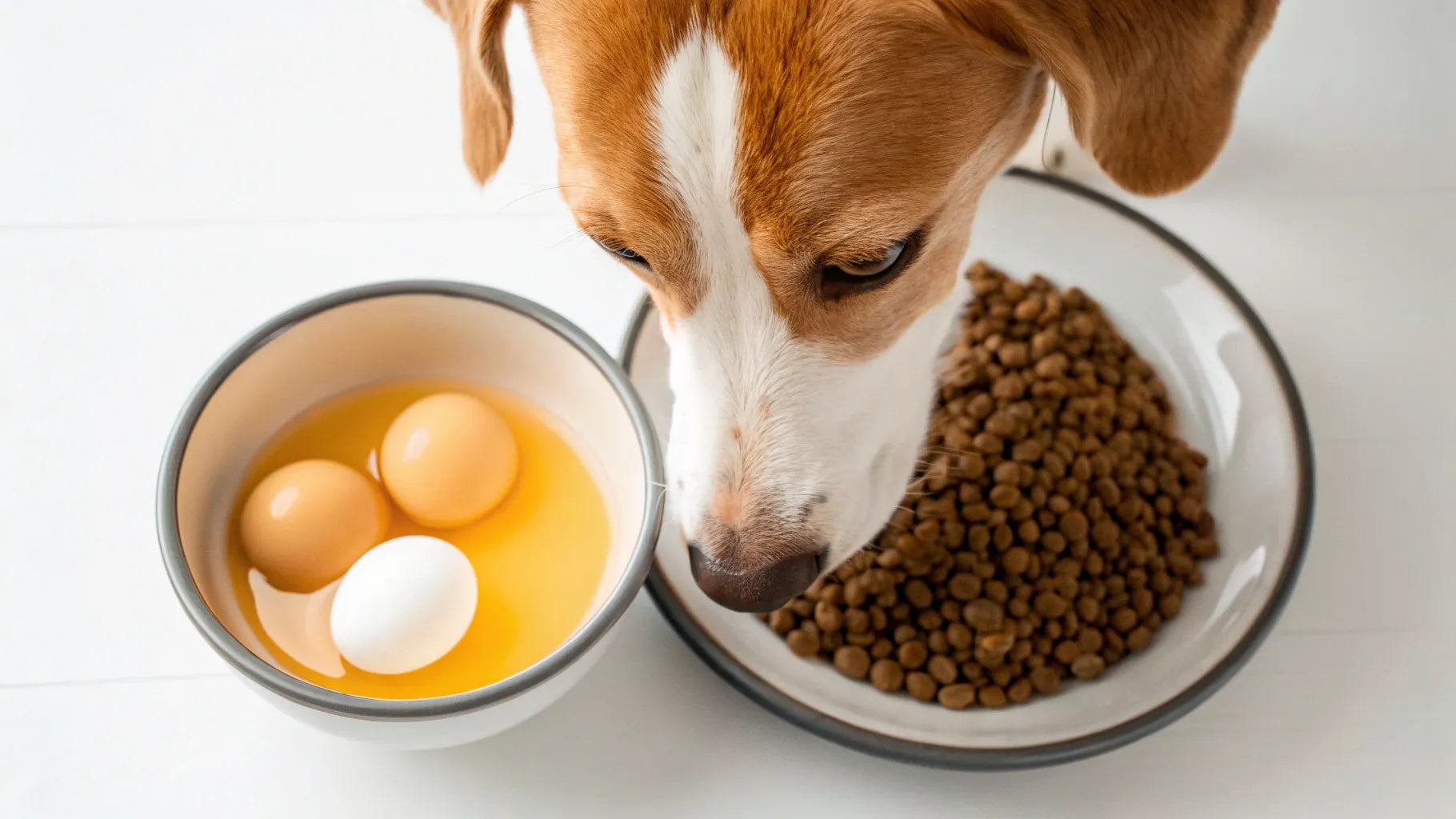
Raw Eggs vs Cooked Eggs for Dogs
If you are deciding between raw and cooked eggs, cooked usually wins for safety. Scrambled, boiled, or poached eggs without butter, oil, salt, or seasoning are much safer because cooking lowers the risk of bacterial contamination. Cooking also neutralizes avidin, which removes one of the biggest raw egg concerns.
Here is the simple tradeoff:
- Raw eggs may keep a few heat-sensitive nutrients intact, but the safety risks are higher
- Cooked eggs are safer, easier to digest for many dogs, and still highly nutritious
For most pet owners, the smart choice is cooked egg in small amounts. It gives you peace of mind and still fits into a balanced diet. If your dog has never eaten eggs before, cooked is the easier place to start.
How to Safely Add Eggs to Your Dog’s Food
If your vet says eggs are okay for your dog, keep the serving small and simple. Start with a tiny amount and watch for signs of upset stomach, itching, or loose stool. Every dog is different, and some will tolerate eggs better than others.
A safe way to introduce eggs:
- Start with a small spoonful mixed into the regular meal
- Use plain egg with no salt, oil, onions, garlic, or seasoning
- Watch your dog for 24 to 48 hours
- Increase only if your dog handles it well
- Keep eggs as an occasional add-on, not a daily habit unless approved by your vet
If you are feeding raw egg, make sure the egg is fresh, the shell is intact, and your handling is very clean. Even then, I would still say cooked is the more practical choice for most homes.
How Much Raw Egg Can Dogs Eat?
There is no universal amount that works for every dog. Size, age, activity level, and health status all matter. A toy breed will need much less than a large working dog, and a dog with pancreatitis or digestive issues may need to avoid eggs altogether.
As a general rule, if eggs are included at all, they should make up only a small part of the diet. For many dogs, a whole egg is more than enough in one serving, and some dogs do better with half an egg or less. The key is moderation.
A few practical tips:
- Small dogs need very small portions
- Large dogs still do not need eggs every meal
- Dogs with medical conditions may need to avoid eggs
- Too much egg can add extra calories and upset the stomach
If you are using eggs as a topper for picky eating, think of it as a pinch of flavor, not a full recipe change.
Dogs That Should Avoid Raw Eggs
Some dogs should not be given raw eggs at all, or should only have them if a veterinarian approves. This is especially important when the dog already has health concerns or a weaker immune system. In those cases, the risk is simply not worth it.
Be extra cautious if your dog is:
- A puppy
- A senior dog
- Pregnant or nursing
- Immunocompromised
- Recovering from illness
- Prone to diarrhea, vomiting, or pancreatitis
In my experience, these are the dogs where “just try it and see” is not the best approach. A safer food choice is usually the kinder choice.
Signs Your Dog Did Not Tolerate the Egg Well
If your dog reacts badly after eating raw eggs mixed with food, the signs usually show up within hours to a day. Mild upset may pass quickly, but more serious symptoms need prompt attention. It is always better to act early than to wait and hope it clears on its own.
Watch for:
- Vomiting
- Diarrhea
- Loss of appetite
- Lethargy
- Itching or skin irritation
- Swollen face or hives
- Belly pain
If you see repeated vomiting, blood in stool, trouble breathing, or extreme weakness, contact a veterinarian right away. Even if the reaction seems mild, it is a good idea to stop the egg and reassess before offering it again.
Best Practices for Feeding Eggs to Dogs
The safest way to feed eggs is to keep them plain, fresh, and minimal. I always tell people to treat eggs like a helpful add-on, not a daily crutch. The simpler the prep, the less chance of creating a problem.
Best practices include:
- Use plain cooked eggs whenever possible
- Avoid seasoning, butter, oil, onion, garlic, and cheese
- Serve small portions
- Store eggs properly and check freshness
- Wash hands, bowls, and surfaces after handling raw eggs
- Ask your vet before feeding eggs to dogs with medical needs
If you are trying eggs for the first time, one small serving is enough to learn how your dog handles it. That one careful step can save you from a messy night later.
Frequently Asked Questions of Can dogs eat raw eggs mixed with their food
Can dogs eat raw eggs every day?
Dogs can eat raw eggs every day only in rare cases and only with veterinary guidance. Daily raw egg feeding increases the risk of bacterial exposure and nutrient imbalance, especially if the diet is not carefully managed.
Are raw eggs better than cooked eggs for dogs?
No, cooked eggs are usually safer and easier to digest. They still provide excellent protein and nutrients without the same food safety concerns.
Can puppies eat raw eggs mixed with food?
It is better to avoid raw eggs for puppies unless your vet specifically recommends them. Puppies have developing immune systems and are more sensitive to foodborne illness and stomach upset.
Do raw eggs help a dog’s coat?
Eggs can support coat health because they contain protein and fats, but they are not a magic fix. A balanced diet matters much more than any single ingredient.
What should I do if my dog ate a raw egg?
If your dog ate one raw egg and seems normal, monitor for vomiting, diarrhea, or lethargy. If symptoms appear or your dog is high-risk, call your veterinarian for advice.
Conclusion
Raw eggs mixed with food can be fed to some dogs, but the safety risks make cooked eggs the better choice for most pets. The biggest concerns are bacterial contamination, digestive upset, and long-term issues if raw egg whites are given too often. When used carefully and in small amounts, eggs can be a nutritious add-on, but they should never replace a balanced diet.
If you want the safest path, start with plain cooked egg and see how your dog responds. Talk with your veterinarian if your dog has health problems or you are considering eggs as a regular part of meals. If this guide helped you, explore more pet nutrition tips and share your own experience in the comments.