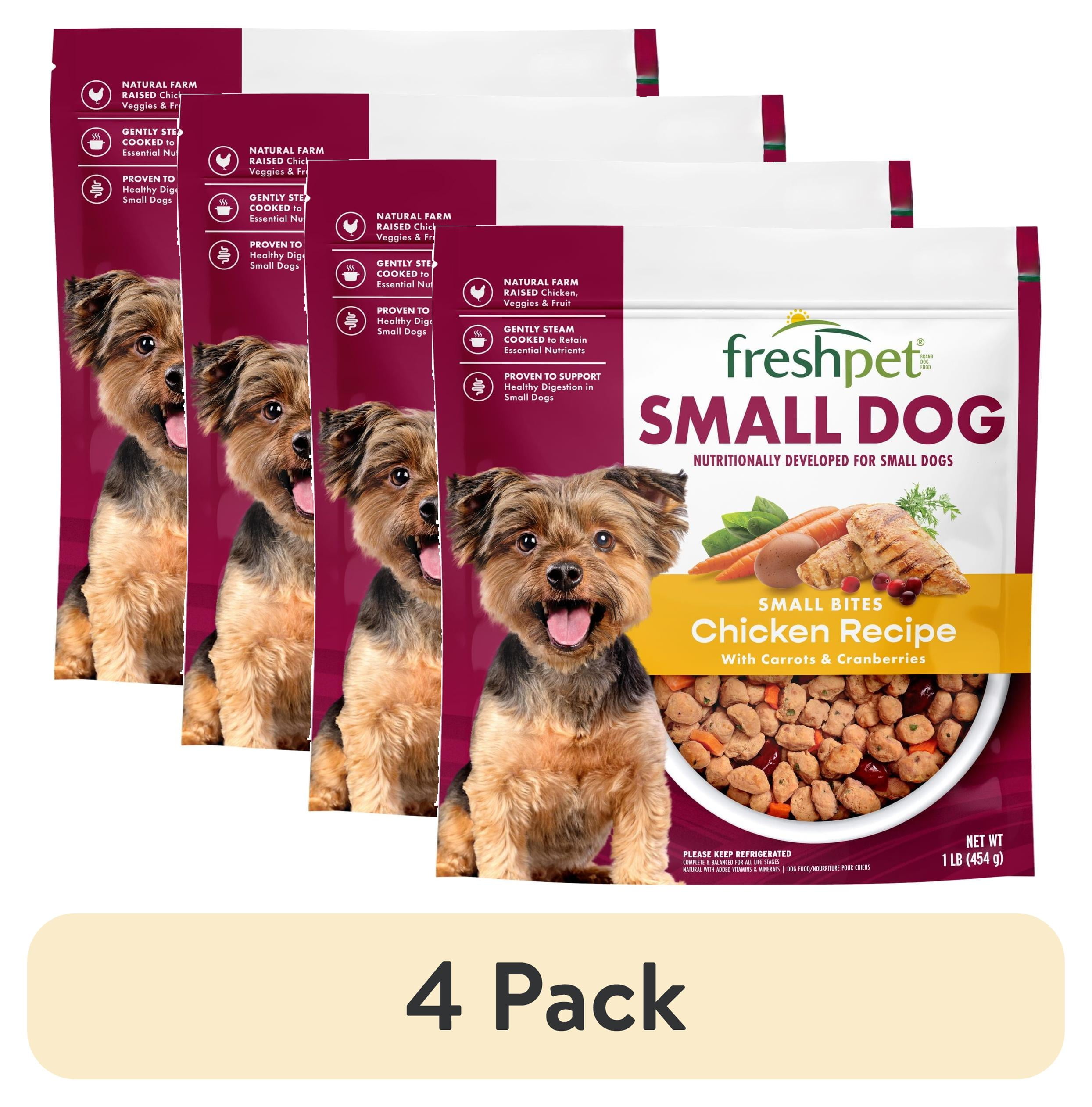
Freshpet can be a good dog food for many dogs in the United States, but it is not automatically better than a complete and balanced dry or canned food. Its main strengths are high moisture, a soft texture, and recipes that many picky dogs enjoy. Its main drawbacks are higher cost, fridge space, short storage life, and food-safety demands.
The best choice depends on the specific Freshpet recipe, your dog’s age and health, your budget, and how well you can store and serve refrigerated food. Check the package for an AAFCO nutritional adequacy statement. If the food is labeled “complete and balanced” for your dog’s life stage, it may serve as a main diet. If it is labeled for supplemental or intermittent feeding only, it should not replace a full diet.

What Is Freshpet Dog Food?
Freshpet makes refrigerated dog food sold in the United States. Its products include soft rolls, slices, bites, and meals made with ingredients such as meat, poultry, fish, vegetables, grains, and added vitamins and minerals.
Unlike dry kibble, Freshpet contains a great deal of water. That can make it more appealing to some dogs and may help increase water intake. However, high moisture also means you must feed more food by weight or volume to provide the same calories found in dry food.
“Fresh” does not have one legal definition that proves a food is healthier. It mainly describes how the food is made, stored, and sold. The label and nutrient statement matter more than the word itself.
The key label terms
Look for these details on the package:
- Complete and balanced: The food is intended to provide all needed nutrients when fed as directed.
- For adult maintenance: Suitable for adult dogs, but not necessarily growing puppies.
- For all life stages: Formulated for growth and adult maintenance. It may not suit every dog equally well.
- Intermittent or supplemental feeding only: Designed for use as a topper, treat, or part of a diet, not as the sole food.
- Calorie content: Usually listed as kilocalories per pound, kilogram, cup, or another serving unit.
- Guaranteed analysis: Lists minimum crude protein and fat, plus maximum crude fiber and moisture.
Freshpet’s recipes are not all the same. One may be designed as a complete meal, while another may be intended for limited use. Read the exact package instead of judging the whole brand by one product.

Is Freshpet Complete and Balanced?
Some Freshpet recipes are complete and balanced for specific life stages, while others may not be intended as a full diet. The deciding evidence is the nutritional adequacy statement on the package.
The Association of American Feed Control Officials, or AAFCO, publishes nutrient profiles and model rules used by U.S. states to regulate pet food. AAFCO does not approve or endorse individual brands. A company must meet the rules adopted in the state where the food is sold.
A package may say that a food is complete and balanced because it:
- Meets an AAFCO nutrient profile through formulation, or
- Passed an AAFCO feeding trial for a stated life stage.
These two statements are not identical. A formulation claim means the recipe is designed to meet the nutrient profile. A feeding-trial claim means dogs were fed the food under a defined test protocol. Neither statement proves that a food is ideal for every dog.
What “complete and balanced” does not mean
The phrase does not guarantee that:
- Your dog will like the food.
- The food will prevent disease.
- The food will work for a dog with allergies.
- The recipe is appropriate for a specific medical condition.
- The food is superior to every other complete diet.
- The food will prevent weight gain if you overfeed it.
It also does not remove the need to follow storage instructions. A nutritionally sound food can still become unsafe if it is left warm for too long or handled poorly.
Can puppies eat Freshpet?
Only recipes labeled for puppies, growth, or all life stages should be considered for a growing puppy. Puppies have different nutrient needs from adult dogs, including needs related to growth rate and skeletal development.
Large-breed puppies need particular care. Their food should support controlled growth, not simply provide high calories. Ask your veterinarian before switching a young or large-breed puppy to a new diet.
Pregnant or nursing dogs also have special needs. Do not assume an adult-maintenance recipe is suitable for pregnancy or lactation.

Freshpet Dog Food: Main Benefits and Drawbacks
Freshpet has real benefits, but each benefit comes with a trade-off. A simple way to judge it is to ask whether the benefit matters for your dog more than the added cost and handling work.
Potential benefits
High moisture: Freshpet can help dogs that eat little wet food or drink poorly. Moisture supports overall water intake, though it does not replace access to clean drinking water.
Soft texture: Soft food may suit dogs with dental pain, missing teeth, or trouble chewing hard kibble. It does not treat dental disease, and a dog with mouth pain still needs a veterinary exam.
Strong appeal for some picky dogs: Fresh meat aroma and a soft texture may encourage eating. This can help when a dog refuses dry food, but loss of appetite can also signal illness.
Portion flexibility: You can use a complete Freshpet meal as the main diet or, when allowed by the label, use a smaller amount as a topper. Toppers still add calories and can unbalance the diet if they replace too much of the main food.
Less reliance on dry processing: Refrigerated food does not go through the same high-heat extrusion process used for many kibbles. That difference may matter to some owners, but it does not prove better health outcomes by itself.
Potential drawbacks
Higher price: Fresh food usually costs more per calorie than dry food. Large dogs may need several packages each week.
Limited storage life: Refrigerated rolls and meals take up fridge space. They may also spoil faster than unopened dry food.
Food-safety work: You must keep the food cold, use clean utensils, reseal opened packages, and follow the package’s use-by guidance.
Calorie confusion: High-moisture food can look like a large serving while supplying fewer calories per cup than kibble. Compare calories, not cup size.
Not a universal medical diet: Freshpet may not be suitable for dogs with kidney disease, pancreatitis, urinary disease, food allergies, or other conditions unless a veterinarian approves the specific recipe.
Variable product fit: A dog may do well on one recipe but react poorly to another. Ingredients, fat levels, calories, and life-stage claims can differ.
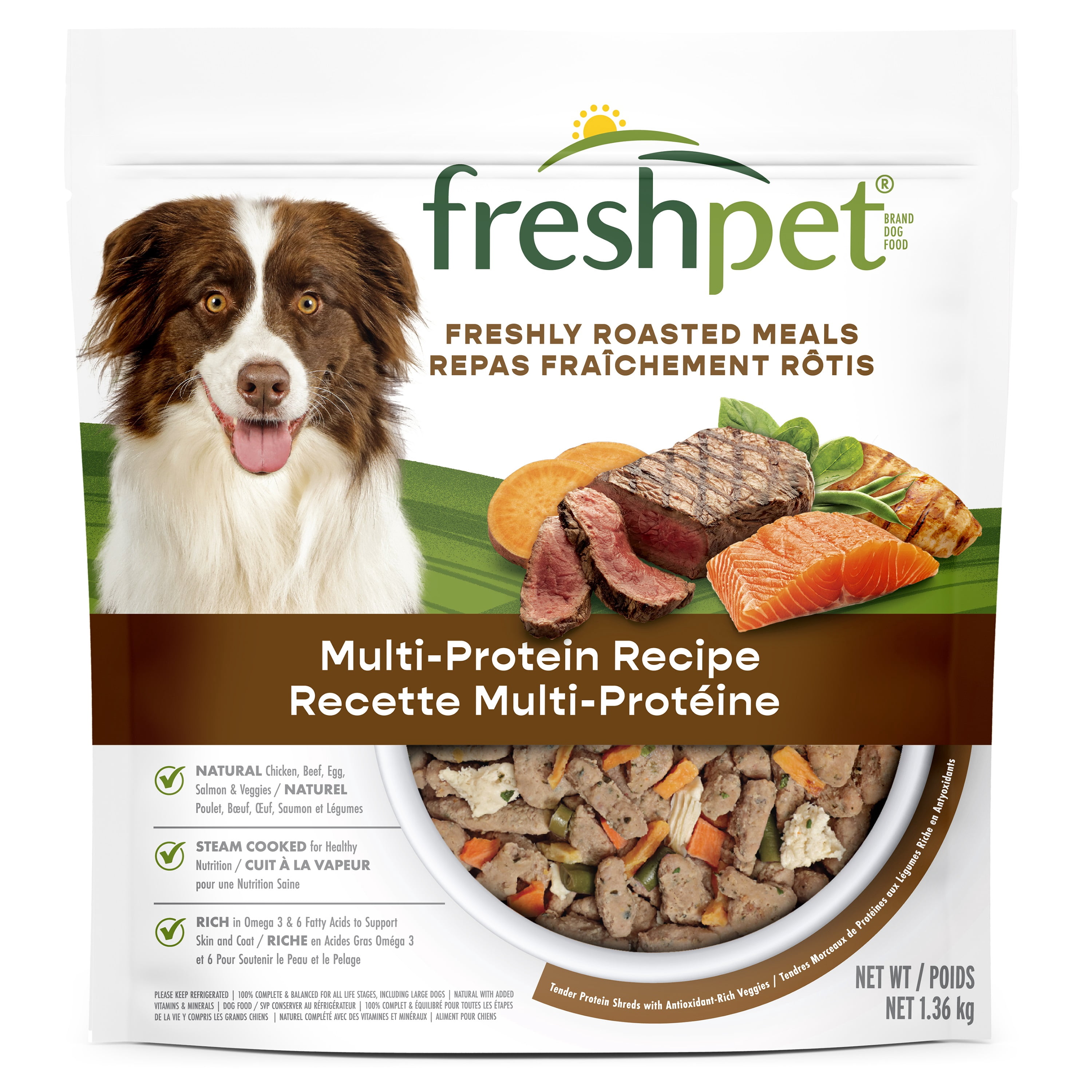
How Does Freshpet Compare With Dry and Canned Dog Food?
Freshpet is best viewed as one option in the complete-diet category. “Fresh” is a storage and processing style, not a complete health ranking.
| Feature | Freshpet refrigerated food | Dry kibble | Canned food |
|---|---|---|---|
| Moisture | High | Low | High |
| Storage before opening | Refrigerated | Room temperature | Room temperature |
| Storage after opening | Refrigerated and limited | Usually easier to store | Refrigerated and limited |
| Texture | Soft | Firm and dry | Soft or pâté-like |
| Cost per calorie | Often higher | Often lower | Varies |
| Portion appearance | Larger due to water | Smaller and calorie-dense | Often large |
| Dental cleaning | Does not replace brushing | Does not reliably replace brushing | Does not replace brushing |
| Main safety concern | Cold storage and handling | Keeping it dry and sealed | Refrigeration after opening |
Dry food is often easier for households that need low cost, long storage, and simple portion control. Canned food provides high moisture without needing refrigeration until opened. Freshpet may be appealing when texture, smell, or palatability is the main issue.
There is no strong reason to choose a food only because it is fresh, grain-free, high-protein, or made with named meat. The full nutrient profile, feeding purpose, calories, safety, and your dog’s response matter more.
Is Freshpet better than kibble?
Not by default. A complete and balanced kibble can support good health when it suits the dog and is fed in the right amount. Freshpet may be a better practical fit for a dog that refuses kibble, needs more moisture, or eats better when food is soft.
The reverse can also be true. A dog may gain too much weight on a rich fresh recipe, or a household may struggle to keep the food cold. The better food is the one that is nutritionally suitable, safely handled, affordable enough to feed consistently, and tolerated by the dog.

How Much Freshpet Should You Feed?
Use the feeding chart on the exact package as a starting point, then adjust based on body condition and weight changes. Do not convert cups of kibble directly to cups of Freshpet.
A useful calculation is:
Daily food amount = daily calorie need ÷ calories per gram or serving
For example, if a food provides 400 kilocalories per pound and your dog needs 800 kilocalories per day, the starting amount would be:
800 ÷ 400 = 2 pounds per day
That is a hypothetical example, not a feeding prescription. Your dog’s actual calorie need may be higher or lower based on age, size, activity, neuter status, metabolism, and health.
Watch body condition, not just the bowl
A healthy adult dog often has:
- Ribs that can be felt under a thin layer of fat.
- A visible waist when viewed from above.
- An abdominal tuck when viewed from the side.
- Stable weight over time.
If your dog gains weight, reduce total calories gradually or ask your veterinarian for a target. Include treats, toppers, chews, and human food in the daily calorie total.
If you mix Freshpet with another food, replace calories from the old food rather than adding Freshpet on top. Sudden additions are a common cause of weight gain and stomach upset.

How to Switch Your Dog to Freshpet Safely
Switch over about seven days unless your veterinarian gives different instructions. Sensitive dogs may need a slower change.
- Days 1–2: Feed about 75% of the old food and 25% Freshpet.
- Days 3–4: Feed about 50% of each.
- Days 5–6: Feed about 25% old food and 75% Freshpet.
- Day 7: Feed Freshpet alone if stools and appetite remain normal.
Use calorie information to set portions. Equal scoops of two foods may not contain equal calories.
Mildly softer stool can happen during a food change. Slow down the transition if needed. Contact a veterinarian if your dog has repeated vomiting, severe or lasting diarrhea, blood in the stool, weakness, pain, dehydration, or refuses food.
Stop the new food and seek advice if your dog develops facial swelling, hives, breathing trouble, or another possible allergic reaction. Breathing problems and collapse are emergencies.

Freshpet Storage and Food-Safety Rules
Treat Freshpet like other perishable animal food. Keep it refrigerated at the temperature stated on the package, and do not leave it sitting out for long periods.
The U.S. Food and Drug Administration advises prompt refrigeration of perishable foods and supports the general “two-hour rule” for foods left at room temperature. The safe limit can be shorter in hot conditions. Follow Freshpet’s package directions if they are more specific.
Use these habits:
- Check the package for the use-by date.
- Keep unopened food refrigerated as directed.
- Wash your hands before and after serving.
- Use a clean knife or scoop.
- Reseal opened rolls and meals.
- Return unused food to the refrigerator promptly.
- Do not feed food that smells sour, looks spoiled, or has unusual mold.
- Clean bowls after meals.
- Do not freeze the food unless the package or manufacturer says it is suitable for freezing.
- Keep pet food away from ready-to-eat human food and food-preparation surfaces.
Do not rely on smell alone to judge safety. Food can be unsafe without an obvious change in smell or appearance.
If a product is recalled, stop feeding it and follow the notice. Check the lot code, product name, and dates. FDA pet-food recall notices are more reliable than social media posts or unsourced online lists.
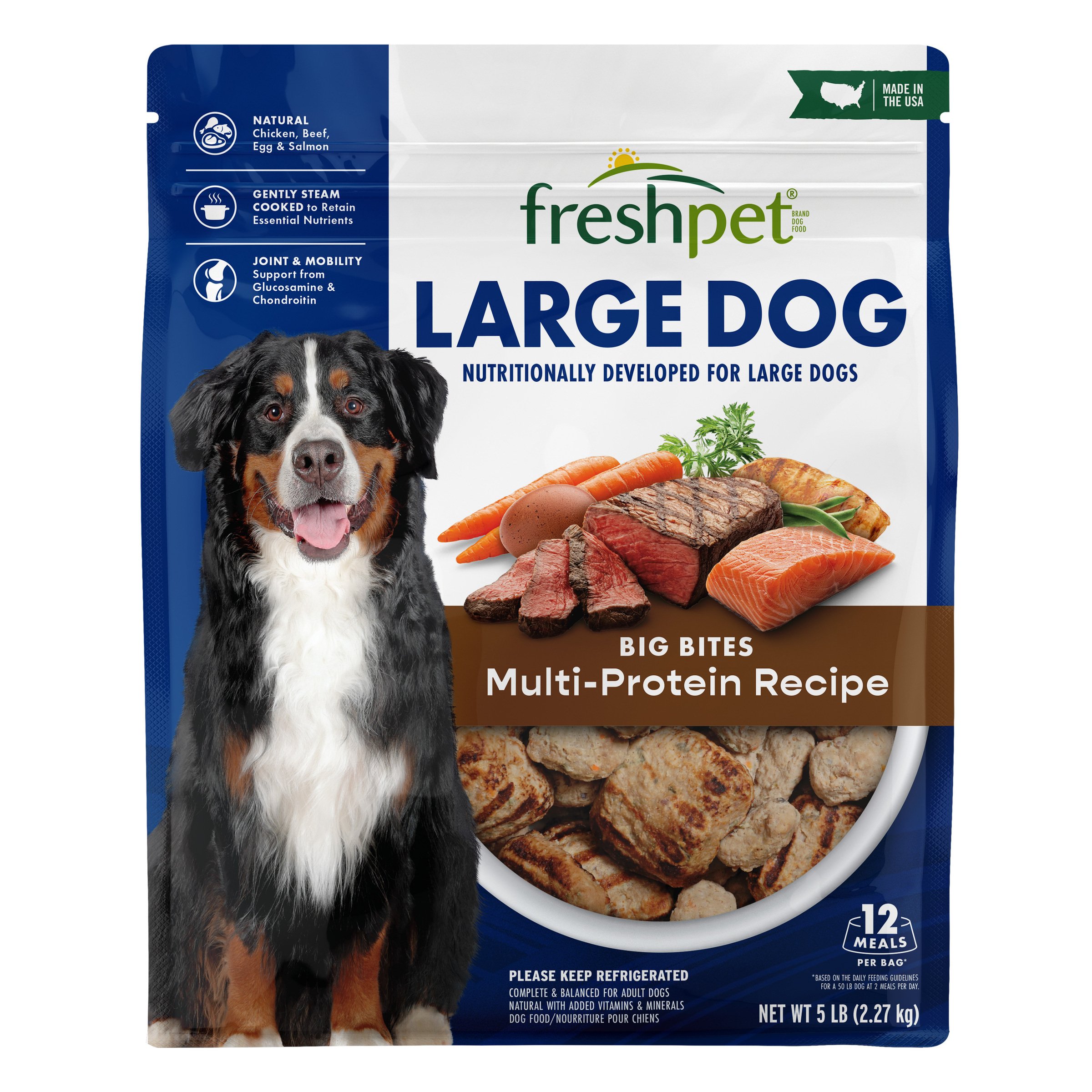
Who Should Consider Freshpet—and Who Should Be Careful?
Freshpet may suit:
- Healthy adult dogs that enjoy soft, moist food.
- Dogs that reject dry food but have no unexplained appetite loss.
- Owners who can afford the food and maintain cold storage.
- Dogs that need a softer texture because chewing hard food is difficult.
- Households that want a complete meal with higher moisture.
Use extra care if your dog:
- Is a puppy, especially a large-breed puppy.
- Is pregnant or nursing.
- Has kidney, liver, pancreatic, urinary, or intestinal disease.
- Has a history of food allergy or recurring digestive trouble.
- Needs a prescription veterinary diet.
- Is overweight or gains weight easily.
- Has recently stopped eating.
A veterinarian can help match the recipe to the condition. A diet change should not delay an exam when appetite loss, vomiting, diarrhea, weight loss, pain, or low energy is present.
Does Freshpet help with allergies?
Not necessarily. Food allergies are reactions to specific proteins, not to the label word “fresh.” A Freshpet recipe may contain an ingredient your dog reacts to.
A proper elimination diet is usually planned with a veterinarian. It requires strict control of ingredients for a set period and careful reintroduction. Switching between ordinary retail foods can make the cause harder to identify.

How to Read a Freshpet Label Before Buying
Use this five-point check:
- Confirm the life stage. Make sure it fits an adult dog, puppy, senior, or all-life-stage need.
- Find the AAFCO statement. Confirm whether it is complete and balanced or supplemental only.
- Check calories. Compare calories per package or serving with your dog’s daily needs.
- Review ingredients for known problems. Look for proteins or additives your dog must avoid.
- Check storage instructions. Make sure you have enough fridge space and can use the package in time.
The ingredient list has value, but it is not a complete measure of food quality. Ingredients are listed by weight before processing, and high-moisture ingredients may appear near the top because they contain water. The guaranteed analysis also has limits because it lists broad nutrient groups rather than every nutrient and does not show digestibility.
A better decision combines the adequacy statement, calorie content, recipe purpose, manufacturer information, veterinary advice when needed, and your dog’s results.

Common Mistakes Dog Owners Make With Freshpet
Mistake 1: Adding it without reducing the old food. This can cause excess calories and weight gain.
Mistake 2: Treating every Freshpet product as a complete meal. Some products may be for supplemental use. Read the label.
Mistake 3: Leaving it out all day. Refrigerated food needs careful time and temperature control.
Mistake 4: Assuming soft food cleans teeth. Dental care still requires brushing, veterinary checks, and other methods recommended for your dog.
Mistake 5: Ignoring a sudden appetite change. A dog that suddenly wants only soft food may have dental pain or another illness.
Mistake 6: Choosing by marketing words alone. “Natural,” “fresh,” and “premium” do not replace the nutritional adequacy statement.
Mistake 7: Switching too fast. A rapid change can cause loose stool even when the food itself is suitable.

Key Takeaways
- Freshpet can be a good choice for some U.S. dogs, but it is not automatically better than kibble or canned food.
- Check the exact recipe for an AAFCO complete-and-balanced statement.
- Compare calories, not cup size.
- Transition over about seven days.
- Keep the food cold and follow the package’s storage directions.
- Ask a veterinarian before feeding it to a puppy, pregnant dog, or dog with a medical condition.
- Stop and seek help for severe digestive signs, allergic reactions, or unexplained appetite loss.
Frequently Asked Questions
Is Freshpet safe for dogs?
Freshpet can be safe when the specific product is suitable for the dog and stored as directed. Refrigerated food needs prompt chilling, clean handling, and careful use after opening. Discard food that is spoiled or past its use-by guidance.
Can Freshpet cause diarrhea?
Any diet change can cause diarrhea, especially if made quickly. Rich food, intolerance, infection, parasites, and illness can also cause it. Slow the transition and contact a veterinarian if diarrhea is severe, bloody, persistent, or paired with vomiting or weakness.
Is Freshpet good for senior dogs?
It may suit some senior dogs because it is soft and moist. Senior dogs still have different health needs, and age alone does not determine the right diet. Check calories and ask your veterinarian if the dog has kidney disease, dental pain, weight loss, or other problems.
Can Freshpet replace kibble completely?
A Freshpet recipe can replace kibble when the package says it is complete and balanced for your dog’s life stage. Change portions based on calories and transition slowly. Do not use a supplemental product as the sole diet.
Does Freshpet help dogs lose weight?
Not by itself. Weight loss depends on controlled calorie intake, activity, and regular monitoring. Because Freshpet recipes vary in calorie density, use the package calories and a veterinarian’s plan rather than estimating by volume.
Conclusion: Is Freshpet a Good Dog Food?
Freshpet is a reasonable option for many healthy dogs, especially those that prefer soft food or need more moisture. Its strongest practical advantages are texture and palatability. Its biggest limits are cost, refrigeration, short storage life, and the fact that not every recipe has the same feeding purpose.
Before buying, check the exact product’s life-stage statement, AAFCO adequacy statement, calories, ingredients, and storage rules. If your dog has a medical condition, is still growing, or has unexplained digestive or appetite problems, ask a veterinarian first.