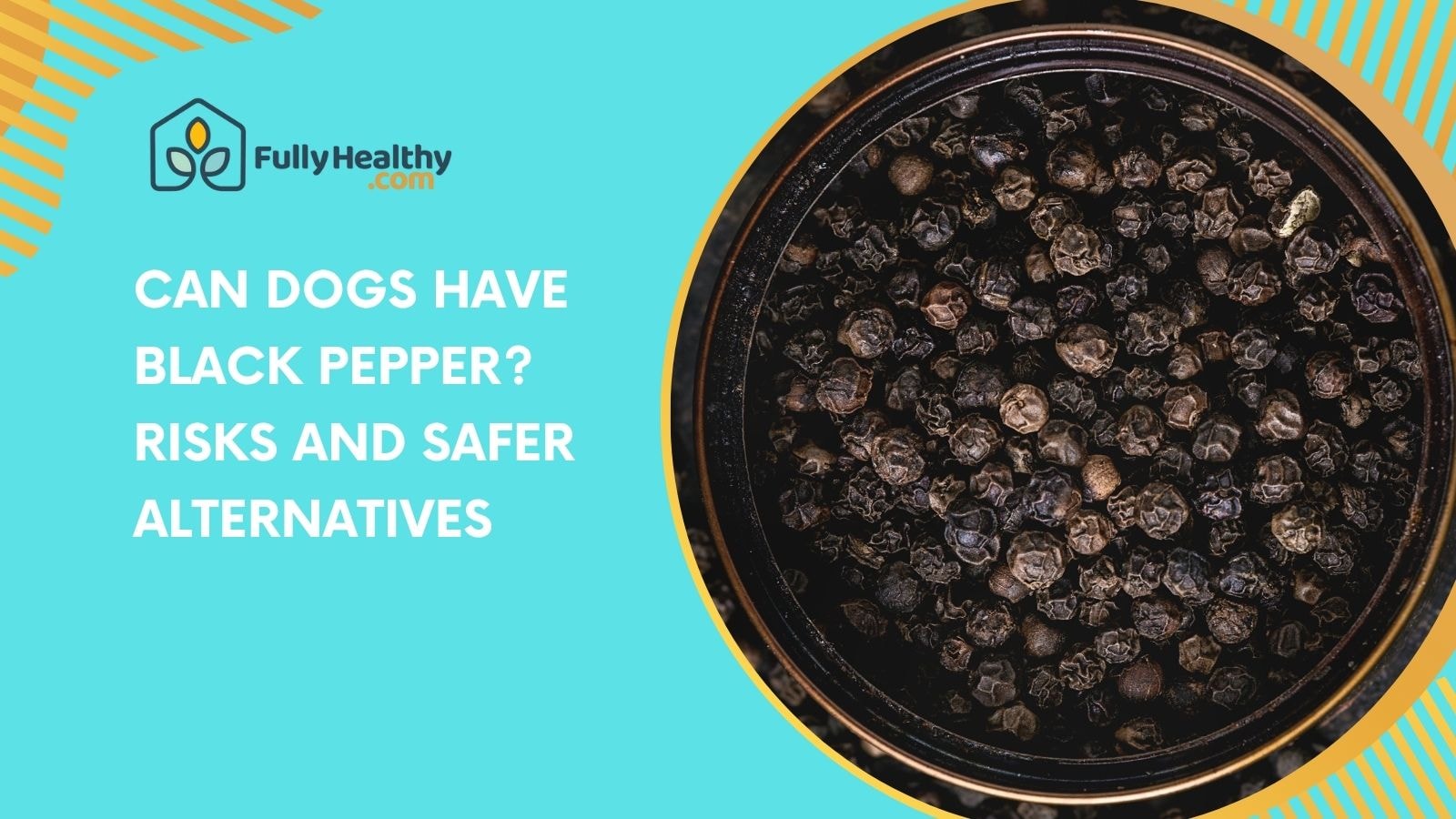
Yes, dogs can have a tiny amount of black pepper, but it is not a good everyday choice.
Black pepper is one of those kitchen spices that seems harmless until it meets a dog’s sensitive stomach. If you have ever wondered whether black pepper in dog food is safe, how much is too much, or what to do if your dog sneaks a bite, you are in the right place. I’ll walk you through the real risks, the small exceptions, and the smarter ways to season your dog’s food safely.
What black pepper is and why it matters for dogs
Black pepper comes from the dried berries of the pepper plant. It is common in human food because it adds heat, aroma, and flavor. For dogs, though, the issue is not taste. It is how the spice can affect their mouth, stomach, and airways.
Dogs have a much more sensitive digestive system than people do. A sprinkle of black pepper is not usually toxic, but that does not mean it is harmless. The main concern is irritation. Some dogs may handle a tiny amount just fine, while others may react fast with sneezing, drooling, or an upset stomach.
In my experience, the dogs that struggle most are the ones with sensitive digestion, reflux, or a history of eating rich foods. A spice that seems small to us can feel like sandpaper to a dog’s gut. That is why “safe” and “recommended” are not the same thing.

Can dogs have black pepper in their food?
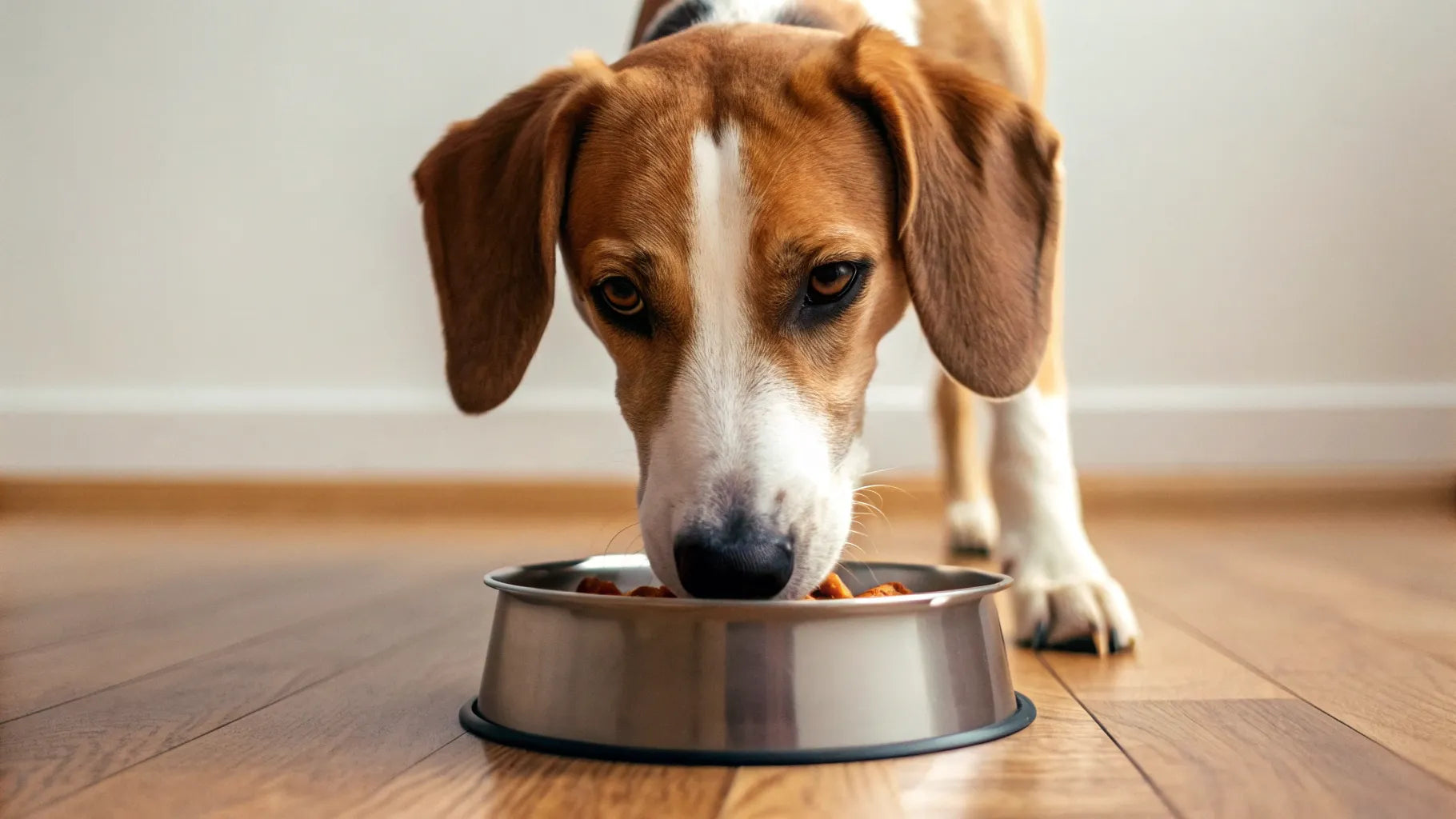
Can dogs have black pepper in their food? Yes, but only in very small amounts, and it is usually better to avoid it when possible. Black pepper is not considered highly toxic to dogs, but it can cause irritation if your dog eats too much or if your dog is already prone to stomach trouble.
A light dusting on food is unlikely to be dangerous for a healthy dog, especially if it happens once by accident. But regular use is not a good idea. Dog food should be simple, digestible, and gentle, not loaded with seasonings that can trigger discomfort.
The safest answer is this: dogs do not need black pepper in their food, and many do better without it. If you are cooking for your dog at home, plain ingredients are usually the best choice. Think of black pepper like hot sauce for a toddler. A little may not cause a crisis, but it is still not the smart default.
Is black pepper toxic to dogs?
Black pepper is not usually classified as toxic in the same way as chocolate, grapes, onions, or xylitol. That said, black pepper can still cause problems. The danger is dose, sensitivity, and how the pepper is served.
A large amount may lead to:
• Mouth irritation
• Coughing or sneezing
• Watery eyes
• Vomiting
• Diarrhea
• Stomach pain
• Reduced appetite
Some dogs are more sensitive than others. Small breeds, puppies, senior dogs, and dogs with chronic digestive issues can react more strongly than healthy adult dogs. If black pepper is mixed into greasy, salty, or heavily seasoned food, the risk goes up even more.
What happens if a dog eats black pepper?
If a dog eats a small amount of black pepper, nothing may happen at all. But if your dog gets into a pepper shaker or eats a heavily seasoned dish, you may notice symptoms fairly quickly. The most common signs are mild and pass on their own, but they still matter.
Watch for:
• Sneezing or coughing
• Pawing at the mouth
• Drooling
• Vomiting
• Loose stool
• Restlessness
• Less interest in food
If the food also contains garlic, onion, or a lot of salt, that is a much bigger concern than the black pepper itself. Those ingredients are far more dangerous for dogs. When people say, “It was just seasoned food,” that can hide the real problem. Seasonings often travel as a group.
How much black pepper is too much for dogs?
There is no perfect universal dose because dogs vary so much in size and sensitivity. Still, more is always worse. A pinch on a large batch of food may not cause trouble, but a spoonful or a pepper-heavy meal is more likely to upset your dog.
As a practical rule:
• A tiny accidental amount is usually low risk
• Frequent use is not recommended
• Large amounts can cause clear stomach irritation
• Pepper mixed with other seasonings is more dangerous
If you are making homemade dog food, it is better to keep it bland and balanced. Dogs do not need pepper to enjoy their meals. Most of them are happy with plain protein, cooked vegetables, and vet-approved ingredients.
Why black pepper is not a great ingredient in dog food
Black pepper does not offer any real nutritional benefit for dogs. It is not a needed vitamin, mineral, or supplement. Its main purpose is flavor for human food, not canine health.
Here is why I usually tell dog owners to skip it:
• It can irritate the stomach
• It may trigger coughing or sneezing
• It is unnecessary in a dog’s diet
• It can hide the taste of more important food problems
• It may bother dogs with reflux or sensitive guts
When I worked with dogs that had food sensitivities, the pattern was clear. Simpler food usually meant fewer issues. The more seasoning a meal had, the more likely someone was to call later about vomiting, loose stool, or refusal to eat.
Black pepper vs. other spices in dog food
Not all spices are equal. Some are simply irritating, while others are dangerous. Black pepper is usually in the mild irritation group, but that still does not make it a good choice for dogs.
Here is a simple way to think about it:
• Black pepper: may irritate, but usually not highly toxic in tiny amounts
• Chili powder or cayenne: more likely to burn and upset the stomach
• Garlic and onion powder: can be dangerous to dogs
• Nutmeg: can be toxic in larger amounts
• Salt-heavy seasoning blends: can create multiple problems at once
This is why “seasoned for flavor” is not the same as “safe for dogs.” A seasoning mix may look small, but one harmful ingredient can change the whole picture.
What to do if your dog ate food with black pepper
If your dog ate something with black pepper, stay calm. In many cases, the amount is small and the dog will be fine. Start by checking what else was in the food. That part matters just as much as the pepper.
Follow these steps:
- Remove the food so your dog cannot keep eating it.
- Check the ingredient list for onion, garlic, salt, butter, or hot spices.
- Offer fresh water.
- Watch for vomiting, diarrhea, drooling, or signs of discomfort.
- Call your vet if your dog ate a large amount or has symptoms.
If the meal included onion, garlic, raisins, xylitol, or a very salty sauce, contact your vet right away. Those ingredients are more dangerous than black pepper and should never be ignored. When in doubt, it is always safer to ask a vet early than to wait and hope.

Safer ways to make dog food tasty
If your dog needs more flavor, there are better options than black pepper. The best approach is to use dog-safe ingredients that support digestion and nutrition.
Try these instead:
• Plain cooked chicken or turkey
• Lean beef without seasoning
• Pumpkin puree in small amounts
• Cooked carrots
• Green beans
• Sweet potato
• A little plain bone broth made without onion or garlic
A lot of dogs respond well to temperature and texture, too. Warm food smells stronger and can seem more appealing than cold food. Sometimes the fix is not seasoning at all. It is just making the meal fresh, soft, and easy to eat.
When black pepper may be a bigger concern
Some dogs should avoid black pepper completely unless a vet says otherwise. These dogs are more likely to react badly to spicy or irritating foods.
Be extra careful if your dog has:
• A sensitive stomach
• Acid reflux
• Chronic vomiting
• Diarrhea issues
• Pancreatitis history
• Food allergies or intolerances
• A habit of eating too fast
Puppies also need special care because their digestive systems are still developing. Senior dogs may be more fragile, too. In both cases, bland food is usually the safer route.
Practical tips for dog owners
Over time, I have found that the safest feeding habits are often the simplest ones. People sometimes season dog food because they think it looks boring, but dogs do not need our flavor logic. They need balance, safety, and consistency.
A few useful tips:
• Keep human spices out of your dog’s bowl
• Read labels on broth, treats, and wet food
• Avoid seasoning blends unless you know every ingredient
• Store pepper and spices away from curious dogs
• Use plain ingredients when cooking at home
If you want a dog to enjoy food more, focus on freshness, portion size, and quality ingredients. That usually works better than adding spices. And it keeps the risk low.
Frequently Asked Questions of Can dogs have black pepper in their food
Can a small amount of black pepper hurt my dog?
Usually, a tiny accidental amount will not cause serious harm. Your dog might have mild irritation or no reaction at all. Still, it is best not to make black pepper a regular part of the diet.
Can dogs eat black pepper on meat?
A little black pepper on plain cooked meat is not usually an emergency. The real concern is whether the meat also has onion, garlic, salt, or butter. Those extras can be much more harmful than the pepper itself.
What should I do if my dog sneezes after eating black pepper?
Sneezing can happen because black pepper irritates the nose and throat. Offer water and watch your dog for a short time. If coughing, vomiting, or breathing trouble starts, call a vet.
Is black pepper in homemade dog food okay?
It is better to leave it out. Homemade dog food should be simple and easy to digest, especially if you are feeding it often. Black pepper does not add nutritional value for dogs.
Can black pepper cause diarrhea in dogs?
Yes, it can in some dogs, especially if they ate too much. The spice may irritate the stomach and lead to loose stool or vomiting. If the symptoms last more than a day, contact your vet.
Are pepper spices like white pepper or cayenne safe for dogs?
No, they are not a good idea. White pepper can still irritate, and cayenne is much harsher on the stomach and mouth. If you are seasoning for a dog, it is safer to skip spicy ingredients altogether.
Conclusion
Black pepper is not usually toxic to dogs, but that does not make it a smart food ingredient. A tiny accidental amount is often harmless, yet regular use can lead to stomach upset, coughing, or irritation. The best choice is to keep your dog’s food plain, simple, and free of unnecessary seasoning.
If you are cooking for your dog or checking a packaged food label, remember the bigger picture. Black pepper may be only a mild issue, but mixed spices, salt, onion, and garlic can turn a simple meal into a risk. Make informed choices, trust your dog’s body signals, and when in doubt, ask your vet.