Most adult dogs need one to three cans daily, but calories, size, age, and health decide the right amount.
Knowing how many cans of wet dog food per day your dog needs is more than counting cans. The right serving depends on your dog’s weight, age, activity, health, and the calories in each can. This guide explains how to read the label, calculate a starting amount, avoid overfeeding, and adjust meals safely.
How many cans of wet dog food per day does a dog need?
There is no single serving that fits every dog. A small dog may need less than one can per day, while a large or active dog may need several cans. The can size and calorie content matter just as much as your dog’s body weight.
As a general starting guide, many adult dogs may need:
• Small dogs under 20 pounds: About one-half to one can daily
• Medium dogs from 20 to 50 pounds: About one to two cans daily
• Large dogs from 50 to 90 pounds: About two to four cans daily
• Extra-large dogs over 90 pounds: About three to six or more cans daily
These ranges assume standard cans, often between 12 and 13 ounces. Some wet foods have far more calories per can than others, so this chart is only a starting point.
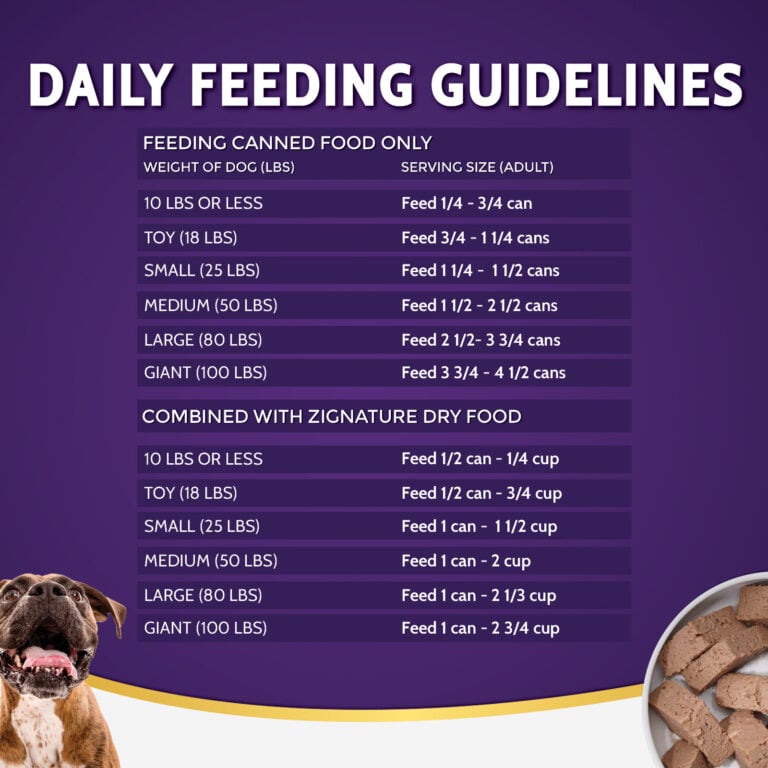
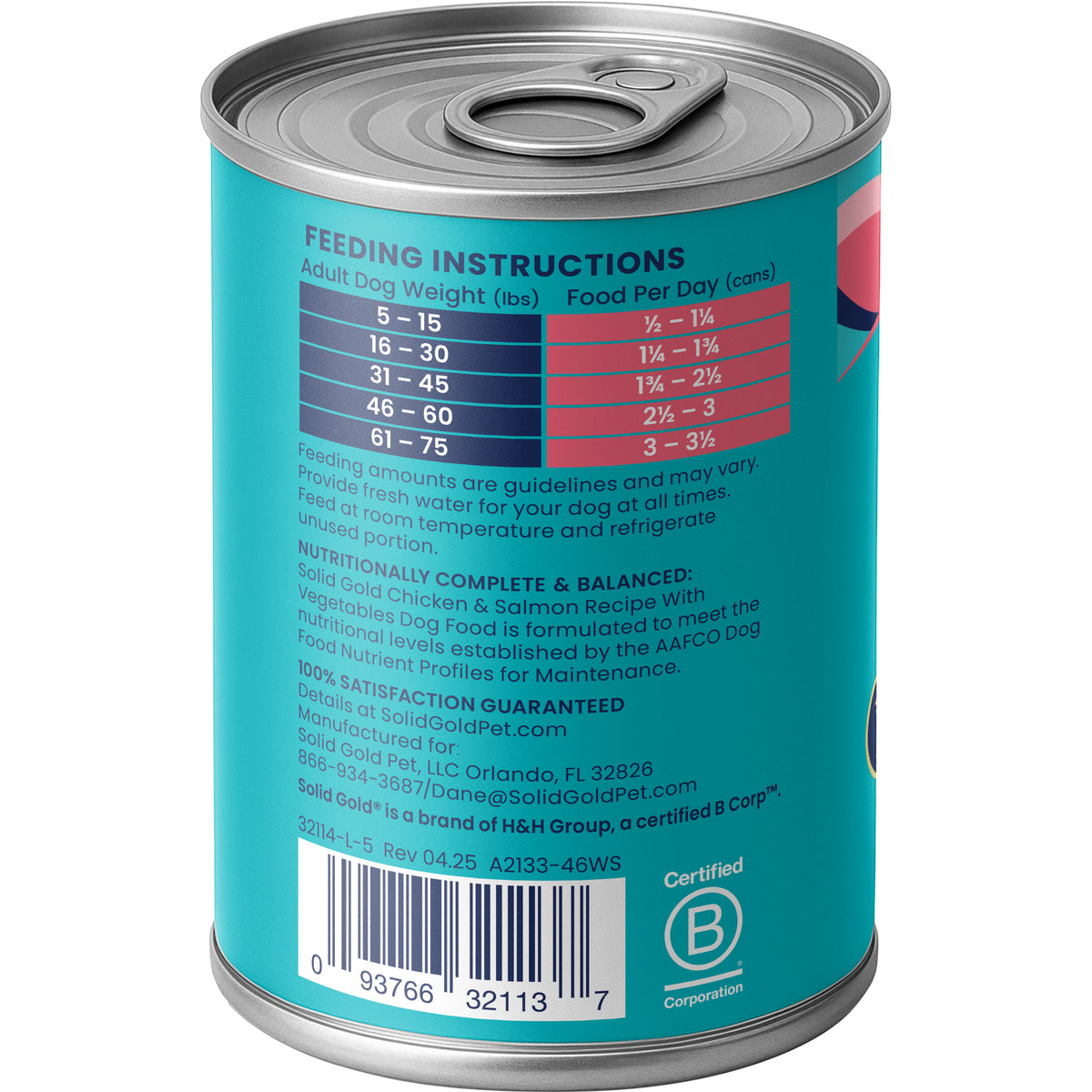
When asking how many cans of wet dog food per day, always check the feeding chart on the package first. Then compare that guide with your dog’s body shape, energy level, and weight trend.
Why can size and calories matter
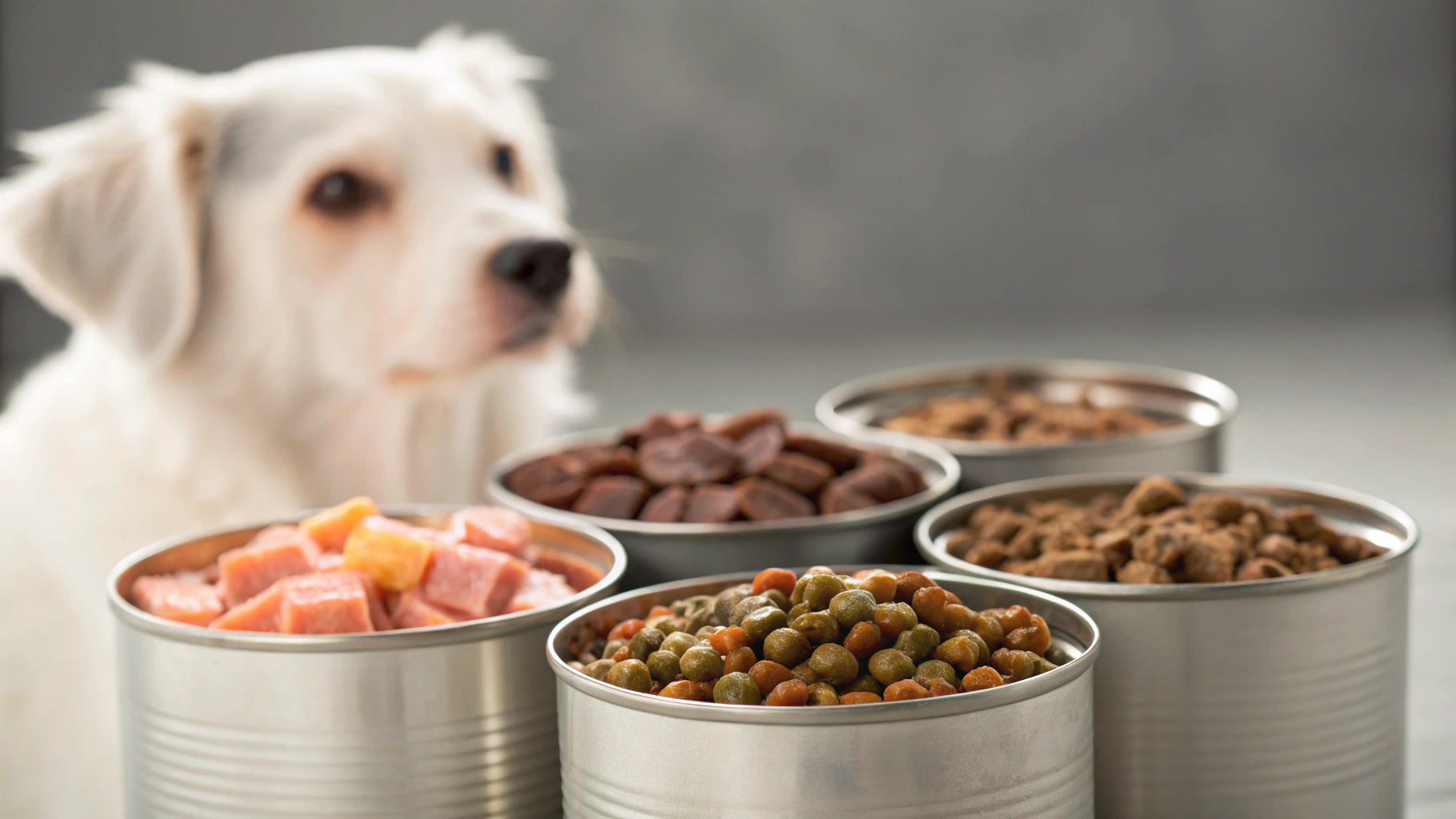
A “can” is not a standard unit of food. A small 5.5-ounce can and a large 13-ounce can may have very different calorie counts. Even two 13-ounce cans can vary widely because recipes contain different amounts of meat, fat, water, and fiber.
Look for the phrase “Calorie Content” on the label. It may list calories as:
• Kilocalories per can
• Kilocalories per kilogram
• Kilocalories per ounce
For example, one 13-ounce can may contain 350 calories, while another may contain 550 calories. Feeding two cans of the first food gives your dog 700 calories. Feeding two cans of the second gives 1,100 calories.
This is why how many cans of wet dog food per day should be based on calories, not only volume. Think of cans as containers, not nutrition units.
A simple way to calculate daily wet food portions
You can estimate your dog’s daily needs with a few simple steps. The result is a starting point, not a medical prescription.
Step 1: Find your dog’s weight
Use your dog’s current body weight in pounds. If your dog is overweight, ask your veterinarian whether portions should be based on the target weight instead.
Step 2: Check the calories per can
Find the calorie number on the wet food label. Write it down. If the label lists calories per ounce, multiply that number by the number of ounces in the can.
Step 3: Estimate daily calories
Many healthy adult dogs need roughly 20 to 30 calories per pound of body weight each day. This broad estimate can change based on age, breed, activity, metabolism, and body condition.
For a more formal estimate, veterinary nutrition formulas often begin with resting energy requirement:
RER = 70 × body weight in kilograms raised to the 0.75 power
A veterinarian may then apply a life-stage or activity factor. Puppies, working dogs, pregnant dogs, and dogs recovering from illness may need a different calculation.
Step 4: Divide calories by calories per can
Use this formula:
Daily cans = daily calorie needs ÷ calories per can
For example, a 30-pound adult dog may need about 600 to 750 calories daily. If each can contains 375 calories, the dog may need about 1.6 to 2 cans per day.
This example shows why how many cans of wet dog food per day can vary even among dogs of the same weight.
Wet dog food feeding chart by dog size
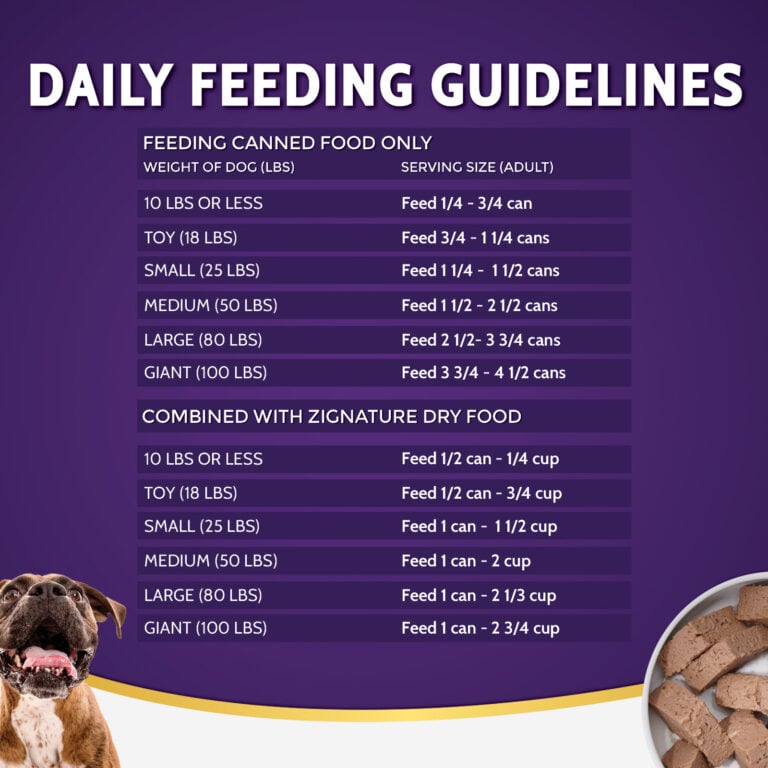
The chart below gives rough starting amounts for healthy adult dogs eating wet food as their main diet. It assumes cans contain about 350 to 450 calories each.
| Dog weight | Approximate daily calories | Approximate cans per day |
|---|---|---|
| 10 pounds | 200 to 300 | One-half to three-quarters |
| 20 pounds | 350 to 500 | One to one and one-quarter |
| 30 pounds | 500 to 700 | One and one-quarter to two |
| 50 pounds | 750 to 1,000 | Two to three |
| 70 pounds | 1,000 to 1,400 | Two and one-half to four |
| 90 pounds | 1,300 to 1,700 | Three to five |
These numbers are not exact meal plans. A calm senior dog may need less than the chart suggests. A young, active dog may need more.
Use the chart as a starting point, then watch your dog’s body condition. You should be able to feel the ribs with light pressure, but the ribs should not be sharply visible in most breeds. Your dog should also have a visible waist when viewed from above.
How many cans of wet dog food per day for puppies?
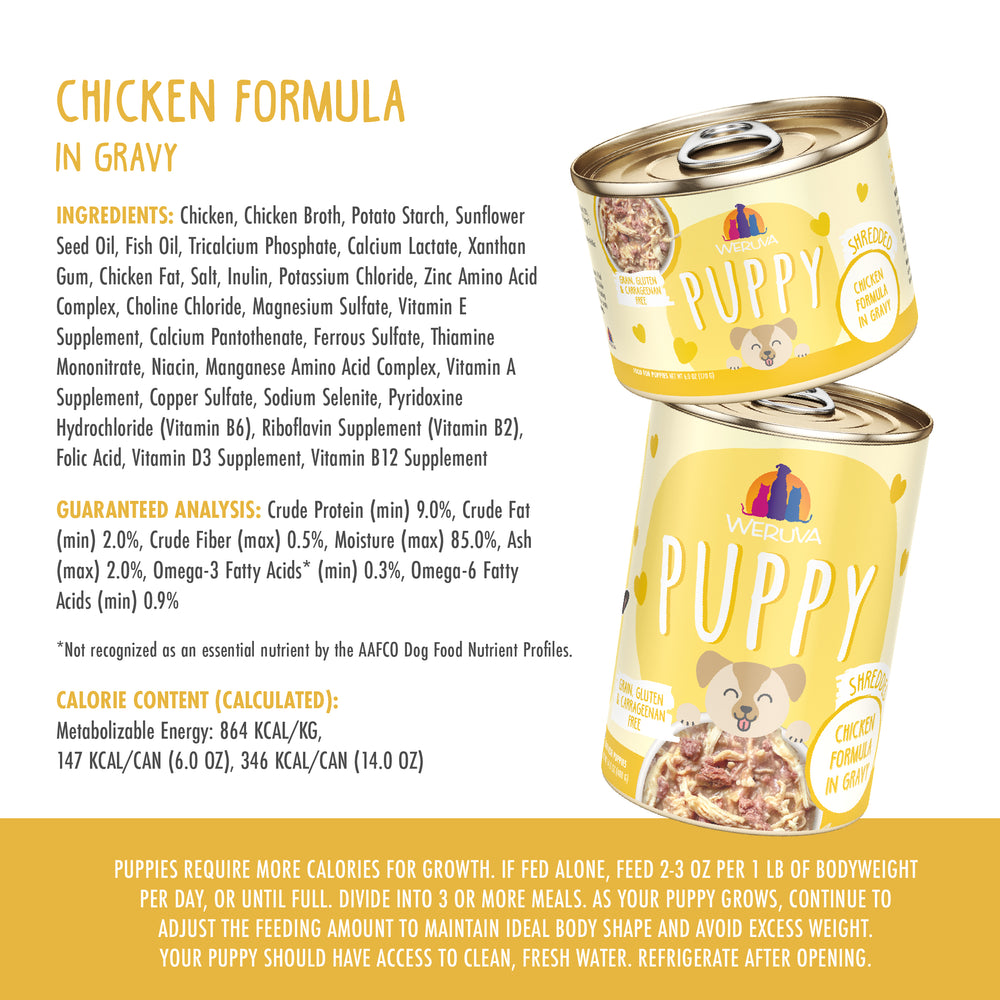
Puppies usually need more calories per pound than adult dogs because they are growing. However, their needs change quickly, so puppy feeding should be based on age, expected adult size, and the food’s puppy feeding guide.
Young puppies often need three or four small meals each day. As they grow, many can move to two or three meals. Large-breed puppies need special care because too many calories or an unbalanced mineral intake can affect bone growth.
Choose food labeled complete and balanced for growth or all life stages. Food made only for adult maintenance may not provide the right nutrient balance for a growing puppy.
Weigh puppies often and adjust portions as they grow. If a puppy has a sudden change in appetite, poor growth, vomiting, or diarrhea, contact a veterinarian.
How many cans of wet dog food per day for senior dogs?
Senior dogs do not all need less food. Some become less active and gain weight, while others lose muscle or have health problems that increase their nutritional needs.
A senior dog may do well with smaller portions if activity drops. However, reducing food too much can lead to muscle loss. Protein quality, digestibility, dental comfort, and medical needs are often more important than age alone.
Ask your veterinarian to check your dog’s weight, muscle condition, teeth, kidneys, and thyroid if appetite or weight changes. These checks help answer how many cans of wet dog food per day more accurately than age alone.

How many cans of wet dog food per day for large and small breeds?
Small dogs often need calorie-dense food because they have small stomachs but high energy needs per pound. A tiny dog may need only one-half of a can, yet that portion must still supply enough nutrients.
Large dogs may need several cans, especially when wet food has a low calorie density. Feeding a large volume can be costly and may cause loose stools if the change happens too quickly.
Breed can influence energy needs, but body condition is more useful than breed labels alone. Two dogs of the same breed and weight may need different portions because their activity and metabolism differ.

How to mix wet food with dry food
Many dogs eat a combination of wet and dry food. In this case, do not feed a full wet-food portion plus a full dry-food portion. That can add too many calories.
Instead, replace some dry food with wet food based on calories. For example:
• Daily target: 800 calories
• Wet food: 400 calories
• Dry food: 400 calories
• If one can contains 400 calories, feed one can
• If the dry food contains 400 calories per cup, feed one cup
The exact amounts depend on the labels. Measure dry food with a standard measuring cup or, even better, a kitchen scale.
When changing foods, take five to seven days to shift from the old diet to the new one. A slow change may reduce gas, diarrhea, and stomach upset.
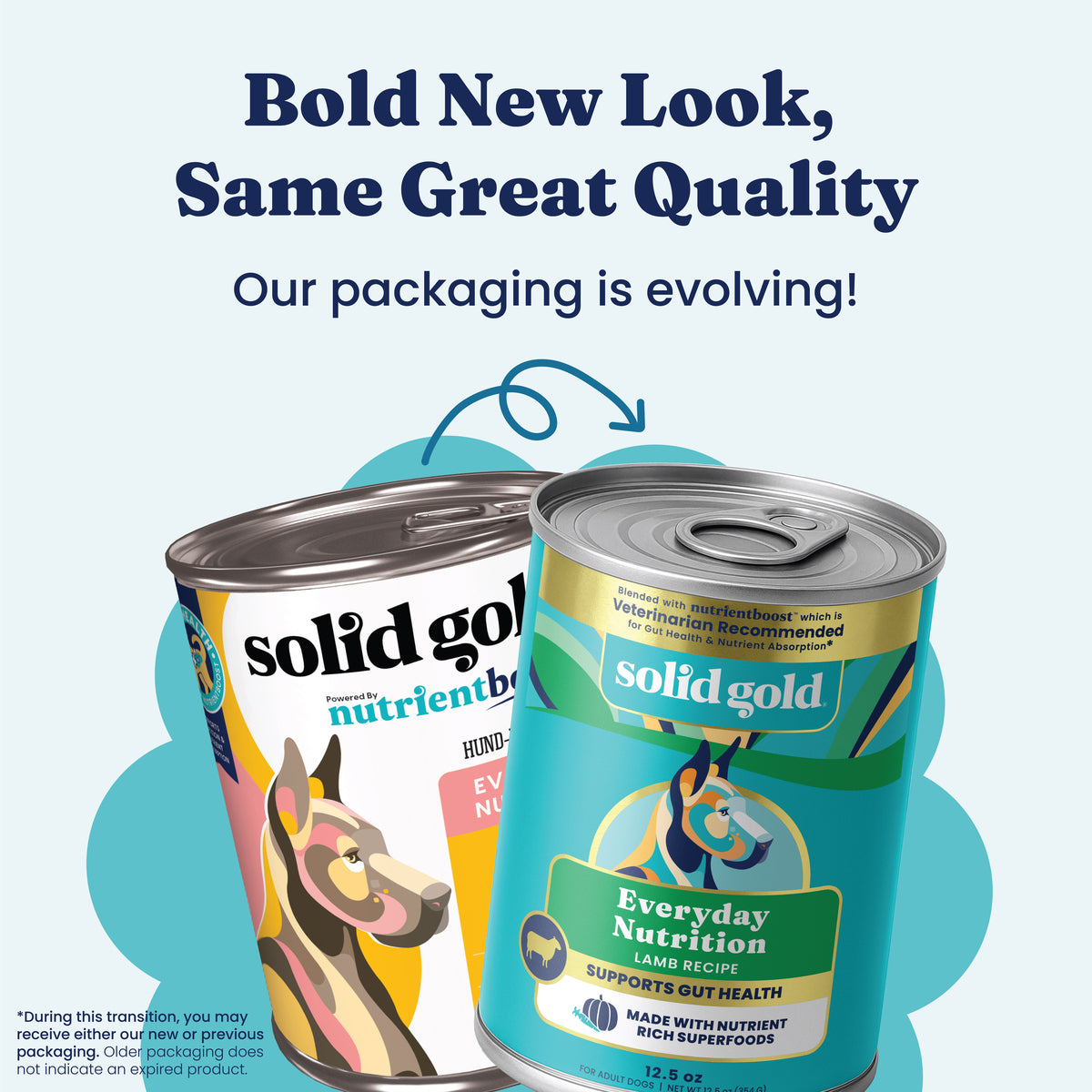
How many cans of wet dog food per day should be fed at each meal?
Most adult dogs do well with two meals per day. Divide the total daily amount into two equal portions.
For example:
• One can daily: Feed one-half can in the morning and one-half at night
• Two cans daily: Feed one can at each meal
• Three cans daily: Feed one and one-half cans at each meal
Some dogs need three or more meals because of age, medication, reflux, diabetes, or a sensitive stomach. Follow your veterinarian’s instructions when a health condition affects meal timing.
Cover unused food and refrigerate it promptly. Use refrigerated leftovers within the period listed on the package, and serve them in a clean bowl.

Signs that your dog is eating too much
Overfeeding can happen slowly. A few extra bites each day may seem harmless, but they can add up over time.
Watch for:
• Ribs that are difficult to feel
• A missing waist
• A round or sagging belly
• Weight gain over several weeks
• Soft stool or frequent gas
• Less interest in play
• Trouble jumping, walking, or climbing stairs
Treats also count. Veterinary nutrition guidance commonly recommends keeping treats and table food to no more than about 10% of daily calories.
If your dog gains weight, reduce the daily amount slightly and reassess after two to three weeks. Avoid sudden, severe calorie cuts unless a veterinarian provides a weight-loss plan.
Signs that your dog may not be eating enough
Some dogs need more food than the package suggests. This can happen with high activity, illness, poor digestion, pregnancy, or food that is not calorie-dense.
Possible signs include:
• Weight loss
• Visible ribs, hips, or spine
• Low energy
• Loss of muscle over the back or legs
• Constant food-seeking
• Dull coat
• Slow recovery after exercise
A poor appetite can also signal dental pain, nausea, kidney disease, liver disease, infection, or other problems. Do not simply add more cans if your dog is losing weight or refusing food.
Contact your veterinarian if appetite changes last more than a day, or sooner if your dog has vomiting, diarrhea, weakness, pain, or unusual thirst.
Common mistakes when feeding canned dog food
Portion errors are easy to make, especially when a dog looks hungry. These mistakes can lead to weight gain or an unbalanced diet.
• Counting cans instead of calories
• Ignoring treats and table scraps
• Feeding the same amount after activity drops
• Using an adult food for a puppy
• Changing food too fast
• Leaving wet food out for many hours
• Guessing portions without checking the label
• Assuming every can has the same calorie value
• Adding supplements without veterinary advice
One mistake I often see is switching between brands while keeping the same number of cans. The dog may receive far more calories from the new recipe. Always recalculate when the food, can size, or recipe changes.
How to adjust your dog’s daily portion
Start with the food label and your dog’s current weight. Feed a measured amount for two to three weeks, unless your veterinarian gives different instructions.
Then assess:
• Body weight
• Waist shape
• Rib feel
• Stool quality
• Energy level
• Hunger between meals
If your dog is gaining weight, reduce the total daily calories by a small amount. If your dog is losing weight without a goal, increase calories only after checking for possible health problems.
Keep a simple food log. Record the brand, can size, calories, meal amounts, treats, and weight. This makes it much easier to understand how many cans of wet dog food per day truly works for your dog.
Is wet dog food healthy?
Complete and balanced wet dog food can be a healthy main diet. It often contains a high water content, which can help dogs that drink little or need more moisture in their diet.
Wet food may also be easier for dogs with missing teeth, sore mouths, or trouble chewing. Many dogs find the smell and texture appealing, which can help during periods of low appetite.
Still, not every canned product is a complete diet. Look for a nutritional adequacy statement showing that the food meets recognized nutrient standards for your dog’s life stage.
Foods labeled for intermittent or supplemental feeding should not make up the entire diet unless a veterinarian directs you to use them that way.
When to ask a veterinarian
A feeding label cannot account for every medical condition. Your dog may need a custom plan if they have diabetes, kidney disease, heart disease, pancreatitis, allergies, cancer, or digestive problems.
Professional advice is also important for:
• Puppies growing rapidly
• Pregnant or nursing dogs
• Dogs that are severely overweight
• Dogs that are underweight
• Highly active working dogs
• Dogs with sudden appetite changes
• Dogs taking medicines that affect hunger or weight
Veterinarians can assess body condition, muscle mass, blood work, and calorie needs. This is especially helpful when the answer to how many cans of wet dog food per day is not clear from the label.
Frequently asked questions about how many cans of wet dog food per day
How many cans of wet dog food should a 50-pound dog eat?
A 50-pound adult dog may need about two to three 12- or 13-ounce cans daily if each can contains roughly 350 to 450 calories. Check the label and adjust for activity, age, body condition, and health.
Can a dog eat wet food every day?
Yes, a dog can eat wet food every day if it is complete and balanced for the dog’s life stage. Measure the daily portion carefully and refrigerate unused food.
Is two cans of wet dog food too much?
Two cans may be suitable for one dog and too much for another. The answer depends on can size, calories per can, body weight, activity, and whether the dog also eats dry food or treats.
How many cans of wet dog food should a small dog eat?
Many small dogs need about one-half to one can daily, but calorie density can change this amount. Divide the daily serving into two meals if your dog eats twice a day.
Should I feed wet dog food once or twice a day?
Most adult dogs do well with two meals per day. Puppies, seniors, and dogs with certain medical needs may do better with three or more smaller meals.
How do I know if I am feeding my dog enough canned food?
Your dog should maintain a healthy weight, visible waist, good energy, and an easily felt layer of ribs. Unplanned weight loss, poor muscle tone, or low energy means you should contact a veterinarian.
Conclusion
The right answer to how many cans of wet dog food per day depends on calories, not cans alone. Start with the feeding guide, check the calories per can, consider your dog’s age and activity, and watch body condition over time.
Measure meals, count treats, and make changes slowly. If your dog’s weight or appetite changes without a clear reason, ask a veterinarian for help. Use these steps to build a feeding plan that keeps your dog comfortable, active, and well nourished, and explore more trusted pet nutrition resources for ongoing guidance.