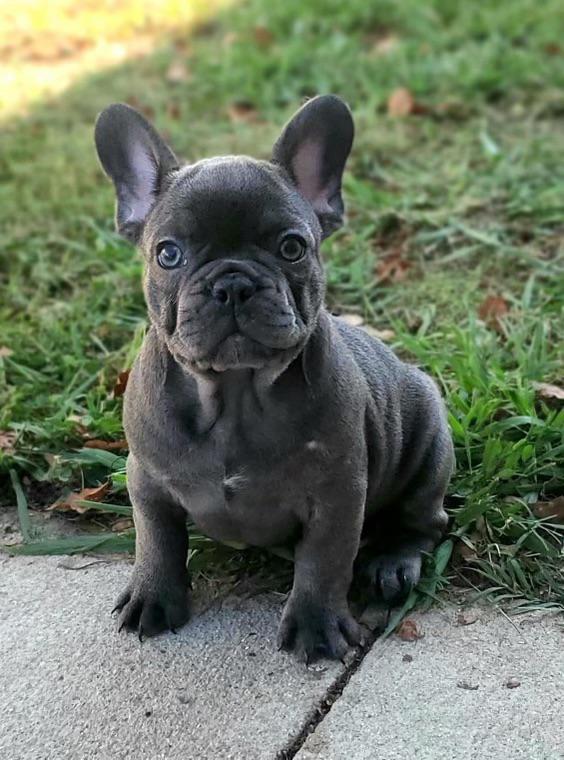
The best dog food for French Bulldogs is complete, balanced, high-protein, digestible, and portion-controlled.
Choosing what dog food is good for French Bulldogs is not just about picking a trendy bag. Frenchies often have sensitive stomachs, food allergies, flat faces, and a strong tendency to gain weight. After reviewing common feeding problems in this breed, the safest approach is simple: choose a complete diet made for your dog’s life stage, watch calories, and change foods slowly.
What dog food is good for French Bulldogs?
The best dog food for French Bulldogs should provide balanced nutrition without extra fat, poor-quality fillers, or hard-to-digest ingredients. Look for food that meets the nutritional standards set for your dog’s life stage and lists a named animal protein near the top of the ingredient list.
Good options may include:
• Chicken, turkey, beef, lamb, fish, or another named animal protein
• Moderate fat to help control weight
• Easily digested carbohydrates such as rice, oats, barley, potatoes, or sweet potatoes
• Omega-3 fatty acids from fish oil for skin and coat support
• Fiber from vegetables, beet pulp, pumpkin, or other safe sources
• Added vitamins and minerals for complete nutrition
A French Bulldog does not need a special “Frenchie-only” food to stay healthy. Breed-specific formulas can be useful, but the nutrition label matters more than the picture on the bag.
A good diet should also match your dog’s age, activity, body size, and health needs. A playful puppy needs different calories than a calm senior dog.
Why French Bulldogs need a careful diet
French Bulldogs have a compact body and a short muzzle. These traits can affect eating, breathing, digestion, and weight control.
Many Frenchies swallow air while eating. This may lead to burping, gas, bloating, or noisy digestion. The right food cannot fix every issue, but smaller meals and a slower eating method can help.
French Bulldogs may also develop itchy skin, ear infections, paw licking, or loose stools. Food allergies are not always the cause. Environmental allergies, fleas, yeast, and other health problems can look similar. A veterinarian should help identify the real cause.
Weight is another major concern. Extra pounds put more stress on the spine, knees, hips, and airways. In my experience reviewing feeding plans, owners often measure food by sight. That small habit can add many calories over time.
Use a measuring cup or kitchen scale. Treats should also count toward the daily calorie total.

Best food types for French Bulldogs
There is no single food that suits every French Bulldog. However, several food types can work well when they are complete and balanced.
Dry food
High-quality dry food is convenient, affordable, and easy to measure. It may also help reduce plaque when the kibble has a suitable size and texture, although it does not replace tooth brushing.
Choose a kibble that your Frenchie can pick up without struggling. Very large or hard pieces may be difficult for a dog with a short muzzle.
A slow-feeder bowl can help if your dog gulps meals. Some French Bulldogs do better with a shallow dish, raised edges, or a bowl designed for flat-faced breeds.
Wet food
wet food contains more water and often smells more appealing. It can help picky eaters, older dogs, or Frenchies with dental pain.
The main drawback is calorie control. Some canned foods are rich in fat, and it is easy to feed too much. Check the calorie content instead of judging the portion by volume alone.
Wet food can also spoil faster after opening. Keep it chilled and follow the storage directions on the label.
Fresh or gently cooked food
Fresh food may be a good choice if it is formulated to meet complete nutritional standards. It should contain the right balance of protein, fat, carbohydrates, vitamins, and minerals.
Do not assume that homemade food is complete. Meat and rice alone can lack calcium, iodine, zinc, vitamin D, and other key nutrients. A veterinary nutritionist should create a homemade recipe.
Prescription diets
Some French Bulldogs need a veterinary diet for allergies, pancreatitis, obesity, urinary disease, or digestive disorders. These foods should be used with professional guidance.
A prescription food is not automatically better for every dog. It is designed for a specific medical purpose.
How to choose dog food for French Bulldogs
Reading a pet food label can feel like reading a tiny science book. Focus on a few key details instead of chasing every marketing claim.
1. Check the nutritional statement
Look for a statement showing that the food is complete and balanced for your dog’s life stage. Puppies need growth nutrition. Adults need maintenance nutrition. Some foods are suitable for all life stages.
This statement is more important than words such as “natural,” “premium,” or “holistic.” Marketing terms do not prove that a food is right for your Frenchie.
2. Choose a clear protein source
A named protein such as chicken, salmon, turkey, or lamb gives you useful information. Protein supports muscle, skin, organs, and immune function.
French Bulldogs do not always need an extremely high-protein diet. The total formula matters more than one ingredient. A balanced diet with good-quality protein is the goal.
3. Consider fat levels
Fat provides energy and helps the body use certain vitamins. Too much fat, however, may cause weight gain or worsen digestive problems in sensitive dogs.
Dogs with a history of pancreatitis need special care. Never choose a high-fat diet for such a dog without speaking with a veterinarian.
4. Look for useful fiber
Fiber may support regular stools and healthy gut function. It can also help a dog feel full while eating fewer calories.
Too much fiber may cause gas or loose stools. French Bulldogs are already known for noisy digestion, so increase fiber slowly.
5. Review calories per cup
Two foods may have the same serving size but very different calorie counts. Always compare calories per cup, can, pouch, or gram.
Your veterinarian can help estimate daily calories. Adjust the amount if your dog gains weight, loses weight, or becomes more active.
What dog food is good for French Bulldogs with allergies?
For French Bulldogs with suspected food allergies, a limited-ingredient or hydrolyzed diet may help. The most reliable method is a strict elimination diet supervised by a veterinarian.
A proper food trial often lasts several weeks. During this period, your dog must eat only the selected diet. Treats, table scraps, flavored medicine, and chews can interfere with the result.
Common food allergens in dogs include beef, dairy, chicken, and wheat, but any protein can cause a reaction. Grain-free food is not automatically safer. Many dogs tolerate grains well, and removing grains without a medical reason may reduce diet variety.
Possible signs of a food reaction include:
• Repeated ear infections
• Itchy skin or paws
• Red skin
• Frequent licking
• Vomiting
• Chronic soft stools
• Excessive gas
These signs have many possible causes. A food change should not replace a veterinary exam.

What dog food is good for French Bulldog puppies?
French Bulldog puppies need food made for growth, especially during their first year. Puppy food should provide enough energy, protein, calcium, phosphorus, and other nutrients for steady development.
Avoid feeding a puppy an adult maintenance formula unless your veterinarian recommends it. Puppy nutrition supports bones, muscles, the nervous system, and the immune system.
Feed puppies several small meals each day. Small meals can be easier to digest and may help reduce gulping.
A typical plan may include:
• Three meals daily for young puppies
• Two or three meals daily for older puppies
• Measured portions based on body condition
• Fresh water available at all times
Do not overfeed a growing Frenchie. Rapid weight gain can place stress on developing joints and may increase breathing problems.
Your puppy should look sturdy but not round. You should be able to feel the ribs under a light layer of fat.
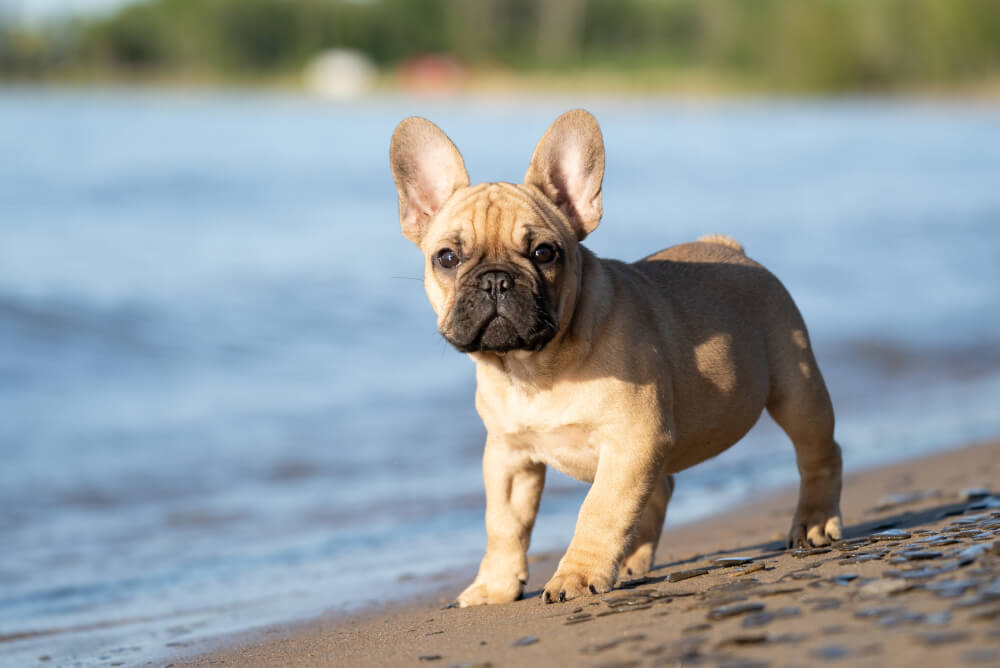
What dog food is good for adult French Bulldogs?
Adult French Bulldogs usually do well on a complete adult maintenance diet with moderate calories. The best food depends on activity level, body condition, digestion, and any medical concerns.
An active Frenchie may need more calories than a dog that spends most of the day sleeping. Even so, the breed often gains weight easily because of its small size.
Measure each meal and reassess your dog’s body shape every few weeks. A healthy adult should have:
• Ribs that are easy to feel
• A visible waist from above
• A slight abdominal tuck from the side
• Good energy without heavy breathing during mild activity
If your dog is overweight, reduce calories gradually with veterinary guidance. Do not simply cut food dramatically, since this may leave important nutrients short.
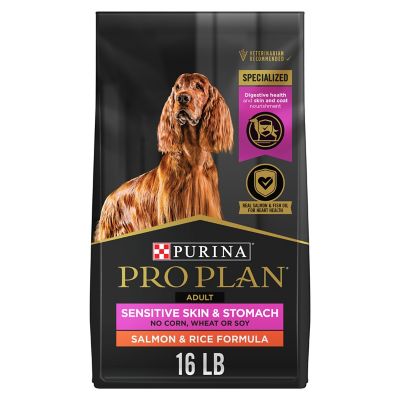
What dog food is good for senior French Bulldogs?
Senior French Bulldogs may need fewer calories but still require strong nutrition. Look for a balanced senior formula with adequate protein, moderate fat, and ingredients that support healthy digestion.
Older dogs may also develop dental disease, joint stiffness, kidney problems, or reduced activity. These issues can change their food needs.
Do not switch to a low-protein diet just because your dog is old. Protein needs depend on health status, muscle condition, and veterinary advice. Dogs with kidney disease may require a therapeutic diet, but that decision should come from a veterinarian.
Soft food or moistened kibble may help a senior dog with sore teeth. A dental exam is still important because mouth pain can be easy to miss.

Ingredients to limit or avoid
Some ingredients deserve caution, especially if your French Bulldog has a sensitive stomach.
Avoid feeding:
• Chocolate
• Grapes and raisins
• Onions, garlic, and chives
• Xylitol, also called birch sugar
• Alcohol
• Cooked bones
• Very fatty table scraps
• Raw animal products with unknown safety
Raw diets can carry bacteria that may affect dogs and people. They may also cause bone injuries or nutritional imbalance. If you are considering a raw diet, discuss the risks and nutrient plan with a veterinarian first.
Be careful with treats marketed for French Bulldogs. A small biscuit can contain a surprising number of calories. Treats should usually provide no more than about 10 percent of daily calories.
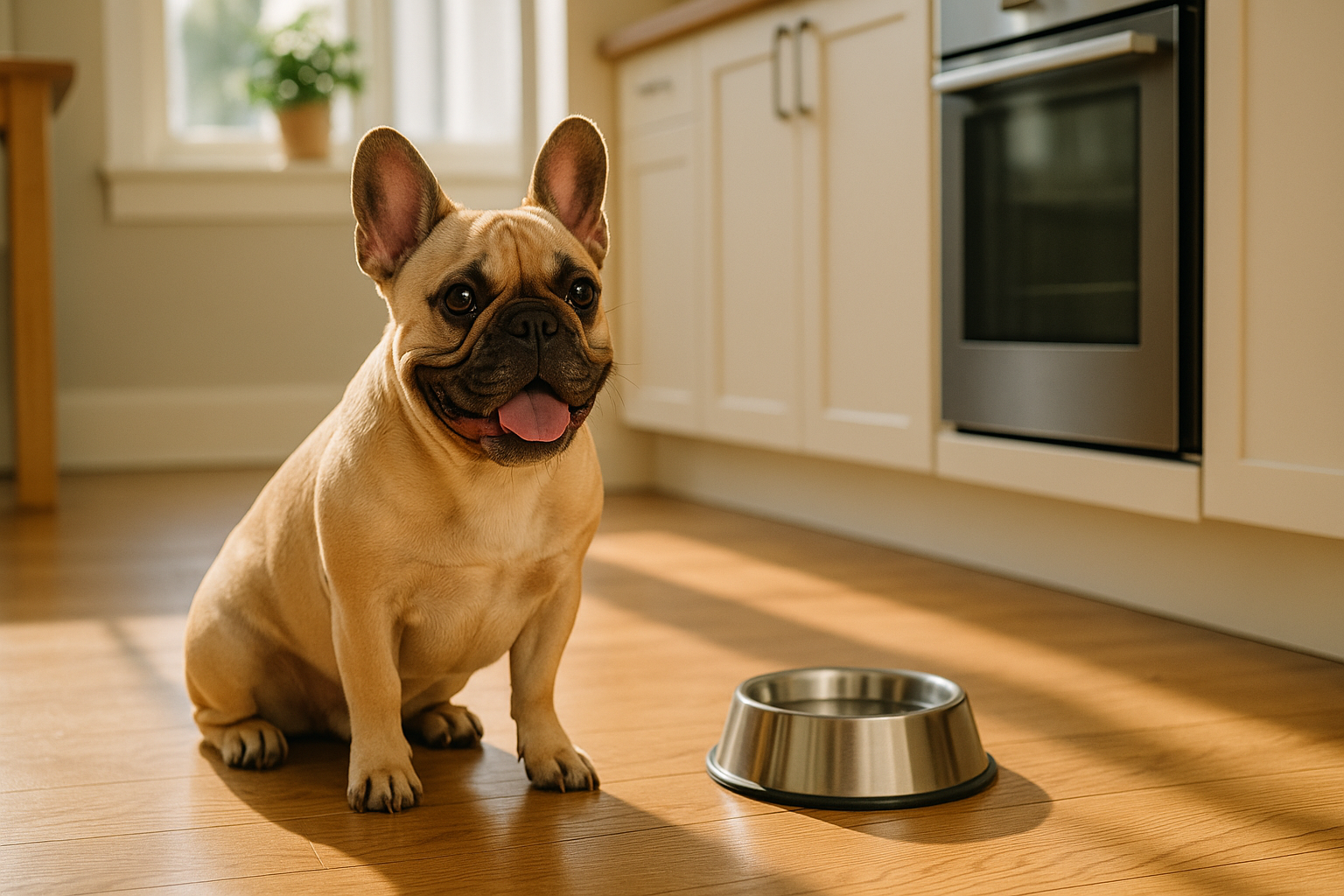
How to change your French Bulldog’s food
A sudden food change can cause diarrhea, vomiting, or gas. Move slowly over about seven days unless your veterinarian tells you otherwise.
Try this schedule:
Days 1 and 2: Feed 75 percent old food and 25 percent new food.
Days 3 and 4: Feed 50 percent old food and 50 percent new food.
Days 5 and 6: Feed 25 percent old food and 75 percent new food.
Day 7: Feed only the new food.
Some sensitive Frenchies need a longer transition. If vomiting continues, your dog seems weak, or diarrhea contains blood, contact a veterinarian promptly.
One lesson I often share with owners is to change only one thing at a time. If you switch food, treats, supplements, and chews together, you may never know what caused the problem.
Feeding tips that help French Bulldogs
The right food works best when feeding habits support it. A few small changes can make daily meals calmer and easier.
• Serve two or three smaller meals instead of one large meal.
• Use a slow feeder if your dog eats too fast.
• Keep fresh water available.
• Measure food with a scale or standard measuring cup.
• Limit table scraps.
• Count treats as part of daily calories.
• Keep your dog at a lean body condition.
• Store food in a cool, dry place.
• Wash bowls often.
• Watch for changes in stool, skin, ears, weight, and energy.
Puzzle feeders can add mental exercise, but choose one that does not make your dog breathe heavily or become frustrated. Short-nosed breeds may need simple, shallow designs.
Common feeding mistakes to avoid
Many diet problems come from good intentions. Owners may add extra ingredients because they want to make meals healthier, but too many additions can unbalance the diet.
Avoid these common mistakes:
Feeding by guesswork
A “handful” can vary widely. Use a measured amount and adjust it based on body condition.
Switching foods too fast
Even a high-quality food can upset the stomach when introduced overnight.
Trusting marketing claims
“Natural,” “grain-free,” and “premium” do not tell you whether the food meets your dog’s specific needs.
Ignoring treats
Cheese, peanut butter, dental chews, and training treats all contain calories. Small extras can have a large effect on a small dog.
Using supplements without advice
Calcium, fish oil, vitamins, and joint products can cause problems when used in the wrong amount. Ask your veterinarian before adding them.
When to call a veterinarian
Food can support health, but it cannot diagnose disease. Contact your veterinarian if your French Bulldog has repeated vomiting, ongoing diarrhea, sudden weight loss, severe itching, blood in the stool, or refusal to eat.
Breathing problems also deserve prompt attention. French Bulldogs can have airway disease, and heavy breathing should not be dismissed as a normal breed trait.
A veterinarian may recommend:
• A physical examination
• Stool testing
• Allergy investigation
• Blood work
• A prescription diet
• A supervised elimination diet
• A calorie plan
• Dental or airway evaluation
The best dog food for French Bulldogs can change over time. A diet that worked as a puppy may not suit an overweight adult or a senior with medical needs.
Frequently Asked Questions
What dog food is good for French Bulldogs with sensitive stomachs?
Choose a complete, balanced food with a clear protein source and moderate fat. A limited-ingredient or veterinary diet may help, but persistent stomach problems need a professional exam.
Is grain-free food good for French Bulldogs?
Grain-free food is not automatically healthier or safer. Many French Bulldogs digest grains well, and you should use a grain-free diet only when it fits a veterinary nutrition plan.
Can French Bulldogs eat chicken-based dog food?
Many French Bulldogs tolerate chicken, but some dogs may react to it. If your dog has ongoing itching, ear issues, or digestive trouble, ask your veterinarian about an elimination diet.
How often should a French Bulldog eat?
Most adult French Bulldogs do well with two measured meals each day. Puppies, very active dogs, or dogs with digestive issues may benefit from three smaller meals.
Can French Bulldogs eat wet and dry food together?
Yes, wet and dry food can be combined if both foods are complete and balanced. Reduce the amount of each food so the total daily calories do not become excessive.
What is the best dog food for an overweight French Bulldog?
A lower-calorie, nutrient-dense food may help, along with measured portions and fewer treats. Ask your veterinarian to create a safe weight-loss plan before making a major calorie reduction.
Should French Bulldogs eat a raw diet?
Raw diets can carry harmful bacteria and may be nutritionally unbalanced. If you are considering raw feeding, discuss the risks and nutrient needs with a veterinarian or qualified veterinary nutritionist.
Conclusion
The best dog food for French Bulldogs is complete, balanced, easy to digest, and matched to your dog’s age, weight, activity, and health. Focus on a named protein, sensible calories, useful fiber, and a slow transition. Keep portions measured, treats limited, and your Frenchie lean.
Start by checking your dog’s current food label and body condition. Then speak with your veterinarian if you notice itching, gas, loose stools, weight gain, or breathing changes. A thoughtful feeding plan can help your French Bulldog stay comfortable, active, and happy—so explore trusted nutrition resources and share your feeding experience in the comments.