Most dogs eat dry food when owners use slow changes, tasty toppers, steady meal times, and a health-first approach.
How do you get your dog to eat dry food? Start by finding out why your dog refuses it. Some dogs dislike the texture, while others have learned to wait for treats or table scraps. Dental pain, nausea, stress, and sudden food changes can also reduce appetite. This guide explains safe, practical steps that work in daily life, plus signs that mean your dog needs veterinary care.
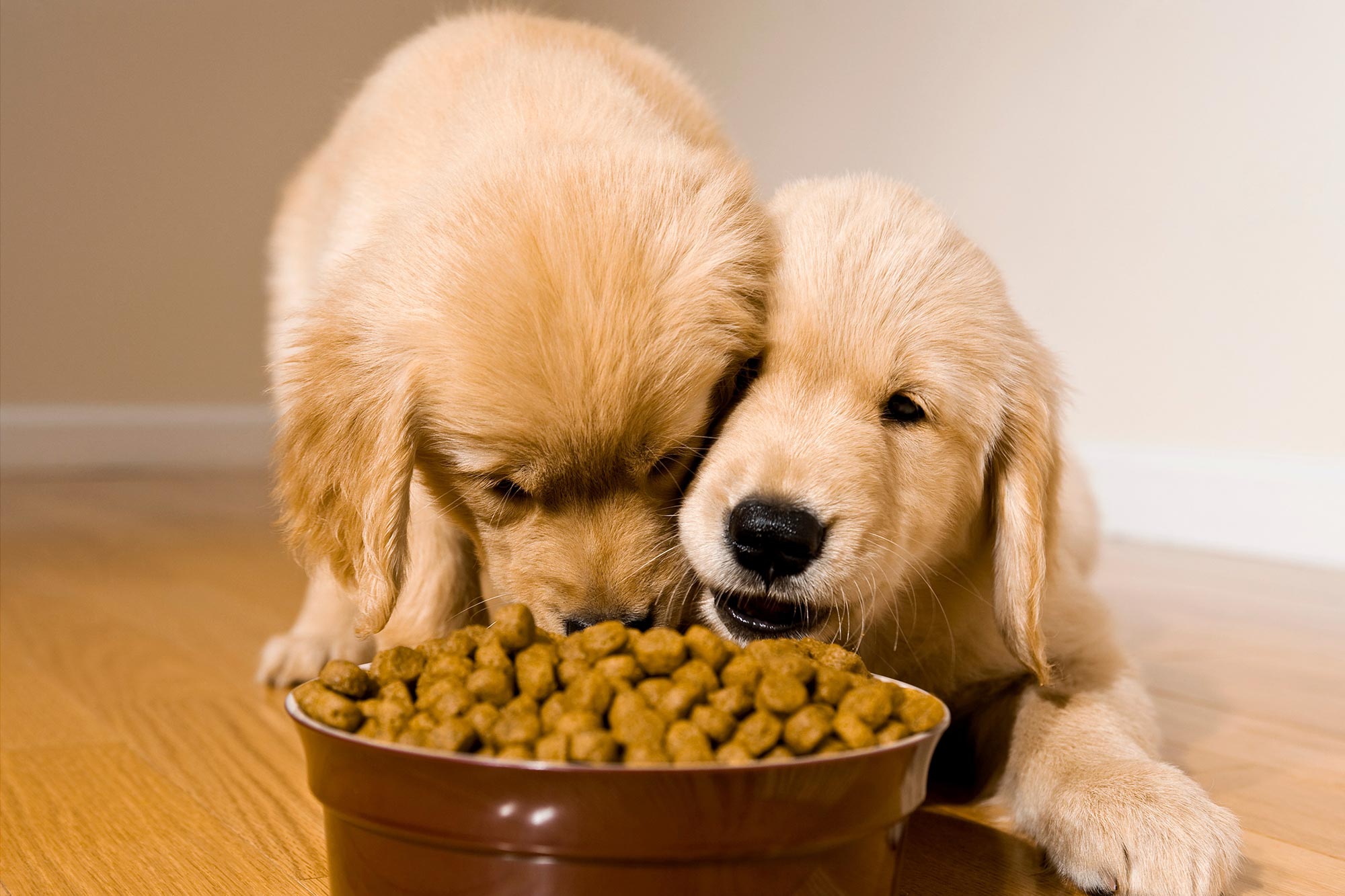
Why your dog may refuse dry food
Before trying new tricks, look at the reason behind the refusal. A healthy dog may skip dry food because it prefers wet food or has become used to extra treats. However, a sudden appetite change can point to a health problem.
Common reasons include:
• Dry food feels hard or bland compared with canned food.
• Your dog gets too many treats during the day.
• The food was changed too fast.
• The bowl is dirty or placed in a busy area.
• Stress, travel, heat, or a change at home affects eating.
• Dental pain makes chewing kibble uncomfortable.
• Your dog feels sick or has a stomach problem.
Puppies, senior dogs, and small breeds may have special needs. A tiny puppy can become weak after missing meals, while an older dog may struggle with hard pieces because of tooth loss or gum disease.
If your dog refuses food for more than a day, contact your veterinarian. Call sooner if your dog also vomits, has diarrhea, seems weak, drinks much more than usual, loses weight, or shows signs of pain.
How do you get your dog to eat dry food safely?
The safest plan is gradual, calm, and consistent. Think of the change like helping someone get used to a new breakfast. A small step often works better than a sudden switch.
Use this basic method:
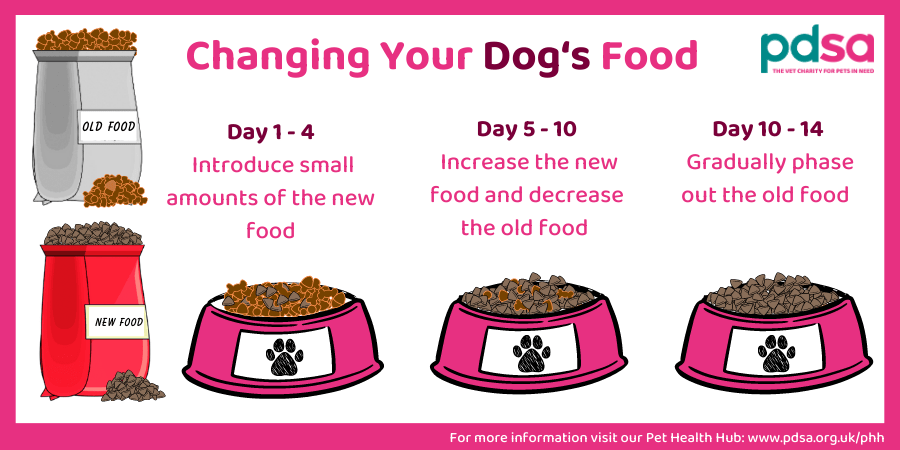
Place a small amount of dry food beside your dog’s usual meal.
Let your dog smell and inspect it without pressure.
Mix in a little dry food after a day or two.
Increase the dry food slowly over 7 to 10 days.
Watch your dog’s stool, energy, appetite, and comfort.
A simple transition may look like this:
• Days 1 and 2: 75% old food and 25% dry food
• Days 3 and 4: 50% old food and 50% dry food
• Days 5 to 7: 25% old food and 75% dry food
• Day 8 onward: 100% dry food, if your dog is doing well
Some dogs need two weeks or more. If loose stool develops, go back to the last ratio your dog handled well and slow down the change.
This gradual plan is one of the most reliable answers to how do you get your dog to eat dry food. It reduces stress and gives the digestive system time to adjust.
Make dry food more appealing
You can improve the smell and texture of kibble without turning every meal into a negotiation. Dogs use their noses first, so warming the meal slightly can make it more attractive.
Try these options:
• Add a small amount of warm water and wait five minutes.
• Mix in a spoonful of complete and balanced wet dog food.
• Add a little plain, cooked chicken with no bones, skin, salt, or seasoning.
• Use a small amount of plain pumpkin if your veterinarian agrees.
• Crush a few pieces of dry food and sprinkle them over the meal.
• Offer the meal in a puzzle feeder or slow feeder.
Keep toppers small. Extras should not replace the balanced nutrients in your dog’s main food. Veterinary nutrition guidance often recommends keeping treats and add-ons to about 10% or less of daily calories.
Avoid onions, garlic, grapes, raisins, chocolate, xylitol, cooked bones, and fatty leftovers. These foods can harm dogs, even in small amounts.
A useful lesson for owners is this: a topper should be a bridge, not the whole road. Slowly reduce it once your dog accepts the kibble.
Set a regular feeding routine
Many dogs eat better when meals follow a clear routine. Free-feeding can allow a dog to nibble all day, lose interest in meals, or become picky.
For most adult dogs, offer food at set times. Leave the bowl down for about 15 to 20 minutes, then remove it calmly if your dog does not eat. Offer food again at the next planned meal.
Do not replace the meal with treats right away. Otherwise, your dog may learn that refusing kibble brings better food.
A steady routine can include:
• Feeding at the same times each day
• Giving treats after meals rather than before them
• Keeping fresh water available
• Feeding in a quiet, low-stress place
• Measuring each meal with a cup or kitchen scale
Do not use hunger as a harsh punishment. Healthy adult dogs may safely miss an occasional meal, but this is not true for every dog. Puppies, diabetic dogs, pregnant dogs, underweight dogs, and sick dogs need individual advice from a veterinarian.
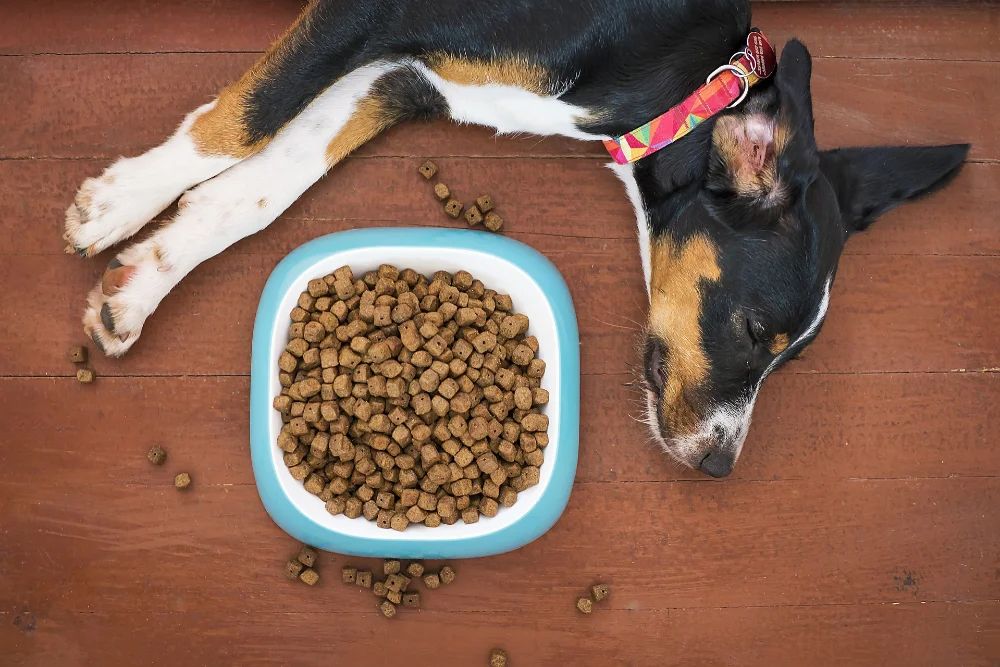
Check the food, bowl, and feeding area
Sometimes the problem is not the kibble itself. Dry food can lose its smell and taste when it becomes stale. Store the bag in a cool, dry place, and keep it sealed between meals.
Check the package for:
• The expiration date
• Damage or moisture inside the bag
• A strange smell
• Mold, insects, or unusual color
• A recent recipe or formula change
Buy bags that your dog can finish within a reasonable time. Very large bags may seem cheaper, but food can become less appealing after opening.
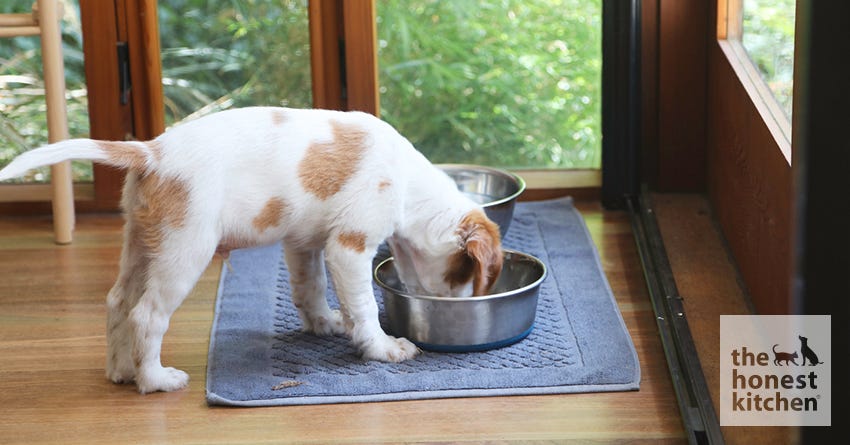
The bowl also matters. Some dogs dislike deep bowls, noisy metal dishes, or bowls that press against their whiskers. Test a clean ceramic, stainless steel, or shallow dish. Wash it often, since old food oils and bacteria can build up on the surface.
Place the bowl away from loud machines, busy hallways, other pets, and young children. A nervous dog may eat better when meals feel safe.
Choose the right dry food
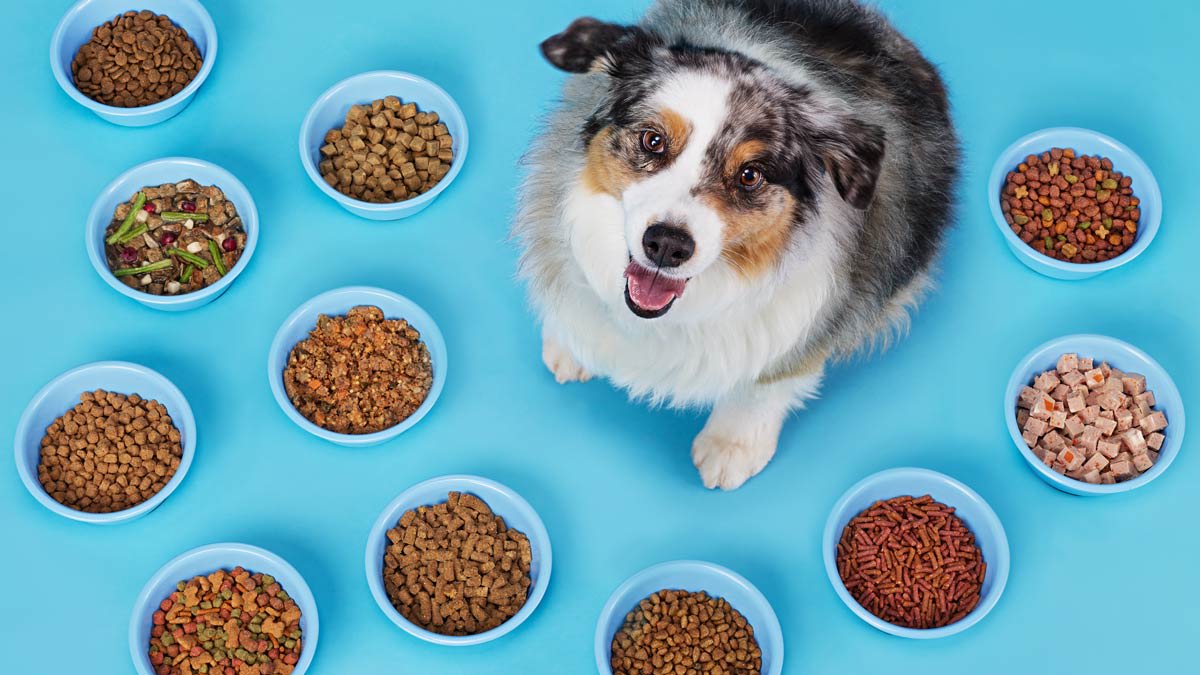
Not every dry food suits every dog. The best choice depends on age, size, activity, health, allergies, and taste preference.
Look for food labeled as complete and balanced for your dog’s life stage. In the United States, nutritional adequacy statements help show whether a product is designed to meet recognized nutrient standards.
Consider these factors:
• Puppy food for growing puppies
• Adult food for mature dogs
• Senior diets when recommended for older dogs
• Small-breed kibble for small mouths
• Large-breed formulas for dogs that need controlled growth or larger pieces
• Special diets for allergies, kidney disease, obesity, or digestive problems
Kibble size and shape can affect acceptance. A small dog may struggle with large pieces, while some large dogs prefer bigger kibble. Do not choose food only because the package looks appealing or claims to be “premium.”
If your dog refuses several foods, ask your veterinarian about dental disease, food intolerance, nausea, or a prescription diet. A food trial works best when it is planned and measured.

Use training and enrichment to build interest
Some dogs enjoy working for food more than eating from a bowl. You can use part of the daily kibble ration during training. This adds movement and mental activity while making the food rewarding.
Try:
• Hand-feeding a few pieces during basic training
• Tossing kibble across a clean floor for your dog to find
• Using a food puzzle
• Placing kibble in a snuffle mat
• Hiding small portions in safe areas
Introduce puzzle toys slowly. If the toy is too hard, your dog may become frustrated and give up. Start with an easy design, then make it harder over time.
This approach also helps answer how do you get your dog to eat dry food when the issue is boredom. Food can become more interesting when it feels like a game rather than a chore.
Still, keep track of the total amount served. Puzzle feeding does not remove the need to control calories.
Avoid common feeding mistakes
Well-meaning owners can accidentally create picky eating. The most common mistake is changing foods again and again after a dog refuses one meal.
Other mistakes include:
• Offering several foods at once
• Adding large amounts of meat or cheese
• Giving treats throughout the day
• Feeding from the table
• Switching food without a transition
• Pressuring or scolding the dog
• Leaving food out all day
• Ignoring dental or health symptoms
Pressure can make meals feel stressful. Avoid forcing kibble into your dog’s mouth or taking food away in anger. Calm choices usually work better than a battle of wills.
One practical lesson many owners learn is to keep a food diary. Write down meals, treats, toppers, stool quality, and appetite. This can reveal that a dog is eating more calories than expected from snacks alone.
When to see a veterinarian
A picky dog is not always a healthy dog. Dogs often hide pain, and appetite changes may be the first visible clue.
Seek veterinary advice if your dog:
• Stops eating for 24 hours
• Refuses both dry and wet food
• Has repeated vomiting or diarrhea
• Loses weight
• Drools more than usual
• Drops food while chewing
• Pawes at the mouth
• Has bad breath, bleeding gums, or loose teeth
• Seems tired, painful, confused, or unusually thirsty
• Has a swollen belly or trouble breathing
Puppies, senior dogs, and dogs with diabetes or other medical conditions may need help sooner. Never force-feed a sick dog unless a veterinary professional teaches you how to do it safely.
A veterinarian may examine the mouth, check hydration, review the diet, and suggest tests. Dental disease is common and can make dry food painful, even when a dog still wants to eat.
A simple seven-day plan
If your dog is healthy and your veterinarian has no concerns, this plan can help you begin.
Day 1
Measure the normal meal. Remove most treats and offer a small amount of dry food beside the usual food.
Day 2
Add a little warm water or a small spoonful of wet food. Keep the meal calm and serve it at a set time.
Day 3
Mix about one-quarter dry food into the old food. Watch for vomiting, diarrhea, or discomfort.
Day 4
Use the same ratio if your dog is adjusting well. Offer praise when your dog eats, but avoid making a dramatic fuss.
Day 5
Move to about half dry food and half old food. Reduce extra toppers.
Day 6
Offer about three-quarters dry food. Keep treats small and count them as part of the daily calories.
Day 7
Try mostly or fully dry food if your dog is comfortable. Continue the transition longer if needed.
This routine gives a clear answer to how do you get your dog to eat dry food without rushing the process. If your dog refuses the food at every stage, stop and ask your veterinarian for guidance.
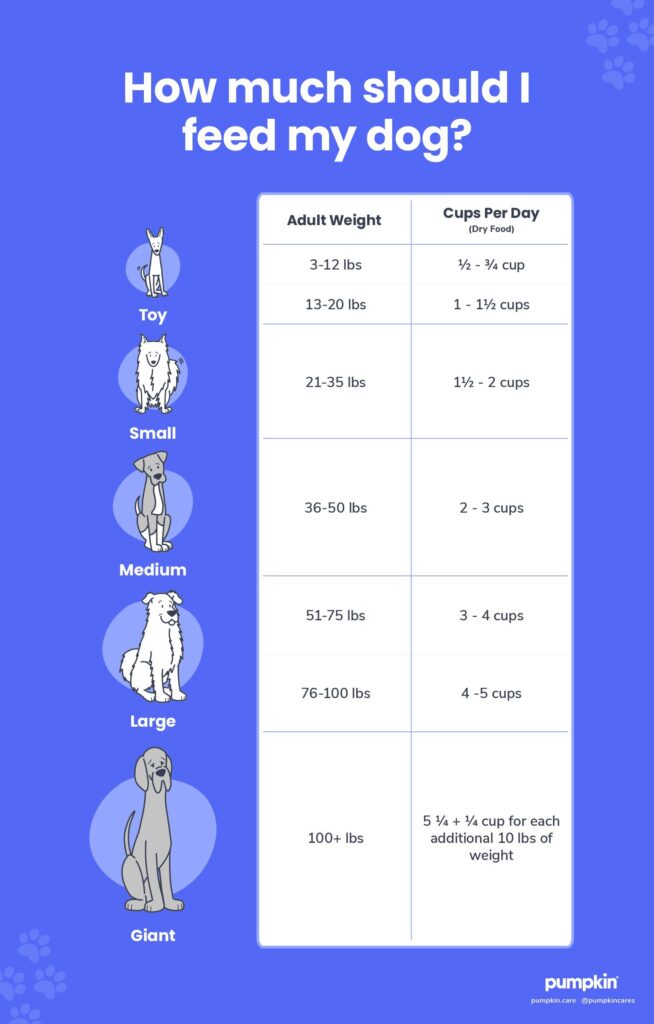
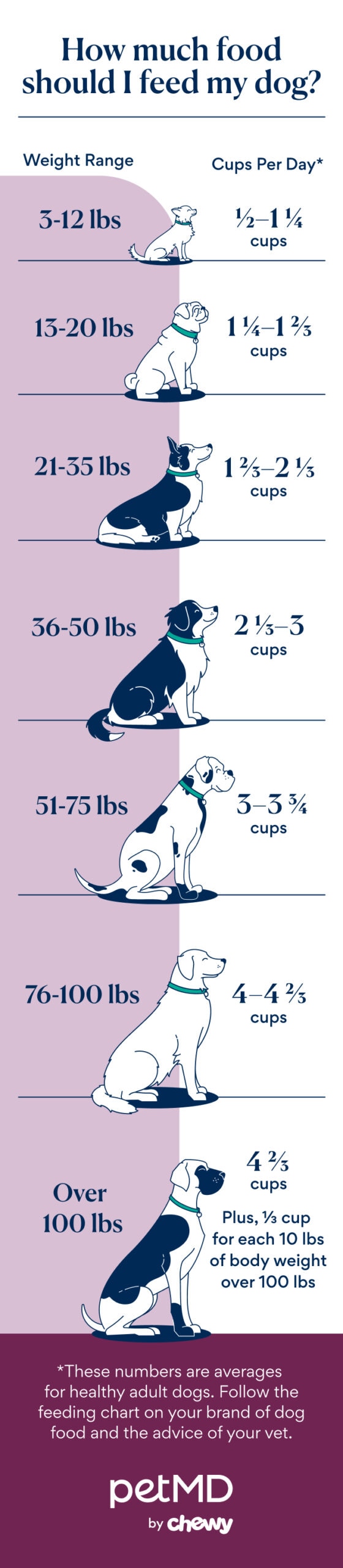
How much dry food should your dog eat?
The correct amount depends on body weight, age, activity, metabolism, and the calorie content of the food. Start with the feeding guide on the package, but treat it as a starting point rather than a perfect rule.
Measure food instead of guessing. A kitchen scale gives the most accurate result because cups can vary by kibble size and shape.
Watch your dog’s body condition:
• You should be able to feel the ribs with light pressure.
• The waist should be visible from above.
• The abdomen should tuck up slightly from the side.
If your dog gains weight, reduce calories with veterinary guidance. If your dog loses weight or seems hungry all the time, schedule a checkup. Weight changes can result from feeding errors, poor absorption, hormonal disease, or other conditions.
Fresh water should always be available, especially when a dog eats dry food. Kibble contains less moisture than canned food, so water access is essential.
Frequently Asked Questions
How do you get your dog to eat dry food after eating wet food?
Mix a small amount of dry food into the wet food and increase it slowly over 7 to 10 days. Adding warm water can soften the kibble and improve its smell.
How long can a dog go without eating dry food?
A healthy adult dog may skip one meal, but refusing food for 24 hours needs veterinary advice. Puppies, senior dogs, diabetic dogs, and sick dogs should be assessed sooner.
Should you add water to dry dog food?
Yes, adding warm water can make kibble softer and more aromatic. Serve moistened food fresh, and discard leftovers rather than leaving them out for long periods.
Is it okay to mix wet and dry dog food?
Yes, you can mix wet and dry food if both are complete and balanced and the total calories fit your dog’s needs. Reduce the amount of each food so you do not accidentally overfeed.
Why does my dog eat treats but refuse kibble?
Treats often smell stronger and taste richer than dry food. Limit treats, check for dental pain, and offer meals at set times instead of replacing refused kibble with snacks.
Can dental problems stop a dog from eating dry food?
Yes. Broken teeth, gum disease, and mouth pain can make hard kibble difficult to chew. Signs such as drooling, bad breath, dropping food, or chewing on one side deserve a veterinary exam.
Conclusion
Getting a dog to eat dry food usually takes patience, routine, and careful observation. Start with a slow transition, improve the texture with warm water, limit treats, check the food’s freshness, and create a quiet feeding area. Never ignore a sudden appetite change or signs of pain.
Now you know how do you get your dog to eat dry food in a safe, practical way. Try the seven-day plan, track your dog’s response, and speak with your veterinarian if eating problems continue. Share your experience or explore more evidence-based dog nutrition guides for your next step.