Introduction
Beneful wet food can be good for many dogs when the specific can or tray is labeled complete and balanced for the dog’s life stage. It can add water, taste, and variety to a dog’s diet. However, it is not the best choice for every dog, and the recipe matters more than the Beneful name alone.
For dogs in the United States, check the nutritional adequacy statement on the package. Look for wording that says the food meets Association of American Feed Control Officials (AAFCO) Dog Food Nutrient Profiles for adult maintenance, growth, or all life stages. Also check calories, ingredients, feeding directions, and your dog’s health needs.
Beneful wet food may work well for a healthy adult dog. It may be less suitable for a dog with pancreatitis, kidney disease, food allergies, obesity, or another condition that needs a veterinary diet.

What Is Beneful Wet Food?
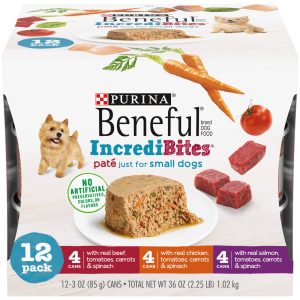
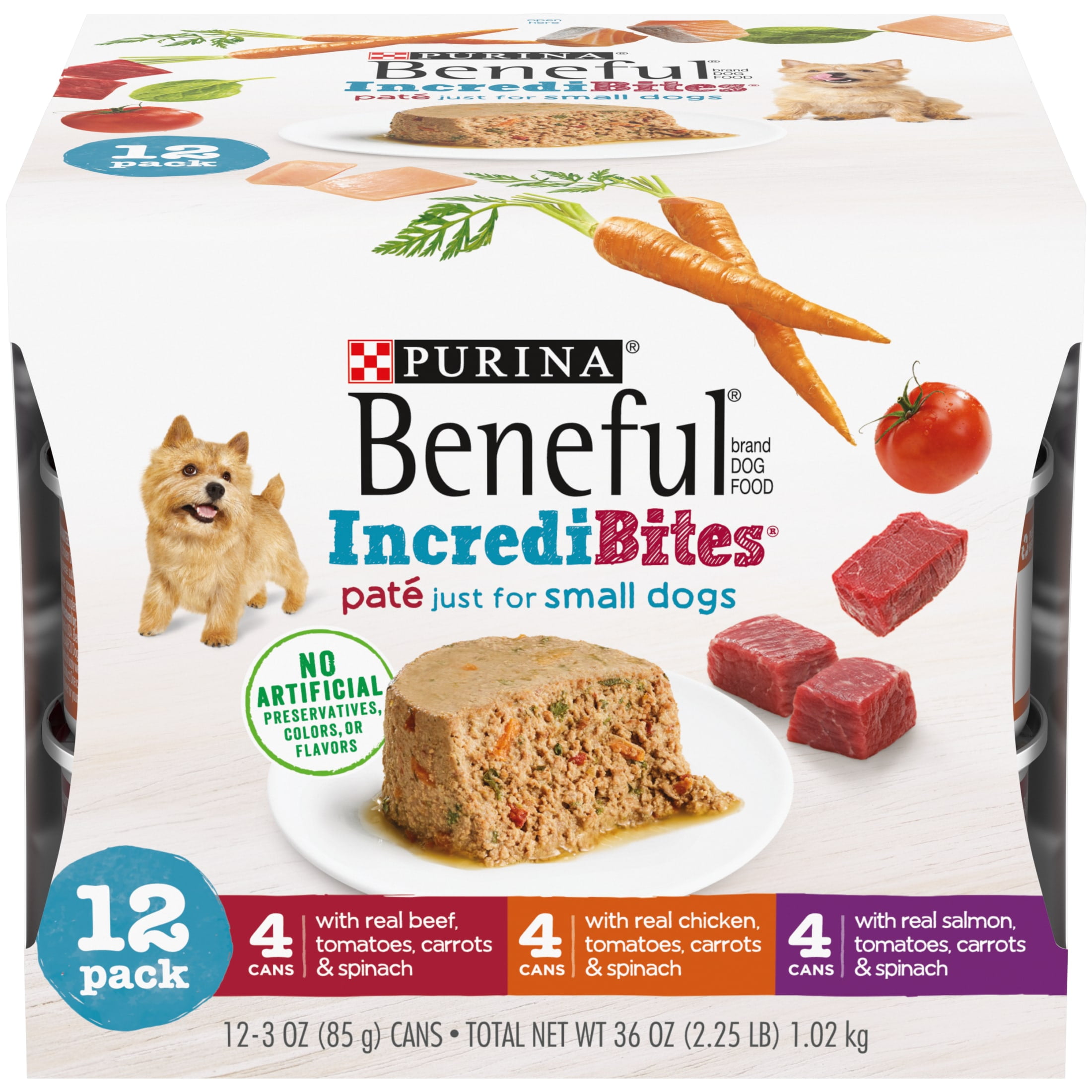
Beneful is a dog food brand made by Nestlé Purina PetCare in the United States. Its wet foods come in several forms, such as:
- Pâté-style food
- Chopped or minced meals
- Stews with gravy
- Trays or cups
- Small portions designed for mixing with dry food
The exact ingredients and nutrition vary by recipe. One Beneful wet food may contain poultry, beef, meat by-products, grains, vegetables, added vitamins, and minerals. Another may use a different main protein or have a different calorie level.
That difference matters. “Beneful wet food” is not one single formula. A fair review must look at the exact product label.
What does “complete and balanced” mean?
A food marked complete and balanced is designed to provide all required nutrients when fed as directed. The claim should identify the life stage it supports.
For example, a label may say the food is complete and balanced for:
- Adult maintenance
- Growth, including puppies
- All life stages
This statement is useful, but it does not mean the food is ideal for every dog. A food can meet nutrient standards while still being a poor fit for a dog that needs low fat, limited protein, a novel protein, or controlled calories.
The FDA explains how pet food regulation works in the United States. AAFCO publishes nutrient profiles and model rules used by states, but AAFCO does not approve or certify individual pet food brands.
Is Beneful Wet Food Healthy for Dogs?
For many healthy dogs, Beneful wet food can be a reasonable everyday food or meal topper if the recipe is complete and balanced and portions are controlled. Its main strengths are moisture, taste, and convenience. Its main limits are cost, calorie control, dental concerns, and the need to match the recipe to the dog.
Potential benefits
It provides extra moisture
Wet dog food usually contains much more water than dry kibble. This can help increase total water intake, especially for dogs that rarely drink from their bowl.
Extra moisture may be useful for:
- Dogs that prefer wet food
- Dogs that eat too quickly
- Dogs with poor interest in dry food
- Dogs that need more water intake as part of a veterinary plan
Wet food does not replace fresh drinking water. Keep clean water available at all times.
It may be easier to eat
Soft food can be easier for some dogs to chew. It may help dogs with:
- Missing teeth
- Mouth pain
- Reduced appetite
- Age-related chewing trouble
A dog with mouth pain still needs a veterinary exam. Soft food can make eating easier, but it does not treat dental disease.
It can improve meal appeal
Some dogs eat better when wet food is added to the bowl. This can help during short periods of reduced appetite, but a lasting appetite change should not be blamed on pickiness without checking for illness.
It can provide complete nutrition
If the specific Beneful product carries a complete-and-balanced statement for your dog’s life stage, it can serve as the main diet. The label is more important than the brand’s general reputation.
Possible drawbacks
It may contain more calories than expected
Wet food has a lot of water, so a full can may look large while still providing fewer calories than a similar volume of kibble. However, some recipes are calorie-dense, and toppers can quietly add extra calories.
Use the calorie information on the label when available. Reduce the amount of dry food when adding wet food instead of serving both full portions.
It may not support dental cleaning
Soft food does not scrape plaque from teeth in the same way that brushing can. Some dogs may also get more food residue around the teeth after eating wet meals.
Daily tooth brushing with a dog-safe toothpaste is the most reliable home dental habit. Ask your veterinarian about approved dental diets and chews if dental health is a concern.
It may not suit a dog with a medical condition
A standard grocery-store wet food may not meet the needs of dogs with:
- Kidney disease
- Urinary disease
- Diabetes
- Pancreatitis
- Severe obesity
- Food-responsive allergies
- Certain digestive disorders
These dogs may need a therapeutic diet selected with veterinary guidance. Do not switch from a prescription diet to Beneful without asking the prescribing veterinarian.

How to Read a Beneful Wet Food Label
Read the label in this order: nutritional adequacy, calories, feeding directions, ingredients, and storage instructions. This gives you a better answer than judging the front of the package.
1. Check the nutritional adequacy statement
Find the small-print statement on the package. It should say whether the food is complete and balanced and which life stage it supports.
Do not use an adult-maintenance food as the sole diet for a growing puppy unless the label says it supports growth or all life stages. Puppies have different nutrient needs than adult dogs.
2. Find the calorie information
Calorie information may be listed as:
- Calories per can
- Calories per tray
- Kilocalories per kilogram
- Calories per cup or serving
A kilocalorie is the same unit commonly called a calorie on pet food labels.
If the package does not make calories easy to find, contact the manufacturer or ask your veterinarian how to estimate the amount. Treat calories from wet food, kibble, treats, chews, and table scraps as part of the same daily total.
3. Use the feeding guide as a starting point
Feeding charts are estimates. They often use body weight, but they cannot account for every dog’s age, activity, metabolism, or health.
Start with the label’s suggested amount, then watch your dog’s body condition. Reduce food if your dog gains excess fat. Increase it only if your dog is losing weight without another cause.
A veterinarian can help assess body condition. You should be able to feel the ribs with light pressure, while the waist remains visible from above in a dog at a healthy weight.
4. Review the ingredient list correctly
Ingredients appear in descending order by weight before cooking. Meat, poultry, grains, vegetables, vitamins, and minerals may all appear in the list.
Common points to remember:
- “Meat by-products” are not automatically unsafe or low quality.
- By-products can include nutrient-rich organ tissues.
- The word “natural” does not prove that a food is nutritionally complete.
- A short ingredient list is not automatically better.
- Grains are not harmful to most dogs unless a dog has a specific diagnosed problem.
- Added colors may affect appearance but do not make a food more nutritious.
Ingredients help identify what is in the food. The adequacy statement and nutrient profile help determine whether it can serve as a complete diet.
5. Check the package condition and storage
Do not use a can, tray, or pouch that is swollen, leaking, badly dented near a seam, or has a broken seal. Refrigerate unused wet food promptly in a covered container and follow the package’s storage guidance.
Throw away food that smells spoiled, looks unusual, or has been left out too long. Use a clean bowl and wash it often.
Beneful Wet Food Compared With Dry Food
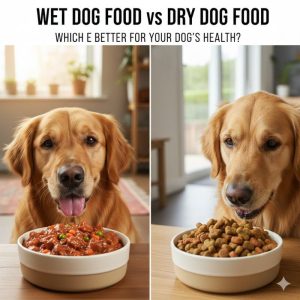
Wet food is not automatically healthier than dry food, and dry food is not automatically better than wet food. The best choice depends on the recipe, your dog’s health, your budget, and how well you can manage portions.
| Factor | Beneful wet food | Dry dog food |
|---|---|---|
| Water content | High | Low |
| Ease of chewing | Usually easier | May be harder for dogs with mouth pain |
| Calorie control | Can vary by can or tray | Often easy to measure by cup, but calories vary |
| Storage after opening | Requires refrigeration | Usually easier to store |
| Dental benefit | Does not clean teeth by itself | Some diets are designed for dental support, but ordinary kibble is not a substitute for brushing |
| Cost per calorie | Often higher | Often lower |
| Palatability | Appealing to many dogs | Accepted by many dogs, but preference varies |
Wet food can be used alone, mixed with kibble, or served as a small topper. When mixing foods, calculate the total calories rather than giving a full serving of each.
A simple portion example
This is a hypothetical example, not a feeding prescription:
- A dog eats 500 calories of kibble each day.
- One Beneful tray provides 100 calories.
- If you add one full tray, remove about 100 calories of kibble.
- The dog’s daily total stays near 500 calories.
The actual amount of kibble to remove depends on its calories per cup. Use the package calorie statement rather than guessing by volume.

Is Beneful Wet Food Good for Puppies, Senior Dogs, and Overweight Dogs?
The answer changes with age and body condition. Choose a recipe labeled for the correct life stage, then adjust portions based on the dog’s weight trend.
Puppies
Puppies need food for growth. Use a Beneful recipe only if its label says it is complete and balanced for growth or all life stages.
Puppies also need regular weight checks. Rapid growth, poor growth, diarrhea, vomiting, or a swollen belly should prompt a veterinary call. Do not rely on a general adult feeding chart for a young puppy.
Senior dogs
Older dogs do not all need the same diet. Some seniors do well on a standard adult-maintenance food. Others develop kidney, heart, joint, dental, or digestive problems that change their nutritional needs.
Wet food may help a senior dog that has trouble chewing or drinking enough. It does not automatically provide the lower phosphorus, lower calorie, or higher protein plan that one particular senior dog may need.
Overweight dogs
Wet food can help some dogs feel that they are eating a larger portion because of its water content. Still, weight loss depends on total calorie intake.
Measure food. Limit treats. Track body weight every few weeks. If weight does not change, ask a veterinarian to review the calorie target and rule out health issues that can affect weight.
Dogs with allergies
Beneful wet food is not automatically a limited-ingredient or hypoallergenic diet. Many recipes contain multiple animal and plant ingredients.
If your veterinarian suspects a food allergy, use the prescribed elimination diet exactly. Mixing in another wet food, treat, flavored medicine, or chew can make the trial impossible to interpret.
How to Introduce Beneful Wet Food Safely
Change food over about seven days when possible. A slow transition lowers the chance of stomach upset.
Try this schedule:
- Days 1–2: Mix about 25% new food with 75% old food.
- Days 3–4: Use about 50% new food and 50% old food.
- Days 5–6: Use about 75% new food and 25% old food.
- Day 7: Feed the new food alone if your dog is doing well.
Use smaller portions if wet food is a topper. Keep the total daily calories steady.
Slow down the change if your dog develops soft stool or gas. Stop and contact your veterinarian if there is repeated vomiting, severe diarrhea, blood in the stool, weakness, refusal to drink, or signs of dehydration.

Is Beneful Wet Food Safe?
A specific Beneful wet food is safest when the package is intact, stored correctly, fed in the right amount, and suited to the dog’s health needs. No packaged food should be treated as risk-free.
Pet food safety can change with a particular product, lot, or date. Before feeding a product, check:
- The product name
- Lot or batch information
- Best-by date
- Package condition
- Current manufacturer notices
- Current FDA animal food safety and recall information
Do not assume that an old online recall article applies to every current can or tray. Match any notice to the exact product and lot information.
Call a veterinarian or animal poison service promptly if your dog eats spoiled food or develops serious symptoms. Save the package if a food-related problem is suspected. The label and lot code can help with an investigation.
What about preservatives and additives?
Commercial pet food may use preservatives, vitamins, minerals, colors, thickeners, and other additives. An additive’s presence does not by itself show that a food is unsafe.
The better questions are:
- Is the food complete and balanced?
- Does it fit the dog’s life stage?
- Does it provide suitable calories?
- Does the dog tolerate it?
- Is it appropriate for the dog’s medical needs?
A dog that reacts to a certain ingredient may need a different recipe. Discuss repeated ear problems, itching, vomiting, or diarrhea with a veterinarian rather than changing foods again and again.
When Should You Choose Another Food?
Choose another food, or get veterinary advice first, when:
- Your dog has a diagnosed disease requiring diet control.
- The product is not complete and balanced for the intended use.
- Your dog gains weight despite careful portions.
- Your dog has ongoing vomiting or diarrhea.
- The food causes repeated itching, ear problems, or digestive signs.
- Your dog refuses food for more than a short period.
- The package is damaged, spoiled, or linked to a current recall.
- The recipe contains an ingredient your veterinarian told you to avoid.
A food does not need to be expensive to be suitable. It does need to provide adequate nutrition and match the individual dog.
What Is the Bottom Line on Beneful Wet Food?
Beneful wet food is a reasonable option for many healthy U.S. dogs, but it is not universally ideal. Choose the exact recipe based on its AAFCO adequacy statement, calories, life-stage fit, ingredients, and your dog’s response.
It may be a good fit when your dog:
- Is generally healthy
- Enjoys the food
- Maintains a healthy body condition
- Has normal stool and appetite
- Eats a recipe labeled complete and balanced
- Has no known need for a therapeutic diet
It may not be a good fit when your dog has a medical condition, needs strict allergy control, gains weight easily, or shows signs of food intolerance.
The most useful next step is simple: read the label of the exact Beneful product, calculate its calories, and ask your veterinarian before making a major change for a puppy, senior dog, or dog with health problems.
Frequently Asked Questions
Can dogs eat Beneful wet food every day?
Yes, many healthy dogs can eat a Beneful wet food every day if the exact product is complete and balanced for their life stage and fed in suitable portions. Monitor weight, stool, appetite, and overall health.
Is Beneful wet food better than homemade dog food?
Not automatically. A complete commercial food is usually safer than an unbalanced homemade recipe. Homemade diets should be planned with a veterinary nutrition professional because missing calcium, vitamins, minerals, or other nutrients can harm a dog over time.
Can Beneful wet food cause diarrhea?
Any food change can cause diarrhea, especially when made quickly. Rich food, overeating, spoiled food, infection, parasites, or an unrelated illness can also cause it. Contact a veterinarian for severe, bloody, repeated, or persistent diarrhea.
Is Beneful wet food good for dogs with kidney disease?
A standard Beneful wet food should not be assumed to be appropriate for kidney disease. Dogs with kidney problems often need carefully controlled nutrients. Ask your veterinarian which diet and nutrient targets fit your dog’s test results.
Can I mix Beneful wet food with kibble?
Yes, if your dog tolerates both foods. Count the wet food’s calories and remove a similar amount of kibble. A sudden large increase in food can cause stomach upset or weight gain.
Does wet Beneful food help a dog drink more water?
It can increase water intake because wet food contains more moisture than dry kibble. It does not replace a bowl of fresh water, and increased thirst can be a sign of illness that needs veterinary attention.
How long can opened Beneful wet food stay out?
Follow the package instructions and refrigerate unused food promptly. As a cautious practice, do not leave opened wet food sitting out for long periods, especially in a warm room. Discard food that has dried out, smells abnormal, or may be contaminated.