Introduction
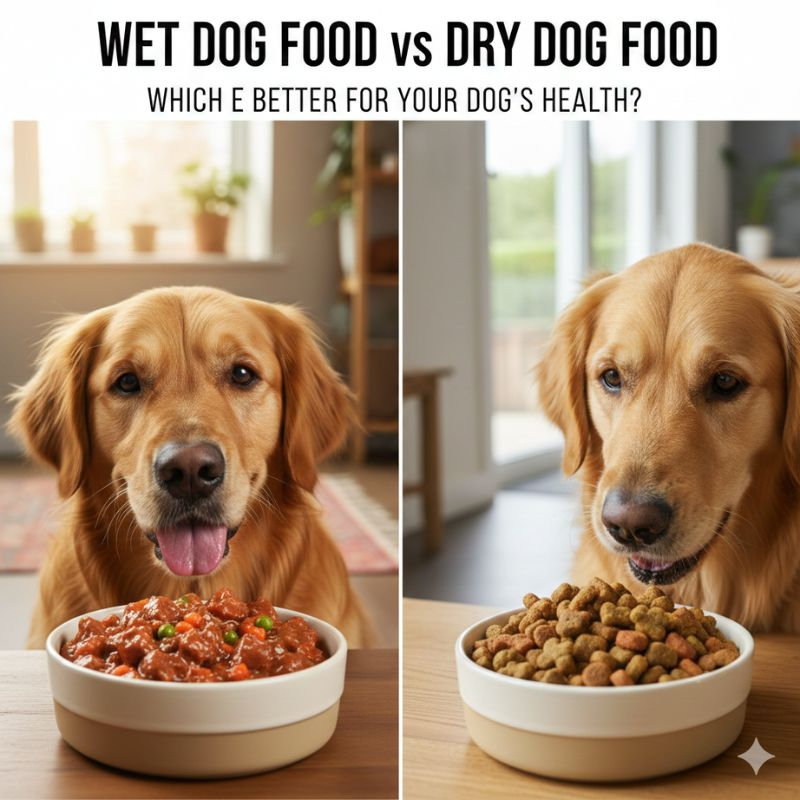
For dogs in the United States, neither wet nor dry food is best for every dog. The better choice is the food that is complete and balanced for your dog’s life stage, fits their health needs, and is easy for you to feed in the right amount.
Dry food is often lower in cost, simple to store, and easy to measure. Wet food has more water, may be easier for some dogs to eat, and can help dogs that need extra moisture. Many dogs do well with either type, or with a mix of both.
The label matters more than the texture. Look for a food with a nutritional adequacy statement showing that it meets AAFCO Dog Food Nutrient Profiles, or that feeding tests support complete and balanced nutrition.
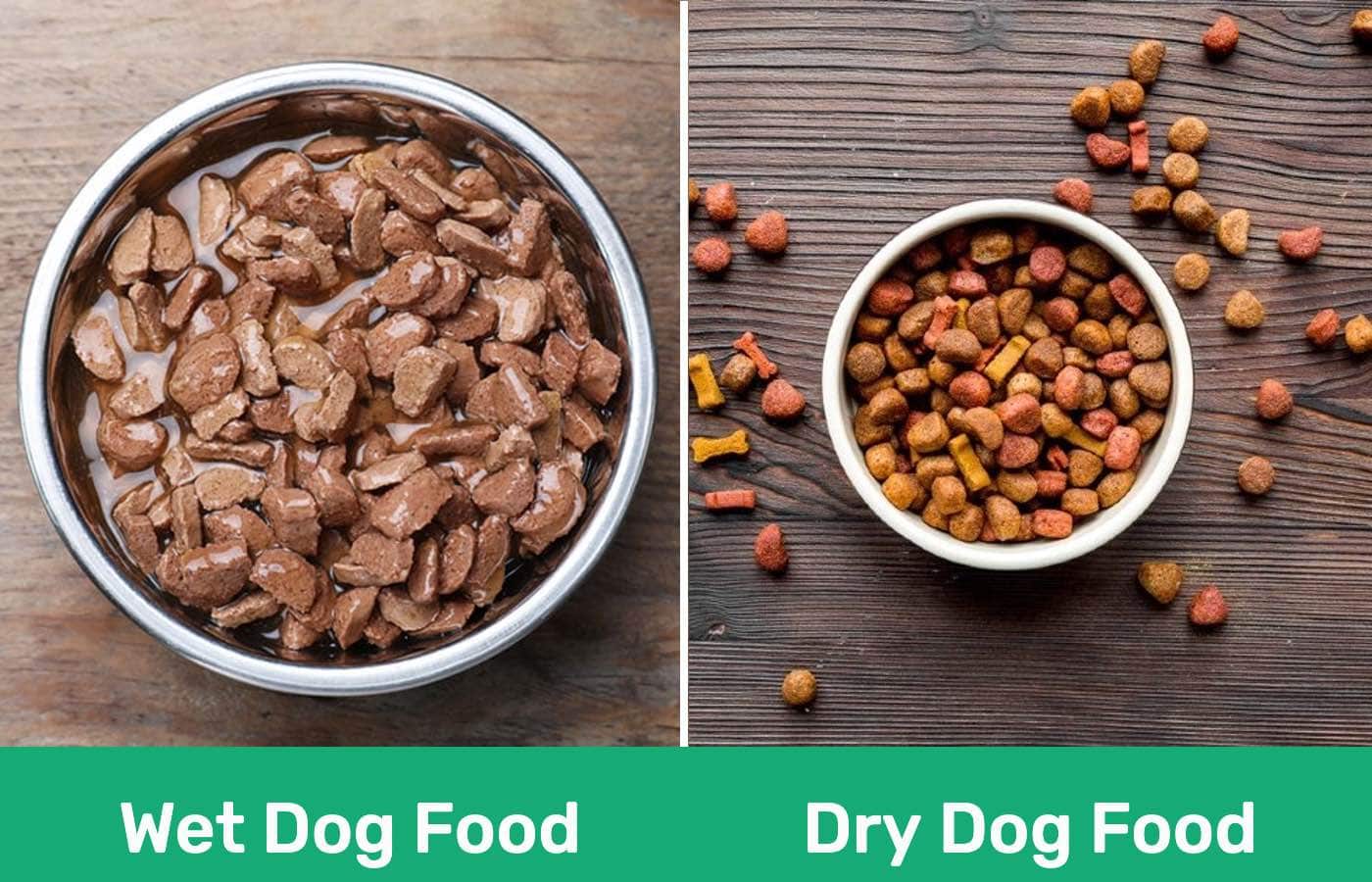
Wet vs. Dry Dog Food: Quick Comparison
Wet and dry food can both support good health when they are complete and balanced. Their main differences involve water, calories, cost, storage, texture, and ease of feeding.
| Factor | Wet food | Dry food |
|---|---|---|
| Water content | Usually high | Usually low |
| Calorie density | Often lower per gram | Often higher per gram |
| Portion size | Larger volume | Smaller volume |
| Storage | Must be refrigerated after opening | Easy to store |
| Cost per calorie | Often higher | Often lower |
| Eating texture | Soft and moist | Crisp and firm |
| Helpful for | Dogs needing more water or softer food | Easy measuring and daily convenience |
| Main concern | Spoils faster after opening | Does not replace fresh water |
A food’s moisture changes how much it weighs. A wet food may contain about 70% to 85% water, while dry food often contains about 8% to 12%. Because of this, you cannot compare nutrients on the label without considering moisture.
For a fair comparison, use the dry matter basis. This removes water from the calculation.
A simple dry matter example
Suppose a wet food contains:
- 10% protein
- 80% moisture
Its dry matter content is 20%.
The protein on a dry matter basis is:
10 ÷ 20 × 100 = 50% protein
Suppose a dry food contains:
- 25% protein
- 10% moisture
Its dry matter content is 90%.
The protein on a dry matter basis is:
25 ÷ 90 × 100 = about 28% protein
The wet food appears to have less protein on the label. After removing water, it has more protein by percentage. This example does not mean the wet food is better. It shows why label numbers need context.

Benefits of Wet Dog Food
Wet food can be a strong choice for dogs that need soft texture, more water, or a more appealing meal. It is not automatically more nutritious than dry food, though.
More moisture
Wet food contains much more water than kibble. This can support total water intake, especially for dogs that do not drink much.
Extra moisture may be useful for some dogs with:
- Dental pain
- Reduced appetite
- Trouble chewing
- Certain urinary concerns
- Some kidney conditions
However, wet food does not treat kidney disease, urinary stones, or dehydration by itself. A dog with a health problem needs a plan from a veterinarian.
Easier to eat
Soft food may help dogs with sore teeth, missing teeth, jaw problems, or a sore mouth. It can also help some older dogs that struggle with hard pieces.
Do not assume that difficulty eating is normal aging. Bad breath, dropping food, chewing on one side, pawing at the mouth, or refusing hard food can signal dental disease. A veterinary exam is the safest next step.
Stronger smell and taste
Wet food often has a stronger smell than dry food. This may help dogs with a low appetite or dogs that are very selective.
A stronger smell can also help when a dog needs to take medicine mixed into food. Ask your veterinarian before hiding medicine in food, since some drugs must be given on an empty stomach or kept separate from certain foods.
Larger meal volume
Since wet food contains more water, it usually creates a larger portion for the same number of calories. This may help a dog that begs soon after eating.
The food still needs to be measured by calories, not by bowl size. A large-looking meal can contain fewer calories than a small scoop of kibble.
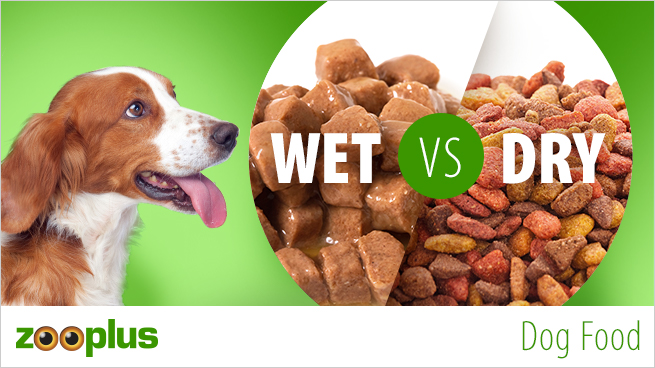
Benefits of Dry Dog Food
Dry food works well for many dogs because it is practical, easy to portion, and often less expensive per calorie. These advantages matter when they help you feed a consistent amount each day.
Easy to measure
Kibble is simple to weigh or measure. Consistent portions can help manage body weight.
A kitchen scale is more accurate than a measuring cup. The same cup of kibble can hold different weights based on kibble shape and size. Use the food label as a starting point, then adjust with your veterinarian if your dog gains or loses too much weight.
Convenient storage
Unopened dry food is easy to store. It does not need refrigeration, and it creates less waste after serving.
Keep kibble in its original bag inside a cool, dry place. The original bag includes the lot number and date needed if a food issue occurs. An airtight container can help protect freshness, but place the full bag inside the container rather than throwing the bag away.
Often lower cost
Dry food often costs less per calorie than wet food. This can make it easier to feed a complete diet over time.
Cost should include more than the bag or can price. Consider:
- Daily calories
- Treats
- Special formulas
- Food waste
- Storage needs
- Veterinary diet requirements
A less expensive food is not a good value if it does not meet your dog’s nutrition needs or causes digestive trouble.
Some dental diets can help
Ordinary kibble does not reliably clean a dog’s teeth. Many pieces shatter or are swallowed without removing much plaque.
Some specially designed dental diets have evidence for reducing plaque or tartar under specific feeding conditions. Look for products listed by the Veterinary Oral Health Council, and still brush your dog’s teeth when possible.
Dry food is not a substitute for dental care or professional dental treatment.

Which Food Is Better for Puppies, Adult Dogs, and Senior Dogs?
The best food depends first on life stage, then on texture and health needs. A puppy, adult dog, and senior dog may need different calorie and nutrient levels.
Puppies
Puppies need food made for growth or for all life stages. Large-breed puppies have special growth needs, so choose a food labeled for large-size growth when appropriate.
Wet, dry, or mixed feeding can work. The key points are:
- Choose a complete and balanced puppy food.
- Feed the amount for the puppy’s current size and growth stage.
- Divide meals as your veterinarian recommends.
- Avoid rapid growth caused by overfeeding.
- Do not add vitamins unless a veterinarian prescribes them.
Puppies grow quickly, so their body condition should be checked often. You should be able to feel the ribs under a thin layer of fat without seeing every rib.
Adult dogs
Healthy adult dogs can often eat either wet or dry food. Select a food labeled for adult maintenance or all life stages.
The main risks for adult dogs are overfeeding and too many treats. The feeding chart is only a starting point. Activity, breed size, age, metabolism, and neuter status all affect calorie needs.
Senior dogs
Older dogs do not all need the same diet. Some remain healthy on their usual adult food. Others need a change because of dental disease, weight gain, reduced activity, kidney disease, or another condition.
A softer food may help a dog with painful teeth, but a senior dog with weight or organ disease may need a therapeutic diet instead. Ask your veterinarian before making a major diet change for an older dog.

Is Wet or Dry Food Better for Specific Health Needs?
A medical condition can change the answer. For dogs with diagnosed disease, the safest choice may be a veterinary therapeutic diet rather than a general wet or dry food.
Weight control
Neither wet nor dry food automatically causes weight gain. Total calories do.
Wet food may make a meal look larger because it contains more water. Some lower-calorie foods also offer more volume. Dry food can still work well when portions are weighed and treats are limited.
Check your dog’s body condition, not just the number on the scale. A healthy plan should preserve muscle while reducing excess fat.
Kidney disease
Dogs with kidney disease may benefit from a veterinary renal diet. These diets are designed around more than moisture. They may also manage phosphorus, protein, sodium, and other nutrients.
Wet renal food can increase water intake, but dry renal food may also be appropriate. The best option is the one your veterinarian recommends and your dog will eat consistently.
Urinary problems
Some urinary conditions require a specific diet and careful control of urine concentration and mineral content. A regular wet food is not the same as a urinary therapeutic diet.
Do not try to dissolve urinary stones or prevent recurrence through food alone without a diagnosis. Straining to urinate, producing little urine, crying while urinating, or showing blood in the urine needs prompt veterinary attention. A blocked urethra is an emergency, especially in male dogs.
Dental disease
Soft food is easier to chew, but it does not remove plaque. It may also stick to teeth in some dogs.
Daily tooth brushing with dog-safe toothpaste is the most useful home habit. Never use human toothpaste, since some products contain ingredients that can harm dogs.
Food allergies
Changing from wet to dry food does not automatically solve an allergy. The same protein may appear in both forms.
A true elimination diet must be planned carefully. Your veterinarian may recommend a limited-ingredient or hydrolyzed-protein diet and a strict feeding period. Treats, chews, table scraps, and flavored medicines can affect the result.

Can You Mix Wet and Dry Dog Food?
Yes, you can mix wet and dry food if both foods are complete and balanced and your dog tolerates the combination. Mixing can improve taste while keeping some of the convenience of kibble.
The main rule is to reduce the amount of each food. Do not feed a full serving of wet food plus a full serving of dry food unless your veterinarian has calculated the calories.
Hypothetical calorie example
Assume:
- Your dog needs 600 calories per day.
- One cup of dry food has 400 calories.
- One can of wet food has 300 calories.
If you feed half a can of wet food, your dog gets 150 calories. That leaves 450 calories for dry food, or about 1⅛ cups.
This is only an example. Use the calorie information on your own food labels, and account for treats.
Introduce the new food over several days. A gradual change can reduce vomiting, loose stool, and gas.

How to Choose the Better Food for Your Dog
Use this order: health status, nutritional adequacy, calories, preference, and practical fit. Texture should come after these basics unless your dog has trouble eating.
1. Check the nutritional adequacy statement
Look for a statement that says the food is complete and balanced for your dog’s life stage. In the United States, AAFCO nutrient profiles and feeding-trial statements help define this standard.
A food labeled for “intermittent or supplemental feeding only” should not make up your dog’s whole diet unless a veterinarian directs it.
2. Match the food to your dog’s needs
Consider:
- Puppy, adult, or senior status
- Small, medium, or large body size
- Current body condition
- Activity level
- Dental health
- Known disease
- Food sensitivities
- Ability to chew
- Drinking habits
3. Compare calories
Find calories per cup, can, pouch, or gram. Feed based on daily calories, not just the number of meals.
Treats and toppers count. A common starting point is to keep treats to no more than about 10% of daily calories, although your veterinarian may suggest a different limit.
4. Watch the dog, not only the label
Signs the plan may be working include:
- Stable, healthy body weight
- Firm, regular stools
- Good energy
- Normal appetite
- Healthy skin and coat
- Comfortable eating
- No repeated vomiting or diarrhea
A shiny coat alone does not prove that a food is right. Many factors affect skin, coat, stool, and energy.
5. Change food slowly
For most healthy dogs, replace part of the old food with the new food over about seven days. Sensitive dogs may need a slower change.
Call your veterinarian if your dog has repeated vomiting, severe diarrhea, blood in the stool, marked weakness, belly pain, or refuses food. Puppies, elderly dogs, and dogs with chronic disease may become unwell faster.

Common Mistakes to Avoid
Small feeding errors can cancel out the benefits of a good food.
Believing dry food cleans all teeth
Most regular kibble does not provide reliable dental cleaning. Use brushing, veterinary dental care, and evidence-backed dental products instead.
Switching food too fast
A sudden change can cause digestive upset. Move slowly unless your veterinarian gives different instructions.
Feeding by volume alone
A cup of one food may contain far more calories than a cup of another. Check calorie content and weigh food when possible.
Ignoring water
Dry food contains little moisture, but dogs eating kibble still need constant access to fresh water. Wash bowls often and watch for changes in drinking or urination.
Choosing by marketing words
Words such as “premium,” “natural,” “holistic,” or “ancestral” do not replace a complete-and-balanced statement. Judge the food by its nutritional purpose, calorie content, quality controls, and fit for your dog.
Adding many toppers
Cheese, meat, broth, treats, and table scraps can add calories and may unbalance the diet. Keep extras small and count them in the daily total.
Storing food poorly
Heat, humidity, air, and time can reduce freshness. Follow the package directions. Keep opened wet food covered and refrigerated, and discard it if it has been left out too long or looks spoiled.

Key Takeaways
- Wet and dry food can both be healthy choices.
- Choose a food that is complete and balanced for your dog’s life stage.
- Wet food provides more water and may be easier to eat.
- Dry food is usually easier to store, measure, and feed at a lower cost.
- Regular kibble should not be treated as a complete dental-care plan.
- Count calories when mixing foods or adding treats.
- Ask a veterinarian before changing food for kidney disease, urinary disease, allergies, severe dental pain, or another medical condition.
FAQs
Is wet food healthier than dry food for dogs?
Not always. Both can provide complete and balanced nutrition. Wet food offers more moisture, while dry food often offers easier storage, lower cost, and simple portion control.
Can dogs eat only dry food?
Yes, many healthy dogs can eat only complete-and-balanced dry food. Fresh water must always be available. Regular dental checks are still needed.
Can dogs eat only wet food?
Yes, if the wet food is complete and balanced for the dog’s life stage. Measure portions by calories, and follow safe storage rules after opening.
Does wet food cause diarrhea?
It can if you change foods too fast, feed too much, or choose a food your dog does not tolerate. Introduce it slowly and contact a veterinarian for ongoing or severe diarrhea.
Should I add water to dry dog food?
You can add a small amount of clean water if your dog likes it, but it does not turn kibble into a therapeutic diet. Serve moistened food promptly and wash the bowl after use.
Is a grain-free diet better?
There is no general reason for every dog to avoid grains. Grain-free food may be appropriate in limited cases, but food choices should focus on complete nutrition and your veterinarian’s advice. Do not remove grains just because a label makes a broad marketing claim.
How often should I change my dog’s food?
You do not need to change a complete-and-balanced food simply for variety. Change it when your dog’s life stage, health needs, tolerance, or veterinary plan changes.
Conclusion
The best dog food is not defined by being wet or dry. It is the food that meets your dog’s nutritional needs, supplies the right calories, supports comfortable eating, and fits your household routine.
For a healthy dog, start with a complete-and-balanced food, measure portions, provide fresh water, and monitor body condition. If your dog has trouble chewing, drinks much more or less than usual, loses weight, vomits, has ongoing diarrhea, or has a diagnosed condition, ask your veterinarian to guide the choice.