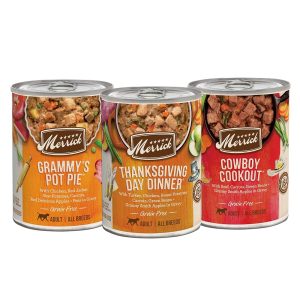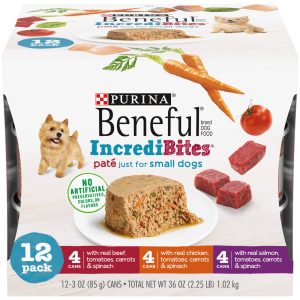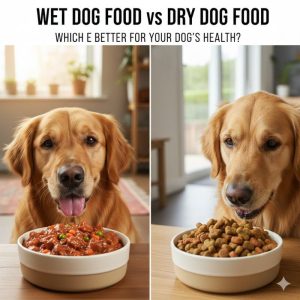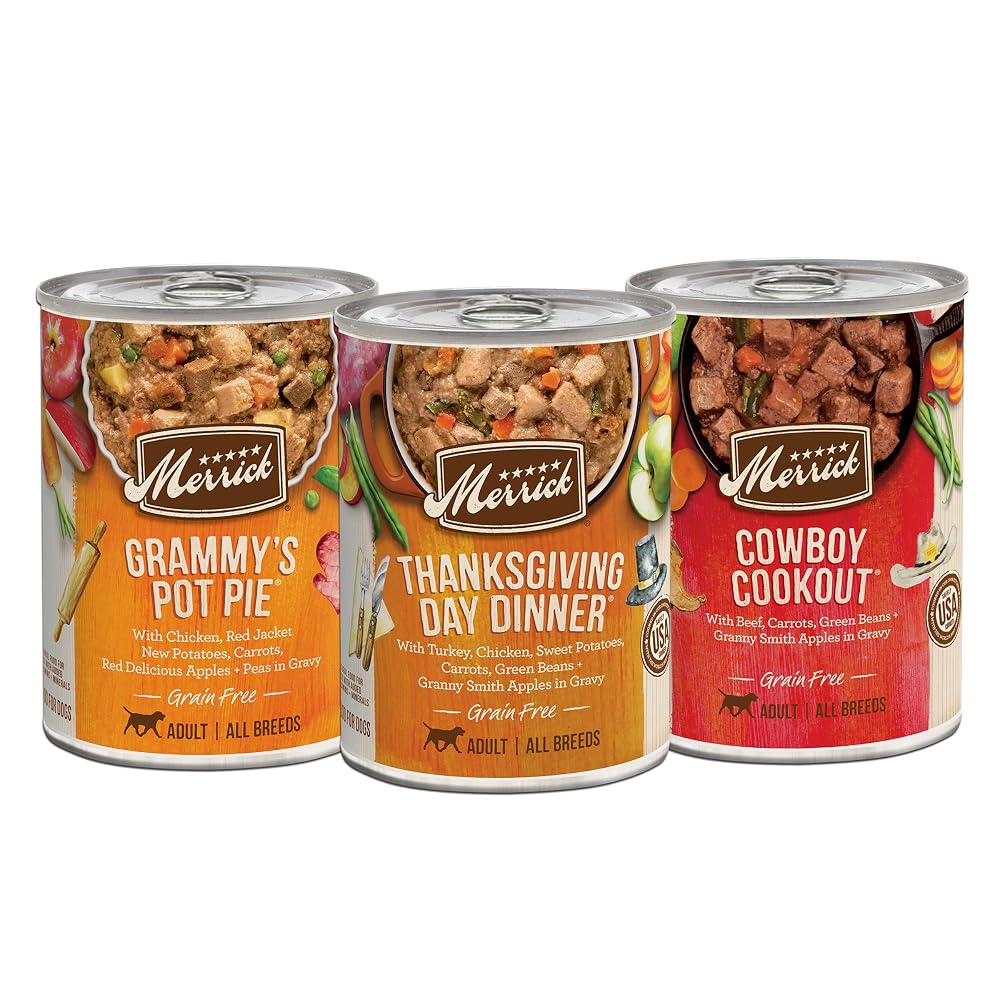
Canned food is not automatically better for every dog. In the United States, both canned and dry dog food can support good health when the food is complete and balanced for the dog’s life stage and is fed in the right amount. Canned food usually offers more water and may be easier to eat, while dry food is often cheaper, simpler to store, and more calorie-dense.
The better choice depends on your dog’s age, health, teeth, appetite, budget, and daily calorie needs. A mixed diet can also work well.
Canned Food vs. Dry Food: What Is the Difference?
Canned dog food contains much more water than kibble. Most canned foods contain about 70% to 85% moisture, while dry food often contains about 8% to 12%. This difference changes the food’s texture, calorie density, storage needs, and feeding amount.
Both types may provide the nutrients a dog needs. The key label term is “complete and balanced.” In the United States, this statement means the food is intended to meet nutrient profiles set by the Association of American Feed Control Officials (AAFCO) or has passed an AAFCO feeding trial.
A food labeled for “intermittent or supplemental feeding only” is not designed to be the dog’s sole diet. It may be useful as a topper or treat, but it should not replace a complete diet unless a veterinarian gives specific instructions.
Why canned food has fewer calories per cup
Water adds weight and volume but no calories. As a result, canned food usually has fewer calories per cup than kibble.
For example, a dog may need:
- 500 calories per day
- 400 calories per 13-ounce can
- 350 calories per cup of dry food
That dog would need about 1.25 cans per day, or about 1.43 cups of kibble, before adjusting for treats and individual needs. These figures are hypothetical. Always use the calorie information on the package rather than comparing cups alone.
Look for the label’s calorie content, often listed as:
- Kilocalories per can
- Kilocalories per cup
- Kilocalories per kilogram
“Kilocalorie” means the same thing as the food calorie used in nutrition.
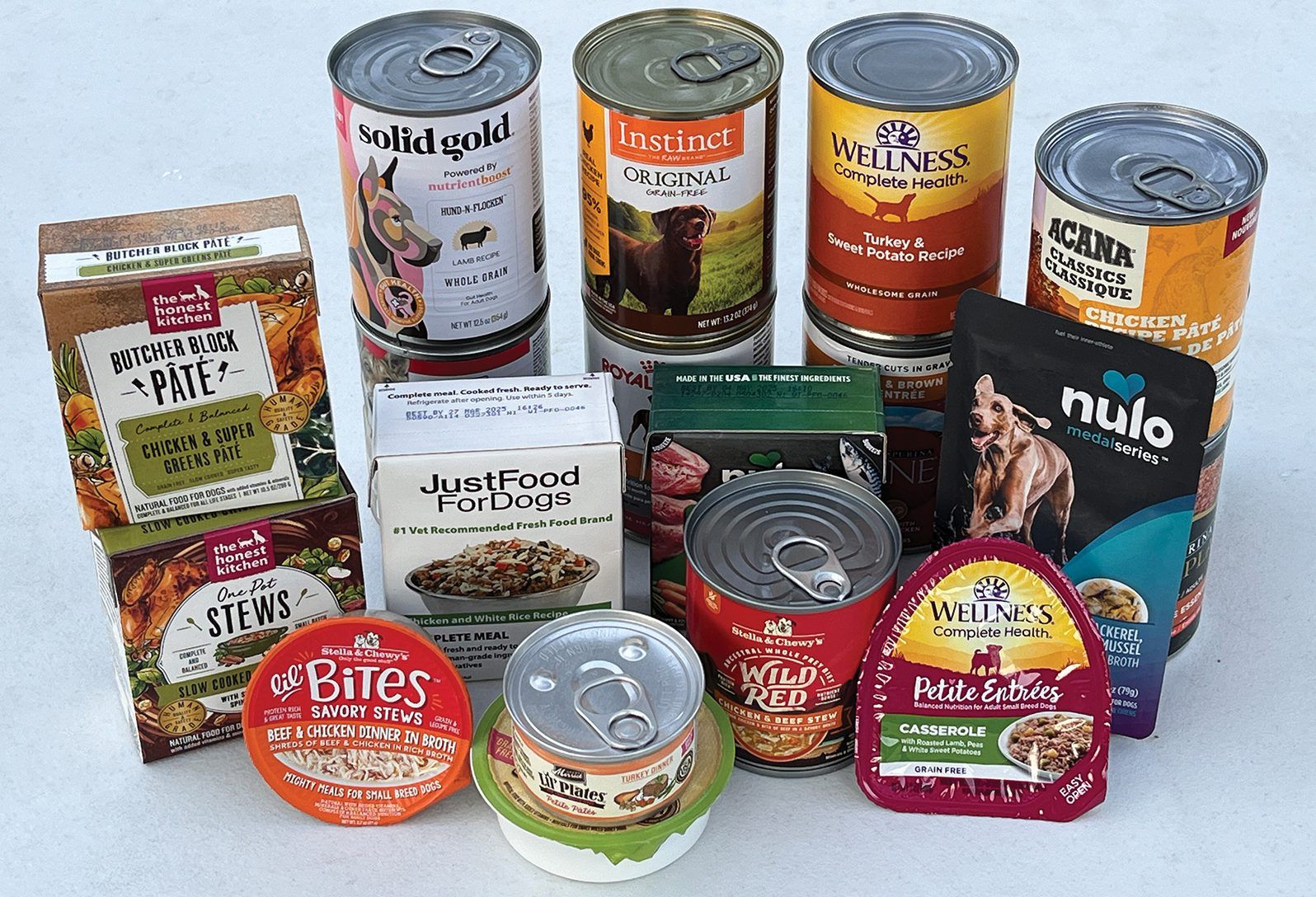
Potential Benefits of Canned Dog Food
Canned food can be a strong choice for some dogs, especially those that need more water, prefer soft food, or have trouble chewing. Its benefits come mainly from its moisture, texture, smell, and calorie density—not from a universal nutritional advantage.
More moisture
The high water content can help increase a dog’s total fluid intake. This may be useful for dogs that do not drink much from a bowl or that need a diet with more water as part of a veterinarian’s treatment plan.
However, canned food is not a treatment for kidney disease, urinary disease, or dehydration by itself. Dogs with these conditions need a diet and care plan chosen with a veterinarian.
Easier to chew
Soft food may be easier for:
- Dogs with painful teeth
- Dogs with missing teeth
- Senior dogs with reduced chewing ability
- Puppies moving from milk to solid food
- Dogs recovering from some dental procedures, when a veterinarian approves it
Canned food can make eating less tiring for a dog with mouth pain. It does not fix the cause of that pain. Bad breath, dropping food, pawing at the mouth, bleeding gums, or refusing hard food can signal dental disease and should be checked by a veterinarian.
Stronger smell and taste
Canned food often smells stronger than dry food. That may help dogs with a low appetite or a reduced sense of smell.
A dog that suddenly stops eating may have pain, nausea, illness, stress, or another problem. Adding canned food may encourage eating for a short time, but a lasting appetite change needs veterinary advice.
Lower calorie density
Because canned food contains more water, a dog may eat a larger physical portion for the same number of calories. This can help some dogs feel that they are getting more food while following a calorie-controlled plan.
The opposite is also possible. Some canned foods are rich in fat and calories. Check the calorie statement and not just the serving size.
Useful for mixing with dry food
Many owners use canned food as a topper. This can improve smell and texture without requiring a complete change in diet.
Keep toppers, treats, and table food within the dog’s daily calorie budget. A simple rule is to keep extras near or below 10% of daily calories unless your veterinarian provides a different plan.
Drawbacks of Canned Food
Canned food also has limits. It can cost more, spoil faster, and make calorie control harder if the label is not read carefully.
Higher cost
Canned food contains a large amount of water. You may need more cans to provide the same calories found in a smaller amount of kibble.
Compare foods by cost per 100 calories, not only by the price of one can or bag.
Use this calculation:
Cost per 100 calories = food price ÷ total calories in the package × 100
For example, if a case costs $36 and contains 12 cans with 400 calories each:
- Total calories = 4,800
- Cost per 100 calories = $36 ÷ 4,800 × 100
- Cost per 100 calories = $0.75
This comparison is more useful than comparing a can with a bag by size or weight.
Shorter storage life after opening
Opened canned food should be covered and refrigerated. The U.S. Food and Drug Administration (FDA) advises using refrigerated opened pet food within a reasonable period and following the product label. Many manufacturers recommend using it within three to five days.
Discard food if it:
- Smells sour or unusual
- Has mold
- Looks swollen or fermented
- Has been left at room temperature for several hours
- Was served in a dirty bowl and stored again
Do not leave wet food in a bowl all day, especially in a warm room.
It does not clean teeth
Canned food is not a substitute for dental care. It does not scrape plaque from teeth, and dry kibble does not reliably clean teeth either. Most kibble breaks apart before it can provide meaningful tooth cleaning.
For dental health, use a veterinary dental plan. This may include tooth brushing, dental diets with documented dental claims, professional cleaning, and regular oral checks.
The Veterinary Oral Health Council lists products that meet its standards for plaque or tartar control. A product with a VOHC Seal is not a replacement for veterinary care, but it can help guide product choices.
Some foods are too rich for certain dogs
Some canned recipes contain high levels of fat or calories. A sudden switch to a rich food may cause vomiting or diarrhea. Dogs with pancreatitis, obesity, food allergies, or other medical conditions may need a more specific diet.
Never assume that a food is suitable because it says “natural,” “premium,” “grain-free,” or “human-grade.” Those terms do not replace the complete-and-balanced statement or veterinary guidance.

How to Choose the Best Canned Food for Your Dog
The best canned food is one that matches your dog’s nutritional needs and that you can feed consistently.
1. Check the nutritional adequacy statement
Look for wording that says the food is:
- Complete and balanced for growth
- Complete and balanced for maintenance
- Complete and balanced for all life stages
Puppies need food designed for growth. Large-breed puppies may need food with specific calcium and calorie guidance. Pregnant or nursing dogs also have different needs.
Adult dogs usually need an adult-maintenance diet. Senior dogs do not all need the same formula, so age alone is not enough to choose a food.
2. Match the food to the health concern
Ask what problem the food is meant to solve:
| Dog’s situation | What may help | Important limit |
|---|---|---|
| Poor water intake | A moist diet may raise fluid intake | It does not treat dehydration |
| Dental pain | Soft food may be easier to eat | A dental exam is still needed |
| Weight gain | Lower calorie density may help portion size | Total calories still control weight |
| Food allergy | A veterinary elimination diet may help | Over-the-counter “limited ingredient” food may not be enough |
| Kidney disease | A prescription diet may be advised | Do not choose based on moisture alone |
| Urinary disease | A veterinarian may recommend a specific diet | Water and mineral targets matter |
| Healthy adult dog | Any complete, balanced option that fits the dog | Preference and cost may decide |
Prescription diets should be used under veterinary direction. Their value comes from carefully controlled nutrient levels, not simply from being canned.
3. Read the calorie statement
Feeding instructions on cans are starting points, not exact prescriptions. Calorie needs vary with body size, age, activity, reproductive status, metabolism, and health.
Watch your dog’s body condition. You should be able to feel the ribs under a thin layer of fat, see a waist from above, and see an abdominal tuck from the side. A veterinarian can help assess body condition and set a daily calorie goal.
Treats, chews, toppers, and human food count too.
4. Choose a texture your dog can eat safely
Canned food may come as:
- Pâté
- Loaf
- Chunks in gravy
- Stew
- Minced food
- Mousse
Texture matters if a dog has dental pain, swallowing trouble, or a strong preference. If your dog coughs, gags, or struggles while eating, ask a veterinarian before changing texture on your own.
5. Check the company’s nutrition information
The package may not answer every useful question. A responsible manufacturer should be able to provide information about:
- Who formulates the food
- Where it is made
- Quality-control testing
- Nutrient analysis
- AAFCO compliance
- How it handles recalls and complaints
The World Small Animal Veterinary Association (WSAVA) provides questions owners can use when evaluating pet-food companies. A marketing claim is not proof that one food is healthier than another.

How to Switch Your Dog to Canned Food Safely
Change food over about seven days unless a veterinarian tells you to use a different plan.
| Days | New canned food | Old food |
|---|---|---|
| 1–2 | 25% | 75% |
| 3–4 | 50% | 50% |
| 5–6 | 75% | 25% |
| 7 | 100% | 0% |
This schedule is a guide. Some dogs need a slower change, especially dogs with a sensitive stomach or a history of diarrhea.
Feed measured portions at set times. Keep fresh water available unless a veterinarian gives different instructions. Wash bowls often, and refrigerate opened food in a sealed container.
Signs the change is going well
Your dog should have:
- Normal appetite
- Normal energy
- Formed stools
- No repeated vomiting
- Stable weight over time
Mild stool changes can occur during a diet change. Repeated vomiting, watery diarrhea, blood in the stool, severe weakness, belly pain, or refusal to drink requires prompt veterinary advice.
Puppies, elderly dogs, and dogs with chronic disease can become unwell faster. Contact a veterinarian sooner for these dogs.

Is Canned Food Better for Puppies, Senior Dogs, or Dogs With Health Problems?
Canned food can be useful for certain dogs, but the reason matters more than the dog’s age or the food’s texture.
Puppies
Choose a food labeled complete and balanced for growth. Large-breed puppies may need a formula that meets the nutrient levels for growth of large-size dogs.
Canned food can help a young puppy move to solid food. It should not replace veterinary care if the puppy has poor growth, repeated diarrhea, vomiting, or trouble eating.
Senior dogs
Older dogs may prefer soft food, especially if their teeth hurt. But canned food is not automatically better for aging organs, joints, or the brain.
A senior dog that eats less, drinks more, loses weight, vomits, or changes bathroom habits should receive a veterinary exam. These signs can point to disease rather than simple food preference.
Dogs with dental disease
Soft food may reduce discomfort while a dog eats. It does not remove plaque or cure gum disease.
A veterinary oral exam is the right next step. Ask whether your dog needs dental cleaning, pain relief, tooth removal, or a home-care plan.
Dogs with kidney, urinary, digestive, or pancreatic disease
These dogs may need exact levels of protein, phosphorus, sodium, fat, minerals, or other nutrients. A canned prescription diet may be helpful, but not every canned food meets those targets.
Do not switch a dog with a diagnosed condition based only on advice from a package, social media post, or general online article. Ask the treating veterinarian which diet fits the diagnosis.

Common Mistakes to Avoid
Avoid these errors when feeding canned food:
- Replacing food by volume: One cup of canned food may have far fewer calories than one cup of kibble.
- Ignoring the label: “Complementary,” “intermittent,” or “supplemental” food may not be suitable as a sole diet.
- Adding too many toppers: Small extras can cause weight gain over time.
- Making a fast switch: Sudden changes can upset the digestive system.
- Leaving food out all day: Wet food can spoil, especially in heat.
- Using canned food to hide illness: A temporary appetite boost does not explain why a dog stopped eating.
- Assuming dry food cleans teeth: Ordinary kibble is not a dental treatment.
- Choosing by marketing alone: Words such as “premium” and “natural” do not prove nutritional adequacy.
- Changing a prescription diet without advice: A diet may work because of precise nutrient limits that are not obvious from the front label.

Frequently Asked Questions
Can dogs eat canned food every day?
Yes. A canned food can be fed every day if it is complete and balanced for the dog’s life stage and provides the right number of calories. Follow the package guidance, then adjust portions based on body condition and veterinary advice.
Is canned food healthier than kibble?
Not in every case. Canned food usually provides more moisture and may be easier to chew. Kibble is often easier to store, less costly per calorie, and more convenient. The recipe, nutrient adequacy, calories, and fit with the dog matter more than the format alone.
Can canned food cause diarrhea in dogs?
It can, especially after a sudden diet change or when the new food is rich. Switch gradually and monitor stool quality. Ongoing diarrhea, vomiting, blood, pain, or weakness needs veterinary care.
Should I mix canned and dry food?
You can mix them if both foods fit your dog’s needs. Reduce the amount of each food so the combined calories stay within the daily goal. Do not add a full serving of canned food on top of the usual kibble unless your dog needs the extra calories.
How long can opened canned dog food stay out?
Use the food promptly and refrigerate leftovers in a sealed container. The exact safe time depends on temperature, handling, and the manufacturer’s directions. When in doubt, throw it out. Never serve food that smells spoiled or has been left out for an extended period.
Is canned food good for dogs that do not drink enough water?
It may increase water intake, but it is not a substitute for diagnosis or treatment. A sudden increase or decrease in drinking, frequent urination, dry gums, weakness, or other changes should be discussed with a veterinarian.
Final Answer: Is Canned Food Better for Dogs?
Canned food is better for some dogs, but it is not better for all dogs. It may suit a dog that needs more moisture, prefers soft food, has dental discomfort, or benefits from larger meal volume. Dry food may suit a dog whose owner needs lower cost, simple storage, or higher calorie density.
Start with three checks:
- Is the food complete and balanced for your dog’s life stage?
- Does the calorie amount fit your dog’s daily needs?
- Does the food support the dog’s health, appetite, digestion, and body condition?
If your dog has a medical condition, sudden appetite change, dental pain, repeated digestive trouble, or unexplained weight loss, ask a veterinarian before making canned food the main diet.