The ingredients to avoid in dog food depend on your dog’s health, age, and diet. In the United States, the biggest concerns are toxic substances, unsafe supplements, contaminated ingredients, and foods that do not provide complete and balanced nutrition.
Avoid dog foods that contain known toxins such as xylitol, onions, garlic, grapes, raisins, chocolate, alcohol, or excessive vitamin D. Also be careful with products that make vague safety claims, lack a nutritional adequacy statement, or use unverified herbal and supplement blends.
Some popular “bad ingredient” lists are misleading. Corn, wheat, soy, animal by-products, meat meals, and approved preservatives are not automatically harmful. The full formula, feeding purpose, manufacturing controls, and your dog’s individual needs matter more than one isolated ingredient.
This guide focuses on dog food sold in the United States and uses information from the U.S. Food and Drug Administration (FDA), the Association of American Feed Control Officials (AAFCO), and veterinary nutrition guidance.

Ingredients That Should Not Be in Dog Food
The clearest ingredients to avoid are substances that can poison dogs or create a known health risk. A commercial dog food should never rely on these ingredients as flavorings, sweeteners, supplements, or accidental contaminants.
Xylitol
Xylitol is highly dangerous to dogs. It can cause a rapid drop in blood sugar and may lead to liver failure. It is found in some sugar-free products, oral-care items, supplements, and peanut or nut butters.
Check labels for:
- Xylitol
- Birch sugar
- Wood sugar
- E967
Xylitol is not always listed in the same place on a label. If you suspect your dog ate xylitol, contact a veterinarian or the ASPCA Animal Poison Control Center right away. Do not wait for symptoms.
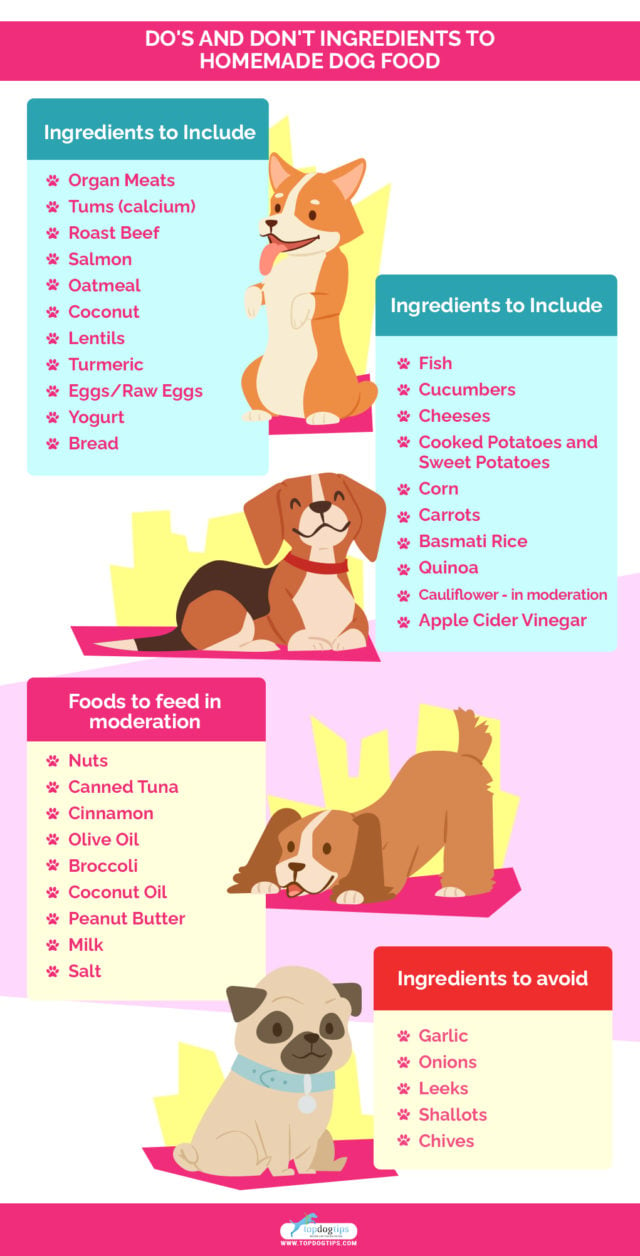
Onions, garlic, leeks, and chives
These plants belong to the Allium family. They can damage red blood cells and may cause anemia. Risk depends on the dose, form, and dog, but concentrated powders can be more concerning than small amounts of fresh food.
Watch for:
- Onion powder
- Garlic powder
- Dried onion
- Dried garlic
- Chive powder
- Leek powder
- “Allium” blends
Small amounts used in a properly regulated food may not always cause poisoning, but there is no good reason to choose a dog food that uses these ingredients as flavor enhancers.
Grapes and raisins
Grapes and raisins can cause sudden kidney injury in some dogs. The exact toxic dose is not predictable. A small amount may be serious for one dog but not another.
Avoid foods that contain:
- Grapes
- Raisins
- Sultanas
- Currants, when the label refers to dried grape fruit
If your dog eats any of these foods, call your veterinarian promptly. Do not use the size of the grape or your dog’s body weight to decide that the exposure is safe.
Chocolate, cocoa, and caffeine
Chocolate and cocoa contain methylxanthines, including theobromine and caffeine. Dark chocolate, baking chocolate, cocoa powder, and some supplements can contain higher amounts than milk chocolate.
Avoid:
- Cocoa powder
- Baking chocolate
- Dark chocolate
- Chocolate flavoring
- Caffeine
- Coffee
- Tea
- Guarana
- Caffeine-containing supplements
These ingredients should not be part of a dog’s regular food or treats.
Alcohol and ethanol
Alcohol can cause vomiting, poor coordination, low blood sugar, breathing problems, coma, and death. Avoid foods, treats, sauces, and supplements that contain alcohol or fermented drink ingredients.
Macadamia nuts
Macadamia nuts can cause weakness, vomiting, tremors, and trouble walking in dogs. They are not a useful ingredient in a complete dog diet and should be avoided in treats and human-food mixes.
Excess vitamin D
Vitamin D is essential in the correct amount. Too much can raise blood calcium and damage the kidneys. In the United States, the FDA has investigated dog food recalls involving excessive vitamin D.
Avoid products that contain unusually high vitamin D levels or that have been subject to an unresolved recall. Check the FDA’s animal food recall and alert page before buying a food after a major safety notice.
Mold toxins and contaminated grains
Grains are not inherently unsafe. The risk comes from contamination with mold toxins, such as aflatoxins. Contamination is a manufacturing and storage problem, not proof that corn, wheat, or other grains are bad for every dog.
Buy food in sealed bags, check the lot number and expiration date, and store it in a cool, dry place. Do not feed food that smells moldy, looks damp, or has damaged packaging.

Ingredients That May Be a Problem for Some Dogs
Some ingredients are not toxic to all dogs but can trigger problems in dogs with allergies, food intolerance, pancreatitis, kidney disease, or other conditions.
Common food allergens
Dogs can react to many proteins and carbohydrates. The most commonly reported food allergens in dogs include:
- Beef
- Dairy
- Chicken
- Wheat
- Egg
- Soy
This does not mean these foods are bad for every dog. A dog with no reaction may eat them safely.
Signs that may suggest a food reaction include:
- Repeated ear infections
- Itchy skin
- Paw licking
- Skin redness
- Vomiting
- Loose stool
- Gas
- Chronic diarrhea
These signs have many possible causes. Fleas, environmental allergies, parasites, infections, and digestive disease can look similar. A veterinarian may recommend a strict elimination diet or a veterinary therapeutic diet to identify the cause.
High-fat ingredients
High-fat foods may worsen diarrhea and can increase the risk of pancreatitis in susceptible dogs. Fat is not bad by itself. Dogs need dietary fat for energy and essential fatty acids.
Use caution with foods that contain large amounts of:
- Animal fat
- Poultry fat
- Beef tallow
- Pork fat
- Bacon fat
- Added oils
- Fatty treats
The label does not always make it easy to compare total fat between foods. Look at the guaranteed analysis, then ask your veterinarian which fat level fits your dog.
Excessive salt
Sodium is a required nutrient, but very salty foods can be harmful when eaten in large amounts. Dogs with heart disease, kidney disease, or certain hormone disorders may need a controlled sodium intake.
Avoid using human snacks, cured meats, salty broths, or seasoning mixes as regular toppers. Do not change sodium intake sharply for a dog with a medical condition without veterinary advice.
Unclear herbal blends
Herbs are not automatically safe because they are natural. Some may interact with medicines or affect the liver, kidneys, blood clotting, or blood pressure.
Be cautious when a label lists:
- “Proprietary herbal blend”
- “Detox blend”
- “Hormone support”
- “Immune booster”
- “Natural calming complex”
A trustworthy label should identify the actual ingredients and their amounts. If it does not, you cannot properly judge the dose or risk.
Raw animal ingredients
Raw meat, raw eggs, and unpasteurized animal products can carry bacteria such as Salmonella, Listeria, and certain strains of E. coli. Dogs may become sick, and people in the home can also be exposed through bowls, surfaces, feces, or handling.
The FDA has also warned that diets made with uncooked animal ingredients may pose added risks from pathogens. Puppies, older dogs, pregnant people, young children, and people with weakened immune systems may face greater consequences from exposure.
A raw ingredient is not automatically unsafe in every controlled commercial process. The key questions are whether the food is properly processed, tested, stored, and labeled—and whether the health risks outweigh the claimed benefit.
Ingredients That Are Often Blamed Unfairly
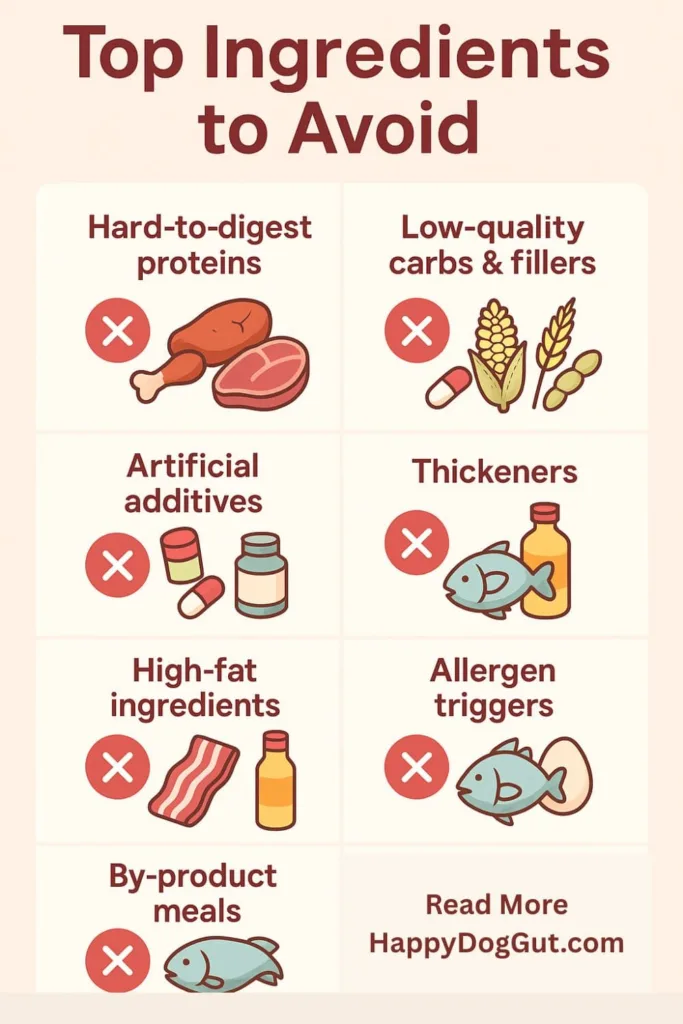
Many “ingredients to avoid in dog food” articles confuse personal preference with established safety evidence. The following ingredients are not automatically harmful.
Corn
Corn provides carbohydrates, fatty acids, fiber, and some protein. Dogs can digest cooked corn. It may be unsuitable for an individual dog with an allergy or intolerance, but it is not a universal filler or toxin.
Corn can appear as:
- Ground corn
- Corn meal
- Corn gluten meal
- Corn starch
These are different ingredients with different nutritional roles.
Wheat
Wheat is safe for most dogs. A small number of dogs may have a wheat allergy or another reaction. Dogs with a confirmed gluten-related disease may need a special diet, but this is not common.
A “grain-free” label does not automatically make a food healthier.
Soy
Soy can provide protein and other nutrients. It may cause problems for a particular dog, but it is not inherently poisonous or nutritionally useless.
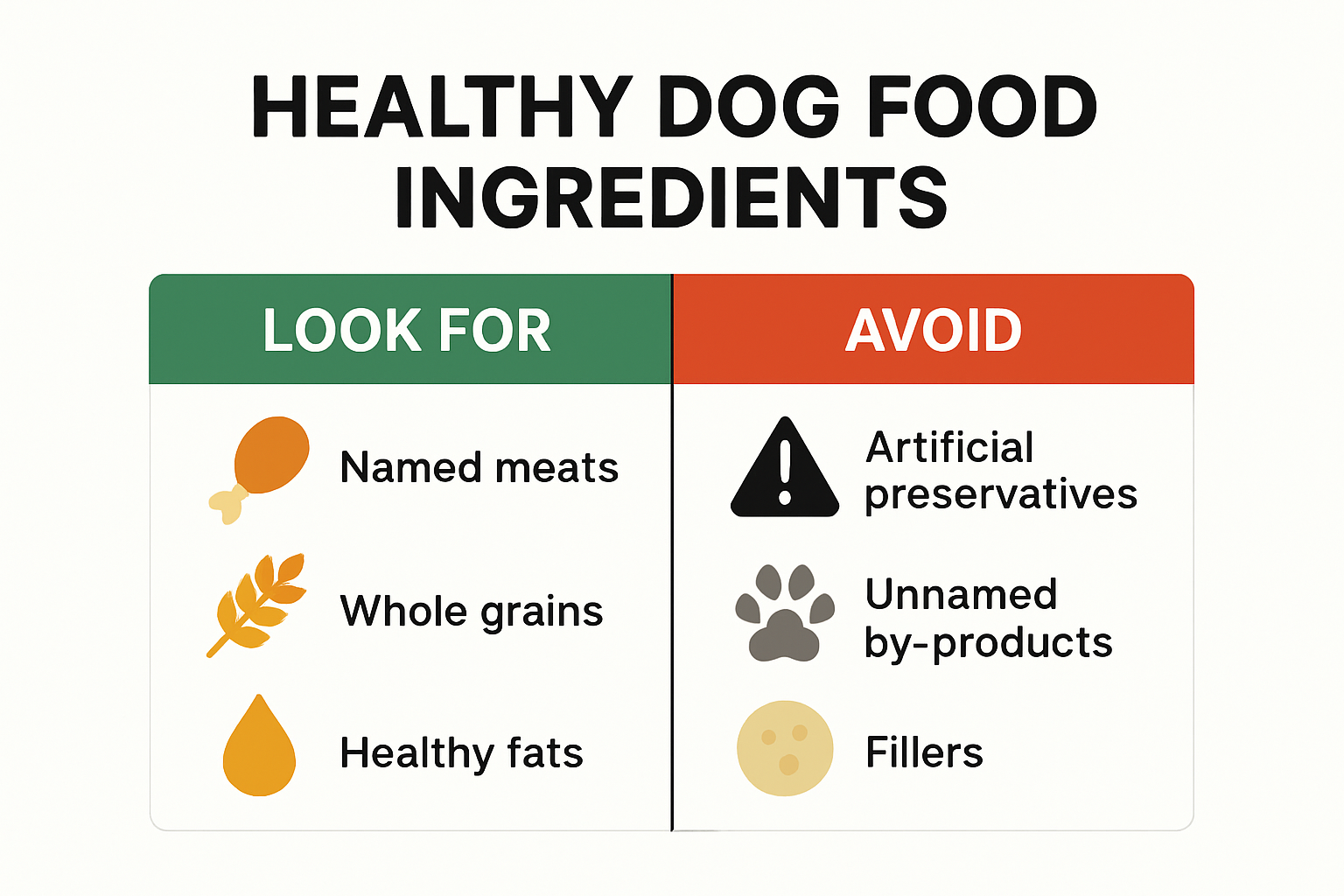
Animal by-products
“By-products” are parts of an animal other than the muscle meat commonly sold for human meals. They can include organs, which may provide valuable nutrients.
The term does not prove that a food is low quality. Assess the entire formula, the manufacturer’s controls, and whether the food meets nutritional standards.
Meat meals
Meat meal is a concentrated ingredient made by cooking and drying animal tissues. Because much of the water has been removed, meal can provide more protein by weight than fresh meat.
Examples include:
- Chicken meal
- Lamb meal
- Fish meal
- Turkey meal
The word “meal” is not a safety warning. The animal source and quality controls matter.
Artificial preservatives
Approved preservatives can help stop fats from going rancid and can protect food during storage. Common examples include mixed tocopherols, citric acid, and some permitted synthetic preservatives.
A preservative should be judged by:
- Whether it is allowed for use in animal food
- How much is present
- Whether the product is properly manufactured
- Whether your dog has a known reaction
“Natural” does not always mean safer. Natural fats can spoil, and natural substances can also be toxic.
Artificial colors
Artificial colors usually add visual appeal for people, not health value for dogs. A food without added color may be a reasonable preference, especially if your dog does not need it.
Still, the presence of color alone does not prove that the food is dangerous. Nutritional adequacy and quality control are more important than appearance.

How to Read a Dog Food Label
The safest way to screen a dog food is to read the label in a set order. Do not judge the product from the front of the bag alone.
1. Check the nutritional adequacy statement
Look for a statement showing that the food is complete and balanced for a specific life stage. It may say the food meets the nutritional levels established by AAFCO for:
- Growth
- Maintenance
- Gestation and lactation
- All life stages
A food labeled for “intermittent or supplemental feeding only” is not meant to be the sole diet unless a veterinarian gives specific instructions.
2. Match the food to your dog
A puppy, adult dog, pregnant dog, and senior dog may have different nutritional needs. Large-breed puppies need special mineral and calorie control to support steady growth.
Also consider:
- Body weight
- Activity level
- Neutering status
- Medical conditions
- Food allergies
- Dental or chewing limits
3. Read the ingredient list
Ingredients are generally listed by weight before processing. Ingredients with more water may appear high on the list even though their final contribution is smaller after cooking.
Do not assume that the first ingredient tells the whole story. A formula may list several similar carbohydrate ingredients separately. It may also use multiple protein sources that matter to a dog with an allergy.
4. Review the guaranteed analysis
The guaranteed analysis usually lists minimum crude protein and crude fat, plus maximum crude fiber and moisture. These numbers are useful but limited.
A food with more protein is not automatically better. Protein quality, digestibility, calories, amino acids, and the dog’s needs all matter.
When comparing wet and dry food, moisture changes the numbers. A simple dry-matter calculation helps:
Dry-matter protein = protein percentage ÷ (100 − moisture percentage) × 100
For example, if canned food has 10% protein and 78% moisture:
10 ÷ (100 − 78) × 100 = about 45% protein on a dry-matter basis
This is a hypothetical calculation. It does not show whether the food is right for your dog.
5. Check the manufacturer and contact details
A responsible company should provide:
- A complete ingredient list
- Feeding directions
- Calorie information
- A customer service contact
- Lot or batch information
- Clear manufacturing details
Ask who formulates the food and how the company tests for nutrient levels and contamination. A vague answer is not proof of a bad product, but it is a reason to compare other options.

A Practical Red-Flag Checklist
Use this checklist when choosing food or treats in the United States.
| Label or product issue | Why it matters | What to do |
|---|---|---|
| No complete-and-balanced statement | The food may not meet all nutrient needs | Use only as directed or choose a complete diet |
| “Supplemental feeding only” | It is not designed as a sole diet | Limit it to the stated use |
| Xylitol or birch sugar | Can cause severe poisoning | Do not feed; contact a veterinarian after exposure |
| Onion, garlic, grape, raisin, chocolate, or alcohol | Known toxic food ingredients | Avoid and seek help after ingestion |
| Unlisted proprietary blend | Dose and identity are unclear | Choose a product with full disclosure |
| Damaged, swollen, leaking, or moldy package | May indicate contamination or spoilage | Do not use; report the problem |
| Unresolved recall | The product may have a known safety issue | Check the lot number and follow FDA guidance |
| Dramatic cure claims | Marketing may exceed evidence | Ask a veterinarian before relying on it |
| Sudden formula change | May cause digestive upset | Transition gradually when possible |
A front label that says “natural,” “holistic,” or “premium” does not replace these checks. These terms do not prove that a food is complete, safe, or appropriate for a specific dog.

Grain-Free Dog Food: Should You Avoid It?
You do not need to avoid every grain-free dog food, but you should not choose one simply because it sounds healthier. Grain-free foods often replace grains with peas, lentils, chickpeas, potatoes, or other starches.
The FDA investigated reports of canine dilated cardiomyopathy, or DCM, in dogs eating certain diets. Many reported diets were labeled grain-free and contained high amounts of peas, lentils, other legumes, or potatoes. The investigation did not establish that every grain-free food causes heart disease, and it did not show that grains are required for every dog.
The practical choice is to:
- Feed grain-free only when there is a clear reason.
- Ask your veterinarian about the formula if your dog eats it long term.
- Avoid treating a grain-free label as proof of superior nutrition.
- Seek veterinary care for coughing, weakness, fainting, breathing trouble, or reduced exercise tolerance.
Do not add taurine, vitamins, or supplements on your own to “fix” a diet. Excess nutrients can also cause harm.
What to Avoid When Your Dog Has a Health Condition
A dog with a medical condition may need a diet that differs from ordinary retail food. Ingredient avoidance should then follow a veterinary diagnosis, not a general internet list.
Food allergy
The reliable way to investigate a food allergy is usually a strict elimination diet followed by a controlled food challenge. Treats, table food, flavored medicines, and supplements can affect the result.
Kidney disease
Dogs with kidney disease may need controlled phosphorus, protein, sodium, and calories. Do not select a food by looking at one ingredient alone.
Pancreatitis
Dogs with pancreatitis may need a carefully controlled fat level. Your veterinarian can guide the transition and decide whether a therapeutic diet is needed.
Urinary disease
Urinary diets depend on the type of crystals or stones, urine pH, mineral balance, water intake, and other factors. A food that helps one urinary problem may not help another.
Diabetes or obesity
Calories and feeding amounts often matter more than avoiding one named ingredient. Measure portions and count treats as part of the daily intake.

Common Mistakes Dog Owners Make
Avoiding every ingredient with a long name
A long chemical name is not proof of danger. Vitamins, minerals, amino acids, and preservatives may have technical names because they perform specific roles.
Choosing food by the first ingredient only
The first ingredient does not show the complete nutrient profile. Fresh meat also contains water, so its position does not provide a simple quality score.
Assuming “natural” means safe
Some natural foods are toxic. Some natural products are poorly tested. Safety depends on identity, dose, processing, storage, and the dog’s health.
Changing food too fast
A sudden switch can cause diarrhea or vomiting. Unless your veterinarian tells you to change food immediately, move to the new diet over about seven days. Use a slower change for dogs with sensitive digestion.
Ignoring treats and toppers
A complete main food can be undermined by large amounts of table food, treats, broth, supplements, or flavored dental products. Keep extras modest and include them in the daily calorie plan.
Using recalled food
Check the product name, lot number, and best-by date. A recall may affect only certain batches. Follow the FDA notice and contact the manufacturer or veterinarian if your dog has eaten the affected product.

What to Do if Your Dog Ate a Suspect Ingredient
Act based on the ingredient and amount, not only on symptoms.
- Remove the food and keep the package.
- Record the product name, ingredient, amount eaten, and time.
- Call your veterinarian, an emergency veterinary clinic, or a pet poison service.
- Do not induce vomiting unless a veterinary professional tells you to.
- Watch for vomiting, weakness, tremors, diarrhea, pale gums, collapse, breathing changes, increased thirst, or reduced urination.
- Bring the package or a clear photo of the label to the clinic.
Xylitol, grapes, raisins, chocolate, onions, garlic, alcohol, and excessive vitamin D deserve prompt professional advice. Some poisoning signs may appear late, so a dog that looks normal may still need care.
Frequently Asked Questions
Is by-product meal bad for dogs?
No. By-product meal is not automatically bad. It can contain nutrient-rich organs and concentrated protein. Judge the whole formula, the animal source, the nutritional adequacy statement, and the manufacturer’s quality controls.
Should dogs avoid corn and wheat?
Most dogs do not need to avoid corn or wheat. They may be unsuitable for a dog with a confirmed allergy or specific medical need, but they are not toxic to dogs in general.
Are preservatives in dog food dangerous?
Approved preservatives help protect food from spoilage. The risk depends on the substance, amount, and manufacturing process. “Preservative-free” does not automatically mean safer because food can become rancid without adequate protection.
Is grain-free food bad for dogs?
Not every grain-free food is harmful, but grain-free is not automatically healthier. Because of the FDA’s investigation into reported DCM cases involving certain diets, discuss long-term grain-free feeding with your veterinarian.
How do I know if a dog food is complete and balanced?
Look for a nutritional adequacy statement on the package. It should identify the life stage or state that the food is intended for intermittent or supplemental feeding only. Treats and toppers often do not provide complete nutrition.
Key Takeaways
- Avoid known toxins such as xylitol, grapes, raisins, onions, garlic, chocolate, caffeine, alcohol, macadamia nuts, and excessive vitamin D.
- Do not treat corn, wheat, soy, by-products, meat meals, or approved preservatives as automatic dangers.
- Choose food with a clear complete-and-balanced nutritional adequacy statement.
- Consider your dog’s age, size, activity, allergies, and medical conditions.
- Check recalls, lot numbers, storage conditions, and package damage.
- Contact a veterinarian quickly after possible poisoning or severe illness.
Conclusion
The best dog food decision is not based on a short list of scary-sounding words. It starts with avoiding proven toxins, then checking whether the food is complete and balanced, made with reasonable quality controls, and suited to your dog.
If your dog has itching, vomiting, diarrhea, weight loss, heart symptoms, kidney disease, or another ongoing problem, ask a veterinarian before removing major ingredients or adding supplements. For most healthy dogs, a complete diet from a transparent manufacturer is a safer guide than internet claims about one “bad” ingredient.