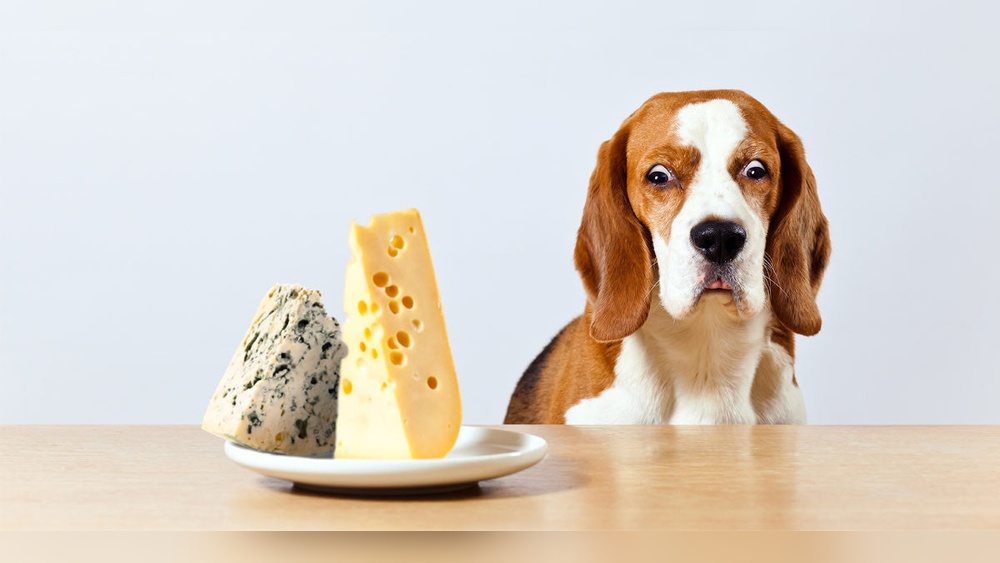
If you love spoiling your dog, you might have thought about sharing a slice of Velveeta cheese. Its creamy taste and soft texture make it a favorite for many people. But is it safe for dogs? As a friendly mentor, I’ll help you understand what happens if dogs eat Velveeta cheese, look at its ingredients, and answer whether it’s a good idea to let your furry friend enjoy this processed cheese product.
By the end, you’ll know the risks, the safe alternatives, and what to do if your dog sneaks a cheesy treat.
What Is Velveeta Cheese?
Velveeta is a processed cheese product made famous for its smooth melt and mild flavor. Unlike natural cheeses, Velveeta is created by blending cheese, milk, whey, fat, and various emulsifying agents. Its unique texture comes from these additives, helping it melt evenly in sauces and dips.
The history of Velveeta dates back to the early 20th century, when Kraft introduced it as a convenient, shelf-stable cheese alternative. Today, it’s used in everything from macaroni and cheese to nachos.
But while Velveeta is popular in kitchens, its ingredient list is different from traditional cheeses. Here’s a closer look at what you’re actually feeding your dog if you offer them a piece.
Velveeta Cheese Ingredients: What’s Inside?
To answer if dogs can eat Velveeta, you need to know what’s in it. The ingredients can vary by product, but a classic block of Velveeta usually contains:
- Milk
- Whey
- Milk protein concentrate
- Milkfat
- Sodium phosphate (an emulsifier)
- Salt
- Calcium phosphate
- Sorbic acid (a preservative)
- Apocarotenal and Annatto (coloring agents)
- Enzymes
- Cheese culture
These ingredients are processed to create that classic, creamy texture. Notice that some are natural, but others—like sodium phosphate and preservatives—are not typically found in homemade cheese.
Nutrition Facts
To get a better idea, let’s look at the nutritional values for a standard 28g (1 oz) serving:
| Nutrient | Amount per 28g (1 oz) |
|---|---|
| Calories | 80 |
| Total Fat | 6g |
| Saturated Fat | 4g |
| Cholesterol | 20mg |
| Sodium | 410mg |
| Total Carbohydrates | 3g |
| Protein | 5g |
The high sodium and fat content stand out. While these might not harm most healthy adult humans in moderation, dogs process these nutrients differently—and that’s where the concerns begin.
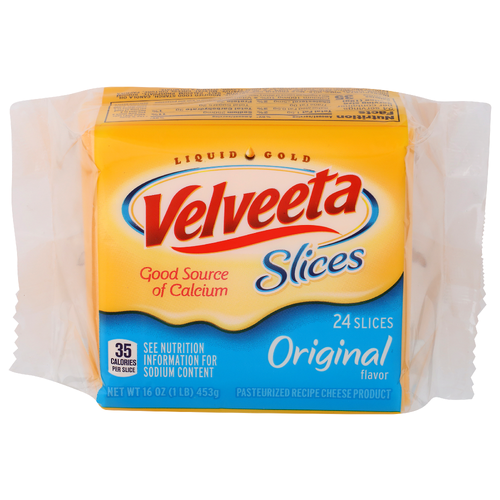
Credit: www.brookshires.com
Is Velveeta Cheese Safe For Dogs?
Most dogs can handle tiny amounts of cheese as an occasional treat. However, Velveeta is not a natural cheese. Its high sodium, fat, and artificial ingredients make it a poor choice for canine health.
The Main Risks
- High Sodium: Dogs are sensitive to salt. Too much sodium can lead to increased thirst, dehydration, or even sodium ion poisoning in severe cases.
- Fat Content: Velveeta has a lot of saturated fat. Regular consumption can cause weight gain, pancreatitis, and heart issues in dogs.
- Preservatives and Additives: Ingredients like sorbic acid and sodium phosphate are not meant for regular dog consumption. Some dogs can have digestive upsets, allergies, or long-term health problems from these additives.
- Lactose: While Velveeta contains less lactose than some dairy, dogs that are lactose intolerant may still experience diarrhea or stomach upset.
Is A Small Amount Dangerous?
A tiny piece of Velveeta probably won’t cause immediate harm to a healthy dog. But over time, or in larger amounts, the risks add up. Puppies, small breeds, and dogs with health issues are at greater risk.
Special Warning For Puppies And Senior Dogs
Puppies have sensitive digestive systems and are still developing. Senior dogs often have health problems like kidney or heart disease. For both, processed foods like Velveeta are especially risky.
Why Dogs Like Cheese—and Why That’s A Problem
Most dogs love cheese. It’s soft, salty, and rich—a strong smell and taste that attract dogs instantly. This makes cheese handy for hiding pills or as a high-value reward.
But dogs’ love for cheese can be a double-edged sword. They might beg for more, and it’s easy to give in. However, frequent cheese snacks can quickly lead to health problems.
Dogs And Dairy: A Complicated Relationship
Many dogs are lactose intolerant. Their bodies don’t produce enough lactase, the enzyme that breaks down lactose in milk. While some cheeses are lower in lactose, Velveeta still contains enough to bother sensitive dogs.
Symptoms of lactose intolerance in dogs include:
- Diarrhea
- Gas
- Bloating
- Vomiting
If your dog shows any of these signs after eating cheese, even Velveeta, it’s best to avoid dairy altogether.
Potential Health Issues From Velveeta Cheese
Eating Velveeta cheese can cause a range of mild to severe health problems for dogs. Here’s what might happen, especially if your dog eats it often or in large amounts:
1. Digestive Upset
The most common problem is diarrhea, vomiting, or gas. This happens because of the lactose, fat, and artificial ingredients.
2. Obesity
The high-calorie, high-fat content in Velveeta can lead to weight gain. Obesity in dogs shortens lifespan and increases the risk of diabetes, joint pain, and cancer.
3. Pancreatitis
This is a serious, painful condition caused by eating too much fat. Dogs with pancreatitis need emergency veterinary care. Symptoms include vomiting, abdominal pain, and loss of appetite.
4. Salt Poisoning
Too much sodium can cause salt poisoning (hypernatremia). Signs include:
- Excessive thirst
- Vomiting
- Diarrhea
- Tremors
- Seizures
Small dogs and puppies are most at risk.
5. Allergic Reactions
Some dogs are allergic to milk proteins or other ingredients in Velveeta. Allergic reactions can range from itchy skin to severe swelling or breathing problems.
6. Kidney And Heart Stress
The combination of high salt and fat is tough on the kidneys and heart, especially in older dogs or those with existing health issues.
7. Longer-term Risks
If dogs eat processed cheese like Velveeta regularly, the build-up of preservatives and artificial ingredients may increase the risk of chronic diseases, though research on long-term effects is limited.
How Much Velveeta Is Too Much?
There’s no exact safe amount of Velveeta for dogs. Even a small cube can have a lot of sodium and fat relative to a dog’s daily needs.
A 10-pound (4.5 kg) dog should eat no more than 200 mg of sodium per day. One ounce of Velveeta contains about 410 mg—more than double that limit. For small dogs, even a little bit can be too much.
For large dogs, a small bite might not cause immediate harm, but repeated feeding is risky.
Quick Comparison: Sodium In Cheese Types
Here’s how Velveeta stacks up against other common cheeses:
| Cheese Type | Sodium per 28g (1 oz) |
|---|---|
| Velveeta | 410mg |
| Cheddar | 180mg |
| Mozzarella (part-skim) | 180mg |
| Cottage Cheese | 350mg |
| Swiss | 54mg |
As you can see, Velveeta has the highest sodium content among common cheeses.
What To Do If Your Dog Eats Velveeta Cheese
Sometimes, dogs are sneaky and grab food they shouldn’t have. If your dog eats Velveeta cheese, here’s what to do:
- Stay calm. A single small bite is unlikely to cause serious harm in a healthy adult dog.
- Monitor your dog. Watch for signs of digestive upset: Vomiting, diarrhea, bloating, or lethargy.
- Provide fresh water. High sodium can cause thirst and dehydration.
- Call your vet if concerned. If your dog eats a large amount, is very small, or has health problems, check with your veterinarian.
- Look for severe symptoms. If your dog has tremors, seizures, severe vomiting, or collapse, seek emergency help immediately.
When To Worry
- Your dog ate a large amount (half a block or more)
- Your dog is a puppy, senior, or has health issues
- Your dog shows serious symptoms (see above)
Should You Ever Use Velveeta For Dog Training Or Pills?
Some dog owners use cheese as a high-reward treat or to hide pills. While this works well with hard cheeses in moderation, Velveeta’s high sodium and artificial ingredients make it a poor choice, especially if used daily.
If you must use cheese, opt for safer options like plain mozzarella or low-fat cottage cheese, and only in tiny amounts.
Safe Cheese Alternatives For Dogs
If your dog loves cheese, there are safer options than Velveeta. Look for natural cheeses, ideally low in salt and fat.
Here are some options:
- Mozzarella: Lower in salt and fat.
- Swiss cheese: Very low sodium.
- Cottage cheese: Low in fat, but check sodium content.
- Ricotta: Soft and lower in salt.
Always offer cheese in small pieces. Even safe cheeses should be occasional treats, not regular snacks.
Non-dairy Alternatives
If your dog is lactose intolerant, try:
- Carrot sticks: Crunchy, low-calorie, and safe.
- Small apple slices: Remove seeds and core.
- Plain cooked chicken: High in protein, low in fat (without seasoning).
- Commercial dog treats: Choose low-sodium, natural ingredient options.
Homemade Cheese Dog Treat Recipe
Want to give your dog a cheesy treat without the risks of Velveeta? Try this easy homemade recipe:
Ingredients
- 1 cup low-fat cottage cheese
- 1 egg
- 2 cups whole wheat flour
- 1/2 cup rolled oats
- 1/4 cup water
Steps
- Preheat oven to 350°F (175°C).
- Mix all ingredients in a bowl until a dough forms.
- Roll out the dough and cut into small shapes.
- Place on a baking sheet lined with parchment paper.
- Bake for 18–20 minutes, until golden brown.
- Cool completely before serving.
These treats are lower in salt and fat and contain no artificial additives.
Why Processed Cheese Isn’t Good For Dogs
Processed cheeses like Velveeta are designed for people, not pets. They contain extra salt, preservatives, and colorants to make them look and taste appealing to humans.
Non-obvious insight: One key issue with processed cheese is that dogs’ kidneys work harder to remove excess sodium and chemicals. Over time, this can increase the risk of kidney and heart problems, even in dogs that seem healthy today.
Another insight: Artificial colorings (like annatto) are not toxic in small amounts, but some dogs develop allergies or skin reactions. You might not notice these right away, but repeated exposure can cause chronic itchiness or rashes.
Can Velveeta Cheese Ever Be “good” For Dogs?
There are rare cases where a vet might suggest using a small amount of cheese to help a dog take medication, especially if the dog refuses food. However, there are usually safer cheese options. Always check with your vet before using Velveeta or any processed cheese for medical reasons.
Common Mistakes Dog Owners Make With Cheese
- Thinking “a little can’t hurt.” Small amounts add up fast, especially with high-sodium cheeses.
- Not reading labels. Some cheeses have hidden ingredients, like garlic or onion powder, which are toxic to dogs.
- Using cheese as a daily treat. Even safe cheeses should be rare treats.
- Ignoring signs of lactose intolerance. If your dog gets an upset stomach, stop all dairy products.
- Feeding cheese to puppies or sick dogs. Their systems are extra sensitive.
Comparing Processed Cheese And Natural Cheese For Dogs
To help you see the differences, here’s a side-by-side look at Velveeta (processed cheese) and natural cheddar cheese:
| Feature | Velveeta | Cheddar (Natural) |
|---|---|---|
| Type | Processed cheese product | Natural cheese |
| Fat Content | Higher | Moderate |
| Sodium Content | Very high | Moderate |
| Preservatives | Yes | No |
| Lactose | Moderate | Low |
| Recommended for Dogs? | No | Only in moderation |

Credit: www.dialavet.com
What About Other Processed Cheeses?
Velveeta is just one of many processed cheeses. Products like American cheese slices, cheese spreads, and canned cheese have similar risks:
- High sodium
- Artificial colors and flavors
- Preservatives
- Emulsifiers
Some even contain added ingredients, like garlic or onion powder, which are toxic to dogs.
When in doubt, stick to natural, plain cheeses—or better yet, non-dairy treats.
How To Read Cheese Labels For Dog Safety
If you’re thinking about sharing cheese with your dog, learn to read the label:
- Check sodium content: Less is better.
- Look for artificial colors or preservatives: Avoid if possible.
- Watch for added spices, garlic, or onion: These are unsafe for dogs.
- Prefer simple ingredient lists: Milk, salt, and enzymes are safest.
Veterinary Advice And Research
Veterinarians agree: Processed cheese products are not recommended for dogs. Occasional tiny tastes are unlikely to cause serious problems, but repeated feeding can lead to long-term health issues.
According to the American Kennel Club, “While cheese itself is not toxic to dogs, many cheese products are high in fat and salt, which can be dangerous if fed in large amounts or too frequently.” For more information, check the American Kennel Club’s cheese guide.
How To Say “no” To Begging For Cheese
If your dog begs for cheese every time you open the fridge, try these tips:
- Offer a small piece of carrot or apple instead.
- Use praise and play as rewards instead of food.
- Keep cheese out of reach to avoid temptation.
- Train a “leave it” command for food on the floor.
Consistency helps your dog learn that cheese is not for them.
Credit: www.fredmeyer.com
Frequently Asked Questions
Can Dogs Eat A Little Velveeta Cheese If It’s Mixed In Their Food?
A very small amount of Velveeta is unlikely to harm a healthy adult dog if it happens once. However, it’s best not to make this a habit, as the high salt and fat can add up quickly.
Is Velveeta Cheese More Dangerous Than Regular Cheese For Dogs?
Yes, Velveeta has more sodium and more artificial ingredients than most natural cheeses. This makes it more risky for dogs, especially if fed often.
What Should I Do If My Dog Ate A Lot Of Velveeta Cheese?
Monitor your dog for signs of distress: vomiting, diarrhea, tremors, or lethargy. Provide water and call your vet if you notice any concerning symptoms or if your dog is very small or has health issues.
Are There Any Safe Cheeses For Dogs?
Some cheeses, like plain mozzarella or Swiss, have less salt and fat and can be given in small amounts. Always check for added ingredients and avoid processed products.
Can Cheese Cause Allergies In Dogs?
Yes, dogs can be allergic to milk proteins. Signs include itching, swelling, or stomach upset. If you notice these symptoms after giving cheese, stop all dairy and consult your vet.
Final Thoughts
While it’s tempting to share Velveeta cheese with your dog, it’s not a healthy choice. The high sodium, fat, and artificial additives make it risky for canine health, especially over time. Even though a tiny taste is unlikely to cause immediate harm, there are much safer treats you can offer your pet. Stick to low-sodium, natural cheeses or dog-safe fruits and vegetables, and always keep processed cheese products out of your dog’s reach. Your dog’s long-term health depends on the choices you make today. If you have any doubts, your veterinarian can offer guidance tailored to your dog’s unique needs.