Ever caught your dog eyeing your snack and wondered, can dogs eat brie cheese? The short answer is yes—but only in small amounts and not often, since brie is rich and high in fat. I’ve tried giving tiny bites to my own dog, and while he loved it, it didn’t always sit well. As someone who’s spent years learning about pet nutrition, I’d say treat it as an occasional indulgence—want to know when it’s safe and when to skip it?
What Is Brie Cheese?
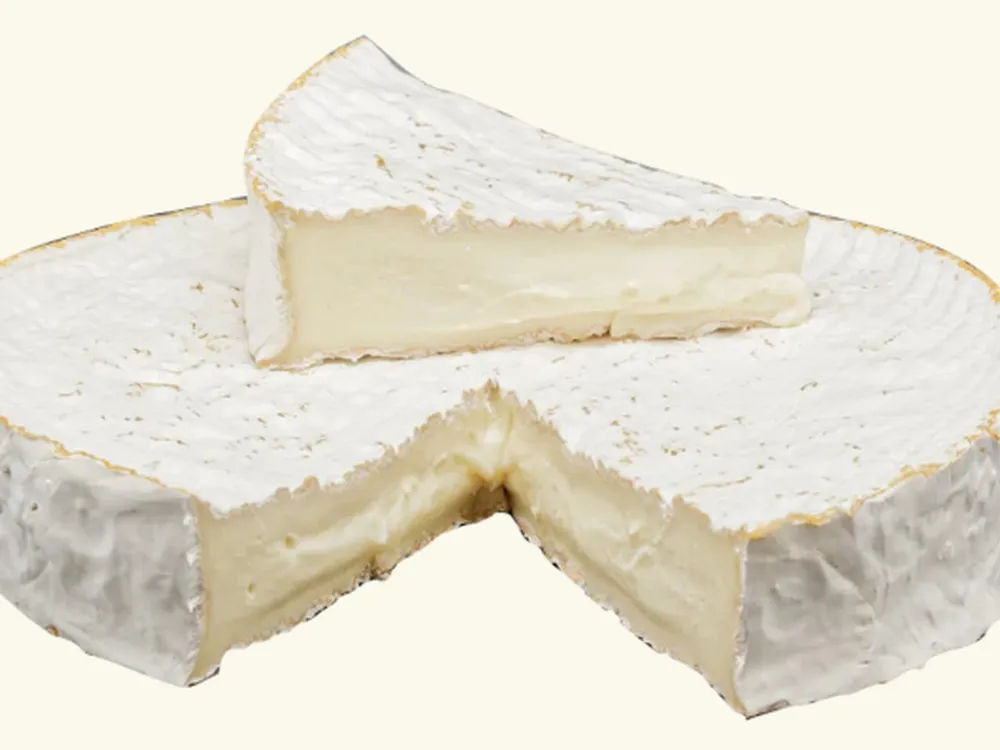
Brie cheese is a soft French cheese made from cow’s milk. It has a pale color, a creamy interior, and a white, edible rind. Brie is known for its rich, buttery taste and smooth texture. It contains about 60% fat and around 20% protein, depending on the specific brand and recipe. Brie is usually served at room temperature and is popular on cheese platters, sandwiches, and as a snack.
Compared to other cheeses, Brie is higher in fat and has a unique aging process. The cheese is ripened with specific molds, which help develop its flavor and texture. While the rind is safe for humans, it may not be ideal for dogs.
Can Dogs Eat Brie Cheese?
The short answer is: Dogs can eat Brie cheese, but only in very small amounts, and only on rare occasions. Brie is not toxic to dogs, but it has several qualities that make it a poor choice for regular snacks.
Why Brie Cheese Is Risky For Dogs
- High Fat Content: Brie is rich in fat. Dogs that eat high-fat foods can develop digestive problems like diarrhea and vomiting. In serious cases, too much fat can cause pancreatitis, a painful inflammation of the pancreas. This condition can be life-threatening if not treated quickly.
- Lactose Content: Like most dairy products, Brie contains lactose. Many adult dogs are lactose intolerant. This means their bodies cannot digest lactose properly, leading to stomach upset, gas, and loose stools.
- Salt Levels: Brie cheese also contains sodium (salt). While moderate for humans, dogs are more sensitive to salt, and too much can lead to dehydration or even sodium poisoning, especially in small breeds.
- Mold and Rind: The rind of Brie is made from edible mold. While safe for people, some dogs may react poorly to the mold, experiencing allergic reactions or stomach upset.
- Calories and Weight Gain: Brie is calorie-dense. Just a small cube can add a lot of calories to your dog’s diet, increasing the risk of obesity if given often.

Credit: articles.hepper.com
What Happens If Your Dog Eats Brie Cheese?
If your dog eats a small piece of Brie, they might be fine. However, watch for signs of digestive upset. Common symptoms include:
- Vomiting
- Diarrhea
- Gas
- Lethargy
- Loss of appetite
If your dog eats a large amount of Brie, especially with the rind, call your veterinarian. Symptoms of pancreatitis include severe vomiting, abdominal pain, and refusal to eat. Dogs with salt poisoning may drink excessively, act confused, or have seizures.
A single, tiny taste is usually not dangerous for a healthy adult dog. Puppies, senior dogs, or those with health problems are more at risk.
Nutritional Breakdown: Brie Cheese Vs. Dog Nutritional Needs
To understand why Brie is not ideal for dogs, it helps to look at the nutritional content.
| Nutrient | Brie Cheese (per 28g/1oz) | Dog Daily Needs (10kg adult dog) |
|---|---|---|
| Calories | 95 kcal | ~400 kcal |
| Fat | 8g | ~14g |
| Protein | 5g | ~18g |
| Sodium | 170mg | <100mg |
| Lactose | Varies, moderate | Not required |
A single ounce of Brie can use up more than half your small dog’s daily fat allowance and almost double the safe sodium level.
Comparing Brie Cheese With Other Cheeses For Dogs
Not all cheeses are the same. Here’s how Brie compares to other popular cheeses.
| Cheese Type | Fat (per 28g) | Sodium (per 28g) | Lactose Level | Dog Safety |
|---|---|---|---|---|
| Brie | 8g | 170mg | Moderate | Poor |
| Cottage Cheese | 2g | 400mg | Low | Better |
| Mozzarella | 6g | 175mg | Low | Average |
| Cheddar | 9g | 180mg | Low | Average |
| Parmesan | 7g | 450mg | Very low | Poor (very salty) |
Notice that cottage cheese has less fat and lactose, making it a safer treat in small amounts. Cheddar and mozzarella are also lower in lactose than Brie.
How Much Brie Cheese Is Safe For Dogs?
If you still want to give your dog a taste, keep the portion tiny—no more than the size of a pea for a small dog, and never more than a thumbnail-sized cube for a large dog. This amount should be a rare treat, not a regular snack.
- Small dogs (under 10kg): Less than 2g (tip of a finger)
- Medium dogs (10-20kg): Up to 4g (pea-sized piece)
- Large dogs (20kg+): Up to 8g (half a thumbnail)
Always remove the rind, as it can upset your dog’s stomach.
Never feed Brie cheese to dogs with a history of pancreatitis, obesity, or food allergies.
Potential Health Risks Of Brie Cheese For Dogs
1. Pancreatitis
Brie’s high fat content can trigger pancreatitis in dogs. This is a dangerous inflammation of the pancreas that causes vomiting, pain, and loss of appetite. Some breeds—like Miniature Schnauzers—are more prone to this condition.
2. Gastrointestinal Upset
Because Brie contains lactose and mold, some dogs may develop diarrhea, gas, or vomiting even from a small amount. These symptoms can be worse in puppies, senior dogs, or those with sensitive stomachs.
3. Salt Poisoning
Too much sodium can cause salt poisoning. Early signs are increased thirst and urination. In severe cases, it leads to tremors, confusion, or even seizures.
4. Mold Allergy Or Toxicity
The rind of Brie is made with Penicillium candidum mold. Most dogs can tolerate a tiny amount, but some may have allergic reactions like itching, swelling, or breathing problems. In rare cases, if Brie is old or improperly stored, it can grow harmful molds that are toxic to dogs.
5. Weight Gain And Obesity
Brie’s calorie density means extra weight can add up quickly. Overweight dogs are at higher risk for diabetes, joint problems, and other health issues.
When Is Brie Cheese Especially Dangerous?
Some dogs are at higher risk if they eat Brie cheese:
- Puppies: Their digestive systems are immature, so they handle rich foods poorly.
- Senior Dogs: Older dogs often have trouble digesting fats and lactose.
- Dogs with Allergies: Cheese can trigger allergic reactions in sensitive dogs.
- Overweight Dogs: Extra calories and fat can worsen obesity.
- Dogs with Pancreatitis History: Even a small amount of Brie can cause a flare-up.
- Dogs with Liver or Kidney Disease: High salt and fat are especially risky.
If your dog falls into any of these categories, avoid giving them Brie cheese entirely.
What To Do If Your Dog Eats Brie Cheese
If your dog eats a small amount of Brie, watch them for the next 24 hours. Most dogs will be fine, but monitor for:
- Vomiting
- Diarrhea
- Loss of appetite
- Lethargy
- Abdominal pain
If your dog eats a large amount, or shows any of the above symptoms, call your veterinarian immediately.
Important: If your dog ate Brie that was old, moldy, or had other ingredients (like garlic or onion), seek veterinary help right away.
Safe Alternatives To Brie Cheese For Dogs
If you want to share a cheesy treat with your dog, there are safer options:
- Cottage Cheese: Low in fat and lactose, easy to digest.
- Plain Mozzarella: Lower fat and salt than many cheeses.
- Low-Fat String Cheese: Good for training rewards in tiny pieces.
- Dog-Specific Cheese Treats: Designed for canine digestion.
Always give cheese in moderation, and remember that some dogs cannot tolerate any dairy.
Signs Your Dog Is Having A Bad Reaction
If your dog is sensitive to Brie cheese, you might see:
- Repeated vomiting or diarrhea
- Swelling around the face or mouth
- Red, itchy skin or hives
- Weakness or confusion
- Trouble breathing
These signs can happen fast—don’t wait to see if they improve. Contact your vet as soon as possible.
Can Dogs Eat Brie Cheese Rind?
The rind of Brie cheese is made from edible mold. While safe for people, it’s not recommended for dogs. The rind is harder to digest and may upset your dog’s stomach. In rare cases, it can cause allergic reactions or even toxicity if the cheese is old or contaminated.
Never intentionally feed the rind to your dog.
Brie Cheese And Common Dog Health Conditions
Let’s look at how Brie can impact certain health issues:
- Obesity: Brie adds unnecessary fat and calories.
- Diabetes: Cheese can interfere with blood sugar control.
- Food Allergies: Dairy is a common allergen.
- Kidney Disease: High salt strains the kidneys.
- Liver Disease: Extra fat makes the liver work harder.
If your dog has any of these problems, avoid Brie and consult your veterinarian about safe treats.
Hidden Dangers: Brie With Additives
Many Brie cheeses come with extra flavors, like herbs, garlic, pepper, or truffles. These added ingredients can be dangerous for dogs. Garlic and onions are toxic and can damage red blood cells. Pepper and spices irritate the stomach. Always check the label and never feed flavored Brie to your dog.
Human Foods Dogs Should Never Eat With Brie Cheese
Some owners mix Brie with other foods. The following foods are toxic and should never be given with cheese:
- Grapes or raisins
- Chocolate
- Onion or garlic
- Macadamia nuts
- Alcohol or coffee
Even a small amount of these foods can cause severe poisoning in dogs.
Why Dogs Like Cheese (and Why You Should Be Careful)
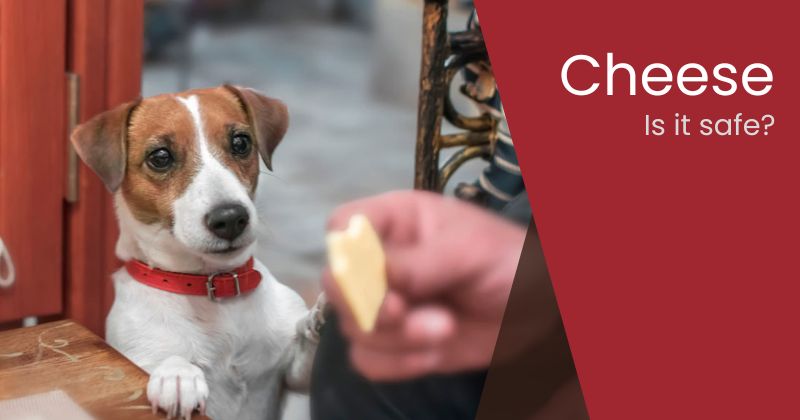
Dogs are attracted to the smell and taste of cheese. It’s rich, salty, and different from their normal food. However, their digestive systems are not built for high-fat, high-salt dairy products. That’s why cheese should always be a rare treat, not a regular part of their diet.
Credit: wellspringvet.net
How To Use Cheese Safely With Dogs
If you want to use cheese for training, choose a low-fat, low-salt variety and keep portions tiny. Some owners use cheese to hide pills for dogs that refuse medication. In these cases, ask your veterinarian for the safest cheese option for your dog’s health.
Real Stories: When Brie Cheese Harmed Dogs
Some dog owners share stories online about their pets getting sick from cheese. One example: a small terrier ate half a wheel of Brie left on a coffee table. The dog developed severe vomiting and was hospitalized for pancreatitis. Another case involved a Labrador who ate Brie with garlic—he needed emergency treatment for poisoning.
These stories show that even “safe” foods can be dangerous in large amounts or with the wrong ingredients.
Tips For Preventing Accidental Brie Cheese Ingestion
- Store cheese out of your dog’s reach, especially during parties.
- Remind guests not to feed your dog table scraps.
- Clean up cheese platters quickly after use.
- Teach your dog the “leave it” command for dropped food.
These simple steps can prevent a veterinary emergency.
The Science Behind Dogs And Dairy
Dogs have less lactase enzyme than humans, especially as they age. This means they can’t break down lactose in dairy well. While puppies can handle their mother’s milk, most adult dogs lose this ability. That’s why dairy—including Brie cheese—can cause stomach upset.
Some dogs are more tolerant than others, but there’s no way to know until a problem happens.
Debunking Myths About Dogs And Cheese
You might hear that “all cheese is good for dogs” because it contains calcium and protein. While cheese does have these nutrients, the risks outweigh the benefits for most dogs. Dogs get all the calcium and protein they need from a balanced dog food.
Cheese should never replace regular food.
Another myth: “A little cheese won’t hurt.” For some dogs, even a small amount can cause trouble, especially if they have underlying health problems.
When To Call The Vet
Contact your veterinarian if:
- Your dog ate a large amount of Brie.
- Your dog has vomiting, diarrhea, or seems in pain.
- Your dog is very young, old, or has health issues.
- The Brie contained other risky ingredients.
It’s always better to be safe than sorry. Quick action can prevent bigger problems.
Credit: www.cheese.com
Summary: Should Dogs Eat Brie Cheese?
Brie cheese is not toxic to dogs, but it’s also not a healthy choice. The high fat, salt, and lactose content make it risky, especially for certain dogs. If you want to give your dog a special treat, choose a safer cheese like cottage cheese or plain mozzarella, and keep portions small.
Remember: what’s safe for humans is not always safe for dogs. Good intentions can lead to accidental harm. Always check with your vet before adding new foods to your dog’s diet.
For more information on pet nutrition and safe foods, see the ASPCA’s list of foods to avoid.
Frequently Asked Questions
Is Brie Cheese Toxic To Dogs?
Brie cheese is not technically toxic, but it is high in fat, salt, and lactose. These can cause health problems for dogs, especially if eaten in large amounts. The rind may also upset your dog’s stomach.
Can Puppies Have Brie Cheese?
No, puppies should not eat Brie cheese. Their digestive systems are sensitive, and the high fat and lactose content can cause diarrhea or vomiting. Stick to puppy-safe treats recommended by your veterinarian.
What Should I Do If My Dog Ate A Lot Of Brie Cheese?
Monitor your dog for signs like vomiting, diarrhea, or lethargy. If symptoms appear, or if your dog ate a very large amount, contact your veterinarian right away. Dogs with previous health issues are at higher risk for complications.
Are There Any Cheeses That Are Safe For Dogs?
Yes, cottage cheese and plain mozzarella are lower in fat and lactose, making them safer in small amounts. Always check for added ingredients, and never use cheese as a main part of your dog’s diet.
Can Dogs Eat Brie Cheese With The Rind?
No, the rind is not recommended for dogs. It can be hard to digest and may cause stomach upset or allergic reactions. Always remove the rind if you give your dog a tiny taste of Brie.
—
Sharing food with your dog is a way to show love, but safety comes first. By understanding the risks of Brie cheese and choosing better alternatives, you can keep your dog happy and healthy for years to come.