Can Dogs Have Smoked Gouda Cheese?
When your dog gives you those big, hopeful eyes as you enjoy a piece of smoked Gouda, it’s only natural to wonder if sharing a little bite is safe. Cheese is a favorite treat for many dogs, but not all cheeses are created equal.
Smoked Gouda has a special flavor and texture, but is it actually good for your furry friend? Understanding what goes into this cheese, how dogs process dairy, and the possible effects on their health is important before you decide to let your pet have even a small taste.
Dogs and cheese have a complicated relationship. While many dogs love cheese, not every cheese is safe for them. Smoked Gouda is a popular cheese among people for its creamy texture and smoky flavor, but it also contains ingredients and additives that could be harmful to dogs.
This article explores everything you need to know about smoked Gouda and dogs. You’ll learn what smoked Gouda is made of, how it affects a dog’s digestive system, the risks and benefits, and what alternatives you can offer. By the end, you’ll know exactly when it’s safe to share, when to avoid, and how to keep your dog happy and healthy.
What Is Smoked Gouda Cheese?
Smoked Gouda is a type of semi-hard cheese that originates from the Netherlands. It’s made from cow’s milk and is known for its creamy texture and rich, smoky flavor. This cheese gets its unique taste from being smoked over wood chips, often hickory or oak, after the cheese-making process is complete.
The traditional Gouda cheese is already rich in fat and protein, but the smoking process adds another layer of complexity. Smoked Gouda usually has a golden brown rind, a pale yellow interior, and a slightly elastic texture. The flavor is typically mild, nutty, and buttery, but the smoke adds a deeper, more savory note.
Gouda cheese comes in many forms, but smoked varieties are especially popular in sandwiches, cheese platters, and as a snack. It’s often sliced or shredded and used in cooking as well. Smoked Gouda is widely available in supermarkets and specialty cheese shops.
Main Ingredients In Smoked Gouda
Most smoked Gouda recipes use a combination of these ingredients:
- Pasteurized cow’s milk
- Salt
- Rennet (an enzyme used in cheese making)
- Cultures (bacteria that help ferment the milk)
- Smoke flavor or actual wood smoke
Some commercial brands may add preservatives or artificial smoke flavoring. It’s important to check the label, especially if you plan to share with your dog.
Nutritional Facts
Here’s a quick look at the average nutritional content of smoked Gouda cheese per 1-ounce (28g) serving:
| Nutrient | Amount per 28g |
|---|---|
| Calories | 110 |
| Protein | 7g |
| Total Fat | 9g |
| Saturated Fat | 6g |
| Sodium | 210mg |
| Carbohydrates | 0g |
| Calcium | 20% DV |
How Dogs Digest Cheese
While dogs are omnivores and can eat a variety of foods, their digestive systems are different from humans. Cheese, including smoked Gouda, contains lactose—a sugar found in milk. Many adult dogs are lactose intolerant, which means they lack enough lactase, the enzyme needed to break down lactose.
When dogs eat cheese, some can digest it without any problems, while others may experience digestive upset. The symptoms can include:
- Diarrhea
- Gas
- Bloating
- Vomiting
Younger dogs and puppies are more likely to tolerate lactose because they naturally produce more lactase. As dogs age, their lactase production usually drops, increasing the chance of lactose intolerance.
Fat And Sodium
Cheese is also high in fat and sodium. Dogs do need some fat in their diets for energy, but too much fat can lead to obesity and pancreatitis, a painful inflammation of the pancreas. High sodium can stress a dog’s kidneys and contribute to high blood pressure.
Protein
The protein in cheese is generally good for dogs, but it should not replace the high-quality animal proteins found in their regular dog food.

Credit: www.gourmetdash.com
Is Smoked Gouda Cheese Safe For Dogs?
When it comes to sharing smoked Gouda with your dog, the answer isn’t a simple yes or no. Several factors affect whether it’s safe.
The Good
- Small amounts of plain cheese are usually safe for most dogs.
- Cheese can be used as a high-value treat for training.
- It contains calcium and protein.
The Bad
- Smoked Gouda is high in fat and sodium.
- It often contains smoke flavoring or preservatives that are not good for dogs.
- The smoking process can add compounds that may upset sensitive stomachs.
The Risky
- Dogs with lactose intolerance or sensitive stomachs are more likely to react badly.
- Overweight dogs, or those with kidney or pancreas problems, should avoid high-fat cheeses.
- Some smoked Gouda may contain onion or garlic powder, which are toxic to dogs.
Ingredients In Smoked Gouda: Which Are Safe, Which Are Not?
A closer look at smoked Gouda’s ingredients reveals some potential concerns for dogs.
Safe Ingredients
- Pasteurized milk: Usually safe in small amounts.
- Salt: Safe in very low quantities, but Gouda has more than most dogs need.
- Rennet and cultures: Generally safe, but not beneficial.
Questionable Or Unsafe Ingredients
- Smoke flavor: Artificial smoke flavor can be irritating to a dog’s stomach and isn’t recommended.
- Preservatives: Some, like nitrates or nitrites, are not safe for dogs.
- Seasonings: Some smoked Gouda varieties add garlic or onion powder, both of which are highly toxic to dogs.
Hidden Risks
Always check the label before sharing cheese with your dog. Some brands add extra herbs, spices, or flavorings that could cause illness. If you don’t know every ingredient, it’s safer not to share.
Potential Health Risks Of Smoked Gouda For Dogs
Feeding your dog smoked Gouda can lead to several health issues, especially if given often or in large amounts.
1. Obesity
Smoked Gouda is energy-dense. Just a few extra bites a day can add up quickly, leading to weight gain. Obese dogs are at higher risk for diabetes, arthritis, and heart disease.
2. Pancreatitis
Cheeses high in fat, like smoked Gouda, can trigger pancreatitis in dogs. This condition is painful and potentially life-threatening. Symptoms include vomiting, belly pain, loss of appetite, and lethargy.
3. Salt Toxicity
Excess sodium can cause dehydration, increased thirst, and even salt poisoning in extreme cases. Dogs are more sensitive to salt than humans.
4. Gastrointestinal Upset
Many dogs will get diarrhea or vomiting if they eat cheese, especially if they are lactose intolerant or have a sensitive digestive tract.
5. Long-term Health Problems
Feeding high-fat, high-sodium foods over time can contribute to chronic kidney disease, hypertension, and heart problems in dogs.
Benefits Of Cheese For Dogs (when Given Correctly)
Despite the risks, cheese can have some benefits if used wisely and in moderation.
- Training tool: Small pieces of cheese can be a powerful motivator during training.
- Medication helper: Cheese can hide pills, making it easier to give medicine.
- Calcium source: Cheese contains calcium, which is good for bones and teeth.
- Protein boost: Cheese adds extra protein to a dog’s diet.
However, these benefits apply to plain, low-fat cheeses given in tiny amounts, not smoked Gouda specifically.
When Is It Okay To Give Dogs Smoked Gouda?
If your dog is healthy, not overweight, and has no history of digestive issues, a tiny piece of smoked Gouda once in a while probably won’t harm them. This means:
- Less than 1/2 inch cube for small dogs
- Less than 1-inch cube for medium or large dogs
Never give smoked Gouda to dogs:
- With allergies to dairy or known lactose intolerance
- Who are overweight or have a history of pancreatitis
- With kidney or heart disease
Always watch for any signs of digestive upset after giving cheese for the first time.
How Much Smoked Gouda Is Too Much?
Even if your dog seems fine with cheese, moderation is key. Here’s a look at the recommended “maximum” amount based on size:
| Dog Size | Max Smoked Gouda (per week) |
|---|---|
| Small (under 20 lbs) | Up to 1/2 ounce (14g) |
| Medium (20-50 lbs) | Up to 1 ounce (28g) |
| Large (over 50 lbs) | Up to 2 ounces (56g) |
This is a total for the whole week, not per day. Any more is likely to cause problems over time.
Signs Your Dog Has Eaten Too Much Cheese
If your dog sneaks a large amount of smoked Gouda, watch for:
- Vomiting or diarrhea
- Extreme thirst or urination
- Lethargy or weakness
- Loss of appetite
- Belly pain or bloating
If you notice these signs, contact your veterinarian right away.
Smoked Gouda Vs. Other Cheeses For Dogs
Not all cheeses are equal when it comes to dog safety. Here’s a comparison of smoked Gouda to other popular cheeses:
| Cheese Type | Lactose Level | Fat Content | Sodium Content | Dog Safety |
|---|---|---|---|---|
| Smoked Gouda | Low-Moderate | High | High | Risky |
| Cheddar | Low | Moderate | Moderate | Moderate Risk |
| Mozzarella (part-skim) | Moderate | Low | Low | Safer |
| Cottage Cheese (low-fat) | Low | Low | Low | Safest |
| Blue Cheese | High | High | High | Dangerous (toxic mold) |
Low-fat cottage cheese and part-skim mozzarella are much safer options for dogs than smoked Gouda.
Healthier Cheese Alternatives For Dogs
If you want to give your dog cheese as a treat, consider these safer options:
- Low-fat cottage cheese – Low in fat and sodium, easy to digest.
- Plain mozzarella (part-skim) – Lower in fat and salt.
- Ricotta cheese – Mild, lower in sodium, but give in small amounts.
- Swiss cheese – Low in lactose, but still high in fat, so use sparingly.
Avoid blue cheese, Roquefort, and any cheese with herbs, spices, or mold.
Non-dairy Treat Options
If your dog is sensitive to cheese or you want a healthier alternative, try these:
- Cooked lean meats (chicken, turkey, beef)
- Small pieces of apple or carrot
- Unsalted rice cakes
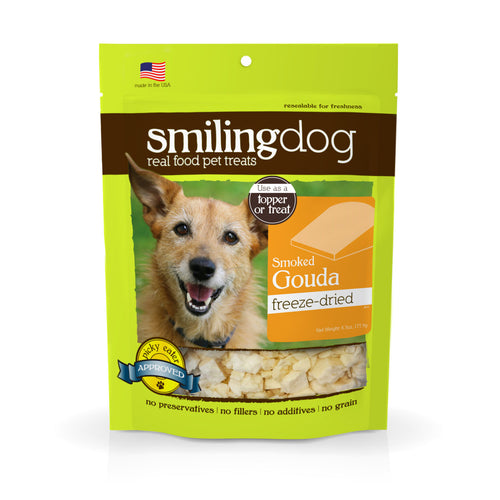
- Commercial dog treats with limited ingredients
These treats avoid the risks of dairy and provide nutrition with less chance of upset.
Credit: agrifeedpetsupply.com
When To Call The Vet
If your dog eats a large amount of smoked Gouda or shows any strange symptoms, call your veterinarian. Dogs with allergies, pancreatitis, or chronic diseases are most at risk.
Even if symptoms seem mild, it’s better to be safe. Vomiting, diarrhea, or lethargy after eating cheese should always be taken seriously.
Practical Tips For Dog Owners
- Always read the ingredient label before sharing any cheese.
- Start with a tiny piece and watch for reactions.
- Use cheese only as a special treat, not a regular snack.
- Keep cheese out of reach to avoid accidental overeating.
- Use healthier cheese alternatives or non-dairy treats for regular rewards.
Common Myths About Dogs And Cheese
Many dog owners believe cheese is safe for all dogs because it’s often used in training. But the truth is, not all cheeses are equal, and not all dogs can handle dairy. Common myths include:
- “A little cheese is always fine.” – Not true for dogs with allergies or health issues.
- “Cheese helps with digestion.” – For lactose-intolerant dogs, it causes stomach upset.
- “Dogs can eat any cheese humans eat.” – Some cheeses (like blue cheese or those with garlic) are toxic.
Real-world Examples
Consider the case of Max, a 35-pound beagle who loved cheese. His owner often gave him pieces of smoked Gouda as a reward. Over a few months, Max gained weight and started having bouts of diarrhea. A vet visit revealed mild pancreatitis, likely triggered by the high fat and sodium in smoked Gouda.
When Max switched to small pieces of low-fat cottage cheese, his symptoms improved.
Another example is Bella, a small terrier who snuck a wedge of smoked Gouda from the kitchen counter. She vomited several times, became lethargic, and needed a vet trip. Bella recovered, but her story is a reminder of the risks of leaving cheese within reach.
These real cases show that even a favorite treat can be harmful if not managed carefully.
Two Non-obvious Insights For Dog Owners
- Smoked flavor isn’t just about taste. Many smoked cheeses are flavored with artificial smoke, which can irritate your dog’s digestive system even if the cheese itself seems plain. Some dogs react to these additives more than to lactose or fat.
- Repeated small amounts add up. It’s easy to think that tiny pieces won’t hurt, but even small treats can add hundreds of extra calories over a month, especially for small dogs. Over time, this increases the risk of obesity and related diseases—even if your dog never reacts badly to a single treat.
Final Thoughts: Should You Give Your Dog Smoked Gouda?
Smoked Gouda cheese is a delicious snack for people, but it’s not a healthy or safe option for most dogs. While a tiny bite on a rare occasion is unlikely to harm a healthy, medium-to-large dog, the risks outweigh the benefits.
The high fat, salt, and additives in smoked Gouda can lead to digestive upset and more serious health problems if fed often or in large quantities.
If you want to share cheese with your dog, stick to low-fat, low-sodium varieties in very small amounts. Always check the label for hidden ingredients, and watch for any signs of intolerance. There are many other treats—both dairy and non-dairy—that are safer and just as rewarding for your pet.
As with any human food, moderation, careful observation, and a focus on your dog’s long-term health are the keys to responsible treat-giving.
For more details on what dogs can and cannot eat, check reliable resources like the ASPCA’s guide to people foods for pets.

Credit: www.gourmetfoodstore.com
Frequently Asked Questions
Can Dogs Eat Smoked Gouda Cheese At All?
A very small amount of plain smoked Gouda cheese is unlikely to harm a healthy dog. However, because it’s high in fat, sodium, and sometimes contains additives or flavorings, it’s not recommended as a regular treat. Always check the label and give only tiny pieces, if at all.
What Happens If My Dog Eats A Lot Of Smoked Gouda Cheese?
If your dog eats a large amount, watch for vomiting, diarrhea, belly pain, or unusual tiredness. These can be signs of fat or salt overload, or even pancreatitis. Contact your vet if you see any symptoms or if your dog ate a large piece.
Are There Any Cheeses That Are Safe For Dogs?
Some cheeses are safer than others. Low-fat cottage cheese, plain mozzarella, and small amounts of Swiss cheese are generally safer choices because they are lower in fat, salt, and lactose. Avoid blue cheese, Roquefort, and any cheese with herbs, spices, or mold.
Is Smoked Gouda Cheese Toxic To Dogs?
Smoked Gouda is not usually toxic, but it can be harmful due to its fat, salt, and possible additives. Some smoked Gouda contains garlic or onion powder, which are toxic. Always check ingredients to make sure there are no dangerous seasonings.
How Can I Safely Use Cheese As A Treat For My Dog?
Use only small pieces of plain, low-fat cheese as an occasional treat. Avoid cheese with added flavors or high fat and salt levels. Always watch for any digestive upset, and keep treats to less than 10% of your dog’s daily calories.
Sharing food with your dog can be a special moment, but always put their health first. With the right choices, you can keep your best friend happy and safe.