Many dog owners love to share their snacks with their furry friends. Yogurt with fruit is a popular food for people, but is it safe for dogs? The answer is not simple. Some types of yogurt and fruit are safe in small amounts, while others can be harmful.
Knowing the facts will help you make the best choice for your dog’s health.
Yogurt contains calcium, protein, and probiotics that can be good for digestion. Fruit offers vitamins and natural sweetness. But not all dogs can eat dairy, and some fruits are toxic for pets. There are also hidden risks in store-bought yogurt with fruit, like added sugar, artificial flavors, or xylitol, which is dangerous for dogs.
Let’s look at when and how dogs can eat yogurt with fruit, what to avoid, safe serving ideas, and common mistakes. This way, you can safely treat your dog without risking their health.
Is Yogurt Safe For Dogs?
Yogurt can be safe for dogs, but not all types are equal. Plain, unsweetened yogurt is usually the best choice. It provides probiotics that help gut health, and it’s a good source of calcium and protein. However, many dogs are lactose intolerant. This means their stomachs cannot digest lactose, a sugar in milk and dairy products. If your dog eats too much dairy, they might get diarrhea, gas, or an upset stomach.
Choosing The Right Yogurt
When picking yogurt for your dog, check these things:
- No added sugar: Extra sugar can cause weight gain or diabetes.
- No artificial sweeteners: Especially avoid yogurt with xylitol, which is deadly for dogs, even in small amounts.
- Low-fat or non-fat: Too much fat can cause stomach upset or, in rare cases, pancreatitis.
- No flavorings or additives: Stick to plain yogurt. Fruit-flavored yogurts often have added sugar or chemicals.
Yogurt with live or active cultures is best. These probiotics can help your dog’s digestion.
How Much Yogurt Is Safe?
For most medium-sized dogs, one or two tablespoons a few times a week is safe. Small dogs should have less. Start with a small amount to see how your dog reacts. Watch for signs of digestive upset like vomiting, diarrhea, or gas.
What About The Fruit?
Many fruits are safe for dogs in moderation, but some are dangerous. The type of fruit in the yogurt matters a lot.
Safe Fruits For Dogs
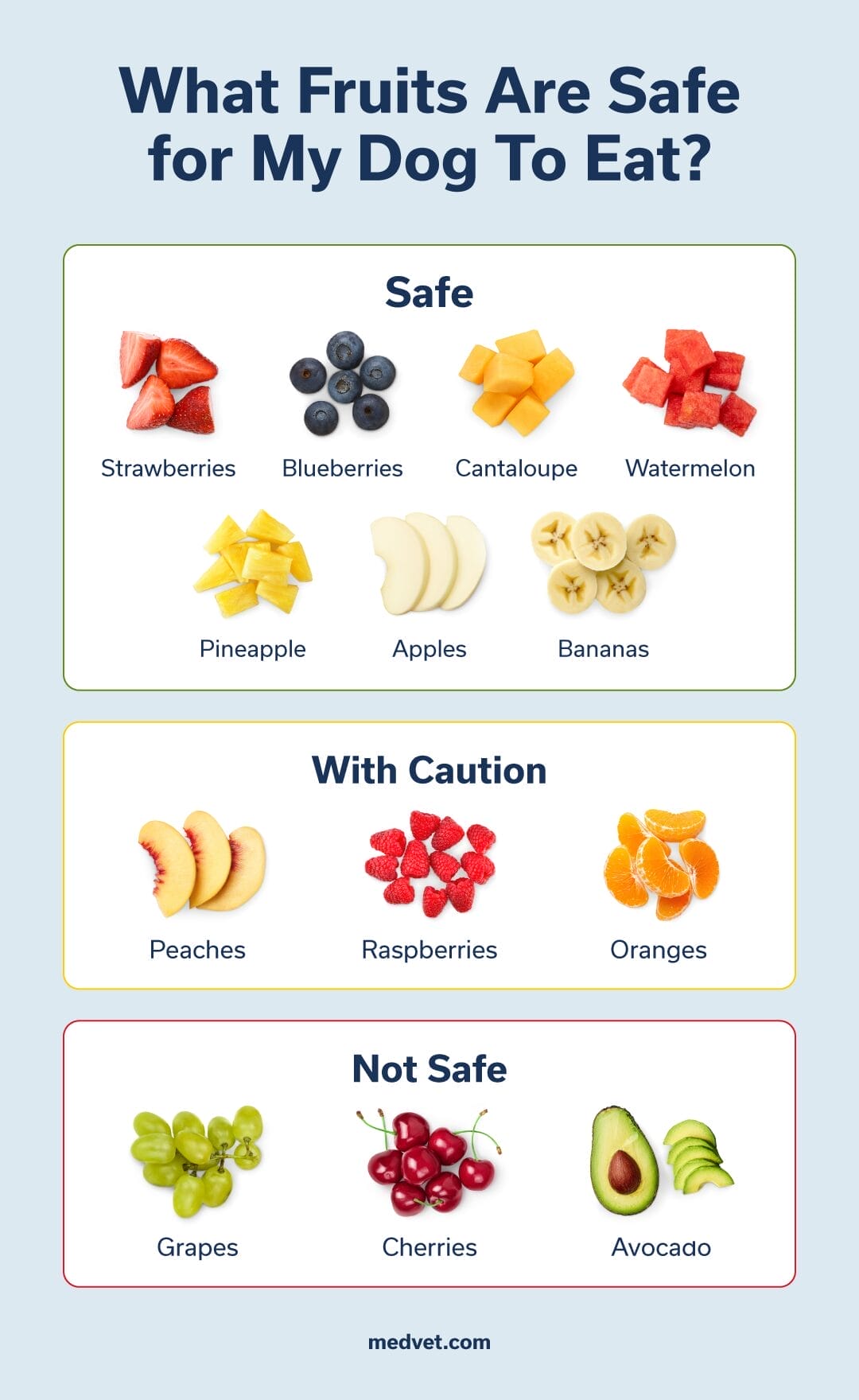
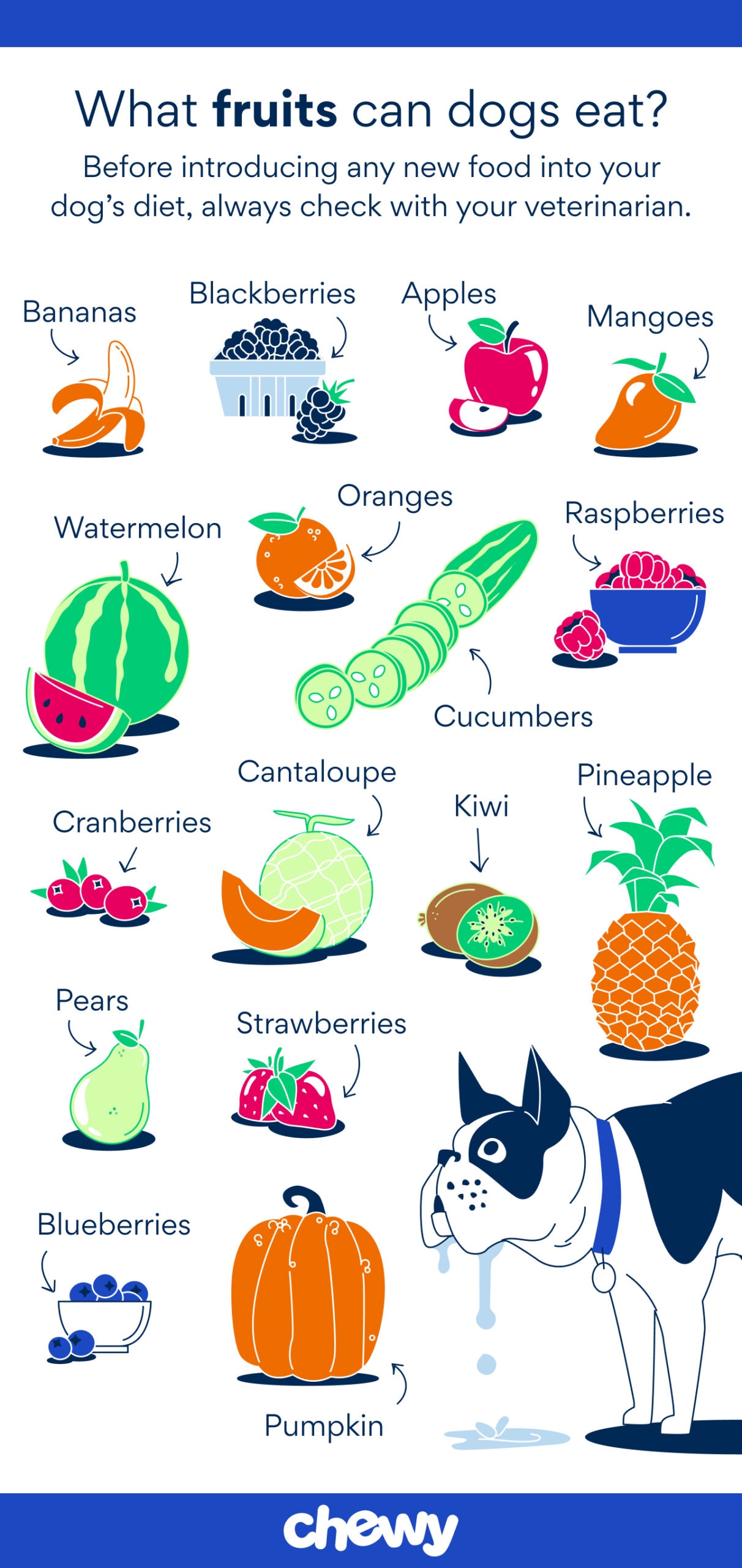
Dogs can safely eat these fruits, either fresh or mixed in plain yogurt:
- Blueberries
- Strawberries
- Bananas
- Apples (without seeds)
- Watermelon (no rind or seeds)
- Pineapple
- Mango (no pit)
- Pears (no seeds or core)
These fruits are high in fiber, vitamins, and antioxidants. They are also low in calories and sugar compared to processed treats.
Fruits To Avoid
Some fruits are toxic to dogs and should never be given, even in yogurt:
- Grapes and raisins: Can cause kidney failure.
- Cherries: Pits contain cyanide, which is poisonous.
- Avocado: Contains persin, which is unsafe for dogs.
- Citrus fruits: Oranges, lemons, limes can upset your dog’s stomach.
Always remove any seeds, pits, or hard parts. Even safe fruits can be choking hazards or cause blockages.
Risks In Store-bought Yogurt With Fruit
Most yogurt with fruit sold in stores is designed for people, not pets. These products often have:
- Added sugars: Too much sugar is bad for dogs’ teeth and health.
- Artificial sweeteners: Xylitol is extremely dangerous and often found in “sugar-free” products.
- Preservatives and colors: Chemicals your dog doesn’t need.
- Fruit syrup or jelly: High in sugar and sometimes contains harmful ingredients.
To show the difference, here’s a simple comparison of plain yogurt vs. fruit yogurt for dogs:
| Feature | Plain Yogurt | Fruit Yogurt (Store-bought) |
|---|---|---|
| Sugar Content | Low | High |
| Artificial Sweeteners | None | Possible |
| Probiotics | High (if live cultures) | Varies |
| Additives | None | Common |
| Dog Safety | Generally Safe | Often Unsafe |
If you want to treat your dog, use plain yogurt and add safe fruit yourself.
How To Feed Yogurt With Fruit To Dogs
If you want to give your dog yogurt with fruit, it’s best to make it at home. This way, you control the ingredients and avoid harmful additives.
Simple Steps
- Pick plain, low-fat yogurt with live cultures.
- Choose a safe fruit from the list above. Wash it well, remove seeds and core/pit.
- Chop fruit into small pieces to prevent choking.
- Mix a small amount (1–2 tablespoons yogurt with a few fruit pieces) and serve as a treat.
How Often?
Offer this treat once or twice a week, not every day. Even healthy treats can lead to weight gain if given too often.
Creative Ways To Serve
- Frozen treats: Mix yogurt and fruit, freeze in an ice cube tray.
- Stuff in a Kong toy: Keeps your dog busy and cool.
- On top of regular food: As a small topping, not a full meal.
Dogs have different tastes. Some love yogurt, while others don’t care for it. Never force your dog to eat something new.

Credit: www.biggerbolderbaking.com
Common Mistakes To Avoid
Many people think all “human food” is okay for dogs in small amounts. But small mistakes can be dangerous.
Giving Too Much
Even safe foods can cause problems if given in large amounts. Too much dairy can lead to digestive upset. Too much fruit adds sugar and calories.
Not Checking Ingredients
Always read the label. Xylitol, added sugar, and artificial flavors can be hidden in yogurt, especially in “diet” or “light” versions.
Forgetting About Allergies
Some dogs are allergic to dairy or certain fruits. Signs include itchy skin, vomiting, or diarrhea. If you notice these symptoms after trying yogurt with fruit, stop right away.
Not Considering Dog Size
A large dog can handle a bigger treat than a small dog. Adjust the portion to your pet’s weight.
Health Benefits Of Yogurt With Fruit For Dogs
When given correctly, yogurt with fruit can offer some health benefits:
- Probiotics: Support healthy gut and digestion.
- Calcium and protein: Good for bones and muscles.
- Vitamins from fruit: Boost immune system and skin health.
- Low-calorie treats: Healthier than fatty or sugary snacks.
But treats should never make up more than 10% of your dog’s daily calories. The main diet should always be balanced dog food.
When To Avoid Yogurt With Fruit
Some dogs should not eat yogurt or fruit at all:
- Dogs with dairy allergies or lactose intolerance
- Dogs with pancreatitis (need a low-fat diet)
- Dogs with diabetes (need to limit sugar, even natural sugar from fruit)
- Overweight dogs (extra treats add calories)
If your dog has any health problems, ask your vet before giving new foods.
Non-obvious Insights Most Dog Owners Miss
Even experienced dog lovers can overlook some important details.
- Check for hidden xylitol: Some yogurts and fruit cups use xylitol as a sweetener, even if not labeled as “sugar-free.” It can be deadly to dogs, so always double-check ingredients.
- Probiotic strains matter: Not all probiotics in yogurt are equally helpful for dogs. Look for yogurt with “live and active cultures,” but don’t expect it to solve serious digestive problems. For major gut health issues, talk to your vet about special dog probiotics.
- Fruit size and texture: Some fruits, like apple or pear, can be choking hazards for small dogs if not cut finely enough. Always chop fruit well and start with a tiny amount.
Credit: veterinavitkovice.cz
Safer Alternatives To Yogurt With Fruit
If your dog can’t handle dairy, there are other options:
- Dog-safe “yogurt” snacks: Some brands make lactose-free yogurt treats for dogs.
- Frozen banana slices: A cool, sweet snack without dairy.
- Pumpkin puree: Good for digestion, and dogs love the taste.
Here’s a comparison of common snack options for dogs:
| Snack | Dairy | Added Sugar | Dog Safety |
|---|---|---|---|
| Plain Yogurt with Blueberries | Yes | No | Safe for Most Dogs |
| Store-bought Fruit Yogurt | Yes | Usually Yes | Often Unsafe |
| Lactose-Free Dog Yogurt | No/Low | No | Safe |
| Banana Slices | No | No | Safe |
Signs Of Trouble: What To Watch For
After giving your dog yogurt with fruit, monitor for any negative reactions. Common signs of problems include:
- Vomiting
- Diarrhea
- Excess gas or bloating
- Itchy skin or hives
- Lethargy
If you see any of these, stop giving the treat and contact your vet if it doesn’t improve quickly.
Tips For Introducing New Foods
Dogs have sensitive stomachs. When trying yogurt with fruit for the first time:
- Start with a tiny amount (half a teaspoon).
- Wait 24 hours and watch for any reaction.
- If no problems, you can offer a slightly larger portion next time.
- Only add one new food at a time. This makes it easier to spot allergies or intolerance.
Patience is important. Some dogs need time to adjust to new tastes or textures.
Real-world Example
A dog owner wanted to give her Labrador a cool treat in summer. She mixed plain Greek yogurt with a few slices of fresh strawberry and froze it in ice cube trays. Her dog loved the snack, and she had no digestive problems.
She avoided store-bought fruit yogurt because it had too much sugar and artificial flavors.
This approach is safe, affordable, and lets you control what your dog eats.
Veterinary Opinions And Research
Most veterinarians agree that plain, unsweetened yogurt can be a healthy treat for many dogs. However, they warn against sweetened or flavored yogurts. According to the American Kennel Club, “yogurt is not toxic to dogs, but many can’t digest it well.” They also caution that xylitol is a serious risk in some yogurts. For more details, you can check this AKC guide on yogurt for dogs.
Frequently Asked Questions
Can All Dogs Eat Yogurt With Fruit?
No, not all dogs can handle yogurt or fruit. Dogs with lactose intolerance, dairy allergies, diabetes, or pancreatitis should not eat yogurt with fruit. Always start with a small amount and watch for any reaction.
Is Greek Yogurt Better Than Regular Yogurt For Dogs?
Greek yogurt has more protein and less sugar than regular yogurt. It’s usually thicker and may be easier to digest for some dogs. Always choose plain, unsweetened Greek yogurt.
What Fruits Are Most Dangerous To Dogs?
Grapes, raisins, cherries, and avocado are toxic for dogs. Avoid any fruit with seeds, pits, or rinds. Always check if a fruit is safe before giving it to your dog.
How Much Yogurt With Fruit Is Safe For My Dog?
Start with 1–2 teaspoons for small dogs or 1–2 tablespoons for medium to large dogs. Limit to once or twice a week. Treats should not make up more than 10% of your dog’s daily food.
What Should I Do If My Dog Eats Yogurt With Xylitol?
Xylitol is very dangerous for dogs. If your dog eats yogurt with xylitol, call your vet or an emergency animal clinic right away. Symptoms can appear in minutes and include vomiting, weakness, or seizures.
Giving your dog yogurt with fruit can be a fun and healthy treat if done carefully. Always choose safe ingredients, use small amounts, and watch for any problems. When in doubt, ask your vet to make sure you’re doing what’s best for your furry friend.
Credit: www.chewy.com