You might be wondering if it’s okay to feed your dog cat food when you run out of their regular meals. After all, both are pets, so how different can their food really be?
Before you give in and share your cat’s food with your dog, it’s important to know what could happen. Your dog’s health and happiness depend on the right diet, and even small mistakes can cause big problems. Keep reading to find out if cat food is safe for your dog, what risks to watch out for, and what you should do instead.
This could save your furry friend from discomfort or worse.
Credit: animals.howstuffworks.com
Differences Between Dog And Cat Food
Many pet owners wonder, Can I feed my dog cat food? The answer lies in understanding the differences between dog and cat food. Dogs and cats have distinct dietary needs shaped by their biology. Feeding pets properly requires knowing these differences to keep both animals healthy and safe. This section explains the key animal nutrition differences and why each species needs food made just for them.
Nutritional Needs Of Dogs
Dogs are omnivores with canine dietary requirements that differ from cats. Their bodies can digest both plant and animal ingredients. Dog nutrition focuses on balanced nutrients to support energy, growth, and overall health.
- Dogs require moderate protein levels, usually around 18-25% in their food.
- They need carbohydrates from grains, vegetables, or fruits for energy.
- Fats are important for healthy skin, coat, and brain function.
- Essential vitamins and minerals help maintain strong bones and immune health.
Here is a quick comparison of typical dog food components:
| Component | Typical Percentage in Dog Food |
|---|---|
| Protein | 18-25% |
| Fat | 8-15% |
| Carbohydrates | 30-50% |
Canine dietary requirements also include fiber for digestion and water for hydration. Feeding dogs food designed for them avoids dog health risks linked to improper nutrition.
Nutritional Needs Of Cats
Cats are obligate carnivores with specific feline protein needs. Their bodies depend heavily on animal protein and certain nutrients only found in meat. Cat food ingredients reflect this, making it different from dog food.
- Cats need a high protein content, usually 30-45% or more.
- Taurine, an amino acid, is essential for heart and eye health.
- Vitamin A and arachidonic acid must come from animal sources.
- Fat is a key energy source, often higher than in dog food.
The following table shows common cat food components:
| Component | Typical Percentage in Cat Food |
|---|---|
| Protein | 30-45% |
| Fat | 15-25% |
| Carbohydrates | 5-15% |
These pet diet guidelines highlight why feeding cats dog food or dogs cat food can cause problems. Cat food for dogs is not ideal and can lead to dog health risks because of excess protein and fat. Understanding these differences helps owners choose the right food for their pets.
Credit: kdfoundation.org
Potential Risks Of Feeding Cats Food To Dogs
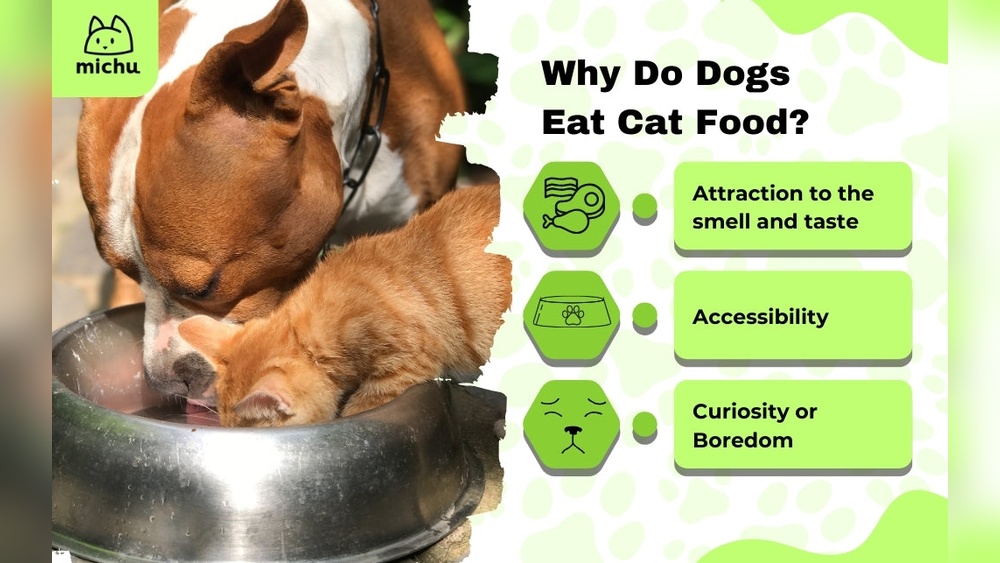
Feeding your dog cat food might seem harmless at first. Both dogs and cats eat meat, and cat food often smells tastier to dogs. But the potential risks of feeding cats food to dogs are significant. Cat food is made to meet the unique nutrient requirements for cats, which differ from those of dogs. Giving dogs cat food regularly can disrupt their canine diet and cause problems. Understanding these risks helps keep your pet safe and healthy.
Nutrient Imbalances
Cat food has a different formula than dog food. It contains higher levels of protein, fat, and certain vitamins. Dogs have animal dietary needs that require a balanced mix of nutrients. Feeding cat food to dogs can cause nutrient imbalances because the food is not designed for them.
Here are some key differences in nutrient content:
| Nutrient | Cat Food | Dog Food | Effect on Dogs |
|---|---|---|---|
| Protein Content In Pet Food | High (30-45%) | Moderate (18-25%) | Too much protein stresses kidneys |
| Fat Content | High | Moderate | Can cause weight gain and upset stomach |
| Taurine | Added | Not needed | Excess taurine not harmful but unnecessary |
| Vitamin A | Preformed (high) | Beta-carotene (lower) | Too much vitamin A may cause toxicity |
Imbalanced nutrition can lead to poor growth, lethargy, and organ strain. Dogs need food tailored for their metabolism and activity. Using cat food too often disrupts dog nutrition and overall health.
Digestive Issues
Dogs have a different digestive system than cats. Cat food is rich in fat and protein, making it harder for dogs to digest. This can lead to common digestive health in dogs problems, such as:
- Vomiting
- Diarrhea
- Gas and bloating
- Stomach discomfort
Feeding cat food in small amounts might cause mild issues. Large or regular feedings increase the risk of severe upset. The high fat content can also cause food toxicity in pets like pancreatitis, a serious inflammation of the pancreas.
Dogs may refuse their regular food after tasting richer cat food. This refusal can lead to poor diet variety and unbalanced eating. Pet food safety means giving food formulated for your dog’s digestion, avoiding unnecessary stress on their stomach.
Long-term Health Effects
Feeding cat food to dogs over time can cause lasting damage. The long-term pet health risks include:
- Kidney problems: High protein strains dog kidneys, leading to chronic issues.
- Obesity: Excess fat and calories cause unhealthy weight gain.
- Vitamin toxicity: Too much vitamin A and other nutrients build up in the body.
- Digestive tract damage: Repeated irritation may cause inflammation or ulcers.
- Behavioral changes: Dogs may develop food preferences affecting their regular diet.
Maintaining a proper canine diet is essential to avoid these problems. Stick to dog food that meets their unique needs. This protects your pet’s organs and supports a long, healthy life.
When Cat Food Might Be Safe For Dogs
Feeding dogs cat food is a topic many pet owners ask about. Cat food has different ingredients designed for feline needs, not dogs. Yet, there are times when cat food might be safe for dogs. Understanding these moments helps protect your dog’s health and supports good dog nutrition. Knowing when to offer cat food without harm is part of responsible pet care. This guide explains when feeding cat food to dogs can be okay.
Occasional Treats
Giving your dog cat food as an occasional treat is generally safe if done sparingly. Cat food is richer in protein and fat, which meets feline needs but may be too strong for dogs. Still, a small amount now and then usually won’t cause harm.
Keep these points in mind for occasional treats:
- Small Quantity: Limit the amount to a few bites to avoid digestive upset.
- Quality Ingredients: Choose cat food with high-quality ingredients and no harmful additives.
- Observe Your Dog: Watch for any signs of stomach upset, such as vomiting or diarrhea.
Here is a quick comparison of cat food ingredients versus dog food:
| Component | Cat Food | Dog Food |
|---|---|---|
| Protein | High (30-40%) | Moderate (18-25%) |
| Fat | Higher (15-20%) | Lower (8-15%) |
| Taurine | Added (essential for cats) | Not required |
Use cat food treats occasionally and as a special snack. This keeps your dog’s regular pet diet balanced and safe.
Emergency Situations
In emergency pet care, cat food may serve as a temporary solution. When dog food is unavailable, feeding cat food can help avoid hunger and provide some nutrition. This is important for canine health during unexpected situations.
Consider these feeding guidelines in emergencies:
- Offer small portions to prevent digestive problems.
- Avoid long-term feeding of cat food to dogs.
- Seek veterinary advice as soon as possible.
Emergency feeding with cat food supports dog dietary needs briefly but should not replace proper dog food. Cat food’s higher fat and protein levels might stress a dog’s system over time.
Remember these tips for safe cross-species feeding:
- Do not use cat food as a regular diet substitute.
- Ensure fresh water is available at all times.
- Monitor your dog’s behavior and health closely.
In emergencies, providing cat food is better than no food. Still, always return to a balanced dog food diet quickly to maintain good animal nutrition and pet food safety.
Signs Your Dog May React Poorly To Cat Food
Feeding your dog cat food might seem harmless, but it can cause serious issues. Dogs and cats need different nutrients, so cat food is not designed for dog nutrition. Understanding signs your dog may react poorly to cat food is important for pet food safety. These signs warn of possible canine health risks due to cross-species feeding. Knowing these symptoms helps protect your pet’s health and follow proper feeding guidelines for dogs.
Digestive Symptoms
One of the first signs of trouble after feeding cat food to your dog is digestive upset. Cat food ingredients are richer in fats and proteins than dog food, which can upset your dog’s stomach. Dogs may not digest these extra nutrients well, leading to discomfort and illness.
Common digestive symptoms include:
- Vomiting
- Diarrhea
- Constipation
- Excessive gas
- Loss of appetite
These symptoms occur because cat food is not balanced for a dog’s digestive system. Dogs require different nutrient ratios. For example, cat food often contains higher taurine and fat levels, which dogs do not need in large amounts. This imbalance can strain the digestive tract.
| Symptom | Possible Cause | Effect on Dog |
|---|---|---|
| Vomiting | Too rich fat and protein | Stomach irritation and nausea |
| Diarrhea | Digestive upset from nutrient imbalance | Dehydration and weakness |
| Gas | Improper digestion of ingredients | Discomfort and bloating |
Monitoring your dog’s digestion after feeding cat food helps catch problems early. Immediate veterinary care may be necessary if symptoms persist.
Behavioral Changes
Feeding cat food to dogs can also cause changes in behavior. These shifts often stem from the pet diet’s nutrient differences and the resulting canine health risks. Behavioral impact on dogs includes restlessness and unusual tiredness.
Signs of behavioral changes include:
- Increased irritability or aggression
- Excessive lethargy or tiredness
- Loss of interest in play or walks
- Unusual whining or barking
- Confusion or disorientation
These behaviors may result from discomfort or nutritional imbalances caused by cat food ingredients. Dogs need balanced nutrients like appropriate vitamins and minerals, which cat food lacks for them.
Below is a summary of how cat food affects dog behavior:
| Behavioral Sign | Possible Cause | Impact on Dog |
|---|---|---|
| Irritability | Discomfort or nutrient imbalance | Stress and anxiety |
| Lethargy | Inadequate energy from wrong nutrients | Reduced activity and weakness |
| Confusion | Vitamin or mineral deficiency | Cognitive issues |
Following feeding guidelines for dogs ensures your pet’s well-being. Avoid cross-species feeding to prevent these behavioral impacts on dogs and support healthy canine nutrition.
Best Practices For Feeding Your Dog
Feeding your dog the right food is key for good health and happiness. Some owners wonder about feeding cat food to dogs. Understanding best practices for feeding your dog helps keep your pet safe and well-nourished. This section covers important tips on how to choose proper food and the role of veterinary advice. Following clear pet feeding guidelines ensures your dog’s diet supports their unique animal dietary needs.
Choosing The Right Dog Food
Selecting food made specifically for dogs is crucial. Dog food meets their specific dog nutrition needs, which differ from cats. Cat food ingredients often contain more protein and fat, which can upset your dog’s stomach or cause health issues over time. Use these tips to choose the right dog food:
- Check the label: Look for “complete and balanced” on the packaging.
- Age and size: Puppies, adults, and seniors need different nutrients.
- Special needs: Some dogs require low-fat or hypoallergenic options.
- Quality ingredients: Choose foods with named meat sources and minimal fillers.
Below is a comparison table showing differences in common nutrients between cat and dog food:
| Nutrient | Dog Food | Cat Food |
|---|---|---|
| Protein | 18-25% | 30-45% |
| Fat | 8-15% | 15-30% |
| Taurine | Lower | Added (essential for cats) |
| Calories | Moderate | High |
Stick to dog food to meet your pet’s energy needs without risking digestive upset or weight gain. Use dog food alternatives only when advised by a vet.
Consulting Your Veterinarian
A veterinarian offers the best veterinary advice on pet diets. Each dog has unique health needs that affect food choice. Consulting your vet supports canine health and prevents problems from cross-species feeding. The vet can help you:
- Understand your dog’s specific animal dietary needs.
- Recommend safe dog food alternatives or supplements.
- Identify allergies or sensitivities to certain ingredients.
- Set up a feeding plan that fits your dog’s age, weight, and activity.
Before offering any new food, including cat food, discuss it with your vet. Some dogs may tolerate small amounts for short periods, but long-term feeding can cause issues. Use vet guidance to avoid risks linked to pet food safety.
Veterinarians also provide tips on reading pet food labels and understanding nutrition claims. Following expert advice helps keep your pet’s diet balanced and supports overall wellbeing.
Credit: maslofriduero.com
Frequently Asked Questions
Can Dogs Eat Cat Food Safely?
Dogs can eat cat food occasionally, but it’s not ideal. Cat food is high in protein and fat, which can upset a dog’s stomach and cause nutrient imbalances if fed regularly.
What Happens If My Dog Eats Cat Food Often?
Frequent consumption of cat food may lead to obesity, digestive issues, and nutrient deficiencies in dogs. It lacks balanced nutrients designed specifically for dogs’ health needs.
Is Cat Food Toxic To Dogs?
Cat food is not toxic to dogs but isn’t suitable for their dietary needs. It may cause mild gastrointestinal upset or long-term health problems if consumed regularly.
Can Feeding Cat Food Harm My Dog’s Kidneys?
High protein and fat in cat food can strain a dog’s kidneys over time. Dogs with kidney problems should avoid cat food to prevent worsening their condition.
Conclusion
Feeding your dog cat food is not a good idea. Cat food has more protein and fat than dogs need. This can cause stomach problems or weight gain in dogs. Dogs need balanced food made just for them. Occasional small bites might not hurt, but do not make it a habit.
Always choose dog food to keep your pet healthy and strong. Talk to your vet if you have questions about your dog’s diet. Good food means a happy, healthy dog.