Are you wondering if giving your dog yogurt every day is a good idea? You want to keep your furry friend healthy and happy, but it’s hard to know what’s safe and what’s not.
Yogurt seems like a simple treat, but is it really okay for daily feeding? You’ll discover the surprising benefits and possible risks of feeding your dog yogurt every day. By the end, you’ll have clear answers to make the best choice for your dog’s health.
Keep reading to find out if yogurt can become a part of your dog’s daily routine!
Benefits Of Yogurt For Dogs
Many pet owners wonder about Yogurt Feeding Frequency Dogs and whether giving yogurt daily is safe. Daily Yogurt For Dogs can offer several health perks if served right. The Dog Yogurt Benefits include improved digestion, stronger bones, and essential nutrients. Choosing the Safe Yogurt Types For Dogs and understanding the right amount is key to avoid any Yogurt Side Effects In Dogs. Below, explore the main benefits of yogurt for dogs in detail.
Nutritional Value
Yogurt Nutritional Content For Dogs is rich and varied, making it a valuable addition to your dog’s diet. It contains proteins, vitamins, and minerals that support overall health.
- Protein: Helps build muscles and repair tissues.
- Calcium: Essential for strong teeth and bones.
- Phosphorus: Works with calcium to maintain bone health.
- Vitamin B12: Supports nerve function and energy production.
The table below shows an approximate nutritional profile of plain, unsweetened yogurt per 100 grams:
| Nutrient | Amount | Benefit for Dogs |
|---|---|---|
| Protein | 3.5g | Muscle growth and repair |
| Calcium | 120mg | Bone and teeth strength |
| Phosphorus | 95mg | Bone density and energy metabolism |
| Vitamin B12 | 0.4µg | Brain and nerve health |
Plain yogurt is low in fat and sugar, which is better for dogs’ digestion and weight control.
Probiotics And Digestion
Probiotics For Canine Digestion are one of the most important benefits of yogurt. These live bacteria help balance the gut flora and improve digestive health.
Yogurt contains strains like Lactobacillus and Bifidobacterium. These bacteria aid in:
- Reducing diarrhea and constipation.
- Improving nutrient absorption.
- Strengthening the immune system.
- Decreasing harmful bacteria in the intestines.
Adding yogurt to your dog’s diet can act as a natural Canine Digestive Health Supplements option. It supports dogs with sensitive stomachs or those recovering from illness.
Use only Safe Yogurt Types For Dogs without added sugars or artificial sweeteners, which can harm gut health. Start with small amounts to monitor for any Yogurt Side Effects In Dogs, like gas or upset stomach.
Bone Health Support
Yogurt And Dog Bone Health is closely linked through its rich calcium content. Calcium supports strong bones, teeth, and proper muscle function.
Dogs need calcium for:
- Bone growth, especially in puppies.
- Bone repair after injury.
- Maintaining bone density in older dogs.
- Healthy nerve and muscle activity.
Yogurt Calcium For Dogs is more easily absorbed than calcium in some other foods. This makes yogurt a great choice to help meet daily calcium needs.
Make sure to balance yogurt with other calcium sources to avoid excess, which can cause health problems. Discuss your dog’s calcium needs with a vet before adding yogurt regularly.
Credit: www.sietesetenta.com.ar
Potential Risks Of Daily Yogurt
Giving yogurt to dogs daily can offer some benefits, such as probiotics that support canine digestive health. Yet, daily feeding may carry potential risks. Understanding these risks helps maintain your dog’s well-being while enjoying the benefits of dog yogurt. Some dogs may face issues like lactose intolerance, allergic reactions, or problems caused by added sugars and flavors. These factors affect how safe and helpful yogurt is as a dog dietary supplement. Careful consideration of yogurt serving size dogs can tolerate is also important to avoid problems.
Lactose Intolerance In Dogs
Many dogs have lactose intolerance, which means they cannot properly digest lactose, the sugar found in milk and yogurt. Feeding yogurt for dogs daily might cause digestive upset in these cases. Symptoms of lactose intolerance dogs may experience include:
- Diarrhea
- Gas and bloating
- Stomach cramps
- Vomiting
Since probiotics in dog yogurt can be beneficial, choosing low-lactose or lactose-free yogurt is better for sensitive dogs. Here is a quick guide:
| Type of Yogurt | Lactose Content | Suitability for Lactose Intolerant Dogs |
|---|---|---|
| Plain Greek Yogurt | Low | Good |
| Regular Plain Yogurt | Moderate | Use Cautiously |
| Flavored Yogurt | Varies, often High | Not Recommended |
Introducing yogurt slowly and in small amounts helps monitor your dog’s reaction. Adjust yogurt serving size dogs tolerate to avoid digestive problems. Consult your vet for advice on probiotics in dog yogurt suitable for your pet.
Added Sugars And Flavors
Many commercial yogurts contain added sugars in dog treats and artificial flavors. These ingredients can harm dogs, even if yogurt is otherwise healthy. Sugars can cause weight gain, dental problems, and upset stomachs. Artificial flavors may contain harmful chemicals that dogs cannot digest well.
Safe yogurt flavors for dogs are usually plain or natural fruit flavors without sweeteners. Here are key points to consider:
- Check labels for added sugars, sweeteners, or artificial ingredients.
- Avoid yogurts with xylitol, a sweetener toxic to dogs.
- Choose yogurts labeled specifically for dogs or plain human yogurt without additives.
Table: Common Added Sugars and Their Effects on Dogs
| Added Sugar | Effect on Dogs |
|---|---|
| Sucrose | Causes weight gain and dental issues |
| High Fructose Corn Syrup | Leads to obesity and digestive upset |
| Xylitol | Highly toxic, causes low blood sugar and liver failure |
Limiting added sugars ensures that dog yogurt benefits remain without risk. Monitor any signs of discomfort after feeding flavored yogurts.
Allergic Reactions
Dogs can develop dog food allergies to ingredients in yogurt. Allergic reactions to yogurt for dogs daily may include:
- Itchy skin or rashes
- Swelling of the face or paws
- Excessive licking or scratching
- Ear infections or redness
Milk proteins such as casein and whey are common allergens. Some dogs may also react to additives or preservatives. Watch your dog carefully after introducing yogurt to their diet.
Tips to reduce allergy risk:
- Choose plain, natural yogurt without additives.
- Start with a small yogurt serving size dogs can handle.
- Keep a food diary to track reactions.
- Consult your vet if allergic signs appear.
Probiotics in dog yogurt can improve canine digestive health but only if your dog tolerates the product well. Allergy testing may help identify safe dog dietary supplements for sensitive pets.
Choosing The Right Yogurt
Choosing the right yogurt is important for your dog’s health and enjoyment. Not all yogurts are safe or healthy for dogs to eat every day. Selecting the best type supports yogurt dog digestive health and maximizes dog yogurt benefits. The right yogurt also respects your dog’s size, taste, and dietary needs. This guide covers key points to help pick the best option for your furry friend.
Plain Vs Flavored Yogurt
Choosing between plain yogurt vs flavored yogurt dogs is crucial. Plain yogurt is the safer option for dogs. It contains no added sugars, artificial sweeteners, or harmful ingredients. Flavored yogurts often have sweeteners like xylitol, which is toxic for dogs. They can also have fruit pieces, dyes, or preservatives that cause stomach upset.
Benefits of plain yogurt for dogs:
- Rich in yogurt probiotics for dogs that support digestion.
- Free from additives that may trigger allergies or sensitivities.
- Helps maintain a healthy gut flora with natural bacteria.
- Easy to digest and gentle on the stomach.
Flavored yogurts may seem tempting but often contain:
- Added sugars or artificial sweeteners
- Fruit flavors and chunks
- Preservatives and colorings
Here is a quick comparison table:
| Feature | Plain Yogurt | Flavored Yogurt |
|---|---|---|
| Added Sugars | No | Yes |
| Artificial Sweeteners | No | Possible |
| Probiotics | High | Varies |
| Digestive Health Benefits | Strong | Less Reliable |
Low-fat And Unsweetened Options
Low-fat yogurt dogs can enjoy supports a healthy weight and reduces the risk of digestive issues. Fat content affects digestion and calories. High-fat yogurts may upset sensitive stomachs or cause weight gain if given daily. Choose yogurts labeled as low-fat or fat-free for better control of daily yogurt for dogs.
Unsweetened yogurt is essential. Unsweetened yogurt dogs can safely eat avoids sugar spikes and dental problems. Sugar can cause diarrhea or other digestive troubles. Look for labels that say “no added sugar” or “unsweetened.”
Key points for selecting low-fat, unsweetened yogurt:
- Check nutrition labels for fat content below 2-3%.
- Confirm no added sugars or sweeteners.
- Prefer yogurts with live active cultures for yogurt probiotics for dogs.
- Adjust serving size based on yogurt portion size for dogs to avoid excess calories.
Example of fat and sugar comparison:
| Yogurt Type | Fat Content | Sugar Content | Recommended for Dogs |
|---|---|---|---|
| Full Fat, Flavored | 4-6% | 10-15g per serving | No |
| Low Fat, Plain | 1-2% | 2-4g (natural lactose) | Yes |
| Nonfat, Unsweetened | 0% | 2-3g (natural lactose) | Best |
Organic And Natural Brands
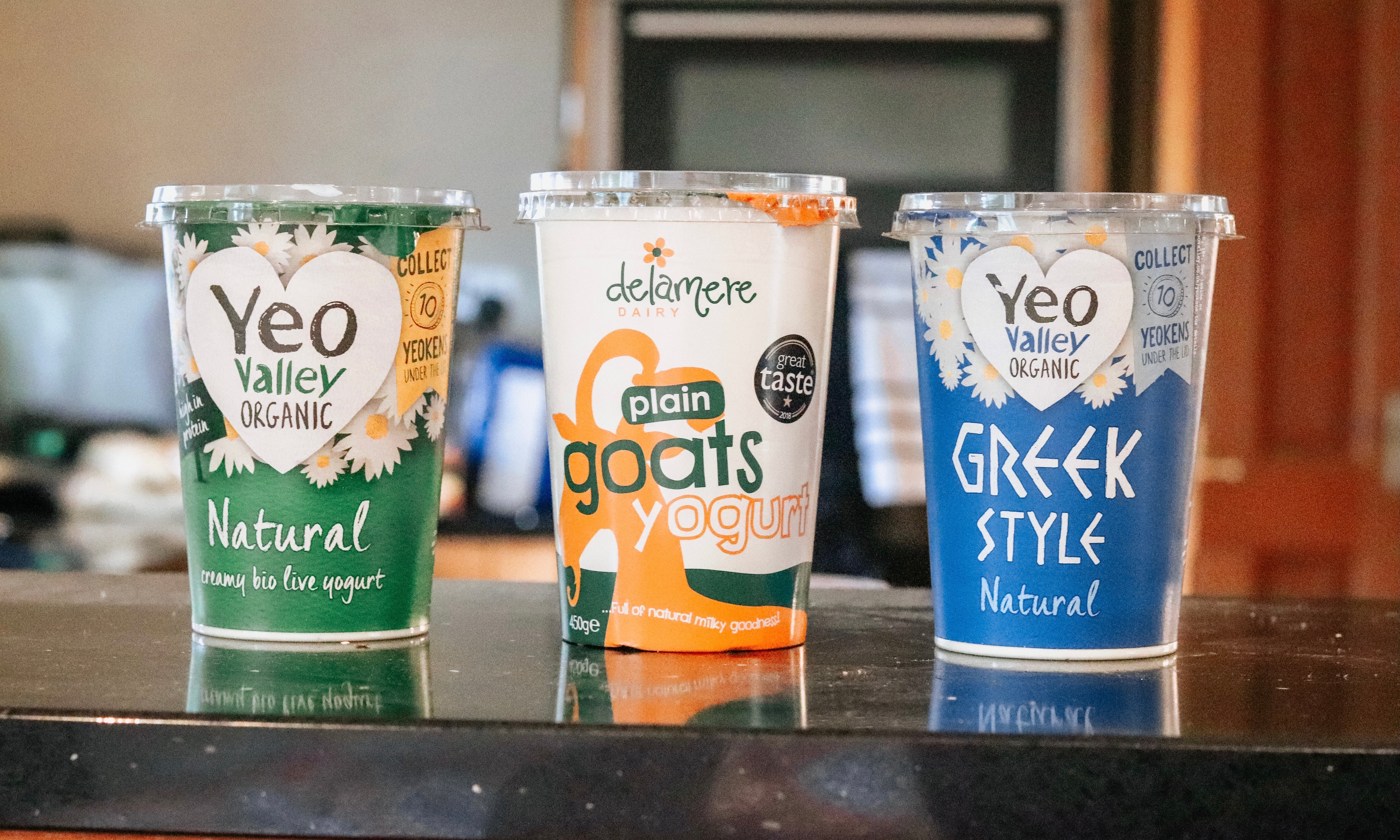
Choosing organic yogurt for dogs adds extra safety by avoiding pesticides, hormones, and antibiotics. Organic dairy products come from cows raised without harmful chemicals. This supports your dog’s health and reduces exposure to toxins.
Natural dog yogurt brands usually contain fewer additives and artificial ingredients. They focus on purity and quality, which enhances dog yogurt benefits. Organic and natural yogurts often have live cultures that improve yogurt dog digestive health.
What to look for in organic or natural brands:
- Certified organic label or USDA organic seal
- Minimal ingredients: milk and live active cultures
- No artificial flavors, colors, or preservatives
- Clear nutrition label showing low fat and no added sugars
Examples of trusted organic and natural dog yogurt brands include:
- Stonyfield Organic
- Siggi’s Natural Yogurt
- Brown Cow Organic Yogurt
Using these brands ensures your dog enjoys safe, healthy yogurt. Always check for yogurt probiotics for dogs and confirm the product matches your dog’s needs.
Safe Serving Sizes And Frequency
Giving yogurt to dogs daily can boost their health, especially for digestion. Knowing the safe serving sizes and frequency helps avoid problems like lactose intolerance or allergies. This guide explains how much yogurt your dog can have, how often, and what signs show you might be giving too much. Following dog nutrition guidelines keeps your pet healthy and happy with yogurt treats.
Recommended Portion Sizes
Choosing the right yogurt serving size for dogs depends on their weight and health needs. Small amounts are best to start. Probiotics for dogs in yogurt help digestion, but too much can cause upset stomach or diarrhea.
- Small dogs (under 20 lbs): 1 to 2 teaspoons per day
- Medium dogs (20-50 lbs): 1 to 2 tablespoons per day
- Large dogs (over 50 lbs): 2 to 4 tablespoons per day
Use plain, unsweetened yogurt without artificial sweeteners. Greek yogurt often has less lactose, which benefits dogs with lactose intolerance. Treat yogurt as a healthy dog treat, not a meal replacement.
| Dog Weight | Daily Yogurt Feeding Dogs (Serving Size) |
|---|---|
| Under 20 lbs | 1-2 teaspoons |
| 20-50 lbs | 1-2 tablespoons |
| Over 50 lbs | 2-4 tablespoons |
Age And Size Considerations
Age and size affect how much yogurt your dog should eat. Puppies and senior dogs need smaller portions. Their digestion is more sensitive.
- Puppies: Start with very small amounts, about half the size of an adult dog serving.
- Adult dogs: Follow the general serving size based on weight.
- Senior dogs: Use smaller portions due to slower digestion and possible health issues.
Large breeds may handle yogurt better than small breeds. But always watch for signs of dog food allergies like itching or vomiting. Yogurt for dog digestion works best when given in moderation and balanced with their regular diet.
Check with your vet about any special needs or health conditions before starting daily yogurt feeding dogs.
Signs Of Overfeeding
Too much yogurt causes problems. Watch your dog for signs of overfeeding to avoid issues. Overfeeding can lead to diarrhea, stomach pain, or weight gain.
Common symptoms include:
- Loose stools or diarrhea
- Vomiting
- Excess gas or bloating
- Changes in appetite
- Itching or skin irritation
These symptoms may also show signs of dog food allergies. Stop yogurt and consult your vet if these appear. Keeping yogurt portion for dogs small and following dog nutrition guidelines reduces risks.
Remember, yogurt is a supplement. It should not replace balanced meals or other healthy dog treats. Proper serving size and frequency make yogurt a safe part of your dog’s diet.
Alternatives To Yogurt For Dogs
Yogurt benefits for dogs include improved digestion and better gut health. But some dogs may be lactose intolerant or dislike yogurt’s taste. Finding alternatives to yogurt for dogs can help maintain canine digestive health without discomfort. Probiotic foods for dogs, natural dog supplements, and homemade dog treats all offer ways to support a daily dog diet.
Other Probiotic Foods
Probiotic foods for dogs provide good bacteria that support digestion and immunity. Besides yogurt, several natural options can fit into a daily dog diet. These foods contain digestive enzymes for dogs and help balance gut flora.
- Kefir: A fermented milk drink rich in probiotics. It is easier to digest than plain milk.
- Fermented Vegetables: Small amounts of sauerkraut or kimchi (without spices) can improve gut health.
- Tempeh: A fermented soybean product. It offers protein and probiotics but in small quantities.
- Apple Cider Vinegar: Added in tiny doses to water, it may promote healthy digestion.
These options provide similar benefits to yogurt, with varied flavors and textures. Always introduce new probiotic foods slowly to avoid upset stomachs.
Supplements And Treats
Dog supplements are a convenient way to support canine digestive health. Many products contain dog probiotics designed for easy digestion. Healthy dog snacks with added probiotics also help maintain gut balance.
| Type | Benefits | Example |
|---|---|---|
| Probiotic Capsules | Precise dosage, easy to mix with food | Probiotic blend for dogs |
| Chewable Treats | Tasty, encourages daily use | Probiotic dog chews |
| Powder Supplements | Mix with meals, customizable dose | Probiotic powder for pets |
Natural dog supplements often include prebiotics, which feed good bacteria. They support the digestive enzymes for dogs naturally. Always choose high-quality supplements and check for dog-safe ingredients.
Homemade Options
Homemade dog treats give control over ingredients and avoid additives. Making probiotic-rich snacks at home supports a healthy dog diet naturally.
Some simple homemade options include:
- Yogurt and Pumpkin Bites: Mix plain yogurt with canned pumpkin and oat flour. Bake small bite-sized treats.
- Fermented Veggie Snacks: Lightly ferment carrots or green beans and offer as crunchy treats.
- Kefir Ice Cubes: Freeze kefir in small cubes for a cooling probiotic snack.
Homemade dog treats allow adding digestive enzymes for dogs and probiotics without fillers. They suit dogs with sensitive stomachs or allergies well. Regularly changing snacks keeps dogs interested and supports gut health.
Credit: kdfoundation.org

Credit: www.sietesetenta.com.ar
Frequently Asked Questions
Can Dogs Eat Yogurt Every Day Safely?
Yes, dogs can eat yogurt daily in small amounts. Plain, unsweetened yogurt with probiotics supports digestion and boosts immunity. Avoid flavored or sugary yogurts, as they can harm your dog’s health. Always introduce yogurt gradually and consult your vet for specific recommendations.
What Type Of Yogurt Is Best For Dogs?
Plain, unsweetened, and low-fat yogurt is best for dogs. Greek yogurt is an excellent choice due to its higher protein and probiotic content. Avoid yogurts with artificial sweeteners, especially xylitol, which is toxic to dogs. Always check the label before feeding yogurt to your dog.
How Much Yogurt Can I Give My Dog Daily?
Limit yogurt to 1-2 tablespoons per 10 pounds of body weight. Small servings prevent digestive upset and maintain balanced nutrition. Start with a teaspoon to see how your dog reacts. Always monitor for allergies or intolerance and adjust servings accordingly.
Can Yogurt Help Improve My Dog’s Digestion?
Yes, yogurt contains probiotics that support healthy gut bacteria and digestion. It can reduce diarrhea and boost nutrient absorption. However, yogurt should not replace veterinary treatment for serious digestive issues. Use it as a supplementary aid for your dog’s digestive health.
Conclusion
Giving your dog yogurt every day can be healthy in small amounts. Choose plain, unsweetened yogurt without artificial ingredients. Watch for any signs of stomach upset or allergies. Yogurt offers good bacteria that help digestion and boost immunity. Always ask your vet before adding new foods to your dog’s diet.
Balance and moderation matter most for your pet’s health. Yogurt should not replace regular meals or vet care. A happy dog means a careful, informed owner. Keep your dog safe and healthy with smart choices.