With water, most healthy adult dogs endure 3–5 days without food; seek help sooner.
Worried because your dog skipped a meal or two? You are not alone. As a pet care writer who works closely with veterinarians and rescue teams, I know how stressful this feels. This guide explains how long can a dog go without food, what affects that timeline, and what you should do next. If you want clear steps, real-world tips, and vet-backed advice, keep reading.

What determines how long a dog can go without food
The short answer to how long can a dog go without food depends on many factors. Dogs are not all the same. Their bodies handle stress and fasting in different ways.
Key factors include:
- Age and life stage. Puppies and seniors are fragile and need steady calories.
- Size and body condition. Thin or toy breeds have small reserves and burn energy fast.
- Hydration. Water intake is the top predictor of safety during a fast.
- Health status. Diabetes, kidney disease, GI issues, or infections change the risk.
- Medications and recent surgery. Some drugs and anesthesia suppress appetite.
- Stress and routine changes. Travel, new homes, or loud events can shut down appetite.
- Weather and activity. Heat, cold, and long exercise change calorie needs.
In practice, how long can a dog go without food comes down to water access, overall health, and energy reserves. A calm, hydrated, healthy adult has a wider window than a small, sick, or stressed dog.
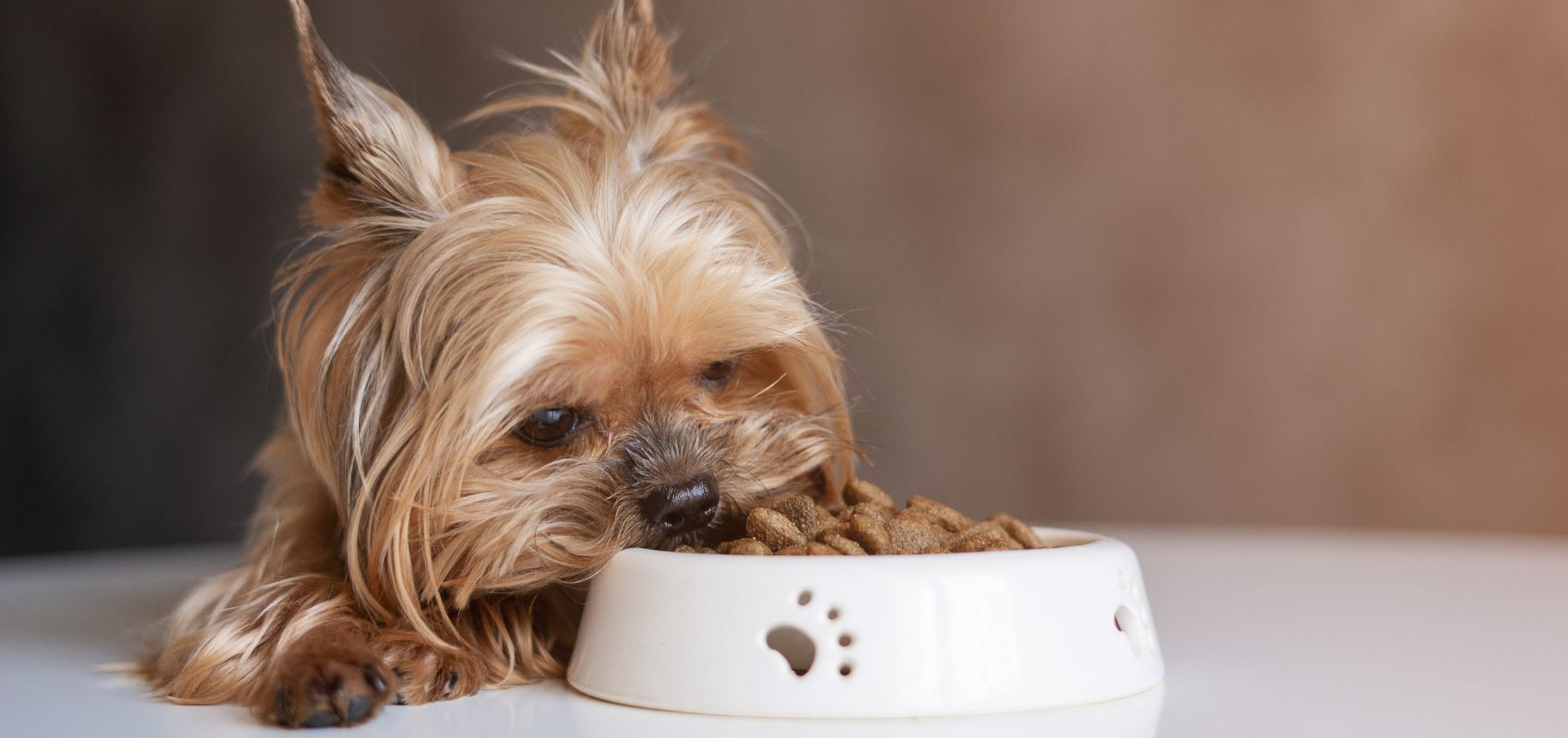
Safe timelines: how long can a dog go without food, with and without water
Here is the simple, research-backed view I use when coaching pet parents. It balances safety with real life.
With water available:
- Healthy adult dogs often cope for 3 to 5 days without food. This is not ideal. It only describes survival, not health.
- Call your vet if your dog refuses all food for 24 hours. Sooner for small breeds or if you see any other symptoms.
- Puppies cannot safely fast. Young pups may crash in 12 to 24 hours. Very young pups need food every few hours.
- Seniors, pregnant or nursing dogs, and dogs with chronic disease should not miss more than one meal without guidance.
- Diabetic dogs need a plan from a vet. Skipping food can cause dangerous lows or highs.
Without water:
- Dehydration becomes life-threatening fast. Many dogs decline within 24 to 72 hours.
- If your dog is not drinking, seek urgent care now.
These ranges match common veterinary guidance and emergency data. They are general rules, not strict lines. So when you ask how long can a dog go without food, remember that the safe window is shorter than the survival window. Your goal is comfort, not testing limits.
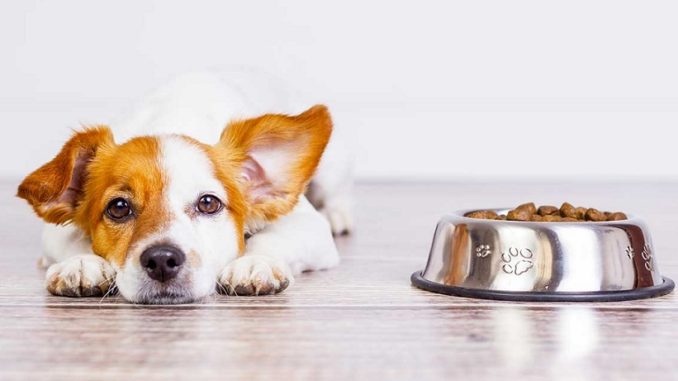
Risks and warning signs when a dog stops eating
Going too long without food can trigger a cascade of problems. Some show up fast, others build over days.
Watch for:
- Lethargy, wobbling, or weakness
- Vomiting, diarrhea, or painful belly
- Dry gums, sunken eyes, or thick saliva
- Rapid weight loss or visible ribs
- Bad breath or drooling, which can mean dental pain
- Collapse, tremors, or seizures, which need emergency care
Small breeds risk low blood sugar. Seniors lose muscle fast. Dogs with GI disease can spiral into dehydration. If you are tracking how long can a dog go without food and you see any of these signs, act now. Do not wait to hit a certain day count.
What to do if your dog refuses food
Start with calm steps. Keep notes on what you try and how your dog responds.
Try these first:
- Offer fresh water and a quiet place to rest. Reduce stress and noise.
- Stop treats and table scraps. Let hunger build for the next meal.
- Warm the food slightly. Add a spoon of warm water or low-sodium broth.
- Try a bland meal. Boiled chicken and plain white rice is a common, short-term option.
- Hand-feed small bites. Use a puzzle bowl to spark interest.
- Check the bag or can date. Food can spoil or change in taste after storage.
- Look in the mouth. Broken teeth, gum pain, or mouth sores can stop eating.
- Keep meals on a schedule. Put the bowl down for 15 minutes, then pick it up. Try again later.
Call your vet if:
- No food for 24 hours in adults, or 12 hours in puppies, seniors, or tiny breeds
- There is vomiting, diarrhea, pain, or fever
- Your dog has diabetes, kidney disease, or is on new meds
Avoid giving human appetite drugs or pain relievers. A vet may use safe appetite stimulants, anti-nausea meds, fluids, or tests to find the cause. During this time, keep asking yourself how long can a dog go without food in your dog’s case, given age, size, and symptoms.
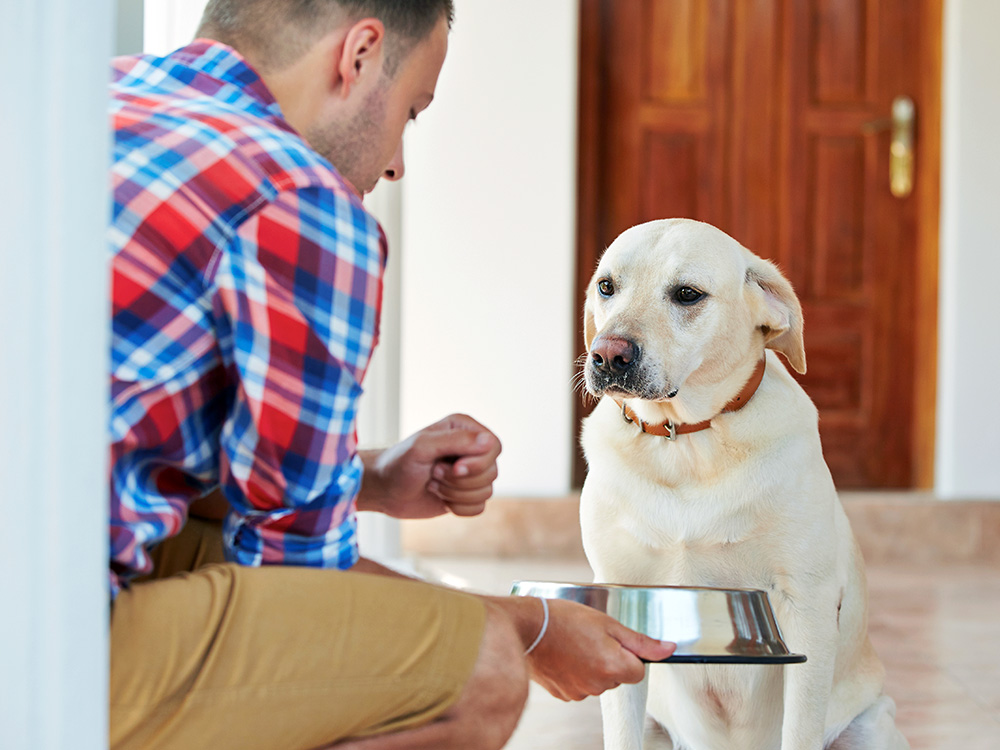
Hydration matters more than hunger
Water is the first need. Food is the second. Focus on fluids while you work on meals.
Simple hydration tips:
- Aim for about 1 ounce of water per pound per day, unless your vet says otherwise.
- Offer several water bowls. Clean them daily.
- Flavor water with a splash of low-sodium broth. Never use onion or garlic.
- Add water to meals. Try ice chips if your dog is queasy.
- Ask your vet about oral rehydration fluids if advised.
Signs of dehydration include dry gums, slow skin snap when gently lifted at the neck, and low energy. If your dog will not drink, that question of how long can a dog go without food becomes less important than water. Get help fast.
Special cases and real-world examples
Some dogs need special rules.
Consider these groups:
- Puppies. Tiny reserves. Feed often. Do not delay care.
- Seniors. High risk of muscle loss. Keep calories steady.
- Pregnant or nursing dogs. High needs. Call the vet at the first skipped meal.
- Diabetic dogs. Never adjust insulin or food without a plan from your vet.
- Toy breeds. Prone to low blood sugar. Short fasting windows.
A quick story from my work with rescue dogs: A shy, adult mixed breed refused food for a full day after a shelter move. We kept water handy, offered warmed wet food, sat nearby without pressure, and cut all treats. By meal three, she ate half. By day two, she finished a bland diet and then eased back to her regular food. Structure, quiet, and patience worked. This is why I tell clients that how long can a dog go without food depends on stress as much as stomach.
Frequently Asked Questions of how long can a dog go without food
Can a dog go 24 hours without eating?
Many healthy adults can, but it is not ideal. Call your vet if your dog skips all food for 24 hours.
Is it worse to miss water or food?
Water is more urgent. Dehydration can turn dangerous within 1 to 3 days.
How long can a puppy go without food?
Puppies should not miss more than one meal. Very young pups need food every few hours.
Should I change foods if my dog stops eating?
You can try a gentle switch to a bland diet for a day or two. For longer changes, transition over 5 to 7 days.
When is not eating an emergency?
If there is vomiting, diarrhea, pain, collapse, or no water intake, go to urgent care now.
Will fasting help with mild stomach upset?
A short rest of the gut can help some adults, but only with vet advice. Puppies and fragile dogs should not fast.
Conclusion
Most healthy adult dogs can survive several days without food, but that is not the goal. Comfort, hydration, and quick action matter more. Track symptoms, try simple appetite steps, and call your vet early, not late. The safest answer to how long can a dog go without food is shorter than you think, and it changes by age, size, and health.
You know your dog best. Use this guide, trust your gut, and make the call if something feels off. Want more practical pet care tips? Subscribe, share your story, or drop a question in the comments.