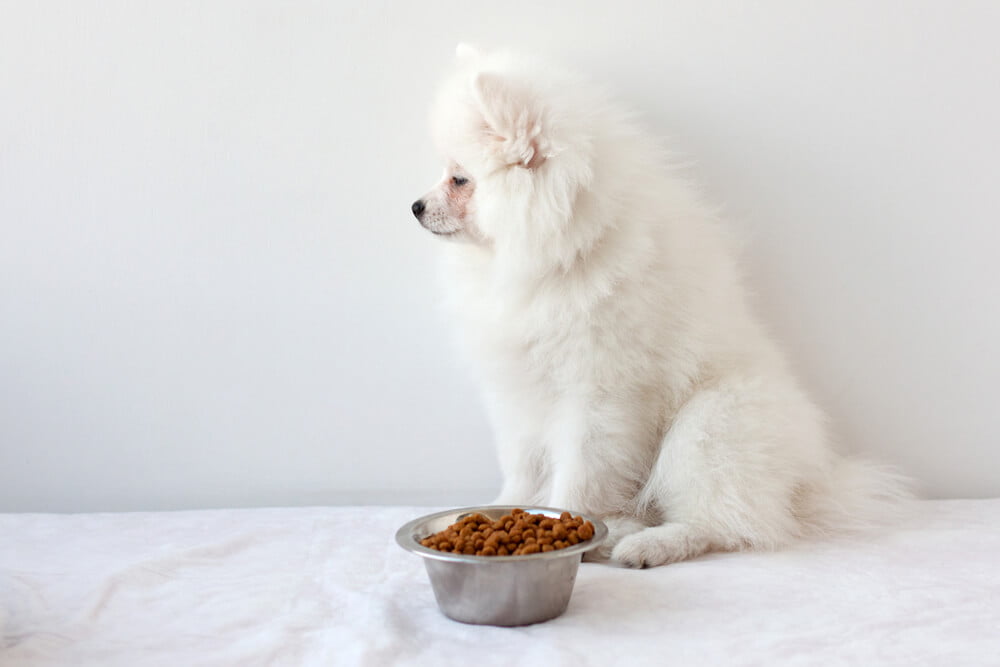
Most healthy adult dogs can survive three to five days without food, but it isn’t safe.
If you’ve ever asked how long can dogs go without food, you’re likely worried, and for good reason. I’ve spent years working with pet parents and vets on feeding issues, and I’ll help you read the signs, avoid risks, and act fast when needed. Below, we break down the real timelines, red flags, and what to do next so you can care for your dog with confidence.
How long can dogs go without food? The real answer
The short version: a healthy adult dog may survive three to five days without food if water is available. That does not mean it’s safe, smart, or without risk. The longer a dog refuses food, the higher the chance of dehydration, electrolyte imbalance, and organ stress.
What changes the timeline:
- Puppies and toy breeds can crash within 12 to 24 hours due to low blood sugar.
- Senior dogs, pregnant or nursing dogs, and dogs with illness are at risk within 24 to 48 hours.
- Hot weather, stress, and illness shorten safe windows.
Key points vets teach:
- Water matters more than food in the short term. No water for 24 hours can be life-threatening.
- If an adult dog skips food for more than 24 hours, plan a vet check. If your dog shows vomiting, diarrhea, weakness, or pain, call sooner.
- Survival is not the goal. Fast action protects your dog’s gut, liver, and immune system.
If you are searching how long can dogs go without food because your dog skipped a meal, watch closely and read the steps below. If it has been more than a day, a quick call to your vet is best.

Fasting vs not eating: what it means for a dog
Planned fasting is rare and should be vet-guided. It’s not the same as a dog refusing food. When a dog won’t eat, it often signals pain, nausea, stress, or disease.
What the body does without food:
- First 24 hours: uses liver glycogen for energy.
- Days 2 to 3: shifts to fat and muscle for fuel; the gut slows down.
- After several days: immune function drops and wounds heal slower.
What about water:
- Always keep fresh water down. Dehydration makes nausea worse and can trigger kidney problems.
- Add water or low-sodium broth to food to tempt eating.
How long can dogs go without food depends on health, age, and hydration. A dog that drinks well has a better short-term outlook than one who won’t drink.

Risks of prolonged food refusal and red flags
Going without food stresses the whole body. Even if a dog can last, the risks are real.
Common risks:
- Dehydration and electrolyte shifts that affect the heart and nerves.
- Low blood sugar in puppies and toy breeds that can cause shaking, collapse, or seizures.
- Stomach acid buildup, nausea, and risk of ulcers.
- Muscle loss, weakness, and poor wound healing.
Call your vet now if you see:
- Vomiting, diarrhea, or bloated belly.
- Repeated retching, drooling, or painful abdomen.
- Black stool, pale gums, or yellow eyes.
- Lethargy, disorientation, or collapse.
- No interest in water or inability to keep water down.
How long can dogs go without food is the wrong question once red flags appear. At that point, you need answers, not more time.
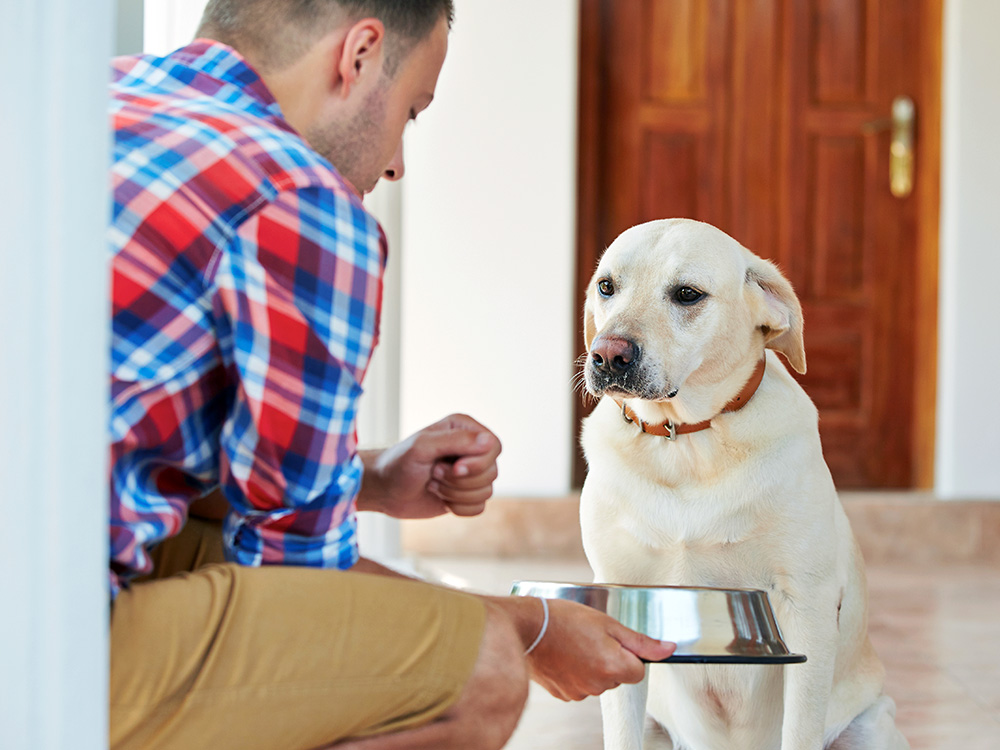
Common reasons dogs stop eating
Dogs refuse food for many different reasons. Some are simple. Some are urgent.
Frequent causes:
- Gastro upset from dietary changes, scavenging, parasites, or infections.
- Dental pain, broken teeth, or mouth ulcers.
- Nausea from pancreatitis, kidney or liver disease, or motion sickness.
- Obstruction after eating toys, bones, or socks.
- Pain from injury, arthritis, or surgery.
- Stress from travel, new homes, changes in schedule, or loud events.
- Medication side effects or recent vaccines.
- Food aversion due to spoiled kibble, sudden brand switches, or too many rich treats.
If you ask how long can dogs go without food during a food switch, think less about time and more about transition. Slow, steady changes prevent many refusals.
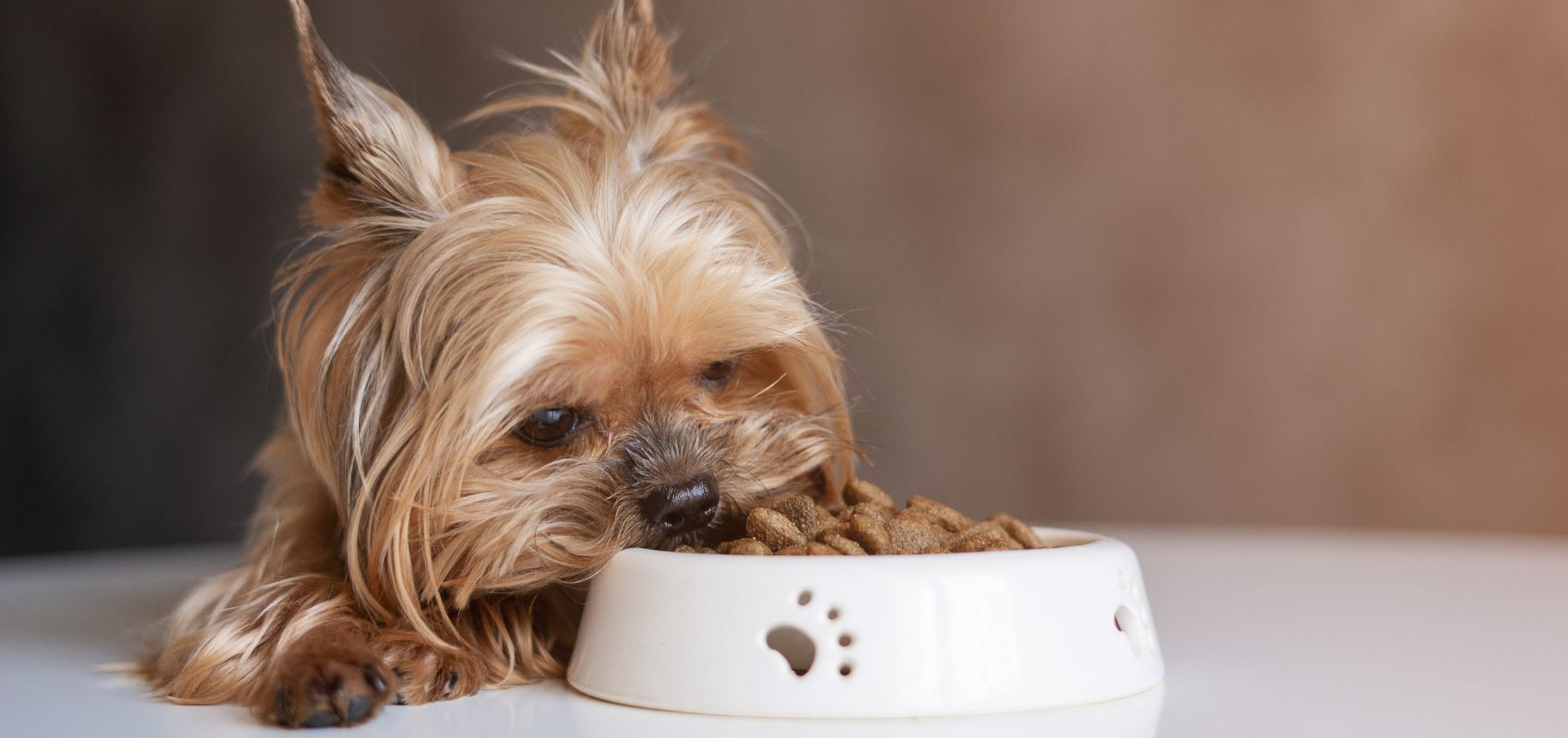
What to do when your dog won’t eat
Start with calm, simple steps. Keep notes on what you try and how your dog responds.
Step-by-step plan:
- Check the basics. Offer fresh food, verify the bag’s date, wash bowls, and remove strong cleaners or scents near the feeding area.
- Try gentle appetite boosts. Warm the food, add a spoon of plain pumpkin, or mix in a small amount of low-sodium broth. Keep the ratio mostly normal food.
- Reduce pressure. Offer food for 15 minutes, then pick it up. Try again in 6 to 8 hours. Keep the room quiet.
- Hydrate first. Encourage water. Use ice chips or a little broth if needed.
- Keep exercise light. A short walk can spark appetite without stress.
Call your vet now if:
- A puppy, toy breed, senior, pregnant, or sick dog refuses food for more than 12 to 24 hours.
- An adult, otherwise healthy dog refuses food for more than 24 hours.
- You see vomiting, diarrhea, pain, bleeding, or your dog won’t drink.
How long can dogs go without food is not a license to wait. It’s a reminder to act early and avoid bigger problems.
Refeeding and recovery after not eating
After a day or more without food, reintroduce meals with care. The gut needs time to wake up.
Safe refeeding tips:
- Start small. Offer one quarter to one half of a normal meal every 6 hours. Increase slowly over 24 to 48 hours.
- Choose easy foods. Use your dog’s normal diet, or ask your vet about a bland plan like boiled chicken and rice. Add water for moisture.
- Watch for trouble. If vomiting, bloating, or diarrhea returns, pause and call your vet.
- Support the gut. Your vet may suggest a probiotic or anti-nausea meds.
Dogs that went several days without food or lost weight need a vet-guided plan to avoid refeeding syndrome. Ask your vet how long can dogs go without food and how fast you can ramp meals for your dog’s case.
Prevention: keep appetite steady
A steady routine lowers the odds of food refusal.
- Feed on a schedule and limit table scraps.
- Transition foods over 7 to 10 days.
- Store kibble in airtight bins and buy bag sizes that stay fresh.
- Brush teeth, offer dental chews, and get regular oral exams.
- Give daily movement and enrichment to reduce stress.
- Train a calm “place” or mat routine before meals.
If you ever wonder how long can dogs go without food again, a solid routine means you may never need to test it.
My experience and quick case studies
From my years helping families and working with vets, I’ve seen the same pattern. Act early and you win big.
- Max, a 10-week-old Yorkie, skipped breakfast and seemed sleepy. We checked glucose at the clinic. It was low. A fast sugar boost and a small meal fixed it. Waiting even hours could have led to seizures.
- Luna, a healthy adult Lab, refused food for a day after a sudden diet change. We went back to her old food, warmed it, and transitioned over a week. She ate the next meal.
- Rocky, a 9-year-old mixed breed, stopped eating and drooled. X-rays showed a partial blockage. Surgery removed a toy. He recovered well because his owner called within 24 hours.
These cases shaped my rule: don’t gamble with time. Instead of asking how long can dogs go without food, ask what might be wrong and what you can do now.
Frequently Asked Questions of how long can dogs go without food
How long can dogs go without food if they are still drinking water?
Most healthy adults may survive three to five days, but this is not safe. Call your vet if your dog skips food for more than 24 hours or shows any illness signs.
Can puppies go a day without eating?
Puppies should not go more than 12 to 24 hours without food. They can become hypoglycemic fast and may need urgent care.
Is it okay to skip meals to “reset” a picky eater?
Skipping one meal in a healthy adult can be fine, but it can backfire. Try routine, exercise, and gradual food changes instead.
What should I feed a dog after not eating?
Start with small, frequent meals of their regular diet or a vet-approved bland diet. Add water and warm the food to increase smell and appeal.
When is not eating an emergency?
If there is vomiting, diarrhea, pain, collapse, or refusal to drink, treat it as urgent. Puppies, toy breeds, seniors, and pregnant dogs need faster action.
How long can dogs go without food after surgery?
Most should eat a small meal within 24 hours unless your vet advises otherwise. If nausea lasts longer, call the clinic for anti-nausea support.
Could dental pain make a dog stop eating?
Yes. Broken teeth, gum disease, and mouth ulcers make chewing painful. Soft food and a dental exam can solve the root problem.
Conclusion
Dogs can sometimes last days without food, but that window is not a safety net. The smart move is to act early, protect hydration, and look for causes. If you catch problems fast, recovery is easier and safer.
Trust your gut. If you’re worried, call your vet and make a plan today. Want more practical pet care tips? Subscribe, share your story in the comments, and let’s keep your dog happy and well-fed.