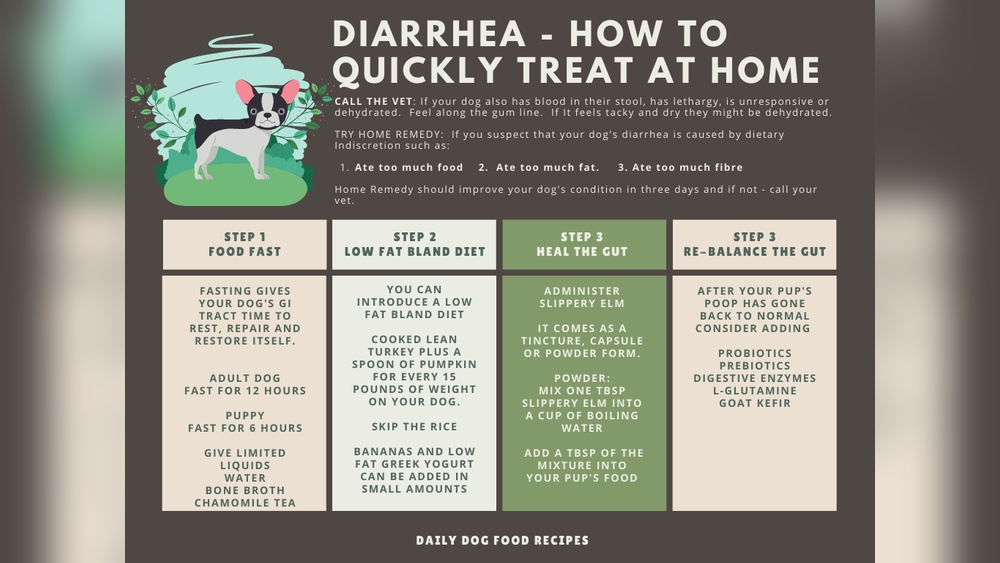
If your dog is dealing with diarrhea, you want to help them feel better quickly. You might have heard that yogurt can soothe your pup’s upset stomach, but how much yogurt should you actually give?
Giving too little might not help, and too much could make things worse. You’ll discover the right amount of yogurt to offer your dog safely. Keep reading to learn how to use yogurt effectively to support your furry friend’s digestive health and get them back to their happy, playful self.

Credit: www.thorfamilylaw.com
Benefits Of Yogurt For Dogs
Yogurt is a popular natural choice for supporting dogs during digestive upset, especially for dog diarrhea treatment. Understanding how much yogurt to give dog with diarrhea helps owners provide the right support without causing harm. Besides being tasty, yogurt contains live cultures that promote digestive health in dogs. Its benefits go beyond nutrition, offering natural relief and improving overall gut balance. Yogurt for dogs is often used as a simple, natural remedy for dog diarrhea and other digestive issues. Knowing the benefits of yogurt helps pet owners use it safely and effectively to support canine gut health.
Probiotics And Digestion
Probiotics are good bacteria that help maintain a healthy balance in the digestive system. Yogurt is rich in these beneficial microbes, which provide canine probiotics benefits. These probiotics aid digestion by competing with harmful bacteria and supporting nutrient absorption.
- Promotes healthy gut flora in dogs
- Helps reduce symptoms of diarrhea and gas
- Supports immune function in the digestive tract
- Improves overall digestive health in dogs
Introducing probiotics through yogurt can be part of a dog diarrhea treatment plan. The live cultures in yogurt help restore the natural balance of bacteria in the canine gut, which often gets disrupted during illness.
| Probiotic Strain | Benefit for Dogs |
|---|---|
| Lactobacillus acidophilus | Supports digestion and nutrient absorption |
| Bifidobacterium | Reduces diarrhea and inflammation |
Choosing plain yogurt without added sugars or artificial flavors is important. These can upset the dog’s stomach rather than help. Moderation is key to avoid overfeeding dairy, which can cause other digestive problems.
Soothing The Gut
Yogurt acts as a natural remedy for dog diarrhea by calming upset stomach and soothing irritated digestive tracts. Its creamy texture and probiotics work together to ease discomfort and support healing.
How to soothe dog digestion with yogurt includes feeding small amounts gradually. This approach helps the gut adjust without causing further irritation.
- Start with a teaspoon of plain yogurt mixed into regular food
- Observe the dog’s reaction over 24 hours
- Increase dosage slowly to a tablespoon for medium dogs
- Stop if any signs of lactose intolerance appear
Yogurt also contains proteins and calcium, which nourish the dog while promoting gut lining repair. These elements contribute to digestive health in dogs and help reduce inflammation.
- Reduces gut inflammation
- Supports tissue repair in intestines
- Provides gentle hydration
- Balances stomach acidity
Using yogurt as a natural remedy for dog diarrhea supports faster recovery. It is a safe option when used correctly within the recommended yogurt dosage for dogs. Always consult a vet for severe or long-lasting diarrhea to ensure full care.
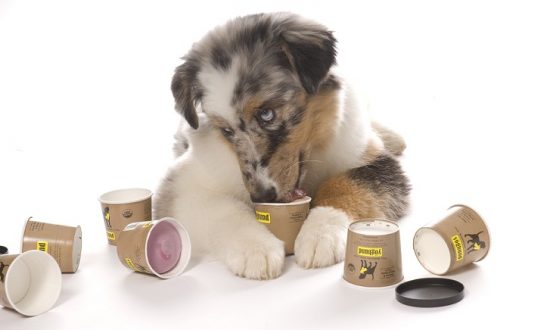
Credit: maslofriduero.com
Choosing The Right Yogurt
Choosing the right yogurt plays a key role in managing dog diarrhea naturally. Not all yogurts suit canine digestion, especially when your dog faces tummy troubles. Picking the correct type can support canine gut health and improve recovery. The goal is to find yogurt that offers probiotic benefits for dogs without harmful ingredients. This section explains the difference between plain and flavored yogurts and the risks of artificial sweeteners. Proper selection helps with dog diarrhea treatment and ensures feeding dogs yogurt safely.
Plain Vs Flavored Yogurt
Plain yogurt is the safest choice for dogs, especially during diarrhea. It contains live probiotics that support digestion and gut health. Flavored yogurts often have added sugars, artificial flavors, and ingredients that can upset your dog’s stomach more.
- Plain yogurt contains natural probiotics like Lactobacillus.
- It is free from added sugars and harmful additives.
- Flavored yogurt contains sweeteners and flavorings that may cause irritation.
- Some flavors have fruits or nuts that dogs should avoid.
Here is a quick comparison table:
| Feature | Plain Yogurt | Flavored Yogurt |
|---|---|---|
| Probiotic Content | High – supports canine gut health | Varies, often lower |
| Added Sugars | None | Often high |
| Artificial Flavors | No | Yes |
| Suitability for Dogs with Diarrhea | Safe and beneficial | Risky and may worsen diarrhea |
Yogurt dosage for dogs should start small, about one teaspoon per 10 pounds of body weight. Using plain yogurt ensures yogurt as a natural remedy helps without side effects. Choose brands that say “live and active cultures” on the label.
Avoiding Artificial Sweeteners
Artificial sweeteners cause artificial sweeteners toxicity dogs must never consume. Ingredients like xylitol, sorbitol, and aspartame are toxic and can cause serious health problems. Even tiny amounts can be dangerous and worsen diarrhea symptoms.
Many flavored yogurts contain these sweeteners. Always read labels carefully to avoid risks. Plain yogurt rarely has these harmful substances, making it safer for dog diarrhea treatment.
- Xylitol: Highly toxic, causes low blood sugar and liver failure.
- Sorbitol: Can cause diarrhea and stomach pain.
- Aspartame: May cause neurological issues.
Follow these tips for feeding dogs yogurt safely:
- Buy plain yogurt with no added sweeteners.
- Check ingredient lists for harmful sugar substitutes.
- Start with small amounts to observe any reactions.
- Consult your vet if unsure about the product.
Yogurt for canine digestion is a great aid only if it is safe. Avoiding artificial sweeteners ensures the probiotics help without adding risks. This careful choice supports a smooth recovery in managing dog diarrhea naturally.
Recommended Yogurt Amounts
Feeding yogurt to dogs is a popular natural remedy for managing dog diarrhea. Yogurt contains probiotics that support dog digestive health and can ease symptoms of canine diarrhea. Knowing the correct yogurt dosage for dogs is key to ensuring safety and effectiveness. Giving too little may not help, while too much can upset your pet’s stomach. The recommended yogurt amounts depend on your dog’s size and weight. This guide provides clear portions for small, medium, and large dogs to help you use yogurt for gut health in dogs safely.
Small Dogs
For small dogs, such as Chihuahuas or Dachshunds, yogurt should be given in small, controlled amounts. These dogs have sensitive digestive systems, so start with a tiny dose and watch for any reactions. Yogurt for dogs benefits small breeds by introducing gentle probiotics that restore balance in the gut.
- Start with 1 teaspoon of plain, unsweetened yogurt per day.
- Choose yogurt labeled as safe dairy for dogs, free from artificial sweeteners or flavors.
- Monitor your dog’s response for 2-3 days before increasing the amount.
Below is a simple table showing recommended yogurt dosage for small dogs based on weight:
| Dog Weight (lbs) | Yogurt Amount (teaspoons) |
|---|---|
| 5 – 10 | 1 |
| 10 – 15 | 1 – 1.5 |
Feeding yogurt to dogs in this range helps manage dog diarrhea without overwhelming their system. Natural remedies for dog diarrhea like yogurt support digestion gently and naturally.
Medium Dogs
Medium dogs, such as Beagles or Cocker Spaniels, can handle slightly larger yogurt servings. These dogs benefit well from dog probiotics found in yogurt, which aid in canine diarrhea treatment by restoring gut flora. The yogurt dosage for dogs in this group should be moderate and consistent.
- Begin with 1 to 2 tablespoons of plain, unsweetened yogurt per day.
- Use yogurt containing live and active cultures to boost dog digestive health.
- Observe your dog’s stool and overall behavior for signs of improvement or adverse effects.
Here is a dosage guide for medium dogs:
| Dog Weight (lbs) | Yogurt Amount (tablespoons) |
|---|---|
| 15 – 25 | 1 |
| 25 – 40 | 1.5 – 2 |
Consistent feeding of yogurt for gut health in dogs supports a healthy digestive tract. Managing dog diarrhea with yogurt also reduces reliance on medicines. Remember to avoid flavored or sugary yogurts as they may worsen diarrhea.
Large Dogs
Large dogs, like Labradors or German Shepherds, require higher yogurt amounts to benefit from dog probiotics. These dogs often have stronger digestive systems but still need careful feeding to avoid excess calories or lactose overload. Feeding yogurt to dogs in this size group enhances canine digestive health and aids in natural remedies for dog diarrhea.
- Start with 2 to 4 tablespoons of plain, unsweetened yogurt daily.
- Select yogurt rich in probiotics but low in fat to avoid digestive upset.
- Divide the yogurt dose into two smaller servings to improve digestion.
The following table shows the recommended yogurt dosage for large dogs:
| Dog Weight (lbs) | Yogurt Amount (tablespoons) |
|---|---|
| 40 – 60 | 2 – 3 |
| 60+ | 3 – 4 |
Safe dairy for dogs like yogurt can be a supportive treatment alongside veterinary care. Always consult your vet if diarrhea persists. Yogurt for dogs benefits large breeds by improving gut health and reducing digestive discomfort.
How To Introduce Yogurt Safely
Introducing yogurt to your dog’s diet can be a helpful step in managing dog upset stomach and improving canine digestive health. Yogurt as a dog supplement provides probiotics that support gut flora balance, which is essential for dog diarrhea treatment. Starting yogurt safely is important because some dogs have lactose intolerance or sensitivities. Proper introduction ensures your pet gets probiotic benefits for dogs without causing discomfort. Understanding yogurt dosage for dogs and watching for signs of allergic reaction in dogs helps keep your pet safe and healthy.
Starting With Small Portions
Begin feeding yogurt to your dog with very small portions. This helps your dog’s digestive system adjust to probiotics in yogurt. Start with about one teaspoon for small dogs and up to one tablespoon for larger dogs. Feed this amount once a day for the first few days.
Tips for starting small portions:
- Use plain, unsweetened yogurt with live cultures only.
- Avoid flavored yogurts with added sugars or artificial ingredients.
- Mix yogurt into your dog’s regular food for easier acceptance.
- Observe how your dog reacts after each feeding.
The following table shows a simple guide for yogurt dosage for dogs based on size:
| Dog Size | Starting Yogurt Portion |
|---|---|
| Small (up to 20 lbs) | 1 teaspoon |
| Medium (20-50 lbs) | 1-2 teaspoons |
| Large (50+ lbs) | 1 tablespoon |
Increasing portions slowly over several days can help maximize probiotic benefits for dogs. If your dog tolerates yogurt well, you may increase the amount slightly but keep it moderate. Feeding probiotics to dogs in controlled amounts supports natural remedies for dog diarrhea effectively.
Monitoring For Allergic Reactions
Careful monitoring for signs of allergic reaction in dogs is essential when introducing yogurt. Allergies or lactose intolerance in dogs can worsen diarrhea or cause new symptoms. Watch your dog closely for any changes after giving yogurt, especially in the first week.
Common signs of allergic reaction in dogs include:
- Itching or scratching
- Red or inflamed skin
- Swelling around the face or paws
- Vomiting or increased diarrhea
- Excessive gas or bloating
- Loss of appetite or lethargy
If you notice any of these signs, stop feeding yogurt immediately and consult your veterinarian. They can suggest alternatives or safe doses tailored to your dog’s needs.
Keeping a journal of your dog’s response during dog diarrhea treatment can help track progress. Note the amount of yogurt given, time of feeding, and any symptoms. This information helps in managing dog upset stomach and improving canine digestive health through probiotics.
When To Avoid Yogurt
Yogurt can help soothe your dog’s upset stomach and improve digestive health. It contains probiotics that support the gut and can be part of a home treatment for dog diarrhea. Knowing the right yogurt dosage for dogs is important to avoid worsening symptoms. There are times when yogurt is not safe and should be avoided. Understanding these situations helps in managing dog diarrhea safely and effectively.
Lactose Intolerance In Dogs
Many dogs have trouble digesting lactose, the sugar found in milk products like yogurt. Lactose intolerance symptoms in dogs include:
- Gas and bloating
- Increased diarrhea or loose stools
- Stomach cramps or discomfort
- Vomiting
Dogs with lactose intolerance may react badly to yogurt, even though it has probiotics. Yogurt benefits for dogs come mainly from live bacteria, but the lactose content can cause issues. Look for lactose-free or low-lactose yogurt varieties if you want to try probiotics for dogs.
| Yogurt Type | Lactose Content | Suitability for Lactose-Intolerant Dogs |
|---|---|---|
| Regular Yogurt | High | Not recommended |
| Greek Yogurt | Lower than regular | Possible in small amounts |
| Lactose-Free Yogurt | None | Safe choice |
Managing dog diarrhea requires careful food choices. Avoid giving yogurt if your dog shows any lactose intolerance symptoms. Test with a small amount first and watch for reactions.
Severe Diarrhea Cases
Yogurt can help mild diarrhea by restoring gut bacteria. But in severe cases, it may do more harm than good. Severe diarrhea often means dehydration, pain, or infections that need veterinary care. Using yogurt as a natural remedy for dog diarrhea in these cases may delay proper treatment.
Signs of severe diarrhea include:
- Blood or mucus in stool
- Repeated vomiting
- Weakness or lethargy
- High fever
- Dehydration signs like dry gums or sunken eyes
In these cases, stop giving yogurt and seek veterinary help. Canine digestive health requires professional care during serious illness. Safe foods for dogs with upset stomachs vary based on the condition and must be chosen with care.
For mild cases, yogurt dosage for dogs should be small and introduced slowly. For severe diarrhea, focus on fluids and vet-recommended treatments instead of home remedies.
Other Remedies For Diarrhea
Managing diarrhea in dogs requires more than just knowing the right yogurt dosage for dogs. While yogurt can help support canine gut flora due to its probiotic content, there are several other methods to soothe your pet’s upset stomach. Natural remedies for dog diarrhea often include changes in diet, proper hydration, and, when necessary, veterinary care. Understanding these approaches helps ensure your dog recovers quickly and maintains good dog digestive health.
Hydration And Diet
Keeping your dog hydrated is crucial during episodes of diarrhea. Diarrhea causes fluid loss, which can lead to dehydration quickly. Dog hydration tips include offering fresh water frequently and sometimes providing electrolyte solutions designed for pets.
- Offer small amounts of water often instead of large amounts at once.
- Use unflavored electrolyte solutions if dehydration is severe.
- Avoid giving sugary or caffeinated drinks.
Diet plays a big role in managing dog upset stomach. A bland diet helps reduce irritation and supports healing. Common options include:
| Food | Benefits |
|---|---|
| Boiled chicken (skinless, boneless) | Easy to digest, high in protein |
| White rice | Soothes digestive tract, provides energy |
| Plain pumpkin | Rich in fiber, helps firm stools |
Feed smaller meals multiple times a day rather than one or two large meals. This approach reduces strain on the digestive system. Avoid giving treats, fatty foods, or dairy products aside from the recommended yogurt for its dog probiotics benefits.
Veterinary Treatments
Veterinary advice for diarrhea is essential if your dog’s condition worsens or lasts more than a few days. Veterinarians can provide specific canine diarrhea treatment based on the cause of diarrhea.
- Medications: Antibiotics, anti-parasitic drugs, or anti-inflammatory medicines may be prescribed.
- Diagnostic tests: Blood work, stool analysis, or imaging may help find infections, parasites, or other problems.
- Probiotics: Veterinary-grade supplements can boost canine gut flora more effectively than some home remedies.
Prompt veterinary care prevents complications such as dehydration, nutrient loss, or chronic digestive issues. Always discuss yogurt benefits for dogs with your vet before adding it to your dog’s treatment. Each dog’s needs vary, and professional guidance ensures safety and success.

Credit: www.houndsy.com
Frequently Asked Questions
How Much Yogurt Is Safe For Dogs With Diarrhea?
Give your dog 1 to 2 teaspoons of plain yogurt per 10 pounds of body weight. This amount supports digestion without causing upset. Always choose unsweetened, probiotic-rich yogurt to help restore gut balance during diarrhea.
Can Yogurt Help Stop My Dog’s Diarrhea Quickly?
Yes, yogurt contains probiotics that can restore healthy gut bacteria. This helps reduce diarrhea duration and improves digestion. However, use it as a supplement, not a sole treatment, and consult your vet if diarrhea persists.
What Type Of Yogurt Is Best For Dogs With Diarrhea?
Plain, unsweetened yogurt with live probiotics is best. Avoid flavored or sugary yogurts, as they can worsen diarrhea. Greek yogurt is a good choice due to its thicker consistency and higher probiotic content.
How Often Should I Give Yogurt To My Dog With Diarrhea?
Feed yogurt once or twice daily during diarrhea episodes. Monitor your dog’s response and adjust as needed. Overfeeding yogurt can lead to digestive upset, so stick to recommended amounts and consult your vet.
Conclusion
Giving your dog a small amount of plain yogurt can help with diarrhea. Start with one teaspoon for small dogs and one tablespoon for larger dogs. Watch your dog closely for any bad reactions. Yogurt contains good bacteria that support digestion and gut health.
Avoid flavored or sweetened yogurt, as they may upset your dog’s stomach. Always check with your vet if diarrhea lasts more than a day. Small steps like this can help your dog feel better soon. Care and patience matter most.