You want the best for your furry friend, and that starts with choosing the right food. But have you ever looked at a dog food label and felt confused or overwhelmed?
You’re not alone. These labels can be tricky, filled with words and numbers that don’t always make sense. What if you could quickly spot what’s good and what’s not? Knowing how to read dog food labels will help you make smarter choices for your dog’s health and happiness.
Keep reading, and you’ll learn simple tips that make picking the perfect meal easier than ever.
Credit: gooddogpeople.com
Decoding Ingredient Lists
Reading a dog food label can be confusing. The ingredient list holds key details about your dog’s diet. It shows what your dog will actually eat. Understanding this list helps you pick healthier options. Each part of the list has a specific role in your dog’s nutrition.
Order And Importance Of Ingredients
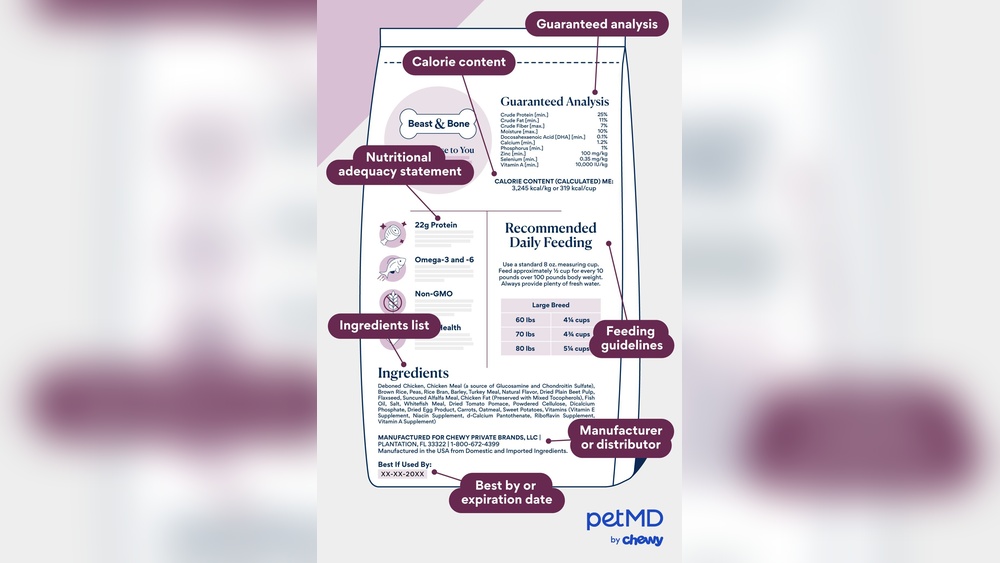
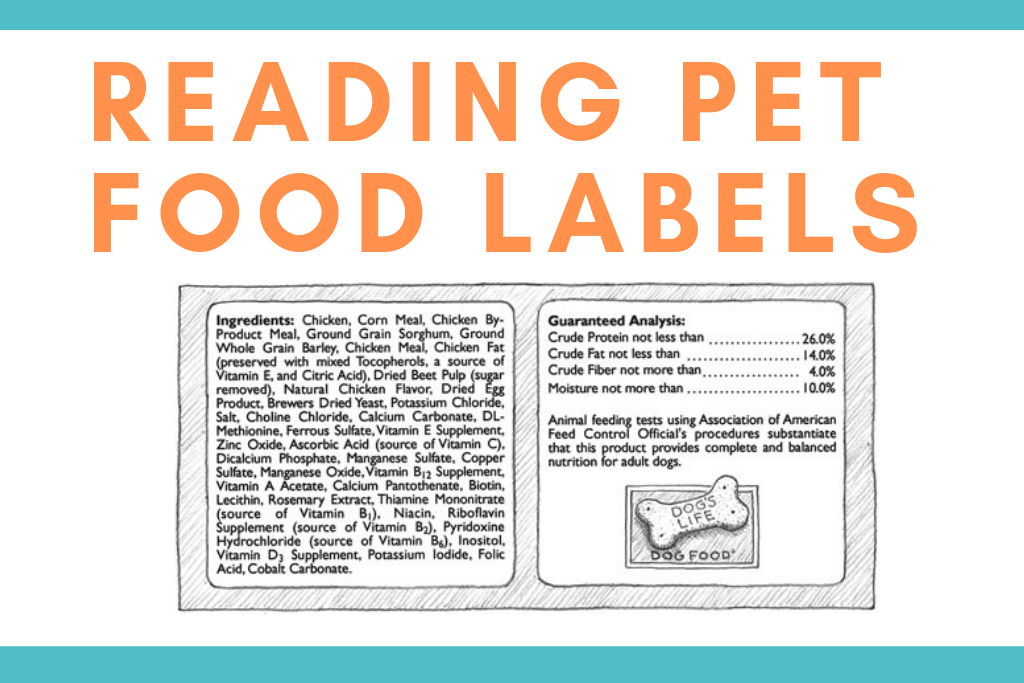
Ingredients are listed by weight. The first ingredient weighs the most. Ingredients at the top are the main parts of the food. Ingredients at the end are in small amounts. A good dog food has quality ingredients near the top. Check that healthy proteins come first.
Animal Proteins Vs. Fillers
Animal proteins like chicken or beef are vital. They give dogs the nutrients they need. Fillers like corn or wheat add bulk but less nutrition. Too many fillers can lower food quality. Choose foods with more animal proteins and fewer fillers. This supports your dog’s muscles and energy.
Identifying Artificial Additives
Artificial additives include colors, flavors, and preservatives. These keep food looking fresh or tasting better. Some additives may cause allergies or upset stomachs. Look for names like “BHA,” “BHT,” or “artificial colors.” Foods without these are usually safer and healthier. Natural ingredients are better for your dog’s long-term health.
Understanding Nutritional Information
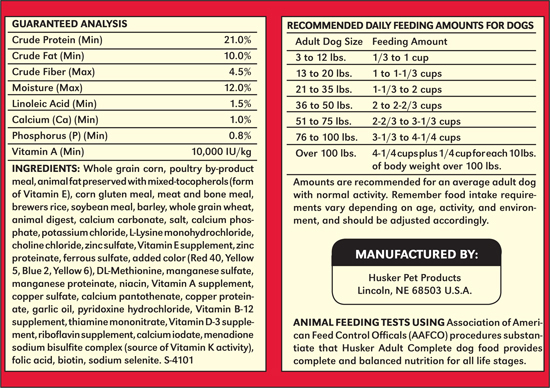
Understanding the nutritional information on dog food labels helps you choose the best food for your pet. This information shows the quality and balance of ingredients. It guides you in meeting your dog’s health needs and energy levels. Reading these details carefully ensures your dog gets the right nutrients.
Crude Protein And Fat Levels
Protein is vital for muscle growth and repair. Dog food labels list crude protein as a percentage. Higher protein means more energy and strength for your dog. Fat is also important for energy and healthy skin. Check the crude fat level to make sure it matches your dog’s activity. Too little fat can cause dull fur, while too much may lead to weight gain.
Fiber And Moisture Content
Fiber helps your dog’s digestion and keeps the stomach healthy. Look for fiber content to support regular bowel movements. Moisture shows how much water is in the food. Dry food has lower moisture, while canned food has higher levels. Proper moisture keeps your dog hydrated and supports kidney health.
Essential Vitamins And Minerals
Vitamins and minerals keep your dog’s body working well. Check for key nutrients like calcium, phosphorus, and vitamin A. These help with bones, teeth, and eyesight. Balanced vitamins and minerals also support the immune system. Ensure the food has these essentials for overall health and vitality.
Recognizing Quality Certifications
Understanding quality certifications on dog food labels helps you choose safe and healthy options. These certifications show the food meets certain standards. They guide you to products that support your dog’s well-being. Recognizing these labels is key to feeding your pet right.
Aafco Standards Explained
AAFCO stands for the Association of American Feed Control Officials. It sets rules for pet food nutrition in the USA. A label saying “meets AAFCO standards” means the food provides balanced nutrition. This certification ensures the food contains essential nutrients your dog needs. It is not a quality seal but a nutritional guideline.
Organic And Non-gmo Labels
Organic dog food uses ingredients grown without synthetic pesticides or fertilizers. Non-GMO means the food does not contain genetically modified organisms. These labels suggest fewer chemicals and more natural ingredients. Organic and non-GMO certifications can be a sign of cleaner, safer food. They appeal to pet owners wanting natural diets for their dogs.
Third-party Testing And Verification
Third-party testing means an independent group checks the food for quality and safety. These tests verify ingredient purity and nutritional claims. Labels with third-party verification show extra care in production. They reduce the risk of harmful contaminants or false claims. Choosing products with this certification can boost your confidence in the food.
Credit: extensionpublications.unl.edu
Matching Food To Your Dog’s Needs
Choosing the right food for your dog means understanding their specific needs. Each dog is unique. Their age, health, and breed affect what they should eat. Reading dog food labels helps you find the best match. This section explains how to match food to your dog’s needs.
Life Stage Considerations
Puppies need food with more protein and calories. This supports growth and energy. Adult dogs require balanced nutrition to maintain health. Senior dogs benefit from food lower in calories. They also need nutrients that support joints and digestion. Always check the label for age-specific formulas.
Special Diets And Allergies
Some dogs have allergies or sensitive stomachs. Look for limited ingredient diets to reduce reactions. Grain-free options help dogs with grain allergies. Dogs with health issues might need prescription diets. These foods target conditions like kidney disease or obesity. Read the label carefully to find suitable ingredients.
Breed-specific Nutritional Needs
Different breeds have different nutritional needs. Large breeds need food that supports bone health. Small breeds benefit from nutrient-dense kibble for their fast metabolism. Some breeds require extra protein or fat. Breed-specific formulas on labels help meet these needs. Choose food designed for your dog’s breed size and traits.
Tips For Comparing Brands
Choosing the right dog food brand can be tough. Many brands claim to offer the best nutrition. Comparing them carefully saves you money and protects your dog’s health. Here are some tips to help you make smart choices.
Price Vs. Quality Balance
Cheap dog food often lacks good ingredients. Expensive brands do not always mean better quality. Check the ingredient list for real meat and whole foods. Avoid foods with too many fillers like corn or soy. Find a brand that offers good nutrition within your budget.
Reading Brand Reputation
Research the brand’s history and reviews. Trusted brands often have clear ingredient sources. They share details about their manufacturing process. Brands with recalls or complaints may be risky. Choose brands that show transparency and care for pet health.
Spotting Marketing Tricks
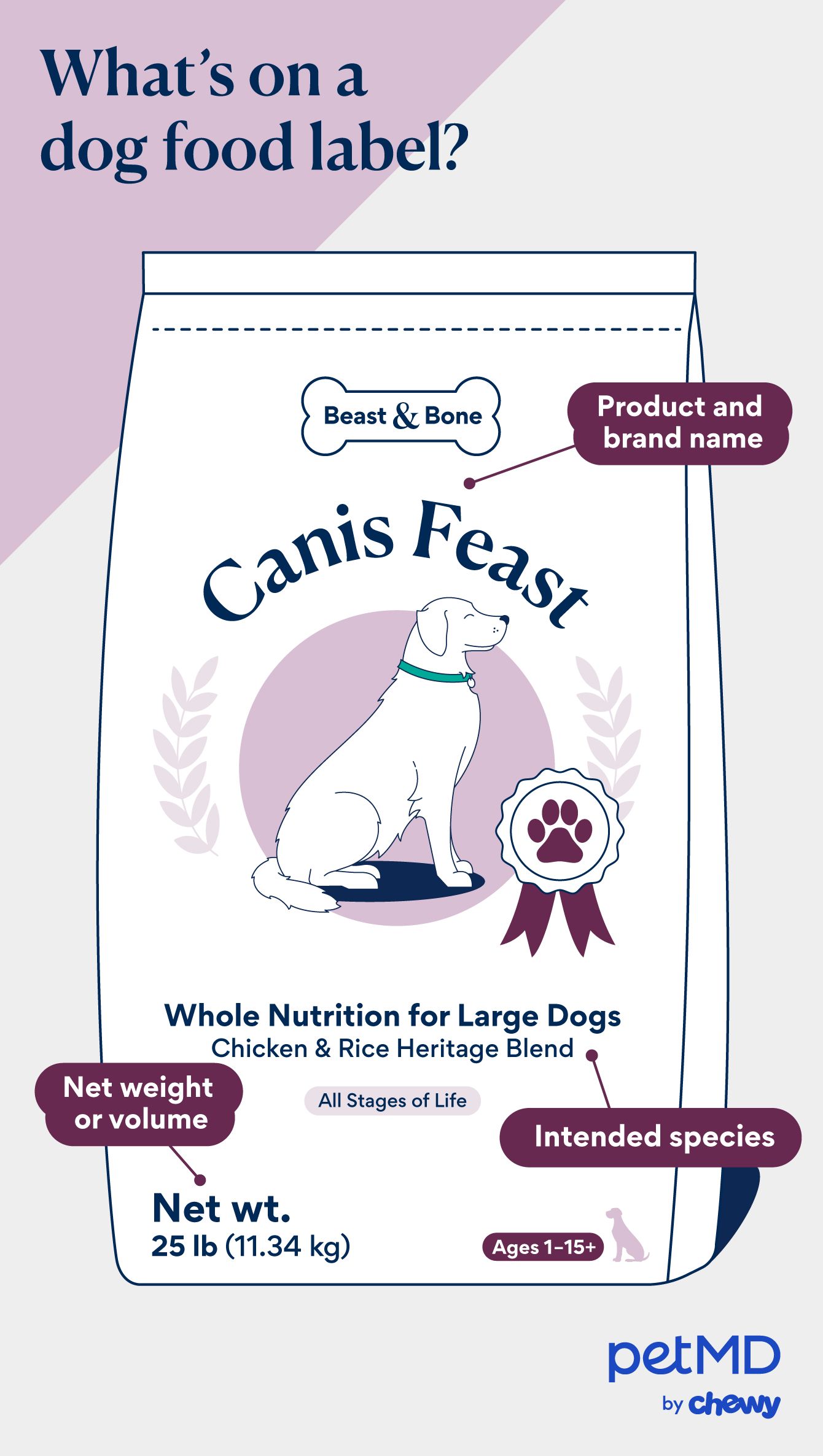
Watch out for confusing labels and fancy terms. Words like “natural” or “premium” are not regulated. Look beyond the front package claims. Read the ingredient list and guaranteed analysis carefully. Avoid brands that hide poor ingredients with vague wording.
Credit: www.petmd.com
Frequently Asked Questions
What Do Dog Food Ingredient Lists Reveal?
Ingredient lists show the food’s main components in descending order. They help identify protein sources, fillers, and additives. This information ensures your dog gets the right nutrition and avoids allergens or harmful substances.
How To Understand Dog Food Guaranteed Analysis?
Guaranteed analysis shows minimum protein and fat, and maximum fiber and moisture. It helps compare nutritional content across brands. This data supports choosing a balanced diet suited to your dog’s health needs.
Why Check The Dog Food Manufacturing Date?
The manufacturing date indicates freshness and shelf life. Fresh food retains nutrients better and reduces spoilage risk. Always choose the most recent date to ensure quality and safety for your dog.
What Does “complete And Balanced” Mean On Labels?
“Complete and balanced” means the food meets AAFCO nutrient profiles. It guarantees the food provides all essential nutrients your dog needs for daily health. This label ensures a nutritionally adequate diet.
Conclusion
Reading dog food labels helps you choose healthy meals for your pet. Focus on ingredients, nutritional values, and feeding guidelines. Understanding terms like protein, fat, and fiber is important. Watch out for fillers and artificial additives. Clear labels make feeding easier and safer.
Your dog deserves good nutrition every day. Take time to read labels before buying food. This small effort leads to a happier, healthier dog. Keep learning and stay informed for your pet’s well-being.