If you care about your dog’s health, hearing about a Pedigree dog food recall can be alarming. You want to make sure the food you give your furry friend is safe and nutritious.
But what exactly is behind this recall? Could your dog’s food be affected? Keep reading to find out what you need to know to protect your pet and keep them healthy and happy. This information could make all the difference for your dog’s well-being.
Recall Causes
The Pedigree dog food recall has raised many concerns about dog food safety and canine nutrition concerns. Understanding the recall causes helps pet owners protect their dogs from pet health risks. This recall focuses on problems found in certain batches of Pedigree dog food. The main causes include pet food contamination, manufacturing issues, and specific recalled dog food batches. Each cause shows how important dog food quality control is to avoid dangerous toxic ingredients in dog food and ensure pet product safety alerts are taken seriously.
Contaminants Found
Pet food contamination is a serious problem in the Pedigree recall. Testing revealed harmful substances that should never be in dog food. These contaminants can cause illness or worse in dogs. Some of the main contaminants found include:
- Salmonella bacteria: This can cause severe digestive problems and spread to humans.
- Excessive levels of aflatoxins: Toxic substances from mold that affect the liver.
- Foreign materials: Small pieces of plastic or metal found in some products.
These contaminants pose clear pet health risks. Below is a table summarizing the main contaminants and their effects:
| Contaminant | Source | Health Impact |
|---|---|---|
| Salmonella | Contaminated raw ingredients | Diarrhea, vomiting, fever, infection |
| Aflatoxins | Moldy grains or nuts | Liver damage, weakness, death |
| Foreign Materials | Poor handling during production | Choking, internal injury |
These findings highlight the need for strict dog food quality control to prevent future pet product safety alerts.
Manufacturing Issues
Food manufacturing defects are another key cause of the Pedigree recall notice. The problems began during the production process, where standards were not properly followed. Common manufacturing issues included:
- Inadequate cleaning of equipment, leading to cross-contamination.
- Incorrect ingredient measurements causing imbalanced nutrition.
- Failure to detect contaminants before packaging.
Such defects can cause toxic ingredients in dog food or reduce the overall safety of the product. Workers may miss signs of contamination if quality checks are weak or rushed.
Production line errors also impact dog food safety. For example, mixing batches improperly or using expired ingredients creates risks. These manufacturing issues underline why strong quality control is vital.
Here is a quick list of typical food manufacturing defects found in recalled dog food:
- Cross-contamination between raw and cooked materials.
- Incorrect storage conditions causing spoilage.
- Failure to follow hygiene protocols.
- Inaccurate labeling of ingredients.
Each defect increases pet health risks and triggers pet product safety alerts like the Pedigree recall notice.
Affected Batches
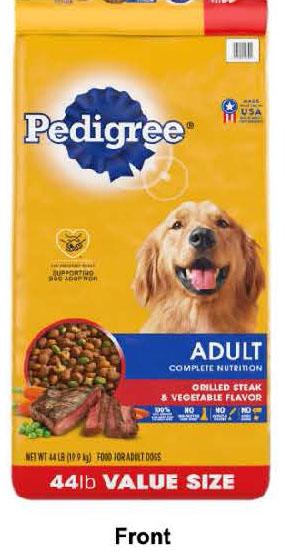
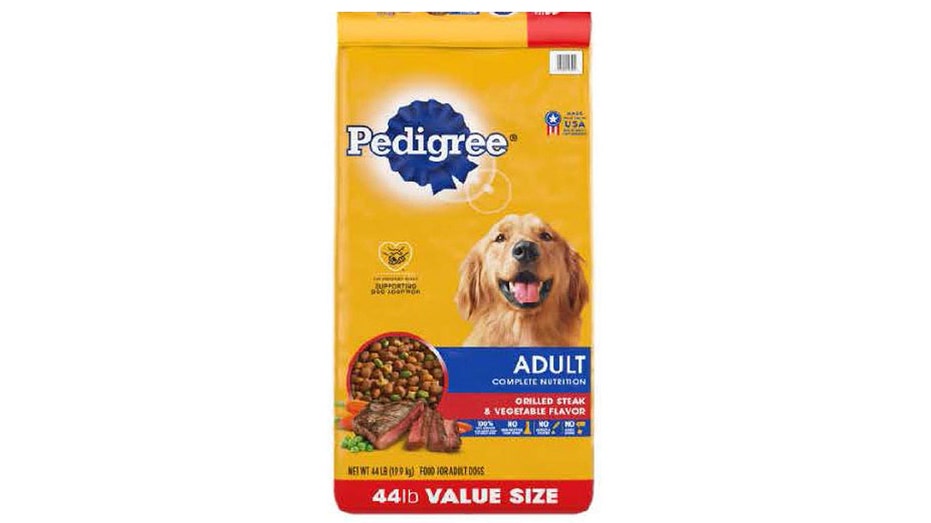
The recalled dog food batches are specific products with confirmed issues. Identifying these batches helps pet owners avoid dangerous food. The Pedigree recall notice includes batch numbers, production dates, and package sizes.
Here is a table listing some affected batches for easy reference:
| Batch Number | Production Date | Package Size | Reason for Recall |
|---|---|---|---|
| PD12345 | 2024-03-10 | 12 lbs | Salmonella contamination |
| PD12346 | 2024-03-11 | 24 lbs | Aflatoxin levels too high |
| PD12347 | 2024-03-12 | 6 lbs | Foreign material detected |
Pet owners should check the batch numbers on their Pedigree dog food packages carefully. Consuming food from these batches can lead to pet health risks caused by pet food contamination or food manufacturing defects. Awareness of affected batches supports better canine nutrition concerns management and safer feeding.

Credit: www.usatoday.com
Health Risks
The recent Pedigree Dog Food Recall has raised serious concerns about dog food safety and its impact on canine health. Contaminated dog kibble can cause various foodborne illness in dogs, threatening their well-being. Understanding the health risks linked to this recall helps pet owners act quickly to protect their pets. This section covers symptoms dogs may show, possible long-term effects, and which pets are most vulnerable to these risks.
Symptoms In Dogs
Dogs exposed to contaminated dog kibble from the Pedigree recall may show different signs of illness. Symptoms often appear within hours to days after eating the affected food.
- Vomiting and diarrhea are common and may include blood.
- Loss of appetite and lethargy indicate a serious reaction.
- Excessive thirst or urination can signal kidney problems.
- Unusual behavior such as weakness or difficulty walking may occur.
- Some dogs develop fever or dehydration.
Veterinary care is critical when these symptoms appear. Early treatment reduces the risk of severe complications.
| Symptom | Description | Urgency Level |
|---|---|---|
| Vomiting | Repeated throwing up, sometimes with blood | High |
| Diarrhea | Loose stools, may contain blood or mucus | High |
| Weakness | Difficulty standing or walking | Urgent |
| Loss of appetite | Refusal to eat for more than 24 hours | Moderate |
| Excessive thirst | Drinking more water than usual | Moderate |
Long-term Effects
The risks from contaminated dog kibble go beyond immediate illness. Some dogs suffer lasting damage from exposure to harmful dog food ingredients or toxins.
Long-term effects may include:
- Kidney damage or failure, requiring ongoing treatment.
- Chronic gastrointestinal problems, like sensitive stomach or poor digestion.
- Weakened immune system, making dogs prone to infections.
- Development of allergies or food intolerances after exposure.
- Behavioral changes due to discomfort or pain.
These effects affect your pet’s quality of life and may increase veterinary costs. Monitoring pet health after using recalled pet products remains essential.
Veterinary alerts warn about these long-term risks. Regular check-ups help catch problems early and ensure better recovery.
At-risk Pets
Certain pets face higher risks from the Pedigree dog food recall due to their age, health, or breed. Understanding who is most vulnerable helps prioritize care and prevention.
Higher risk groups include:
- Puppies: Their developing systems are less able to handle toxins or contamination.
- Senior dogs: Older pets often have weaker immune systems and pre-existing conditions.
- Dogs with chronic illnesses: Pets with kidney, liver, or digestive diseases are more vulnerable.
- Small breeds: They may react more strongly to harmful ingredients due to size.
- Dogs with food allergies: Exposure to contaminated dog kibble can worsen their condition.
Pet owners should watch these groups closely for any signs of illness. Immediate veterinary attention is critical if symptoms arise.
Pet nutrition concerns gain importance during recalls. Switching to trusted brands and checking for updates from the dog food manufacturer recall listings can protect at-risk pets.
Response Actions
The Pedigree Dog Food Recall has triggered swift response actions to protect pets and pet owners. Quick and clear steps help reduce pet health risks linked to pet food contamination. Brands like Pedigree work closely with authorities to manage the situation. These actions aim to prevent foodborne illness in dogs and ensure dog food safety across all affected products.
Company Statements
Pedigree has released clear and detailed Pedigree Recall Notice statements. The company acknowledges the issue and outlines steps taken to resolve it. The statements focus on transparency and reassure pet owners about ongoing efforts.
- Identification of affected batches and production dates.
- Explanation of the contamination source, when known.
- Commitment to improving quality control processes.
- Regular updates on dog food recall updates via official channels.
These messages emphasize the brand’s responsibility and its priority: canine nutrition alert and safety. Pedigree encourages pet owners to stay informed and act promptly to protect their pets.
Consumer Guidance
Pet owners receive clear pet owner safety tips to handle the recall safely. Guidance includes:
- Check product packaging for batch numbers and expiration dates.
- Stop feeding any recalled dog food immediately.
- Watch for signs of foodborne illness in dogs, such as vomiting or diarrhea.
- Contact a veterinarian if any symptoms appear.
- Keep pets hydrated and monitor their behavior closely.
Understanding dog food safety helps prevent serious health issues. Pet owners should also follow updates on dog food recall updates and avoid mixing recalled food with other brands. These steps reduce pet health risks and support quick recovery if exposure occurs.
Product Returns
Returning recalled products is a key part of the response. Pedigree offers simple return options to handle affected dog food. Pet owners can:
- Return products at the place of purchase for a full refund.
- Use mail-in return services provided by the company.
- Keep receipts and batch numbers handy for smooth processing.
| Return Method | Details | Contact Info |
|---|---|---|
| Store Return | Bring recalled product with receipt to retailer | Check store contact or Pedigree website |
| Mail Return | Follow instructions on Pedigree Recall Notice for mailing | Customer Service: 1-800-XXX-XXXX |
Returning the recalled dog food stops further pet food contamination risks. Quick action supports canine nutrition alert efforts and protects pets from harm. Pedigree’s clear return process helps maintain trust and ensures safety in the pet food market.
Credit: www.fda.gov
Regulatory Role
The Pedigree Dog Food Recall highlights the crucial regulatory role in ensuring pet food safety. Government agencies work to protect pets from harmful products that cause foodborne illness in dogs or other pet health risks. These agencies oversee the recall notification process and make sure manufacturers follow strict canine nutrition standards. Understanding how regulators act helps pet owners trust the food they buy and keeps pets safe.
Fda Involvement
The FDA plays a key role in monitoring dog food safety, including Pedigree products. The agency sets rules for ingredient testing protocols to detect potential pet food contamination. When a problem is found, the FDA leads the Fda dog food recall efforts to remove unsafe products from the market quickly.
The FDA’s tasks include:
- Reviewing manufacturing records and ingredient sources
- Investigating reports of illness linked to pet food
- Coordinating with manufacturers on product recall procedures
- Issuing public warnings and recall notices
By enforcing strict guidelines, the FDA ensures manufacturer compliance and protects pets from harmful ingredients. This regulatory oversight reduces risks and promotes safer dog food choices.
Inspection Processes
Regular inspection processes help detect issues before dog food reaches consumers. Inspectors visit production sites to verify compliance with canine nutrition standards and safety rules. They check for proper handling, storage, and quality control.
Inspection activities include:
- Sampling products for laboratory testing
- Examining ingredient sourcing and supplier records
- Reviewing cleaning and sanitation procedures
- Ensuring accurate labeling and nutritional content
These steps help catch potential pet food contamination early. The FDA uses findings to guide corrective actions and prevent future risks. Thorough inspections protect dogs from unsafe food and maintain trust in brands like Pedigree.
Recall Enforcement
Recall enforcement ensures manufacturers act fast and responsibly. Once a safety concern is confirmed, companies must follow clear product recall procedures to remove affected dog food. The FDA oversees this process to guarantee transparency and effectiveness.
Recall enforcement includes:
- Initiating the recall notification process to inform retailers and consumers
- Tracking returned products and verifying destruction
- Communicating updates on recall status and safety information
- Reviewing manufacturer actions to improve future safety
Strong enforcement limits pet health risks linked to contaminated products. It pushes manufacturers toward better quality controls and quicker responses. This system safeguards pets and builds confidence in dog food safety standards.
Preventive Measures
The recent Pedigree Dog Food Recall has raised concerns about dog food safety and pet health risks. Taking preventive measures is essential to protect our pets from harmful ingredients. Brands must focus on improving processes to avoid food contamination and ensure high manufacturing standards. These steps build trust and safeguard canine nutrition. Below are key areas where Pedigree and similar companies can strengthen their systems to prevent future recalls.
Quality Control Improvements
Improving quality assurance is critical for preventing pet food recalls. This starts with strict checks at every production stage.
- Ingredient Sourcing: Test raw materials for contaminants before use.
- Manufacturing Standards: Follow clear procedures to avoid cross-contamination.
- Regular Testing: Conduct lab tests on samples from each batch.
Implementing a robust quality control system reduces the risk of harmful substances entering the food. It also helps identify issues early.
| Quality Control Step | Purpose | Frequency |
|---|---|---|
| Raw Material Inspection | Check for toxins and impurities | Every shipment |
| In-Process Monitoring | Ensure manufacturing consistency | Hourly |
| Final Product Testing | Verify safety and nutrition levels | Each batch |
Continuous training for staff on quality standards ensures errors decrease. Clear documentation supports recall procedures if needed.
Supplier Vetting
Thorough supplier audits protect against contaminated ingredients. Selecting reliable suppliers is vital for safe ingredient sourcing.
Steps in vetting include:
- Background Checks: Review supplier history and certifications.
- Site Inspections: Visit facilities to assess cleanliness and processes.
- Sample Testing: Analyze ingredients before approval.
- Contract Agreements: Set strict quality and safety requirements.
Proper vetting reduces chances of receiving low-quality or unsafe materials. It creates accountability and clear expectations.
| Vetting Stage | Focus Area | Outcome |
|---|---|---|
| Documentation Review | Certifications and past recalls | Identify risks |
| Facility Inspection | Sanitation and equipment | Confirm compliance |
| Ingredient Testing | Contaminants and quality | Approve or reject supply |
Ongoing monitoring ensures suppliers keep meeting standards over time. This supports long-term dog food safety and quality.
Safety Protocols
Strong safety protocols reduce pet health risks from contaminated dog food. These protocols guide every step from raw material to packaging.
Key safety measures include:
- Sanitation Procedures: Regular cleaning of equipment and work areas.
- Cross-Contamination Controls: Separate lines for different ingredients.
- Employee Training: Teach hygiene and safety best practices.
- Traceability Systems: Track ingredients and batches for fast recalls.
Well-defined protocols help catch problems early and keep production safe. They also improve response time during recall procedures.
| Protocol | Purpose | Frequency |
|---|---|---|
| Cleaning Schedule | Remove contaminants | Daily |
| Employee Training | Maintain safety standards | Quarterly |
| Batch Tracking | Enable quick recall | Real-time |
Implementing these safety protocols strengthens overall product safety. It ensures Pedigree dog food meets the highest standards for canine nutrition and wellbeing.
Consumer Tips
The recent Pedigree dog food recall has raised many questions among pet owners. Ensuring your dog’s safety during a pet food recall is critical. Knowing how to respond and what to check can protect your dog from health risks caused by contaminated dog food. This section offers clear consumer tips on managing recalls, practicing safe pet feeding, and exploring pet food alternatives. Each tip helps maintain your dog’s well-being and supports good canine dietary needs.
Checking Recalls
Staying updated on pet food recalls protects your dog from harmful ingredients. Always verify if your Pedigree product is part of a pet food recall. Use official sources like the FDA website or the manufacturer’s announcements. Here are key steps to check recalls:
- Identify the product: Check the brand, product name, and batch number on the packaging.
- Visit trusted recall sites: FDA, USDA, or Pedigree’s official site.
- Sign up for alerts: Receive notifications about recalled pet products.
- Inspect purchased products: Look for unusual smells, colors, or textures.
The table below shows quick reference points for checking recalls:
| Step | Action | Why It Matters |
|---|---|---|
| 1 | Locate batch number | Ensures you check the exact product |
| 2 | Check official recall sites | Find verified recall information |
| 3 | Subscribe to alerts | Stay informed about new recalls |
| 4 | Inspect dog food before use | Detect contamination early |
Checking recalls regularly reduces dog health risks linked to contaminated dog food. Act fast to protect your pet’s well-being.
Safe Feeding Practices
Safe pet feeding prevents illnesses from contaminated dog food. Follow these best practices to keep your dog healthy during and after a recall:
- Store dog food properly: Keep it in a cool, dry place away from pests.
- Use clean bowls: Wash feeding bowls daily to avoid bacteria build-up.
- Feed measured portions: Avoid overfeeding and reduce waste.
- Observe your dog: Watch for signs of illness after feeding new products.
- Dispose of recalled products: Do not feed your dog any recalled pet food.
Here is a simple checklist for safe feeding:
- Check expiration dates before feeding.
- Keep feeding areas clean and dry.
- Store dog food in airtight containers.
- Monitor your pet’s reactions to new food.
- Seek vet advice for dietary changes.
Following safe feeding practices supports Pedigree nutrition and overall dog food safety. This reduces the chance of dog health risks from poor-quality or contaminated dog food.
Alternatives To Pedigree
During a Pedigree dog food recall, consider pet food alternatives to meet your dog’s dietary needs. Choose brands with a strong reputation for dog food ingredients quality and safety. Here are some alternatives:
- Natural and organic brands: Offer minimal additives and preservatives.
- Grain-free options: Suitable for dogs with grain sensitivities.
- Specialty diets: For dogs needing weight control or allergies management.
- Homemade meals: Made from fresh ingredients, tailored to your dog.
Use the table below to compare alternatives based on common canine dietary needs:
| Alternative Type | Key Benefits | Considerations |
|---|---|---|
| Natural/Organic Brands | Fewer chemicals, better dog food ingredients | May cost more |
| Grain-Free Options | Good for dogs with allergies | Check vet advice for long-term use |
| Specialty Diets | Targets specific health needs | Requires vet supervision |
| Homemade Meals | Fresh, customizable nutrition | Needs balanced recipes |
Selecting safe, quality pet food alternatives helps reduce dog health risks linked to recalled pet products. Always check dog food safety labels and consult your vet before switching.
Credit: www.ortholight.ch
Frequently Asked Questions
What Caused The Pedigree Dog Food Recall?
The recall was due to potential contamination with Salmonella bacteria. This poses health risks to pets and humans.
Which Pedigree Products Are Affected By The Recall?
Specific batches of Pedigree dry dog food are recalled. Always check product codes and dates on packaging.
How Can I Tell If My Pedigree Dog Food Is Recalled?
Check the product lot number and expiration date online. Manufacturers provide detailed recall lists for easy verification.
What Should I Do If I Have Recalled Pedigree Dog Food?
Stop feeding your dog immediately. Return the product to the store or contact the manufacturer for a refund.
Conclusion
Pedigree dog food recall affects many pet owners and their dogs. Stay alert for news about recalled batches. Check your dog food packaging carefully. Stop using any product linked to the recall. Contact your vet if your dog shows illness.
Safe food keeps your dog healthy and happy. Always choose trusted brands and sources. Taking quick action protects your pet’s well-being. Keep your dog’s health your top priority. Simple steps can prevent serious problems later.