If you’ve ever stood in the pet food aisle staring at bags of Purina One and Purina Pro Plan, you’re not alone. I’ve been there too. Same company. Same protein flavors. Very different prices. It naturally makes you wonder: Is Pro Plan actually better, or am I just paying for a fancier bag?
That exact confusion is why the Purina One vs Pro Plan debate never really goes away. Pet parents want to do the right thing. No one wants to feed their dog something “wrong.” At the same time, most of us don’t want to overspend if we don’t have to.
What makes this tricky is that both foods have solid reputations. Both are widely available. Both are backed by real nutrition science. So the difference is not obvious at first glance.
I’ve spent a lot of time digging into this comparison. Not just reading labels, but looking at how these foods are formulated, how they’re tested, and what actually changes as you move up in price. Once you break it down step by step, the picture becomes much clearer.
Are Purina One and Pro Plan Different Brands or the Same Thing?
This is the first thing to clear up. Purina One and Purina Pro Plan are not separate companies. They are two product lines made by the same parent company, Purina.
Think of it like this. One company. Multiple tiers.
Purina makes foods across almost every price point. From grocery-store basics to veterinary prescription diets. That wide range is intentional. It gives pet owners options based on budget, access, and specific needs.
Purina One sits in the middle.
Purina Pro Plan sits higher.
That doesn’t mean Purina One is “bad.” It means Pro Plan adds extra layers.
Both lines are easy to find. You can get Purina One at grocery stores, farm stores, and online. Pro Plan is just as accessible, but it’s usually positioned as a more specialized choice.
Why Does Purina Even Have Two Similar Lines?
A lot of people assume the answer is marketing. And honestly, marketing is part of it.
But there’s also a practical reason.
Purina serves a massive range of pet owners. Some people need a food that is affordable, consistent, and easy to find locally. Others are looking for very specific features, like digestive support, sensitive skin formulas, or precise nutrient targets.
Instead of making one “do everything” food, Purina spreads those options across lines.
- Purina One focuses on solid nutrition without extras.
- Purina Pro Plan focuses on fine-tuning.
Same science foundation. Different levels of detail.
Once you understand that, the Purina One vs Pro Plan comparison becomes less emotional and more practical.
Starting With a Fair Comparison
To make this fair, it helps to compare similar formulas. Not puppy vs adult. Not weight-loss vs performance. Just a simple adult formula from each line.
A good example is:
- Purina One Adult Chicken & Rice
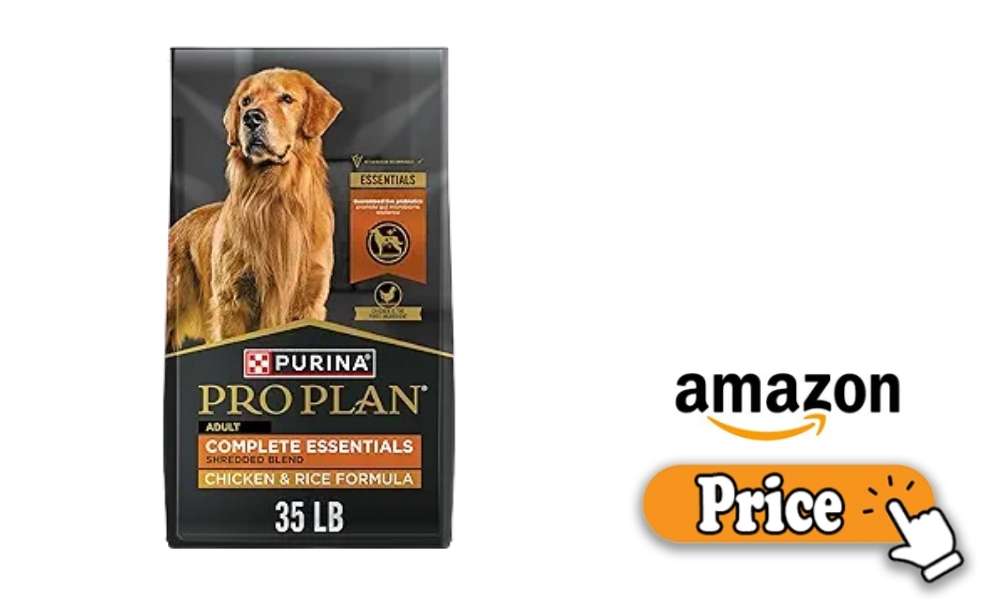
- Purina Pro Plan Complete Essentials Chicken & Rice
Same life stage. Same main protein. Same general goal.
This removes a lot of noise and lets us focus on what actually changes.
Ingredient Lists: Helpful, but Often Misunderstood
Most people start with the ingredient list. I get why. It feels concrete. But this is where things can get misleading fast.
Ingredient lists are ordered by weight before cooking. That means water content changes the order. It also means you can’t directly compare one list to another and draw clean conclusions.
What does matter at a basic level is this:
- The food is not grain-free
- The food is not raw
Both Purina One and Pro Plan meet those standards in their chicken and rice formulas. That’s a good starting point. Grain-free diets have been linked to heart issues in dogs, and raw diets come with real safety risks.
From a safety and structure standpoint, both foods are on solid ground.
The AAFCO Statement: A Big Difference Hides Here
This is one of the most important differences in the Purina One vs Pro Plan discussion, and most people miss it.
Every complete dog food sold in the U.S. has an AAFCO statement. But not all AAFCO statements are the same.
Purina One Adult Chicken & Rice is formulated to meet AAFCO standards for adult maintenance.
Purina Pro Plan Chicken & Rice is tested through animal feeding trials using AAFCO procedures.
That’s a meaningful step up.
Formulated diets are built on nutrient targets. Feeding trials actually test how dogs do when eating the food over time.
Is feeding trial data required for a good food? No.
Is it a bonus? Yes.
This is one of the reasons Pro Plan is considered the higher-tier option.
Real-World Feeding Guidance Matters
Another detail I pay close attention to is the feeding guide.
Pet obesity is common. Way too common. A feeding guide that overshoots calories can quietly cause weight gain over time.
Both foods do well here.
For a mid-size adult dog, the recommended portions line up closely with real calorie needs. That tells me the formulas aren’t designed to push overeating just to sell more food.
That may sound minor, but it matters in daily life.
Nutrient Profiles: Surprisingly Similar
Here’s where things get interesting.
When you compare the guaranteed analysis of both foods, they look almost identical:
- Protein: about 26%
- Fat: about 16%
- Fiber: about 3%
- Calcium and phosphorus: within optimal adult ranges
From a core nutrition standpoint, Purina One and Pro Plan are much closer than most people expect.
This is why many dogs do perfectly fine on Purina One for years.
So if the basics are similar, why pay more?
That’s where the extras come in.
Purina One vs Pro Plan: The Small Details That Make the Real Difference
Once you get past the basics, the Purina One vs Pro Plan comparison starts to make more sense. This is where the price gap comes from. Not from dramatic changes, but from small, specific upgrades.
Think of Purina One as a solid daily driver. Pro Plan is the same car with added safety features and tuning.
Feeding Trials: Why Pro Plan Scores Higher
One of the clearest differences between these two foods is feeding trials.
Purina Pro Plan formulas are often tested using real-world feeding trials. Dogs eat the food over time, and their health markers are monitored. This shows how the food performs in actual bodies, not just on paper.
Purina One, in many cases, is formulated to meet standards but not always feeding-trial tested.
Does that mean Purina One is unsafe? No. It meets all required nutrition rules.
But feeding trials add confidence. That’s why Pro Plan is often chosen for dogs with:
- Sensitive digestion
- Skin or coat issues
- Higher performance needs
For some owners, that extra testing alone makes Pro Plan worth the cost.
Prebiotics vs Probiotics: A Key Upgrade
This is one of the biggest practical differences.
Purina One focuses on prebiotic fiber.
Prebiotics feed the good bacteria already living in your dog’s gut.
Purina Pro Plan often adds live probiotics.
Probiotics are the actual beneficial bacteria.
Both approaches support digestion. But probiotics add another layer. They can help dogs that struggle with stool quality, stress-related gut upset, or frequent food changes.
If your dog has a tough stomach, this is one of the reasons people move from Purina One to Pro Plan and notice improvement.
Vitamin E Levels: A Quiet but Important Difference
Vitamin E doesn’t get much attention, but it should.
It supports:
- Immune health
- Skin and coat quality
- Antioxidant protection
Purina One typically meets basic vitamin E needs.
Purina Pro Plan often goes higher.
In side-by-side comparisons, Pro Plan formulas tend to offer noticeably higher vitamin E levels. This can matter for dogs with:
- Skin irritation
- Dull coats
- Higher oxidative stress
It’s not something you see on the front of the bag, but it’s part of what you’re paying for.
Same Macros, Better Fine-Tuning
This part surprises many people.
Protein, fat, fiber, calcium, and phosphorus levels are nearly the same between comparable Purina One and Pro Plan formulas.
So the difference isn’t bulk nutrition. It’s refinement.
Pro Plan takes the same solid base and adds:
- Feeding trial validation
- Live probiotics
- Higher antioxidant support
That’s why both foods can score high, but Pro Plan edges ahead.
Price vs Value: The Honest Trade-Off
Here’s where I get very practical.
If you can comfortably afford Pro Plan and your dog benefits from it, great. It’s a strong choice.
But if Purina One fits your budget better and your dog is thriving, that’s also a win.
Consistency matters more than perfection. Switching foods often because of cost stress or availability can upset digestion more than sticking with a slightly simpler formula.
Both foods are easy to find. Both are stable long-term options. That alone matters for many households.
When Purina One Makes the Most Sense
Purina One is a great option if:
- Your dog is healthy with no special needs
- You want something affordable and easy to find
- You value steady, no-frills nutrition
Many dogs live long, healthy lives on it. There’s no shame in choosing it.
When Pro Plan Is the Better Choice
Purina Pro Plan is often the better option if:
- Your dog has food sensitivities
- Digestive issues are ongoing
- You want feeding-trial-tested formulas
- You prefer added probiotics and antioxidants
These upgrades can make a real difference for the right dog.
Purina One vs Pro Plan: Clearing Up Common Myths and Label Confusion
By this point, the Purina One vs Pro Plan question usually turns emotional. Labels get read like warning signs. Ingredients get judged without context. I’ve done that myself, so I get it.
Let’s slow this down and clear up the biggest sources of confusion.
“Higher Tier” Does Not Mean “Other Foods Are Bad”
You’ll often hear Purina Pro Plan described as the “higher tier.” That’s true. But it doesn’t automatically make Purina One low quality.
Purina One is built to be dependable. It has fewer variations and fewer specialized formulas. That’s intentional.
Pro Plan adds more choices:
- More age-specific recipes
- More breed-size options
- More targeted health formulas
In fact, Purina One offers around 18 dry food varieties across life stage, size, and basic needs. Purina Pro Plan offers over 50 dry food varieties, not counting veterinary diets.
That difference alone explains a lot of the price gap.
Ingredient Fear: Soy, “Fillers,” and Shredded Blends
One topic that always comes up is soy.
Some Purina Pro Plan shredded formulas include soy. That surprises people because Pro Plan is seen as premium.
Here’s the honest take.
Soy is not toxic. It provides protein and amino acids. Some dogs digest it well. Others don’t.
If your dog has sensitivities, you may want to avoid shredded blends and choose a single-texture Pro Plan formula instead.
Purina One tends to avoid soy more often, simply because its recipes are simpler. That doesn’t make them better or worse. Just different.
“Better Ingredients” Is a Vague Claim
You’ll often hear people say Pro Plan has “better ingredients.” I’m careful with that phrase.
The core ingredients are similar. Chicken, rice, corn, and animal fat appear in both lines. The difference is not the presence of these ingredients, but how the formula is supported.
Pro Plan adds:
- Feeding trial validation
- Probiotics
- Higher antioxidant levels
That’s what pushes it into the premium category, not magic ingredients.
WSAVA Guidelines: What That Actually Means
This part is often misunderstood.
WSAVA does not approve dog food brands. They publish nutritional guidelines. It’s up to companies to meet them.
Purina is widely considered one of the brands that follows these guidelines closely. That applies to both Purina One and Purina Pro Plan.
So when people say “WSAVA approved,” what they really mean is that these foods align with WSAVA recommendations on formulation, research, and quality control.
That’s an important point, and it puts both foods on strong footing.
Real Dogs, Real Outcomes Matter More Than Labels
One thing I’ve learned over time is that label debates don’t always match real life.
I’ve seen dogs thrive on Purina One for over a decade. I’ve also seen dogs struggle on it and do better after switching to Pro Plan Sensitive Skin and Stomach.
Neither outcome is rare.
What matters most is:
- Consistent stool quality
- Healthy weight
- Good energy levels
- Skin and coat condition
If those boxes are checked, the food is doing its job.
Cheap Does Not Automatically Mean Low Quality
Another myth worth clearing up is price-based judgment.
Purina One is more affordable. That’s not because corners are cut. It’s because it:
- Has fewer specialized formulas
- Uses simpler feature sets
- Targets a broader market
For many households, that affordability makes long-term feeding possible. And long-term consistency is huge for digestive health.
Decision Fatigue Is Real
The sheer number of Pro Plan formulas can be overwhelming. Performance. Sport. Sensitive. Complete Essentials. Breed-specific.
Purina One keeps things simpler. For some owners, that’s a relief.
If you prefer fewer choices and less guesswork, Purina One may actually be the better experience.
Purina One vs Pro Plan: Which One Is Actually Better?
After all the labels, opinions, and ingredient debates, the Purina One vs Pro Plan decision comes down to something very simple: your dog.
I’ve fed both. I’ve seen dogs do great on both. And I’ve also seen dogs clearly tell their owners, “Nope, this one isn’t for me.”
So let’s talk honestly about how to choose.
When Purina One Makes the Most Sense
Purina One shines when your dog has basic needs and does well on standard formulas.
It’s a solid choice if:
- Your dog is healthy with no known sensitivities
- You want fewer choices and less confusion
- You need a reliable, affordable food long term
- You’re moving away from very low-end brands
For many dogs, Purina One does exactly what it should. Good energy. Normal digestion. A healthy coat.
I’ve seen dogs eat Purina One for years and age well. That matters more than marketing claims.
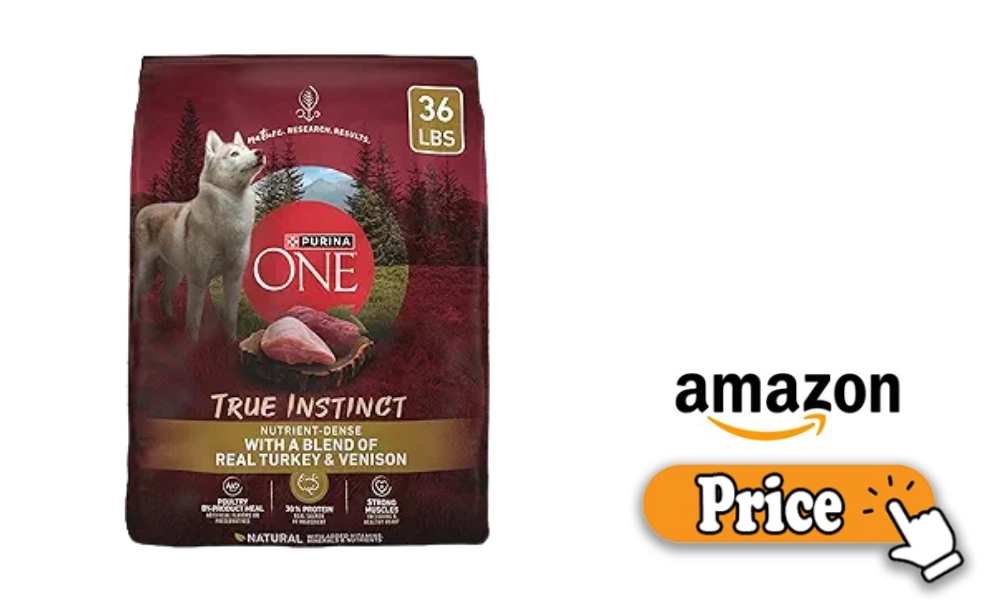
When Purina Pro Plan Is the Better Option
Purina Pro Plan earns its higher-tier reputation when your dog needs something more specific.
It’s usually the better pick if:
- Your dog has skin or stomach issues
- You need sensitive formulas
- You want breed-size or age-specific nutrition
- Your dog is very active or working
Pro Plan’s strength is precision. The extra formulas allow you to fine-tune nutrition instead of guessing.
That’s especially helpful for dogs with food sensitivities. Many dogs that struggle on basic foods stabilize once switched to Pro Plan Sensitive Skin and Stomach.
Is Pro Plan “Better” Overall?
Yes and no.
From a research and formulation standpoint, Pro Plan is more advanced. It offers more targeted nutrition and feeding-trial-backed formulas.
But that does not mean Purina One is inferior.
If your dog thrives on Purina One, switching “just because Pro Plan is higher tier” is not necessary.
Better food is the one your dog:
- Digests well
- Maintains weight on
- Enjoys eating
- Does not react poorly to
A Simple Decision Shortcut
If you want the shortest answer possible:
- Choose Purina One if your dog is healthy and you want dependable, affordable nutrition
- Choose Purina Pro Plan if your dog has special needs or you want precise control
Both are research-backed. Both are widely trusted. Both meet strong nutritional standards.
Purina One vs Pro Plan: Overall Comparison Table
| Feature | Purina One | Purina Pro Plan |
|---|---|---|
| Brand Relationship | Same parent company (Purina) | Same parent company (Purina) |
| Market Position | Mid-tier, everyday nutrition | Higher-tier, premium line |
| Number of Dry Formulas | ~18 varieties | 50+ varieties (excluding vet diets) |
| Target Audience | Healthy dogs with basic needs | Dogs with specific or special needs |
| Specialized Diets | Limited | Extensive (sensitive skin, stomach, performance, breed size, age) |
| Ingredient Approach | Simpler formulas | More functional ingredients |
| Soy Presence | Rare | Present in some “Shredded” formulas |
| Digestive Support | Basic | Added probiotics in many formulas |
| Research & Feeding Trials | Strong | Stronger and more extensive |
| WSAVA Alignment | Meets guidelines | Meets guidelines |
| Price Range | More affordable | More expensive |
| Choice Simplicity | Fewer options, less confusion | Many options, can feel overwhelming |
| Best For | Budget-friendly, long-term feeding | Precision nutrition and sensitivities |
| Common Reason to Switch | Outgrowing basic needs | Addressing allergies or digestion issues |
Final Thoughts From Real Experience
Dog food debates can get loud and emotional. I’ve learned to tune that out. Instead, I watch the dog. If stools look good, coats shine, and energy stays steady, the food is working.
The Purina One vs Pro Plan debate doesn’t have a universal winner. It has a better fit.
Start simple. Watch your dog. Adjust only if needed. That approach has never failed me.
FAQs for Purina One vs Pro Plan
Is Purina One or Purina Pro Plan better?
Purina Pro Plan is better for dogs with special needs. Purina One works well for healthy dogs. The better choice depends on how your dog reacts to the food.
What is the main difference in Purina One vs Pro Plan?
The main difference is variety. Purina Pro Plan has more formulas for size, age, and health needs. Purina One keeps things simpler and more affordable.
Is Purina Pro Plan worth the higher price?
Purina Pro Plan costs more because it offers targeted nutrition and probiotics. If your dog has skin or stomach issues, the price can be worth it.
Does Purina One have fewer ingredients than Pro Plan?
Yes. Purina One formulas are usually simpler. Pro Plan adds more functional ingredients to support digestion, energy, and specific health concerns.
Are Purina One and Pro Plan safe long term?
Yes. Both follow strong nutrition standards and research. Many dogs eat either Purina One or Pro Plan for years with good health results.