What should you feed your pet to keep them happy and healthy? Choosing the right food isn’t always easy.
With so many options on the market, it’s normal to feel confused or overwhelmed. But what if the secret to your pet’s well-being lies in simple, smart choices you can make today? You’ll discover easy tips to pick the best food for your furry friend.
You’ll learn what ingredients to look for—and which ones to avoid. Keep reading, because your pet’s health depends on what’s in their bowl.
Choosing The Right Diet
Choosing the right diet for your pet is a key part of keeping them healthy and happy. The food you give affects their energy, weight, and overall well-being. Balanced pet diet plans help provide all the nutrients your pet needs. Different pets have different needs, so understanding pet nutrition basics is important. This guide focuses on selecting the best food based on important factors and your pet’s age and breed.
Factors To Consider
Pet food types vary widely. Some pets do well on dry kibble, while others need wet or raw food. Knowing the pros and cons of each helps in making good choices. Quality of ingredients matters too. Look for foods with real meat, fewer fillers, and no artificial additives. Proper feeding pets also means watching portion sizes to avoid obesity or malnutrition.
Other key factors include:
- Health conditions: Pets with allergies or health issues need special diets.
- Activity level: Active pets burn more calories and need more energy-rich food.
- Weight management: Overweight pets benefit from low-calorie, high-fiber diets.
Here is a simple table outlining pet dietary requirements based on lifestyle:
| Pet Lifestyle | Recommended Food Type | Key Nutrients |
|---|---|---|
| Active | High-protein, energy-dense kibble or wet food | Protein, fats, vitamins |
| Less active | Low-calorie, high-fiber dry food | Fiber, moderate protein |
| Special health needs | Prescription or hypoallergenic diets | Customized nutrients based on condition |
Following pet diet guidelines helps prevent common issues like obesity and nutrient deficiencies. Regularly consult your vet to adjust your pet’s diet as needed.
Age And Breed Specific Needs
Pets have changing needs as they grow. Puppies and kittens need food rich in protein and calories for growth. Older pets require diets that support joint health and digestion. Using age-specific pet diet plans ensures your pet gets the right balance at every life stage.
Breed size also influences diet. Small breeds have faster metabolisms and may need calorie-dense food in small portions. Large breeds require diets that support bone and joint strength to avoid problems later in life. Breed-specific pet nutrition is important to meet these unique needs.
Here is a quick look at how age and breed affect pet feeding:
- Puppies/Kittens: High protein, fats, DHA for brain development.
- Adult pets: Balanced nutrients to maintain weight and energy.
- Senior pets: Lower calories, joint supplements, easy-to-digest ingredients.
- Small breeds: Frequent, small meals with nutrient-rich food.
- Large breeds: Controlled calcium and phosphorus, joint support.
Following these pet feeding tips tailored by age and breed keeps your pet strong and healthy. Always check labels and consult your vet for the best healthy pet food choices.
Credit: www.rspcapetinsurance.org.au
Types Of Pet Food
Choosing the right food for your pet plays a crucial role in their health and happiness. Understanding Pet Food Types helps you meet your pet’s unique dietary needs. Pets require a Balanced Pet Diet that supports their growth, energy, and overall wellness. The main categories of pet food include dry food, wet food, and raw or homemade diets. Each type offers distinct benefits and suits different pets and lifestyles. Learning about these options allows better decisions for Healthy Pet Feeding.
Dry Food Benefits
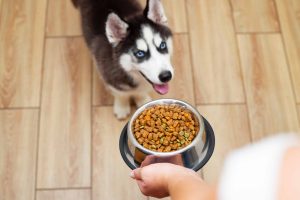
Dry Pet Food Benefits make it a popular choice among pet owners. Dry food, also known as kibble, offers convenience and long shelf life. It usually contains balanced nutrients to meet Pet Dietary Needs. Dry food helps keep teeth clean by reducing plaque buildup.
Key advantages of dry food include:
- Easy to store and measure portions
- Cost-effective compared to other types
- Supports dental health with crunchy texture
- Less messy and quick to serve
Here is a quick comparison of dry food features:
| Feature | Dry Food |
|---|---|
| Storage | Long shelf life, no refrigeration needed |
| Nutrition | Balanced with vitamins and minerals |
| Cost | Generally budget-friendly |
| Dental Health | Helps reduce tartar and plaque |
Dry food is a solid option for pet owners seeking easy feeding solutions without compromising Pet Nutrition.
Wet Food Advantages
Wet Pet Food Advantages lie in its high moisture content and palatability. This food type is usually canned or pouched, containing rich flavors that appeal to picky eaters. Wet food helps increase water intake, which benefits pets prone to dehydration or urinary problems.
Benefits of wet food include:
- Better hydration due to 70-80% moisture
- Soft texture, ideal for older pets or those with dental issues
- Strong aroma and taste to encourage appetite
- Variety of flavors and ingredients
A brief overview of wet food features:
| Feature | Wet Food |
|---|---|
| Moisture | High, supports hydration |
| Texture | Soft, easy to chew |
| Flavor | Strong and appealing |
| Feeding | Needs refrigeration after opening |
Wet food suits pets needing extra moisture and those who prefer tastier meals. It complements dry food well for a more varied Balanced Pet Diet.
Raw And Homemade Diets
Some pet owners choose Raw Pet Food Diet or Homemade Pet Food Recipes to control exactly what their pets consume. These diets use fresh ingredients, often uncooked or lightly cooked, aiming to mimic natural feeding habits. This approach can improve digestion and reduce artificial additives.
Advantages of raw and homemade diets include:
- Full control over Pet Food Ingredients
- Use of fresh, natural foods without preservatives
- Customization based on specific Pet Dietary Needs
- Potential for better coat, energy, and health
Important considerations for raw and homemade diets:
- Requires careful planning to ensure nutrient balance
- Risk of bacterial contamination if not prepared properly
- Time-consuming preparation compared to commercial foods
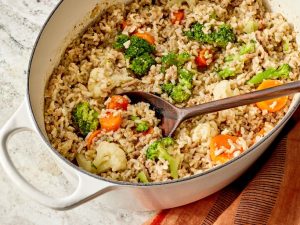
Here is a simple example of a homemade pet food recipe:
Ingredients: - Cooked chicken breast - Brown rice - Steamed carrots and peas - Fish oil supplement Preparation: 1. Cook chicken and rice thoroughly. 2. Mix chicken, rice, and veggies. 3. Add fish oil for omega-3s. 4. Serve at room temperature. Raw and homemade diets suit owners wanting full control over their pet’s nutrition. They demand effort but can deliver a highly personalized and fresh approach to Healthy Pet Feeding.
Essential Nutrients
Feeding your pet the right food is key to their health. Understanding essential nutrients for pets helps you choose the best diet. Pets need a balanced diet for pets that includes proteins, fats, vitamins, minerals, and water. These components support their growth, energy, and overall well-being. Proper pet nutrition improves their coat, digestion, and immune system.
Proteins And Fats
Protein sources for pets are crucial as they build muscles, repair tissues, and support the immune system. Proteins come from animal sources like chicken, beef, fish, and eggs, and some plants like soy. Pets need different amounts depending on their age, size, and activity level.
Healthy fats for pets provide energy and help absorb vitamins. They also keep the skin and coat shiny. Common fats in pet food include omega-3 and omega-6 fatty acids. These fats promote brain health and reduce inflammation.
| Nutrient | Function | Common Sources |
|---|---|---|
| Proteins | Muscle growth, tissue repair, immune support | Chicken, beef, fish, eggs, soy |
| Fats | Energy, vitamin absorption, healthy skin and coat | Fish oil, chicken fat, flaxseed oil |
Feeding guidelines for pets recommend a mix of proteins and fats for balanced energy. Too much fat can cause weight gain. Too little protein slows growth. Check pet food ingredients to ensure good quality proteins and fats.
Vitamins And Minerals
Pet vitamins and minerals support many body functions. Vitamins help the immune system, eyes, and skin. Minerals build strong bones, teeth, and muscles. Common vitamins include A, D, E, and B-complex. Important minerals are calcium, phosphorus, potassium, and zinc.
Deficiency in vitamins or minerals can cause health problems. For example, lack of calcium weakens bones. Too much vitamin A can be toxic. Balanced pet food contains the right mix to meet pet dietary requirements.
- Vitamin A: vision and skin health
- Vitamin D: calcium absorption and bone strength
- Calcium and phosphorus: teeth and bones
- Zinc: healing and immune function
Always follow feeding guidelines for pets to avoid vitamin or mineral imbalances. Supplements may be needed if pets have special needs or eat homemade diets.
Water Requirements
Hydration for pets is as important as food. Water helps with digestion, temperature control, and waste removal. Pets must have fresh water available all day. Dehydration can cause serious health issues quickly.
Water needs vary by size, age, activity, and diet type. Pets eating dry food need more water than those on wet food. Hot weather or exercise increases water needs too.
- Provide clean, fresh water daily.
- Check water bowls often and refill.
- Use multiple water stations for large homes.
- Watch for signs of dehydration like dry gums or lethargy.
Proper hydration supports overall health and complements other pet dietary requirements. Always include water as a key part of your pet’s balanced diet for pets.
Foods To Avoid
Feeding your pet a balanced diet is key to their health and happiness. Knowing which foods to avoid protects them from serious health risks. Pet food safety means keeping harmful ingredients out of their meals. Some common human foods are toxic to pets and can cause severe illness or even death. Understanding pet nutrition also involves recognizing which treats and snacks might do more harm than good. Sticking to pet diet guidelines helps maintain a healthy pet diet and prevents accidental poisoning. Always check your pet food ingredients and avoid anything unsafe.
Toxic Human Foods
Many foods safe for humans are dangerous for pets. These human foods dangerous for pets can cause vomiting, diarrhea, or worse. Some can damage organs or lead to death. Here are common toxic foods to avoid:
- Chocolate: Contains theobromine, toxic to dogs and cats.
- Grapes and raisins: Can cause kidney failure.
- Onions and garlic: Harm red blood cells and cause anemia.
- Alcohol: Very harmful even in small amounts.
- Caffeine: Leads to heart problems and seizures.
- Xylitol: A sweetener in gum and candy, causes low blood sugar and liver damage.
Here is a quick reference table for toxic foods for pets:
| Food | Effect on Pets |
|---|---|
| Chocolate | Vomiting, seizures, death |
| Grapes/Raisins | Kidney failure |
| Onions/Garlic | Anemia |
| Alcohol | Poisoning, coma |
| Caffeine | Heart issues, seizures |
| Xylitol | Low blood sugar, liver damage |
Never feed pets table scraps without checking safety first. These toxic foods for pets often hide in common meals.
Harmful Pet Treats
Not all pet treats are safe. Some commercial treats contain harmful ingredients or too many calories. Choose treats that support pet nutrition and pet food safety. Avoid treats with:
- Artificial colors and preservatives
- Excess sugar or salt
- Unknown or low-quality meat sources
- Excessive fat content
Homemade treats can be better but require care. Use only safe pet foods and avoid toxic ingredients. Treats should not replace a balanced diet. Follow these pet feeding tips for treats:
- Limit treat size and frequency.
- Check ingredient lists carefully.
- Offer treats made specifically for pets.
- Observe your pet for any reaction after new treats.
Below is a comparison of common treat types:
| Treat Type | Pros | Cons |
|---|---|---|
| Store-bought commercial treats | Convenient, balanced nutrition | May contain fillers, preservatives |
| Homemade treats | Control over ingredients | Risk of unsafe ingredients |
| Human foods as treats | Easy, often tasty | Many are toxic or unhealthy |
Always consult your vet about pet diet guidelines and safe treat choices. Avoid harmful pet treats to keep your furry friend happy and healthy.
Feeding Schedules
Creating a proper feeding schedule for pets is essential for their health and happiness. A well-planned routine helps maintain energy levels, supports digestion, and prevents overeating. Understanding the best times and amounts to feed your pet is part of good pet nutrition. Following pet diet guidelines ensures your furry friend gets the right nutrients at the right time. A consistent pet meal planning approach builds good habits and reduces stress for both pet and owner.
Meal Frequency
Meal frequency depends on your pet’s age, size, and activity level. Puppies and kittens usually need more frequent meals to support growth. Adult pets often do well with fewer meals per day. Senior pets might have different needs based on their health. Knowing the right number of meals helps keep your pet’s energy steady throughout the day.
- Puppies and kittens: 3 to 4 small meals daily.
- Adult dogs and cats: 2 meals daily, morning and evening.
- Senior pets: Consult your vet for a customized plan.
Regular meal times help with digestion and improve your pet’s behavior. Skipping meals can cause hunger and restlessness. Feeding at set times also makes it easier to monitor your pet’s eating habits and detect health issues early.
| Pet Type | Recommended Meals Per Day | Reason |
|---|---|---|
| Puppies/Kittens | 3-4 | Supports growth and high energy needs |
| Adult Dogs/Cats | 2 | Maintains weight and energy balance |
| Senior Pets | 1-2 | Adjusts for slower metabolism and health issues |
Portion Control
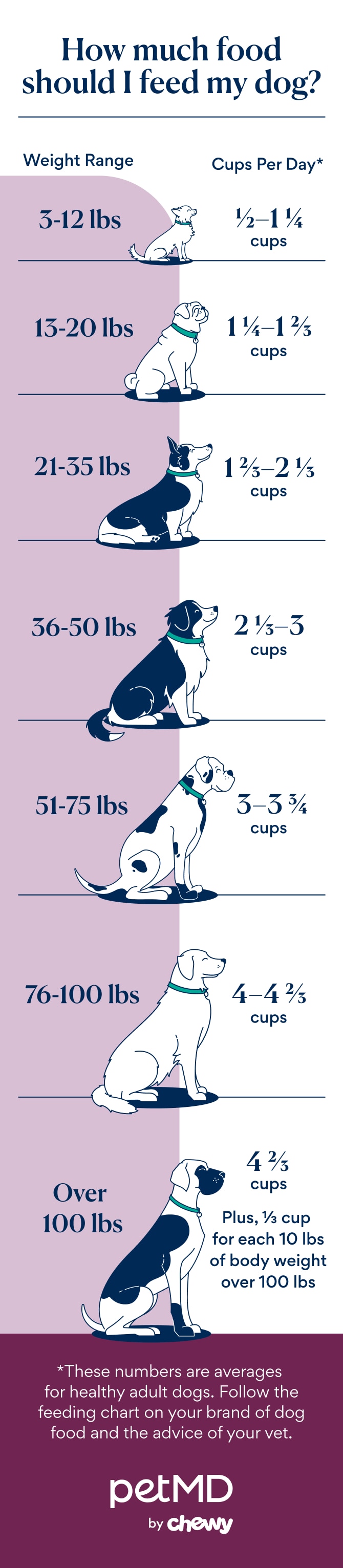
Proper portion control is key in pet meal planning. Feeding the right amount prevents obesity and supports a healthy weight. Use pet food portions based on your pet’s size, age, and activity. Overfeeding leads to weight gain, while underfeeding causes weakness and poor health.
Follow these pet feeding tips for portion control:
- Read the feeding guidelines on your pet food package.
- Use a measuring cup or scale for accuracy.
- Divide daily portions into meals according to your pet’s feeding schedule for pets.
- Adjust portions for treats and snacks to avoid extra calories.
Balanced pet meals require attention to both quantity and quality. Avoid guessing portions to meet your pet’s dietary needs. Tracking intake helps prevent health problems like diabetes and joint stress. Healthy pet treats should be included in the total daily food amount to keep the diet balanced.
| Pet Weight | Daily Food Amount (cups) | Notes |
|---|---|---|
| Up to 10 lbs | ½ – 1 | Small breed or young pets |
| 10 – 30 lbs | 1 – 2 | Medium size pets with moderate activity |
| 30+ lbs | 2 – 4 | Larger pets or active dogs |
Special Dietary Needs
Choosing the best food for pets requires understanding their special dietary needs. Pets are not all the same. Some have unique requirements that affect their health and happiness. A balanced pet diet supports energy, growth, and overall well-being. Paying attention to specific needs helps avoid problems like allergies, weight issues, or chronic illnesses. Learning about these needs improves pet nutrition and guides better pet food recommendations.
Allergies And Sensitivities
Pet allergies and pet food sensitivities can cause discomfort and health problems. Signs include itching, redness, vomiting, or diarrhea. Common allergens are proteins like beef, chicken, dairy, or grains. Identifying the cause is key to choosing the right diet.
To manage allergies and sensitivities:
- Observe your pet for reactions after eating certain foods.
- Try an elimination diet under vet guidance.
- Choose hypoallergenic or limited ingredient diets.
- Read labels carefully for hidden allergens.
| Common Pet Allergens | Possible Symptoms | Dietary Solution |
|---|---|---|
| Beef | Itching, ear infections | Switch to fish or lamb-based food |
| Grains | Digestive upset, skin issues | Use grain-free pet diets |
| Dairy | Diarrhea, gas | Avoid dairy ingredients |
Following pet feeding guidelines tailored for sensitivities improves comfort and health.
Weight Management
Maintaining a healthy weight is vital for long life and quality of life. Pet weight management prevents issues like diabetes, joint pain, and heart disease. Overweight pets need careful diet control and exercise.
Steps for weight control include:
- Measure food portions strictly according to pet feeding guidelines.
- Choose low-calorie, high-fiber pet food recommendations.
- Feed smaller, more frequent meals to avoid hunger.
- Increase physical activity based on pet’s ability.
| Weight Status | Diet Focus | Exercise Tips |
|---|---|---|
| Underweight | High-protein, nutrient-dense food | Gentle play, short walks |
| Ideal Weight | Balanced pet diet | Regular exercise, playtime |
| Overweight | Low-calorie, fiber-rich food | Longer walks, active games |
Consistent monitoring and adjusting the pet diet supports healthy weight and prevents health problems.
Health Conditions
Pet health conditions often require special diets. Pets with kidney disease, diabetes, or allergies need foods that support their condition. Proper nutrition can ease symptoms and improve quality of life.
Examples of diet changes for health conditions:
- Kidney disease: Low protein and phosphorus to reduce kidney strain.
- Diabetes: Controlled carbohydrate levels to manage blood sugar.
- Arthritis: Foods rich in omega-3 fatty acids to reduce inflammation.
Consult with a vet to get pet food recommendations specific to your pet’s health. Many commercial diets cater to these needs. Homemade diets require careful balance to avoid nutrient gaps.
Using a proper diet for pet health conditions helps pets live longer, healthier lives. Always follow pet feeding guidelines given by professionals for best results.
Consulting A Veterinarian
Feeding pets the right food is essential for their health and happiness. Consulting a veterinarian helps ensure pets get the best nutrition for their unique needs. Vets provide expert advice on pet diet management and help create balanced pet diets. They consider factors like age, breed, weight, and any health issues. This personal approach supports long-term pet wellness and prevents nutrition-related problems.
Tailoring Diet Plans
Tailoring diet plans for pets starts with a detailed assessment by a veterinarian. Each pet has different dietary needs based on:
- Age – puppies and kittens require more energy and nutrients than adults.
- Breed – some breeds have specific food sensitivities or energy needs.
- Health status – pets with allergies or illnesses need special diets.
- Activity level – active pets burn more calories and need more food.
Vets design a balanced pet diet to meet these needs. They select foods rich in proteins, fats, vitamins, and minerals. For example, a dog with joint problems might get food with added glucosamine.
| Pet Type | Key Nutritional Needs | Typical Food Recommendations |
|---|---|---|
| Young Puppy | High protein, DHA for brain development | Special puppy formula, wet or dry food |
| Adult Cat | Balanced protein, taurine, moderate fat | Adult cat food, controlled portions |
| Senior Dog | Low fat, joint supplements, fiber | Senior dog diet, easy to digest food |
Following pet food guidelines from vets reduces risks of obesity, allergies, and nutrient gaps. It also improves energy, coat quality, and overall health.
Monitoring And Adjustments
Monitoring pet health is crucial after starting a new diet. Vets recommend regular check-ups to observe changes in weight, digestion, and behavior. This ongoing care helps catch problems early and keeps pets healthy.
Signs to watch include:
- Changes in appetite or thirst
- Weight gain or loss
- Coat condition and skin health
- Energy levels and activity
- Digestive issues like vomiting or diarrhea
Based on these observations, vets suggest adjusting pet diet plans. Adjustments may involve:
- Changing portion sizes to control weight
- Switching to hypoallergenic or special formula foods
- Adding supplements for vitamins or minerals
- Altering feeding frequency or meal timing
Good pet diet management includes tracking these changes and staying in touch with the vet. This approach ensures pets receive healthy pet meals that support their evolving needs.
| Monitoring Area | Adjustment Example |
|---|---|
| Weight Gain | Reduce food portions, increase exercise |
| Digestive Upset | Switch to sensitive stomach diet |
| Low Energy | Add balanced supplements, review feeding schedule |
Following pet feeding tips from veterinarians helps maintain a happy, healthy pet life. Regular monitoring and flexible diet plans are keys to good pet dietary needs fulfillment.
Credit: www.petmd.com

Credit: www.carecredit.com
Frequently Asked Questions
What Are The Best Foods For Different Pet Types?
Different pets need specific diets. Dogs thrive on high-quality protein. Cats require taurine-rich food. Small pets like rabbits need fresh vegetables. Always choose species-appropriate, balanced meals to ensure health and vitality.
Can Human Food Be Safe For Pets?
Some human foods like carrots or cooked chicken are safe for pets. Avoid toxic foods like chocolate, onions, and grapes. Always consult a vet before introducing new foods to your pet’s diet.
How Often Should I Feed My Pet Daily?
Feeding frequency depends on pet type, age, and size. Most adult dogs eat twice daily. Cats prefer multiple small meals. Small animals may need constant access to food. Follow vet guidelines for best results.
Should I Give My Pet Supplements?
Supplements can help pets with specific health needs. Only use supplements recommended by a veterinarian. Over-supplementing may cause harm. A balanced diet often provides all necessary nutrients.
Conclusion
Feeding your pet the right food keeps them happy and healthy. Choose meals that suit their age, size, and needs. Fresh water must always be available. Avoid giving pets harmful human foods or too many treats. Watch their weight and energy to adjust meals as needed.
Talk to a vet for advice on special diets. Good nutrition helps pets live longer and feel better every day. Simple care makes a big difference in your pet’s life. Keep it balanced, fresh, and safe. Your pet will thank you with love and loyalty.