Dogs sense spicy heat as pain; they do not enjoy complex spicy flavors.
If you have ever wondered, do dogs taste spicy foods, you are not alone. I have spent years writing about pet nutrition, testing safe flavor add-ins, and speaking with veterinarians and trainers. In this guide, I break down how a dog’s senses work, what “spicy” really means, and how to keep your best friend safe. Stay with me, and you will walk away with clear, science-backed tips you can use today.
How dogs taste, smell, and feel food
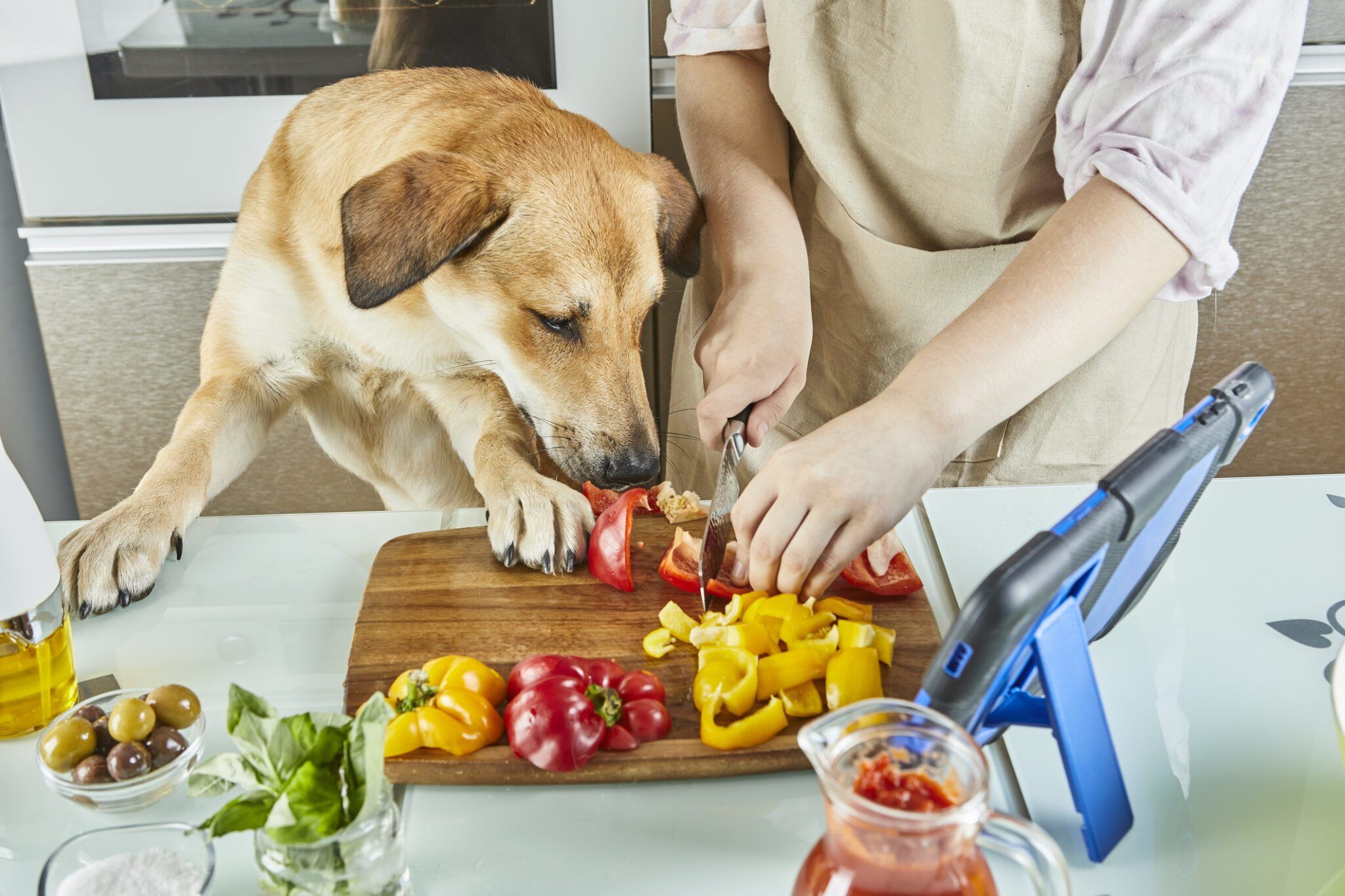
Dogs taste differently than we do. They have about 1,700 taste buds, while humans have around 9,000. They still detect sweet, sour, salty, bitter, and some umami, but with less detail.
Spice is not a taste. It is a heat or burn signal from the trigeminal nerve. Capsaicin in chili peppers triggers the TRPV1 receptor, which shouts “hot!” to the brain.
Smell drives flavor for dogs. Their noses are powerful, so aroma shapes what they like more than taste alone. This is why a warm, meaty scent wins over subtle spices.
People ask, do dogs taste spicy foods? They detect the heat and irritation more than any flavor notes. That is why many dogs lick once, then back off, drool, or paw at the mouth.

What “spicy” really means for dogs
Spicy food contains capsaicin or similar irritants. These molecules do not add taste. They light up pain and heat pathways.
Dogs feel this heat quickly. The tongue, lips, and even the nose may sting. Their eyes may water if vapor drifts up.
You might wonder, can dogs taste chili? They mostly feel it. The scent may pull them in, but the burn often pushes them away.
Do dogs taste spicy foods in real life? Signs and reactions
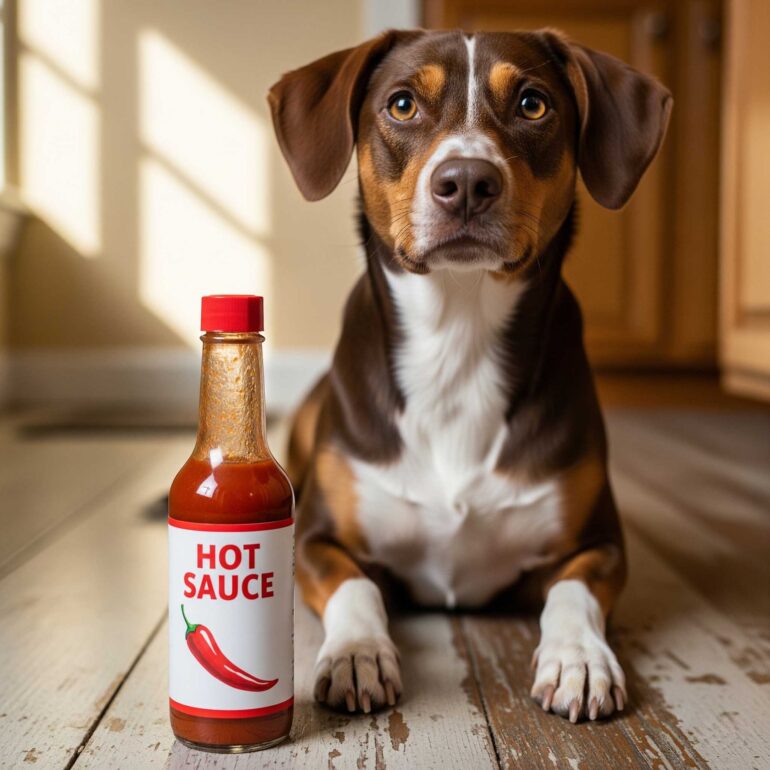
Do dogs taste spicy foods the way we do when we enjoy salsa or curry? Not really. Most dogs show discomfort first.
Common signs include:
- Licking lips, drooling, or pawing at the face.
- Rubbing the face on the floor or couch.
- Shaking the head or sneezing.
- Drinking lots of water, then avoiding the food.
From my own experience, my neighbor’s beagle once snagged a tortilla chip with hot sauce. He licked, paused, then ran to his bowl and drank. He sneezed a few times and avoided the plate after that. Do dogs taste spicy foods? He seemed to feel the heat, not a flavor he wanted.
Another time, while testing safe food enrichments, I let a dab of mild chili smell sit near a treat. The dog sniffed, squinted a bit, and chose the plain treat instead. Please do not run your own spice tests. Discomfort is still pain.
Health risks of spicy foods for dogs
Do dogs taste spicy foods without harm? Even small tastes can cause trouble. Risk varies by the food, the dog’s size, and what else is in the dish.
Key risks include:
- Mouth and throat irritation. Capsaicin can burn soft tissue.
- Stomach upset. Vomiting, diarrhea, gas, and cramping are common.
- Pancreatitis risk. Spicy foods often come with fat, oil, or rich sauces. These can inflame the pancreas, especially in small or at-risk dogs.
- Toxic add-ins. Many spicy dishes have onion, garlic, leeks, or chives. These can damage red blood cells in dogs.
- Salt overload. Seasoned chips and sauces can pack sodium and cause thirst or worse.
- Eye and nose irritation. Chili dust can sting eyes and nostrils.
Research in veterinary medicine notes that capsaicin irritates mucous membranes and the gut. Case reports show GI upset after spicy exposure. We lack dose-perfect data for all dogs. But the pattern is clear: heat plus rich food equals higher risk.
Safe flavor boosts and training tips that work
If you are asking, do dogs taste spicy foods because you want more flavor, there are better, safe ways. Aim for aroma, texture, and simple tastes dogs love.
Dog-safe flavor ideas:
- Warm the food slightly. Aroma blooms and boosts interest.
- Add a spoon of plain pumpkin puree. It adds fiber and a sweet note.
- Mix in low sodium bone broth. Scent draws dogs in.
- Sprinkle parsley or basil. Use a light hand for a fresh scent.
- Tiny amounts of turmeric with vet guidance. It can stain, so use care.
- Add texture. A few green beans or cucumber slices can crunch.
High-value training treats:
- Plain boiled chicken breast in pea-sized pieces.
- Small bits of low fat cheese, if your dog tolerates dairy.
- Freeze-dried single-ingredient meat treats.
Behavior tips:
- Keep spicy plates out of reach. Use baby gates or crates during meals.
- Teach “leave it” and “wait.” Reward with safe, tasty bites.
- Use a lick mat with plain yogurt or mashed banana for meal calm. Yogurt is only for dogs that tolerate dairy.
Do dogs taste spicy foods like a flavor adventure? Not in a way that helps training. Lean on scent and simple, safe tastes instead.

What to do if your dog eats something spicy
Do dogs taste spicy foods and bounce back fast? Some do. Still, act with care.
Steps to take:
- Remove the food. Offer cool water.
- Do not give milk. Many dogs are lactose sensitive.
- You can offer a small amount of plain food later, like rice and chicken, if your vet approves.
- Do not induce vomiting unless your vet tells you to.
- Watch for drooling, vomiting, diarrhea, belly pain, lethargy, or eye irritation.
- Call your vet if your dog is small, has health issues, or the food included onion, garlic, xylitol, large amounts of chili, or heavy oils.
If your dog rubs the face, rinse with lukewarm water. Keep soaps away from eyes. If eyes look red or your dog squints, get veterinary advice right away.

Frequently Asked Questions
Do dogs taste spicy foods like humans do?
Not really. Dogs feel the heat and pain more than any complex spice flavor.
Why do dogs taste spicy foods differently than we do?
Dogs have fewer taste buds, and capsaicin triggers pain receptors, not taste buds. Their big sense of smell also shapes flavor more than spice does.
Can a tiny bite of spicy food hurt my dog?
It can still cause drooling, stomach upset, or eye irritation. The risk rises if the dish has onion, garlic, heavy fat, or lots of salt.
Is black pepper safe for dogs?
A tiny dusting is usually not toxic but can irritate the mouth and nose. There is no benefit, so it is best to avoid it.
What signs show my dog is uncomfortable after spicy food?
Watch for lip licking, drooling, pawing at the mouth, sneezing, vomiting, or diarrhea. Call your vet if signs are severe or do not fade.
Are there spices that are safe for dogs?
Mild herbs like parsley and basil are generally safe in tiny amounts. Avoid hot peppers, pepper flakes, and any blends with onion or garlic.
Do dogs taste spicy foods enough to learn from a “hot chili” deterrent?
Using spice as a deterrent is unkind and can backfire with pain and fear. Teach “leave it” and manage the space instead.
Conclusion
Dogs do not enjoy spice like we do. They feel heat as pain, and spicy dishes often carry extra risks from fat, salt, and toxic add-ins. The better path is simple: use scent, texture, and mild, dog-safe flavors, and train with calm, clear cues.
Try one safe flavor boost this week, like warm broth or parsley, and practice a solid “leave it.” If you found this helpful, subscribe for more pet-safe nutrition tips and share your questions in the comments.