Yes — food can contribute to anal gland issues in dogs by affecting stool bulk, inflammation, and allergies.
As a long-time dog caregiver and content writer who has worked alongside veterinarians, I’ve seen how diet shapes anal gland health. This article explains how food can cause anal gland issues in dogs, what foods and nutrients matter most, practical diet changes to try, and when to seek veterinary care. Expect clear, evidence-based guidance, real-world tips, and easy steps you can follow today to help your dog feel better.

How anal glands work
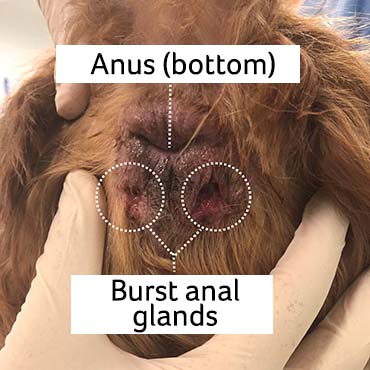
Anal glands sit on either side of a dog’s anus. They hold a thin, foul-smelling fluid used for scent marking. Normally glands empty when a dog poops. If glands don’t empty well, they can get impacted, inflamed, infected, or abscessed.
Common triggers for problems include thick fluid, small or obstructed ducts, chronic diarrhea, and repeated scooting. Diet plays a role because it affects stool size, digestion, and gut inflammation. Understanding this link helps you prevent repeat issues.

Can food cause anal gland issues in dogs?
Yes — food can cause anal gland issues in dogs in several indirect and direct ways. The most common path is stool consistency. Too-soft stool won’t press the glands during defecation, so glands don’t empty fully. Over time that leads to impaction and infection.
Food can also trigger allergies and gut inflammation. When a dog reacts to an ingredient, the gut can become inflamed and stool quality can change. Chronic inflammation and abnormal stool both raise the risk of anal gland problems. Additionally, very high-fat meals can cause loose stools or pancreatitis, which again affects gland emptying.
Research and clinical observations show diet changes can improve anal gland health in many dogs. However, not every case is diet-related. Structural issues, age, obesity, breed predisposition, and previous infections also matter. So while food can cause anal gland issues in dogs, it’s one factor among several.

Dietary factors that contribute to anal gland problems
Below are the main ways diet influences anal gland health.
Stool bulk and fiber
- Low fiber or overly digestible diets can produce soft stools that fail to express glands.
- Soluble and insoluble fiber add bulk and create firmer stools.
Food allergies and intolerances
- Ingredients like beef, dairy, wheat, chicken, and soy can cause chronic gut upset.
- Allergic dogs often have loose stools and increased anal gland issues.
High fat and rich foods
- Greasy or fatty human foods can cause loose stools or intermittent diarrhea.
- Chronic fat-induced loose stool means less natural gland emptying.
Hydration and stool consistency
- Dehydration and certain diets can make stools either too hard or too soft.
- Both extremes can be problematic for gland function.
Microbiome imbalance
- Poor diet quality can alter gut bacteria, affecting digestion and stool quality.
- A healthier microbiome often supports steadier stool formation.
Obesity and slowed gut transit
- Overweight dogs may have gut motility changes and sit differently when defecating.
- Changes in posture and transit time affect gland expression.
These factors explain why food can cause anal gland issues in dogs: diet changes stool, inflammation, and gut health — all tied to gland function.
Foods and additives to avoid
If you suspect your dog’s diet contributes to anal gland trouble, consider removing or minimizing the following:
Highly processed kibble with unclear meat sources
- Some low-quality kibbles lack fiber and use fillers that produce soft stools.
Common allergenic proteins
- Beef, dairy, chicken, wheat, soy, and eggs can be triggers for some dogs.
Human table scraps and fatty foods
- Greasy meats, butter, and fried food can cause loose stool and pancreatitis.
Artificial colors, flavors, and preservatives
- These can irritate sensitive dogs and disrupt digestion.
Excessive treats and variety
- Rapid switching among proteins or too many treats can upset the gut.
Instead, choose whole-protein diets, moderate fiber, and minimal additives. Test changes one at a time to spot the culprit.
Preventive diet and management strategies
Practical diet steps can reduce the chance that food causes anal gland issues in dogs. Try these friendly, evidence-based tips.
Increase fiber carefully
- Add canned pumpkin (plain) or psyllium husk in small, measured amounts.
- Aim for firmer stools, not constipation.
Try single-protein or novel-protein diets
- Use fish, rabbit, venison, or duck if common proteins cause reactions.
- A limited-ingredient diet can reveal allergy links.
Use high-quality dog food
- Look for named meat sources, balanced nutrients, and appropriate fiber.
- Avoid mysterious “meat meal” as the primary source.
Add gut-friendly supplements
- Probiotics can stabilize gut flora and improve stool consistency.
- Omega-3 oils reduce inflammation but watch for fat-related loose stools.
Monitor feeding routine and portions
- Stick to regular meals and avoid overfeeding or frequent table scraps.
- Weight control helps gut motility and defecation posture.
Track stool and behaviors
- Keep a log of stool texture, frequency, and any scooting or licking.
- Notes help your vet evaluate whether diet is the driver.
Start small and be patient. Diet changes often take 2–6 weeks to show steady improvement. If soft stools resolve and scooting stops, diet was likely a contributor.

When to see a vet and treatment options
Food changes help many dogs, but some cases need medical care. Watch for these red flags:
- Severe pain, swelling, or blood near the anus
- Repeated, worsening scooting or licking despite diet changes
- Fever, lethargy, or signs of systemic illness
Veterinary options include:
- Manual expression or flushing of anal glands
- Antibiotics for infection and anti-inflammatories for pain
- Short-term dietary trials for suspected food allergies
- Anal sac surgery (sacculotomy) in recurrent or severe cases
A vet will examine glands, possibly run cytology or culture, and advise on diet trials or allergy testing. Treating an active infection promptly avoids abscess and surgery.
Personal experience and practical tips
From working with rescue dogs and discussing cases with vets, I learned a few things that helped dogs recover.
Start with stool first
- When a pup had chronic scooting, switching to a fiber-rich, single-protein diet made stools firm within weeks and reduced gland issues.
Track one change at a time
- Testing new food and supplements one by one revealed which ingredient triggered loose stools for one of my fosters.
Use pumpkin, not too much
- Plain canned pumpkin often worked better than over-the-counter fiber treats. Small amounts improved stool quality quickly.
Don’t ignore behavior
- Scooting, tail chasing, or sudden licking usually signals a problem. Early diet change plus a vet check prevented repeated infections.
These are simple, actionable steps. Every dog is different, so use careful observation and partner with your vet.
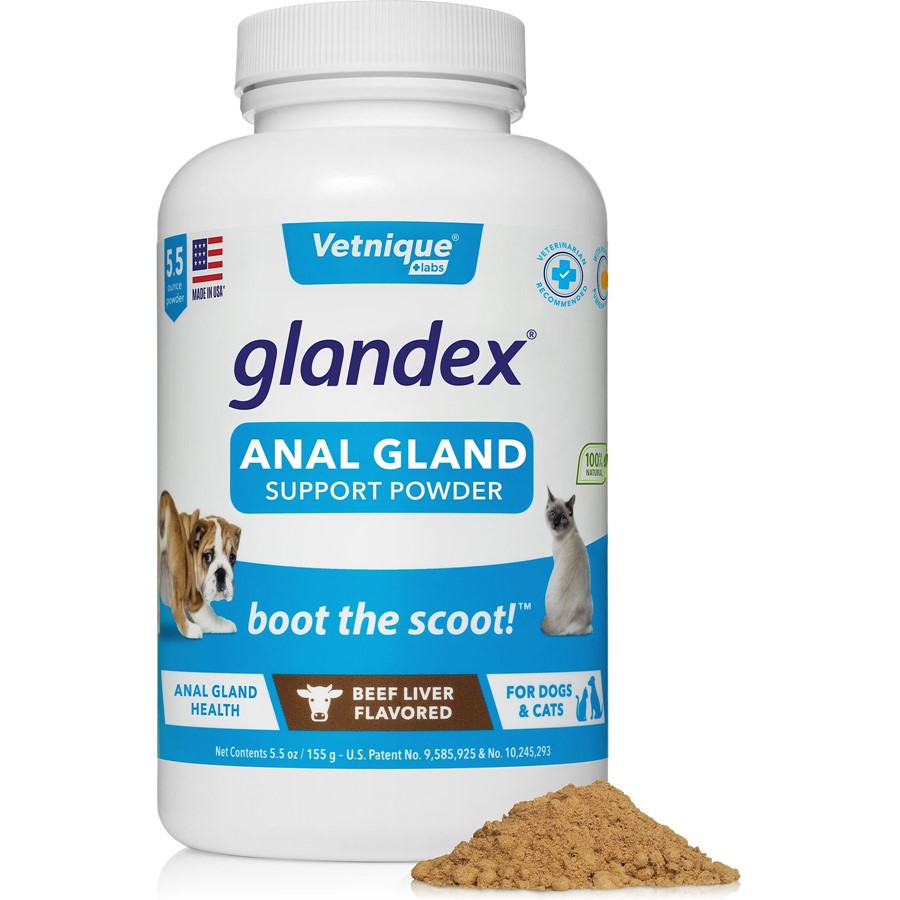
Quick common questions about can food cause anal gland issues in dogs
Can switching dog food fix anal gland problems?
Switching to a higher-fiber or limited-ingredient diet often helps. Allow 2–6 weeks to see stool and gland changes.
Will adding pumpkin help anal glands?
Plain canned pumpkin adds soluble fiber and can firm stools for many dogs. Start with 1 teaspoon to 1 tablespoon per meal, based on size.
Are raw diets linked to anal gland issues?
Raw diets vary widely; they can produce firmer or looser stools depending on composition. Monitor stool quality and consult a vet for balance and safety.

Frequently Asked Questions of can food cause anal gland issues in dogs(make it h2 tag)
What are the first signs that food might be causing anal gland problems?
Look for scooting, licking the rear, soft or loose stools, and occasional discharge. If these start after a diet change, food may be the trigger.
How long after changing diet will I see improvement?
You may see changes in stool within a few days, but expect 2–6 weeks for consistent improvement in anal gland function. Give a full trial before concluding.
Can food allergies alone cause anal gland infections?
Food allergies can lead to chronic gut inflammation and soft stools, increasing the risk of impaction and secondary infection. Allergies are often one part of the problem.
Should I express my dog's anal glands at home if diet doesn’t help?
Home expression carries infection risk if done incorrectly. Ask your vet or groomer to show you the safe technique and frequency first.
Are there supplements that prevent anal gland issues?
Fiber supplements and probiotics often help by improving stool quality and gut flora. Use them under veterinary guidance to avoid constipation or imbalance.
Conclusion
Food can cause anal gland issues in dogs by changing stool bulk, triggering allergies, and altering gut health. Many dogs improve with simple diet changes—adding fiber, testing limited proteins, and using high-quality food—but some need medical treatment. Pay attention to scooting, stool texture, and response to diet trials. Start small, track progress, and work with your veterinarian for testing and treatment when needed. Try one dietary change this week, note any improvement, and reach out to your vet if signs persist or worsen. Leave a comment with your experience or subscribe for more practical pet health tips.