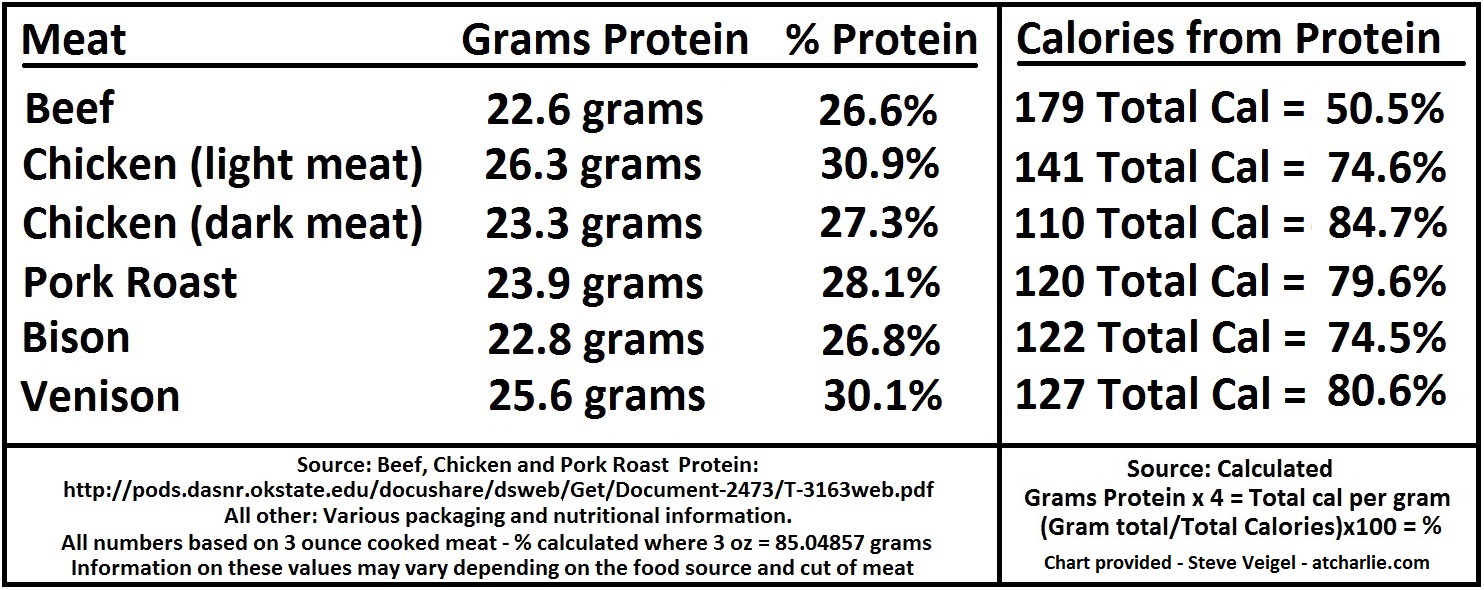
Most dog foods contain about 18% to 30% protein, or roughly 5 to 12 grams per ounce.
If you have ever stared at a dog food label and wondered what that number really means, you are not alone. “How many grams of protein in dog food” sounds simple, but the real answer depends on the food type, moisture level, and your dog’s age, size, and health. Let’s break it down in a clear, practical way so you can read labels with confidence and choose the right food for your dog.
How protein in dog food is measured
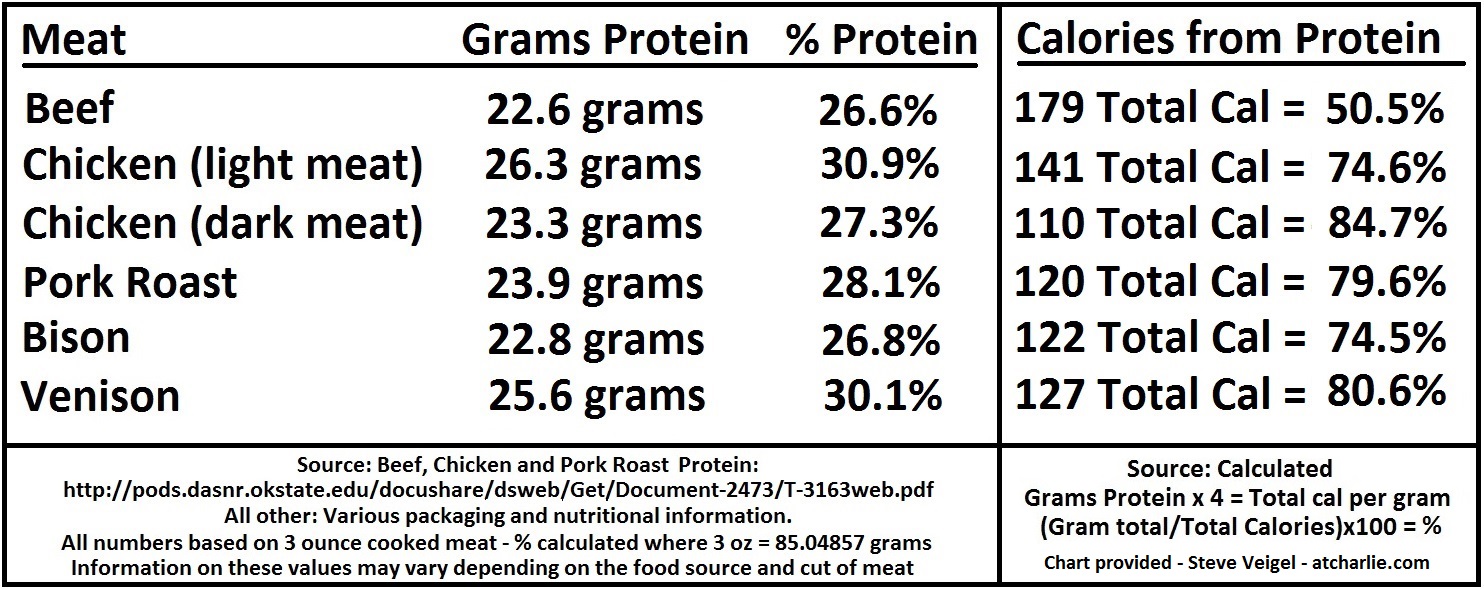
Protein on a dog food label is usually listed as a percentage on an as-fed basis. That means the number includes water, so wet food and dry kibble cannot be compared fairly unless you convert them.
Here is the simple idea:
- Dry dog food is more concentrated
- Wet dog food has more water
- The same protein percentage can mean very different gram amounts
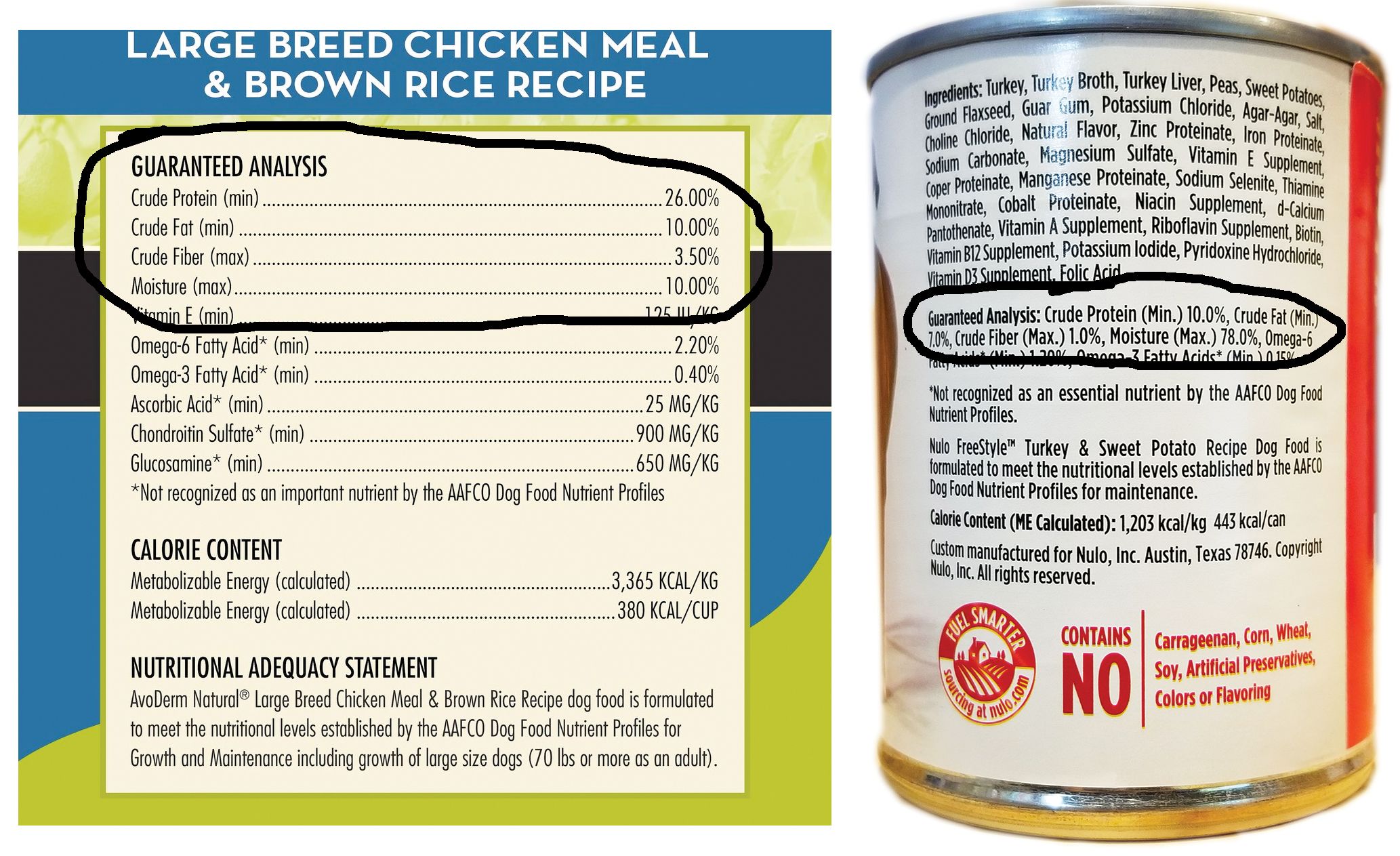
For example, a kibble with 25% protein may have far more actual protein per cup than a canned food with 10% protein. That is why the question “how many grams of protein in dog food” needs more than one answer.
A good label reading habit is like checking the fuel gauge before a road trip. The number matters, but the context matters even more.
How many grams of protein in dog food by type
The exact grams depend on the brand and recipe, but these ranges are common and useful.
Dry dog food
Dry dog food usually contains about 20% to 30% protein. Since kibble is low in moisture, it often delivers around 6 to 12 grams of protein per ounce.
Common examples:
- A 1-cup serving of kibble may provide about 18 to 30 grams of protein
- A 3.5-ounce serving may provide about 20 to 35 grams of protein, depending on density
In my experience, many owners are surprised by how much protein a small serving of kibble can deliver. That is because dry food is compact, like a concentrated snack instead of a watery meal.
Wet dog food
Wet dog food usually has about 5% to 12% protein as fed. That may sound low, but canned food contains a lot of water, so the real protein content is often higher than the label first suggests.
Typical range:
- About 2 to 5 grams of protein per ounce
- About 15 to 35 grams per can, depending on can size and recipe
This is why wet food can be misleading if you only look at the percentage. The water adds weight, just like a soaked sponge looks bigger than the dry one.
Fresh or refrigerated dog food
Fresh dog food often falls between dry and wet food in protein content. Many formulas provide about 10% to 20% protein as fed, though some high-protein recipes go higher.
Typical range:
- About 4 to 8 grams of protein per ounce
- About 25 to 60 grams per meal package, depending on serving size
Fresh food can be a strong choice for dogs that need palatable meals, but you still need to check the label closely. The serving size and calorie count matter as much as the protein percentage.
Raw dog food
Raw diets vary a lot. Some are very high in protein, while others are balanced with bone, organ meat, and fat, so the grams of protein can shift widely.
Typical range:
- Often 40% to 70% protein on a dry matter basis
- Actual grams depend on the formulation and moisture level
Raw feeding can be confusing because the numbers may look impressive, but balance matters more than a big protein figure. A dog needs complete nutrition, not just a high protein count.
How to convert protein percentage into grams
If you want to know how many grams of protein in dog food, you can estimate it with a simple formula.
Basic formula
- Protein grams = total food weight in grams × protein percentage
Example:
- A 100-gram serving of dog food with 25% protein
- 100 × 0.25 = 25 grams of protein
For dry food
Dry food is often easier to estimate because the moisture is low.
Example:
- 1 ounce of kibble weighs about 28 grams
- If the kibble is 25% protein, then 28 × 0.25 = 7 grams of protein per ounce
For wet food
Wet food needs extra care because the water content is high. A 10% protein canned food may sound weak, but if a can weighs 12 ounces, the total protein can still be meaningful.
Example:
- 12-ounce can
- 10% protein
- 12 × 28.35 = about 340 grams total weight
- 340 × 0.10 = about 34 grams of protein per can
That is why grams are often more helpful than percentages when comparing foods.
Why protein needs vary by dog
The “right” amount of protein is not the same for every dog. Age, activity, breed, and health all shape the answer.
Puppies
Puppies need more protein than adult dogs because they are growing fast. Their food should support muscle, bone, and tissue development.
Adult dogs
Most healthy adult dogs do well on moderate to high protein diets. Active dogs, working dogs, and athletic breeds often need more.
Senior dogs
Older dogs may still need good protein, especially to protect lean muscle. A common mistake is assuming senior dogs should always eat low protein, but that is not always true.
Dogs with health issues
Some dogs need special diets due to kidney disease, liver disease, or other conditions. In these cases, protein level should be guided by a veterinarian.
I have seen pet owners switch to a lower protein food too quickly, thinking it is safer. Sometimes that leads to more weakness, poorer muscle tone, or less energy. The better move is to ask what the dog’s body actually needs, not just what sounds gentle.
What counts as a good protein level in dog food
There is no single perfect number. Still, these general ranges are useful for healthy dogs:
- Maintenance adult food: about 18% to 25% protein
- Active dogs: about 25% to 35% protein
- Puppy food: often 22% to 32% protein or more
- Senior food: depends on health, but often similar to adult formulas
A good dog food is not just high in protein. It should also provide the right fat, fiber, vitamins, minerals, and amino acids.
Look for complete and balanced nutrition from a reputable company. The protein source matters too. Chicken, beef, lamb, turkey, fish, and eggs are common animal proteins that provide essential amino acids.
How to read the dog food label the smart way
The label tells a story, but only if you know where to look.
Check these parts:
- Guaranteed analysis: shows minimum protein percentage
- Ingredient list: shows protein sources and order by weight
- Feeding guide: helps estimate intake
- Calorie content: useful for comparing foods fairly
- Nutritional adequacy statement: shows whether the food is complete and balanced
If you are comparing foods, do not compare only the protein percentage. Look at calories per cup, moisture, and feeding amount. A food with lower protein percentage may still deliver more grams per serving if the serving is larger or denser.
Protein quality matters as much as protein amount
Not all protein is equal. Two foods can both say 25% protein, but one may use better digestibility and amino acid balance.
High-quality protein usually means:
- Better digestibility
- More useful amino acids
- Stronger support for muscle and tissue repair
Animal-based proteins are often easier for dogs to use than plant-heavy proteins alone. That said, some plant ingredients can still play a useful role in a balanced formula.
A food can look high-protein on paper and still perform poorly if the protein is hard to digest. That is one of the biggest mistakes I have seen people make when shopping by numbers alone.
How much protein is too much
For most healthy dogs, a higher protein diet is not automatically harmful. Dogs are not like cats in every way, but they are still built to use protein well.
Possible concerns:
- Too many calories can cause weight gain
- Some dogs with medical conditions may need special diets
- Sudden diet changes can upset digestion
The real issue is balance. If protein goes up, the rest of the diet should still support your dog’s needs. That means enough water, fat, fiber, and essential nutrients.
Practical examples of protein in dog food
Here are a few simple examples to make the numbers easier to picture.
- Dry food at 24% protein: about 6.8 grams per ounce
- Dry food at 30% protein: about 8.5 grams per ounce
- Wet food at 8% protein: about 2.3 grams per ounce
- Wet food at 12% protein: about 3.4 grams per ounce
If a bag says “high protein,” that does not always mean much without serving size. A small bowl of dense kibble may provide more protein than a larger bowl of canned food.
Common mistakes when judging protein in dog food
A lot of pet owners make the same mistakes, and they are easy to avoid.
- Comparing wet and dry food by percentage alone
- Assuming higher protein always means better
- Ignoring calories and serving size
- Overlooking the protein source
- Switching diets too fast
The biggest lesson from real-life feeding decisions is this: labels can trick you if you do not slow down. A little math goes a long way.
Frequently Asked Questions of How many grams of protein in dog food
How many grams of protein are in 1 cup of dog food?
It depends on the brand and the recipe. Many dry dog foods provide about 18 to 30 grams of protein per cup, but dense or high-protein formulas can be higher.
Is 30% protein high for dog food?
Yes, 30% protein is generally considered high for dog food, especially in dry kibble. It may be a good fit for active dogs, puppies, or dogs that need extra muscle support.
How do I know if my dog is getting enough protein?
Look at your dog’s energy, muscle tone, coat quality, and body condition. A veterinarian can help if your dog is losing weight, seems weak, or has a health condition that changes protein needs.
Is wet dog food lower in protein than dry food?
Usually yes on the label, but that is because wet food has much more water. When you compare dry matter, some wet foods can still offer a solid amount of protein.
Can dogs eat a high-protein diet every day?
Many healthy dogs can, especially active dogs and puppies. The key is making sure the food is complete, balanced, and appropriate for your dog’s health status.
Conclusion
When people ask how many grams of protein in dog food, the best answer is that it depends on the food type, moisture level, and serving size. Dry food usually gives more protein per ounce, while wet food can still provide a meaningful amount once you account for water. What matters most is choosing a complete and balanced food that matches your dog’s age, activity, and health needs.
If you remember one thing, let it be this: do not judge dog food by protein percentage alone. Check the grams, the ingredients, the calories, and your dog’s real-world response. If you want to make a smarter choice, compare labels side by side and talk with your vet about what fits your dog best.