Bloody diarrhea after cat food can be a medical emergency, especially if it keeps happening or your dog acts sick.
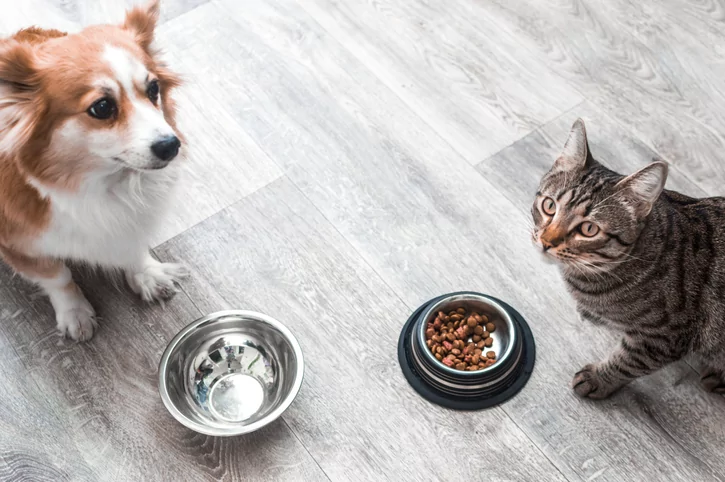
If your dog ate cat food and now has bloody diarrhea, I know how alarming that feels. I’ve seen this exact panic in pet owners more times than I can count, and the good news is that cat food is not always the cause of the blood itself. But the combination of diarrhea, blood, and a diet mix-up can point to anything from mild stomach upset to a serious problem that needs a vet fast.
Why cat food can upset a dog’s stomach
Cat food is usually richer in fat and protein than dog food. That makes it smell great to a dog, but it can be hard on their digestive system. Some dogs get simple diarrhea after stealing a few bites, while others develop vomiting, belly pain, or a flare-up of a hidden issue like pancreatitis.
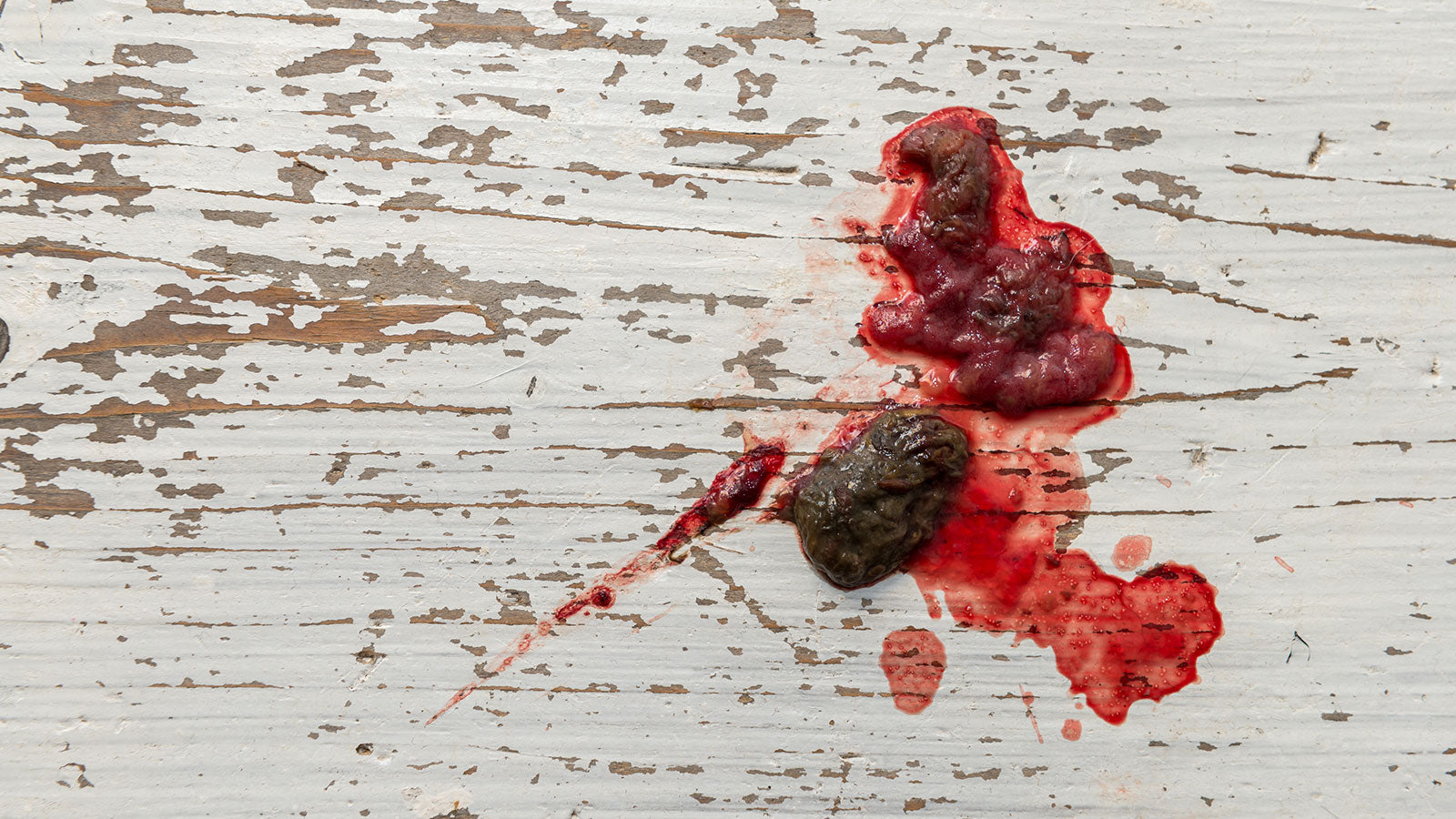
Blood in the stool changes the picture. Bright red blood often means irritation in the lower intestines or colon, while dark, tarry stool can mean bleeding higher up in the digestive tract. In plain terms, if your dog ate cat food and now has bloody diarrhea, do not assume it is “just a tummy upset.”
What bloody diarrhea may mean in this situation
Bloody diarrhea after cat food can happen for a few reasons. The cat food may have triggered irritation, but the blood may also come from something unrelated that just happened at the same time.
Common possibilities include:
- Sudden diet change or rich food upset the gut
- Stress colitis from stomach irritation or excitement
- Pancreatitis, especially after fatty food
- Bacterial imbalance in the intestines
- Parasites, if the dog already had a GI problem
- Foreign body irritation, if the dog ate more than cat food
- Poisoning or toxin exposure, if the food was spoiled or contaminated
I once heard a pet owner say, “He only ate a little cat food.” That may be true, but “a little” can still be enough to trigger a reaction in a sensitive dog, especially a small breed, puppy, senior dog, or dog with past digestive trouble.
When this is an emergency
Some dogs recover after a short upset stomach. Others need urgent care right away. Bloody diarrhea is more serious when it comes with other warning signs.
Call a vet or go to an emergency clinic now if your dog has:
- Repeated vomiting
- Weakness or collapse
- Pale gums
- A swollen or painful belly
- Black, tarry stool
- Large amounts of blood in the stool
- Refusal to drink
- Signs of dehydration
- Fever
- Lethargy or unusual behavior
If your dog ate cat food and now has bloody diarrhea plus vomiting or belly pain, pancreatitis moves higher on the list. That condition can become dangerous fast and should not be watched at home for long.
What you should do right now
Stay calm, but act quickly. The first few steps matter.
- Remove all access to cat food so your dog cannot keep eating it
- Offer small amounts of fresh water
- Watch for vomiting, pain, or weakness
- Save a stool sample if you can do so safely
- Check whether the cat food was spoiled, recalled, or contaminated
- Call your vet and describe the exact signs
Do not give human medicines unless a veterinarian tells you to. Common over-the-counter drugs can be harmful to dogs, and some can make bleeding worse. If your dog ate cat food and now has bloody diarrhea, home guessing is not a safe plan.
Home care versus vet care
For mild cases, a vet may suggest a bland diet, rest, and close monitoring. But bloody diarrhea changes the threshold. Even if your dog seems okay at first, worsening signs can show up later in the day.
A vet may recommend:
- A physical exam
- Stool testing
- Fluid therapy
- Anti-nausea medicine
- Gastrointestinal protectants
- Blood work to check for infection, dehydration, or pancreatitis
- Imaging if a blockage is suspected
In my experience, pet owners often wait because the dog “still wants to eat.” Appetite alone does not rule out a problem. A dog can act hungry and still be sick enough to need treatment.
Why the color of the blood matters
The look of the stool can help narrow things down, though only a vet can diagnose the cause.
Here is a simple guide:
- Bright red streaks usually suggest irritation in the colon or rectum
- Mucus with blood often points to large bowel inflammation
- Dark red stool may suggest bleeding farther up the GI tract
- Black, sticky stool can mean digested blood and needs urgent care
If your dog ate cat food and now has bloody diarrhea, that blood pattern helps your vet decide how serious it may be. Even so, do not wait for the stool to “look worse” before asking for help.
Common causes beyond cat food
It is easy to blame the cat food, but other causes may be part of the story. This is why a careful exam matters.
Other common causes include:
- Sudden food change
- Garbage or table scraps
- Stress or anxiety
- Intestinal parasites
- Inflammatory bowel disease
- Infection
- Allergic reaction
- Pancreatitis
- Toxins or spoiled food
Dogs do not have the same digestive setup as cats. Cat food is more concentrated and often more tempting, so dogs may scarf it down too fast, which can also make things worse.
How vets usually approach this problem
A veterinarian will look at the whole picture, not just the cat food incident. That includes age, breed, health history, how much was eaten, and whether your dog has other symptoms.
They may ask:
- How much cat food was eaten
- How long ago it happened
- Whether vomiting started
- Whether the blood is bright red or dark
- Whether your dog is acting normal
- Whether any other foods or toxins were involved
That history helps sort out a simple stomach upset from a deeper problem. If needed, treatment may start right away before all test results are back.
Recovery and what to expect
If the issue is mild, many dogs improve within 24 to 48 hours with care. If there is dehydration, infection, pancreatitis, or severe inflammation, recovery can take longer.
Watch for improvement in:
- Stool consistency
- Energy level
- Water intake
- Appetite
- Frequency of diarrhea
If your dog ate cat food and now has bloody diarrhea but is improving, that is encouraging. Still, keep a close eye on them for at least a couple of days, because relapses can happen if the gut is still irritated.
How to prevent this from happening again
Prevention is simple, but it takes consistency. I always tell pet owners that the best fix is removing temptation before it starts.
Try these steps:
- Feed pets in separate rooms
- Pick up bowls after mealtime
- Use a baby gate or feeding station
- Keep cat food on a counter or shelf dogs cannot reach
- Store food in sealed containers
- Teach a strong “leave it” cue
A little prevention goes a long way. If your dog ate cat food and now has bloody diarrhea once, you will want to make sure it does not happen again.
Frequently Asked Questions of My dog ate cat food and now has bloody diarrhea
Can cat food alone cause bloody diarrhea in dogs?
Yes, it can, especially if the food is rich, fatty, or eaten in a large amount. But blood in the stool can also mean a more serious issue, so it should never be ignored.
How long after eating cat food would diarrhea start?
Diarrhea can begin within a few hours or later the same day. If blood appears, the problem may be more than simple diet upset.
Should I withhold food if my dog has bloody diarrhea?
A veterinarian may advise a short food break in some mild cases, but this is not always the right choice. If your dog is weak, vomiting, or has repeated bloody stools, call a vet before trying home care.
Can I give my dog Pepto-Bismol or other human medicine?
Do not give human medicine unless your vet specifically tells you to. Some products can be unsafe for dogs or can hide symptoms that need urgent care.
When should I take my dog to the vet?
Go right away if the bloody diarrhea is heavy, keeps happening, or comes with vomiting, pain, weakness, or pale gums. If your dog ate cat food and now has bloody diarrhea but otherwise seems stable, call your vet the same day for guidance.
Is this more dangerous for puppies or small dogs?
Yes, puppies and small dogs can dehydrate faster and become weak sooner. Even a short bout of bloody diarrhea can affect them more quickly than a healthy adult dog.
Conclusion
If your dog ate cat food and now has bloody diarrhea, treat it as something worth taking seriously. Cat food can upset the stomach, but blood in the stool means you should watch closely and call your vet when needed. The safest move is to stop the cat food, monitor symptoms, and get professional help quickly if the signs worsen.
The good news is that many dogs recover well when the problem is caught early. Keep food access under control, learn your dog’s warning signs, and act fast if the diarrhea turns bloody again. If this guide helped you, explore more pet health tips and share your experience so other dog owners can learn from it.