Most dog foods contain about 20 to 30 grams of protein per 100g, though some formulas go much higher.
If you want a clear answer on how much protein is in dog food per 100g, the real number depends on the type of food, the brand, and whether it is dry, wet, or raw. I’ve looked at many pet food labels over the years, and one thing is always true: protein levels can look similar on paper, but the actual feeding value changes a lot once moisture, ingredients, and digestibility enter the picture. Let’s break it down in a simple, practical way so you can read dog food labels with confidence and choose the right food for your dog’s needs.
How much protein is in dog food per 100g?
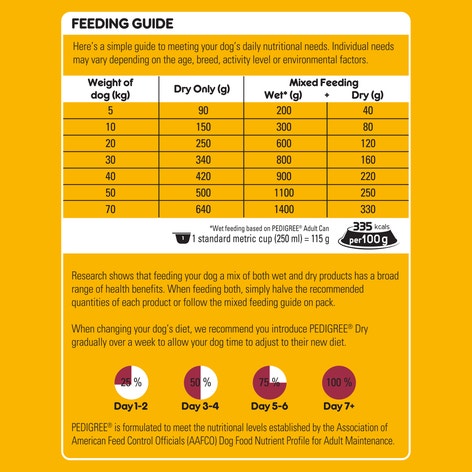
The answer is not the same for every product. Dry dog food usually contains about 20 to 30g of protein per 100g, while some high-protein formulas can reach 35 to 40g or more. Wet dog food often looks much lower, usually around 5 to 12g per 100g, because it contains far more water.
That is why the label alone can be misleading if you do not check the food type. A can of wet food may seem “low protein,” but once you compare it on a dry matter basis, the protein can be much closer to dry kibble than it first appears. I learned this the hard way when I first compared brands by the numbers on the front of the bag instead of the nutrition panel.
What protein in dog food actually means
Protein is one of the main nutrients dogs need for life. It helps build muscles, repair tissue, support the immune system, and maintain healthy skin and coat. In dog food, protein comes from animal sources like chicken, beef, lamb, fish, and eggs, or from plant sources like peas and lentils.
Not all protein is equal. Animal proteins are usually easier for dogs to digest and provide a better amino acid balance. That said, a food with good quality plant ingredients can still be useful, especially when it is properly formulated by a pet nutrition expert.
Typical protein levels by dog food type
Protein content changes a lot based on moisture. That is why you should always compare foods carefully.
Dry dog food
Dry kibble is the most common type of dog food and is usually the highest in protein by weight. Most dry dog food contains:
• 20 to 30g protein per 100g for standard adult formulas
• 30 to 40g protein per 100g for high-protein or performance formulas
• Sometimes more in premium or specialty diets
Because kibble has less water, the protein looks more concentrated. This makes dry food a popular option for active dogs and working breeds.
Wet dog food
Wet food contains a lot of water, so the protein per 100g is lower.
• 5 to 12g protein per 100g is common
• Some meat-rich formulas may reach 13 to 15g per 100g
Wet food can still be nutrient-dense. It just needs to be compared more fairly using dry matter calculations if you want a true protein comparison.
Raw dog food
Raw diets can vary widely. Some are high in protein, while others are more balanced with fat and bone content.
• Many raw diets contain 15 to 25g protein per 100g
• Some meat-heavy blends can go higher
The problem with raw food is inconsistency. One recipe may be very lean, while another may have more fat or bone, which changes the protein percentage a lot.
Puppy food
Puppies need more protein than adult dogs because they are growing fast.
• Many puppy foods contain 22 to 32g protein per 100g
• Large-breed puppy formulas may be adjusted for growth support rather than just high protein
More protein is not always better, though. Puppies need the right balance of protein, fat, calcium, and phosphorus.
How to read protein on a dog food label
Dog food labels can be confusing at first, but the key is to look beyond marketing words like “high protein” or “real meat.” The guaranteed analysis usually lists crude protein, which is the minimum protein content in the food.
Here is what to check:
• Crude protein percentage on the label
• Moisture content, because this changes the math
• Ingredient list to see the main protein sources
• Feeding guidelines, since protein needs depend on the dog’s size and activity level
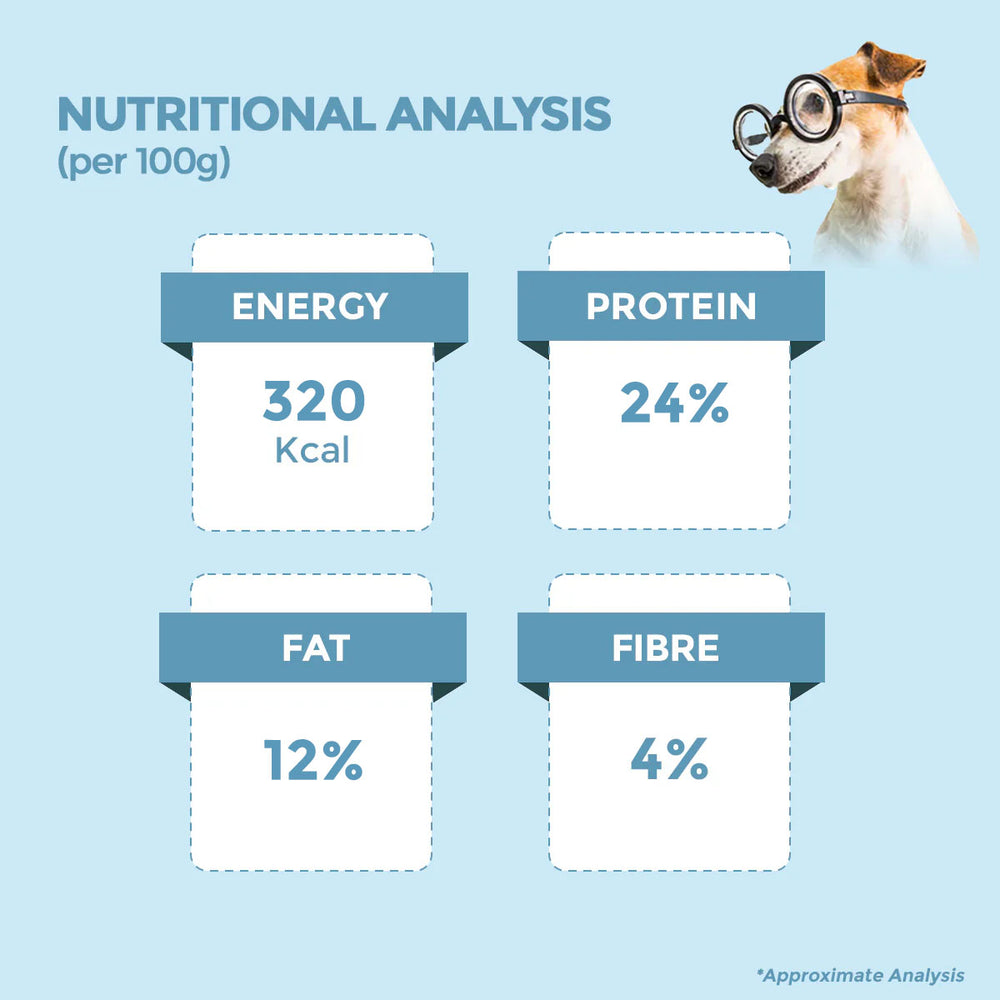
If a kibble says 24% crude protein, that means about 24g protein per 100g of food. But if a wet food says 10% crude protein, that does not mean it is weak; it just has more moisture, so the protein is less concentrated by weight.
Why moisture changes the number so much
Water has no protein, calories, or fat. It simply adds weight. That means two foods can look very different on the label even if they provide similar nutrition after the water is removed.
Think of it like comparing a fresh apple to dried apple slices. The dried version looks much richer in nutrients by weight because the water is gone. Dog food works in a similar way.
This is why nutrition experts often use dry matter basis when comparing foods. It gives a more honest view of how much protein is really in dog food per 100g once water is removed.
Dry matter basis: the fair way to compare protein
Dry matter basis helps compare wet and dry foods more accurately. It removes moisture from the equation.
Here is a simple example:
• Dry food has 25% protein and 10% moisture
• Wet food has 10% protein and 75% moisture
After converting to dry matter, the wet food may have a much higher protein concentration than it first appears. This is why pet nutrition professionals use this method when they evaluate foods for dogs with special needs.
If you are trying to compare brands, dry matter basis is one of the smartest tools you can use.
What affects protein quality, not just protein amount
A food can have a high protein number and still not be the best choice. Quality matters just as much as quantity.
Important factors include:
• Protein source, such as chicken, turkey, beef, fish, or eggs
• Digestibility, which tells you how well your dog can use the protein
• Amino acid profile, especially essential amino acids like lysine and methionine
• Balance with fat, fiber, vitamins, and minerals
I have seen dogs do better on a moderate-protein food with high digestibility than on a very high-protein food that used poor ingredients. More protein is not always the answer. The right protein is the answer.
How much protein does your dog need?
The ideal amount depends on your dog’s age, size, health, and activity level.
Adult dogs
Most healthy adult dogs do well with moderate protein levels. Many adult maintenance diets fall in the 20 to 26g per 100g range for dry food.
Active dogs
Working dogs, sporting dogs, and very energetic breeds may need more protein. Higher-protein foods can help support muscle repair and endurance.
Puppies
Puppies need more protein and calories for growth. Their food often has a higher protein percentage than adult food.
Senior dogs
Older dogs may still need good protein. In fact, many seniors benefit from enough high-quality protein to help maintain lean muscle mass. The exact amount should be adjusted based on kidney health and overall condition.
Dogs with medical issues
Dogs with kidney disease, liver problems, or certain metabolic conditions may need special diets. In these cases, protein needs should be guided by a veterinarian.
Signs your dog may need a different protein level
Sometimes the food is the issue, and sometimes the dog’s needs have changed.
Watch for these signs:
• Low energy
• Poor muscle tone
• Dull coat
• Digestive upset
• Unwanted weight loss
• Itching or food sensitivity symptoms
These signs do not always mean protein is the problem, but they are worth discussing with a vet. One mistake I have seen pet owners make is switching to a “high-protein” food too fast without checking the whole diet. That can make stomach issues worse if the rest of the formula is not a good fit.
Best ways to compare dog food protein levels
When comparing products, do not rely on the front label alone. Use the nutrition panel and ingredient list.
Here is a simple process:
- Check the crude protein percentage
- Check moisture content
- Compare on a dry matter basis if possible
- Look at the first ingredients
- Consider your dog’s age, activity, and health
This method helps you avoid marketing traps. I have found that the best food is not always the one shouting “high protein” the loudest.
Common mistakes people make when judging protein in dog food
It is easy to get tripped up by numbers.
Common mistakes include:
• Comparing wet and dry food by raw label percentage only
• Assuming more protein is always better
• Ignoring digestibility and ingredient quality
• Forgetting your dog’s health needs
• Choosing food based only on meat content claims
A food can be nutrient-dense without being the highest in protein. Balance matters more than hype.
Practical example: what 100g of dog food can look like
Here is a simple side-by-side example:
• Dry kibble: 26g protein per 100g
• Wet food: 9g protein per 100g
• Raw blend: 18g protein per 100g
At first glance, the kibble looks strongest. But if the wet food has 75% water, its protein concentration becomes more impressive after moisture is removed. That is why comparing foods fairly takes a little math, but it is worth it.
Is higher protein always better for dogs?
No, not always. High protein can be great for active dogs, growing puppies, and dogs that need help maintaining muscle. But some dogs do better on moderate protein, especially if they have medical needs or sensitive stomachs.
Protein should fit the dog, not the trend. The best food is the one that supports healthy weight, energy, digestion, and coat condition over time.
Frequently Asked Questions
How much protein is in dog food per 100g on average?
Most dry dog foods contain about 20 to 30g protein per 100g. Wet foods usually have around 5 to 12g per 100g because they contain much more water.
Is 25g protein per 100g good for dog food?
Yes, 25g protein per 100g is a solid level for many adult dogs, especially in dry food. It can be appropriate if the food also has good digestibility and a balanced nutrient profile.
How do I know if my dog needs more protein?
Look at your dog’s age, activity, body condition, and overall health. If your dog seems weak, loses muscle, or is very active, a higher-protein diet may help, but it is best to confirm with a veterinarian.
Why does wet dog food have less protein per 100g?
Wet food has a lot of water, so the protein is diluted by weight. Once you compare it on a dry matter basis, the protein level may be much closer to dry food than the label suggests.
Can too much protein be bad for dogs?
For most healthy dogs, protein itself is not usually harmful when the diet is balanced. However, dogs with certain medical conditions, such as kidney disease, may need protein levels managed by a vet.
What should I look for besides protein in dog food?
Check fat, fiber, moisture, vitamins, minerals, and the quality of the protein sources. A good dog food should support digestion, energy, coat health, and your dog’s life stage, not just offer a high protein number.
Conclusion
Understanding how much protein is in dog food per 100g makes label reading much easier and helps you choose with confidence. The main thing to remember is that dry food, wet food, and raw food cannot be compared fairly unless you account for moisture and ingredient quality.
If you focus on protein source, digestibility, and your dog’s real needs, you will make a smarter choice than simply chasing the highest percentage. Take a closer look at your dog’s current food, compare the label carefully, and talk with your vet if your dog has special needs. If you found this guide useful, explore more pet nutrition tips and share your thoughts in the comments.