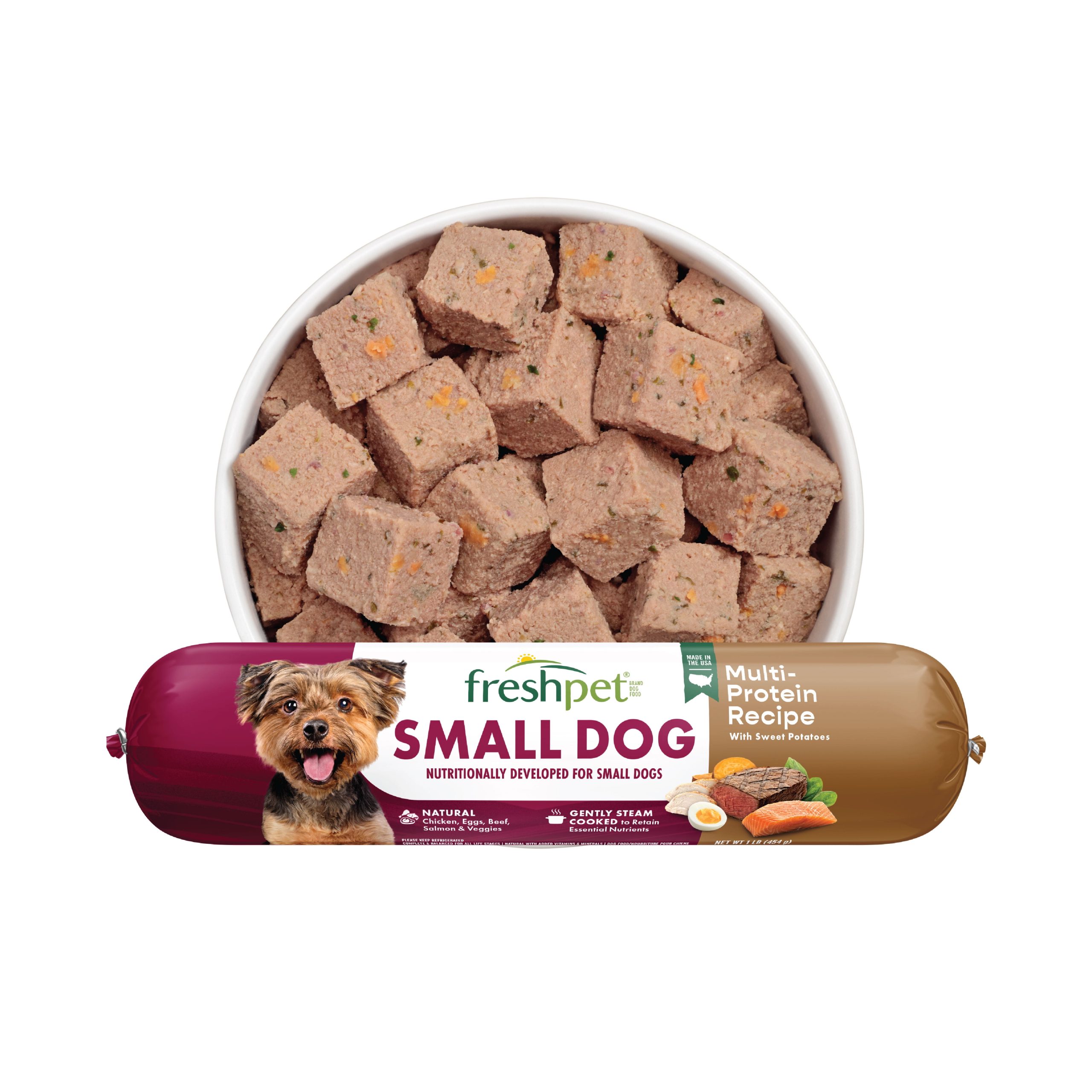
Small dogs usually need about 18% to 30% protein in their daily diet, depending on age, health, and activity level.
If you have ever stared at a dog food label and wondered what that number really means, you are not alone. “How much protein is a small dog” is a common question because tiny breeds have fast metabolisms, small stomachs, and very different needs from bigger dogs. In this guide, I’ll break it down in plain English so you can choose food with more confidence and avoid the common mistakes I see people make all the time.
How much protein is a small dog?
A small dog usually needs a diet with at least 18% protein for adult maintenance, but many healthy small breeds do better with 22% to 30% protein. Puppies, nursing dogs, and highly active small dogs often need even more protein because their bodies burn fuel faster and build tissue more quickly.
That said, the right amount is not just about the percentage on the bag. It also depends on calorie needs, digestibility, life stage, and whether your dog has any medical issues. In my experience, the best results come from looking at the full formula, not just chasing the highest protein number.
Why small dogs need protein
Protein is the building block for muscles, skin, hair, hormones, and immune health. Small dogs may be little, but their energy use can be surprisingly high, and many breeds stay active all day.
A toy breed like a Chihuahua or Yorkshire Terrier can burn through calories faster than people expect. That means protein matters not only for muscle support, but also for recovery, coat quality, and long-term health.
Here is why protein is so important:
- It helps maintain lean muscle mass
- It supports healthy skin and a shiny coat
- It aids growth in puppies
- It helps repair tissues after exercise or illness
- It supports enzymes and immune function
When I worked with small dogs that were picky eaters, I noticed that high-quality protein often made a big difference in coat shine and energy. But I also learned that too much protein is not automatically better, especially if the diet is poorly balanced.
How much protein is a small dog really needs by life stage
The answer changes depending on age and activity level. A small dog’s protein needs are not the same at 8 weeks old, 2 years old, and 10 years old.
Small dog puppies
Puppies need more protein than adults because they are growing fast. A good puppy food for small breeds often contains around 22% to 32% protein on a dry matter basis.
Choose a puppy formula that is designed for growth, not just a regular adult food with extra protein. The amino acid profile and calorie density matter just as much as the percentage.
Adult small dogs
Most healthy adult small dogs do well with 18% to 30% protein. For many active breeds, a range around 22% to 28% works very well.
If your dog is energetic, lean, and healthy, a higher-protein diet may help maintain muscle and stamina. If your dog is less active, focus on moderate protein with controlled calories.
Senior small dogs
Older small dogs often need enough protein to protect muscle mass, not less protein by default. Many seniors benefit from a digestible, moderate-to-high protein diet unless a vet has warned against it.
This is one place where people often get confused. In the past, low-protein diets were commonly recommended for older dogs, but that advice does not fit every dog today. The key is quality, digestibility, and kidney health status.
What affects protein needs in small dogs?
Protein needs are personal to the dog. A tiny couch potato and a tiny agility dog should not eat the same way.
Here are the biggest factors:
- Age: Puppies need more protein for growth
- Activity: More movement means more need for muscle support
- Body condition: Underweight dogs may need more calories and protein
- Health: Kidney, liver, or digestive issues can change recommendations
- Pregnancy or nursing: These stages raise protein demand
- Breed type: Some breeds are naturally more active or prone to muscle loss
I have seen pet owners assume that all small dogs need the same “small breed” food. That is not always true. A senior Shih Tzu with a sensitive stomach needs something very different from a young Jack Russell Terrier who runs circles in the yard.
How to read a dog food label for protein
Dog food labels can be tricky. A food that says 30% protein sounds impressive, but that number alone does not tell the full story.
Look at these parts of the label:
- Guaranteed analysis: This shows minimum protein percentage
- Ingredient list: Look for named animal proteins like chicken, turkey, salmon, lamb, or beef
- AAFCO statement: This tells you if the food is complete and balanced for a life stage
- Calorie content: A food can be high in protein but also very high in calories
- Dry matter basis: This helps compare wet and dry foods fairly
A helpful rule I use is this: compare foods by both protein percentage and ingredient quality. A well-made 24% protein food can be better than a flashy 35% formula if the ingredients and digestibility are stronger.
Best protein sources for small dogs
Not all protein is equal. Dogs digest animal proteins well, and most small dogs do best on formulas with clear, named protein sources.
Good protein sources include:
- Chicken
- Turkey
- Beef
- Lamb
- Salmon
- Eggs
- Duck
- Whitefish
Some plant proteins can help round out a diet, but they should not be the main source in most small dog foods. In my experience, dogs usually do best when the first ingredient is a named animal protein and the formula is complete and balanced.
How much protein is a small dog on dry food versus wet food?
Protein numbers look different on wet and dry foods because wet food contains much more water. A canned food may show a lower protein percentage on the label, but that does not always mean it has less real protein.
For example:
- Dry food often lists protein around 18% to 30%
- Wet food may list protein around 7% to 12%, but it is more diluted by water
- To compare fairly, use dry matter basis
This is one of the biggest mistakes people make. They see a wet food with a lower number and assume it is weaker, but the real answer depends on moisture content.
Signs your small dog may need more protein
Sometimes your dog tells you the diet is not quite right. The signs are usually subtle at first.
Watch for:
- Low energy
- Poor muscle tone
- Dull coat
- Slow recovery after exercise
- Constant hunger
- Weight loss without trying
- Weakness in senior dogs
These signs do not always mean the dog needs more protein, but they are worth paying attention to. I always tell people to look at the whole picture: coat, stool, energy, appetite, and body condition.
Can a small dog have too much protein?
Yes, but the issue is usually not protein alone. For healthy dogs, high protein is often well tolerated, especially when the food is balanced and digestible.
Problems can happen if:
- The food is too rich and causes loose stool
- The diet is too high in calories
- The dog has kidney, liver, or urinary issues that need medical guidance
- The protein source is low quality or hard to digest
A common myth is that high protein automatically harms healthy dogs. That is not supported for most healthy pets. Still, if your small dog has a medical condition, talk to your vet before making changes.
How I approach protein for small dogs in real life
When I help people choose food, I do not start with the highest protein number. I start with the dog in front of me.
A young, active Pomeranian may do beautifully on a higher-protein formula with good calories and digestibility. A senior Maltese with a delicate stomach may do better on moderate protein and a gentle recipe.
The lesson I learned early was simple: the “best” protein level depends on the dog, not the trend. Chasing numbers without checking quality is like buying shoes by size alone and ignoring comfort.
Practical tips for choosing the right protein level
Use these simple steps when shopping for food:
- Check the life stage on the label
- Look for named animal proteins first
- Review the guaranteed analysis
- Compare calorie content
- Make sure the food is complete and balanced
- Watch your dog’s body condition after switching foods
- Ask your vet if your dog has health issues
If you are unsure, start with a trusted adult small-breed formula in the 22% to 28% range. Then adjust based on your dog’s weight, energy, and stool quality.
Common mistakes people make
Here are the mistakes I see most often:
- Choosing food by protein percentage alone
- Ignoring calories
- Switching too fast and upsetting the stomach
- Feeding puppy food to an adult dog without a reason
- Assuming senior dogs need less protein by default
- Overfeeding treats and reducing room for balanced meals
These mistakes are easy to make because pet food marketing can be loud and confusing. A calm, simple approach usually works better.
Frequently Asked Questions
How much protein is a small dog supposed to eat each day?
Most healthy adult small dogs do well on food that contains about 18% to 30% protein, with many thriving in the 22% to 28% range. The exact amount depends on age, activity, and health.
Is 30% protein too much for a small dog?
Not for most healthy small dogs. A 30% protein food can be perfectly fine if it is balanced, digestible, and fits your dog’s calorie needs.
Do small breed puppies need more protein than adults?
Yes, they usually do. Small breed puppies need more protein and more calories because they grow fast and burn energy quickly.
Can a small dog eat high-protein food every day?
Yes, many can, especially if the food is complete and balanced. The key is to make sure the food suits your dog’s digestion, weight, and medical needs.
What is the best protein source for a small dog?
There is no single best choice for every dog, but chicken, turkey, salmon, lamb, and beef are common good options. The best source is the one your dog digests well and tolerates consistently.
Conclusion
How much protein is a small dog needs depends on age, activity, and health, but most healthy adults do well with 18% to 30% protein. Puppies, active dogs, and some seniors may need more support, while dogs with certain medical issues may need a more careful plan.
The smartest move is to focus on the full diet, not just the protein number. Look for quality ingredients, balanced nutrition, and a formula that keeps your dog energetic, lean, and happy. If you want to make a better choice for your small dog, start by checking the label today and talk with your vet if you are unsure.