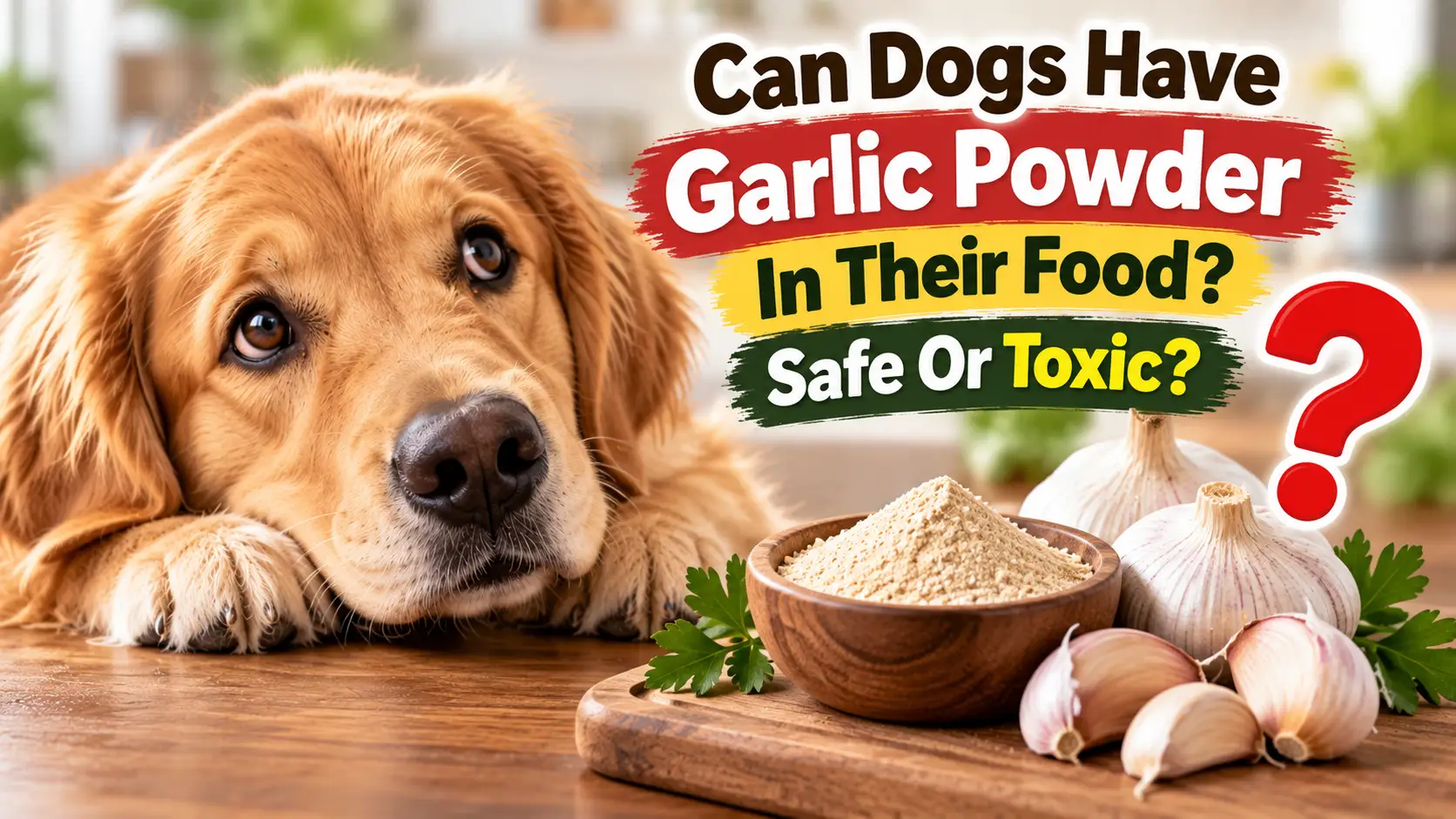
No, dogs should not have garlic powder in their food because it can damage red blood cells.
If you’ve ever stared at a seasoning jar and wondered whether a little garlic powder is harmless, you are not alone. As someone who has spent years reading pet nutrition labels and talking with vets and pet owners, I can tell you this topic matters more than many people think. Garlic powder may seem tiny, but for dogs, it can be a hidden risk that builds quietly and causes real harm.

Why garlic powder is a concern for dogs
Garlic powder comes from dehydrated garlic, and dehydrated forms are more concentrated than fresh garlic by weight. That means even a small sprinkle can deliver more compounds that may harm dogs. The main concern is a group of sulfur compounds, especially thiosulfates, which can damage a dog’s red blood cells.
When red blood cells are damaged, they may break apart faster than the body can replace them. This can lead to anemia, weakness, and in serious cases, an emergency. I’ve seen pet owners assume seasoning is “too small to matter,” but with garlic powder, the problem is not just the amount you see. It is how strong it is in a concentrated form.
Dogs are not built to process garlic the same way humans do. Their bodies are more sensitive to the toxic effects, and some dogs react more strongly than others. That is why garlic powder in dog food, table scraps, or homemade meals is not a safe habit.
Is garlic powder toxic to dogs?
Yes, garlic powder can be toxic to dogs. It is part of the Allium family, which also includes onions, leeks, and chives. All of these can cause oxidative damage to a dog’s red blood cells.
The effect can happen after one large dose or repeated smaller doses over time. Repeated exposure is especially risky because pet owners may not notice symptoms right away. A dog might seem fine at first, then develop signs of illness days later.
Toxicity depends on several factors:
• The dog’s size
• The amount eaten
• How often it was eaten
• The dog’s overall health
• Whether the powder was mixed into a meal or eaten alone
Small dogs are usually at higher risk because the same amount affects them more. Still, no dog should routinely eat garlic powder.
Signs of garlic powder poisoning in dogs
Symptoms may not show up immediately. Sometimes they appear within a day, but they can also take longer, especially after repeated exposure.
Watch for these warning signs:
• Weakness or low energy
• Vomiting
• Diarrhea
• Pale gums
• Fast breathing
• Fast heart rate
• Dark or reddish urine
• Loss of appetite
• Collapse in severe cases
If you notice pale gums or dark urine, treat it as urgent. Those can be signs that red blood cells are being destroyed. In my experience, the biggest mistake people make is waiting to “see if it passes.” With garlic powder, waiting can cost precious time.
How much garlic powder is too much for dogs?
There is no safe everyday amount of garlic powder for dogs that owners should use casually. Even though poison risk depends on body weight and dose, it is not something to test at home. The problem is that garlic powder is far more concentrated than raw garlic by volume, so a pinch can matter more than people expect.
Veterinary toxicology references commonly warn that all forms of garlic can cause trouble, especially in concentrated or repeated amounts. Some dogs may tolerate tiny accidental exposures without obvious issues, but that does not make it safe. The safer approach is simple: avoid garlic powder completely in your dog’s food.
Can garlic powder be hidden in commercial dog food?
Sometimes dog foods, treats, or seasoning blends may contain garlic powder or garlic flavoring. This is one reason it is so important to read ingredient labels carefully. If you see garlic powder listed, I would not consider that food ideal for regular feeding.
A little garlic flavoring may sound harmless, but dogs do not need it for health or taste. In fact, many dogs do better with simple, plain ingredients. If you are choosing food for a sensitive dog, look for formulas with clear labeling and without onion or garlic derivatives.
A good rule I use when checking labels is this:
• If the ingredient list includes garlic powder, skip it
• If a treat says “seasoned” or “savory,” check for Allium ingredients
• If you are unsure, call the brand and ask directly
What to do if your dog ate garlic powder
Stay calm, then act fast. The right next step depends on how much your dog ate and when it happened.
Here is what to do:
- Check the package and estimate the amount eaten.
- Note your dog’s weight and any symptoms.
- Call your veterinarian or a pet poison helpline right away.
- Do not induce vomiting unless a vet tells you to.
- Watch for weakness, vomiting, pale gums, or breathing changes.
If the exposure was small, your vet may tell you to monitor at home. If the amount was larger or your dog is already showing symptoms, your vet may recommend an exam, blood work, or treatment. Early care makes a big difference with red blood cell damage.
Safe seasoning alternatives for dogs
Dogs do not need garlic powder to enjoy food. In fact, many healthy flavor boosts are much safer and more natural.
Try these dog-friendly options instead:
• Plain pumpkin puree
• Low-sodium bone broth with no onion or garlic
• A small amount of cooked carrots
• Green beans
• Plain cooked chicken or turkey
• A spoonful of plain Greek yogurt, if your dog tolerates dairy
These options can make meals more appealing without the risks tied to garlic powder. When I help pet owners think through homemade meals, I always remind them that “simple” is usually safer for dogs than “seasoned.” Dogs often love the natural smell of meat or vegetables on their own.
Garlic powder in homemade dog food
If you make your dog’s food at home, garlic powder should not be part of the recipe. Homemade dog diets can be healthy, but they need careful balance. Seasoning with garlic powder is one of the easiest mistakes to make because humans are used to flavoring everything.
A better approach is to use vet-approved recipes or recipes created by a board-certified veterinary nutritionist. That helps ensure the diet has the right protein, fat, vitamins, and minerals. Garlic powder adds no nutritional benefit for dogs, but it does add risk.
A few things I have learned from reviewing homemade diet cases:
• Many owners overestimate how “tiny” a seasoning amount is
• Leftover human food is a common source of accidental exposure
• Dogs with repeated low-dose exposure can still get sick
• Plain food is usually safest unless a vet recommends otherwise
My practical advice as a pet writer and researcher
The clearest lesson here is this: if a seasoning is made for people, it is not automatically safe for dogs. Garlic powder is a perfect example. It seems harmless because it smells familiar and appears in small amounts, but dogs process it differently.
I always tell readers to think of garlic powder like a slow leak in a tire. One tiny drop may not seem serious, but repeated pressure can still lead to failure. The same idea applies here. A dog may not react to one crumb, but regular exposure is not worth the risk.
If you are feeding a dog with a sensitive stomach, anemia, or a chronic illness, be even more careful. Dogs with health problems may have less room to recover from toxin exposure. When in doubt, plain food and veterinary guidance are the safest path.
How vets evaluate garlic powder exposure
If your dog has eaten garlic powder, a vet may ask about the estimated amount, time of ingestion, and your dog’s body weight. They may also ask whether the dog is showing symptoms. In some cases, they will recommend blood tests to check red blood cell health.
Treatment depends on the situation. Your vet may suggest:
• Monitoring at home
• Inducing vomiting if exposure was recent and appropriate
• Activated charcoal in some cases
• IV fluids
• Blood tests over time
• Supportive care if anemia develops
The important thing is not to guess. Even when symptoms are mild at first, problems can develop later. Quick communication with a vet is the best way to stay ahead of complications.
Frequently Asked Questions of Can dogs have garlic powder in their food
Can a tiny amount of garlic powder hurt a dog?
A tiny accidental amount may not always cause obvious harm, especially in a large dog, but it is still not safe to offer on purpose. Repeated small exposures can add up and cause more serious problems over time.
Is garlic powder more dangerous than fresh garlic?
Garlic powder is more concentrated by weight, so it can be easier to overdo without realizing it. Because of that, it can be especially risky in seasoning blends, treats, and homemade meals.
What if my dog ate food seasoned with garlic powder?
Call your vet and share your dog’s size, the type of food, and how much was eaten. If your dog shows vomiting, weakness, pale gums, or dark urine, seek help right away.
Are garlic supplements safe for dogs?
No, garlic supplements are not generally recommended for dogs unless specifically prescribed by a veterinarian for a rare medical reason. Most dog owners should avoid them because the safety margin is too narrow.
Can dogs eat foods cooked with garlic powder sometimes?
It is better not to make it a habit. Even if a dog seems fine after one exposure, garlic powder still offers no health benefit and carries unnecessary risk.
Conclusion
Garlic powder is not a safe ingredient for dogs, whether it is sprinkled on food, mixed into treats, or hidden in homemade meals. The risk is real because garlic can damage red blood cells and lead to anemia, especially with repeated exposure or larger amounts. The safest choice is to keep garlic powder out of your dog’s food and use dog-friendly seasonings instead.
If you are ever unsure about an ingredient, pause and check before serving it. A few seconds of caution can save your dog from a lot of discomfort later. If this guide helped you, explore more pet nutrition tips, share it with another dog owner, or leave a comment with your questions.