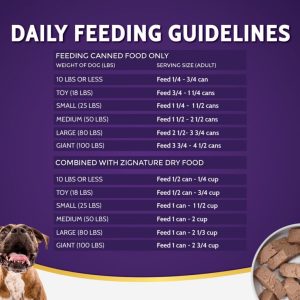
Most adult dogs need one to three cans daily, but the right amount depends on calories, size, age, and activity.
Knowing how many cans of dog food per day your dog needs is more than counting cans. Wet food calories can vary widely by brand, recipe, and can size. A small, quiet dog may need less than one large can, while an active dog may need several. This guide explains how to read the label, estimate portions, avoid overfeeding, and adjust meals safely.
How Many Cans of Dog Food Per Day Does a Dog Need?
The best answer depends on four main factors:
• Your dog’s body weight
• The calories in each can
• Your dog’s age and activity level
• Whether canned food is the only food being served
For a rough starting point, many healthy adult dogs eat about 20 to 30 calories per pound of body weight each day. This is only an estimate. Dogs with high activity, illness, pregnancy, or a fast metabolism may need more.
A typical 13-ounce can may contain 300 to 500 calories. However, some cans contain fewer than 200 calories, while rich recipes may contain more than 600. That is why can size alone cannot tell you how many cans of dog food per day your pet needs.
Use this simple formula:
- Find your dog’s daily calorie need.
- Check the can for calories per can.
- Divide daily calories by calories per can.
For example, if your dog needs 800 calories each day and one can contains 400 calories:
800 ÷ 400 = 2 cans per day
This gives you a starting point. Watch your dog’s weight and body shape, then adjust the serving as needed.
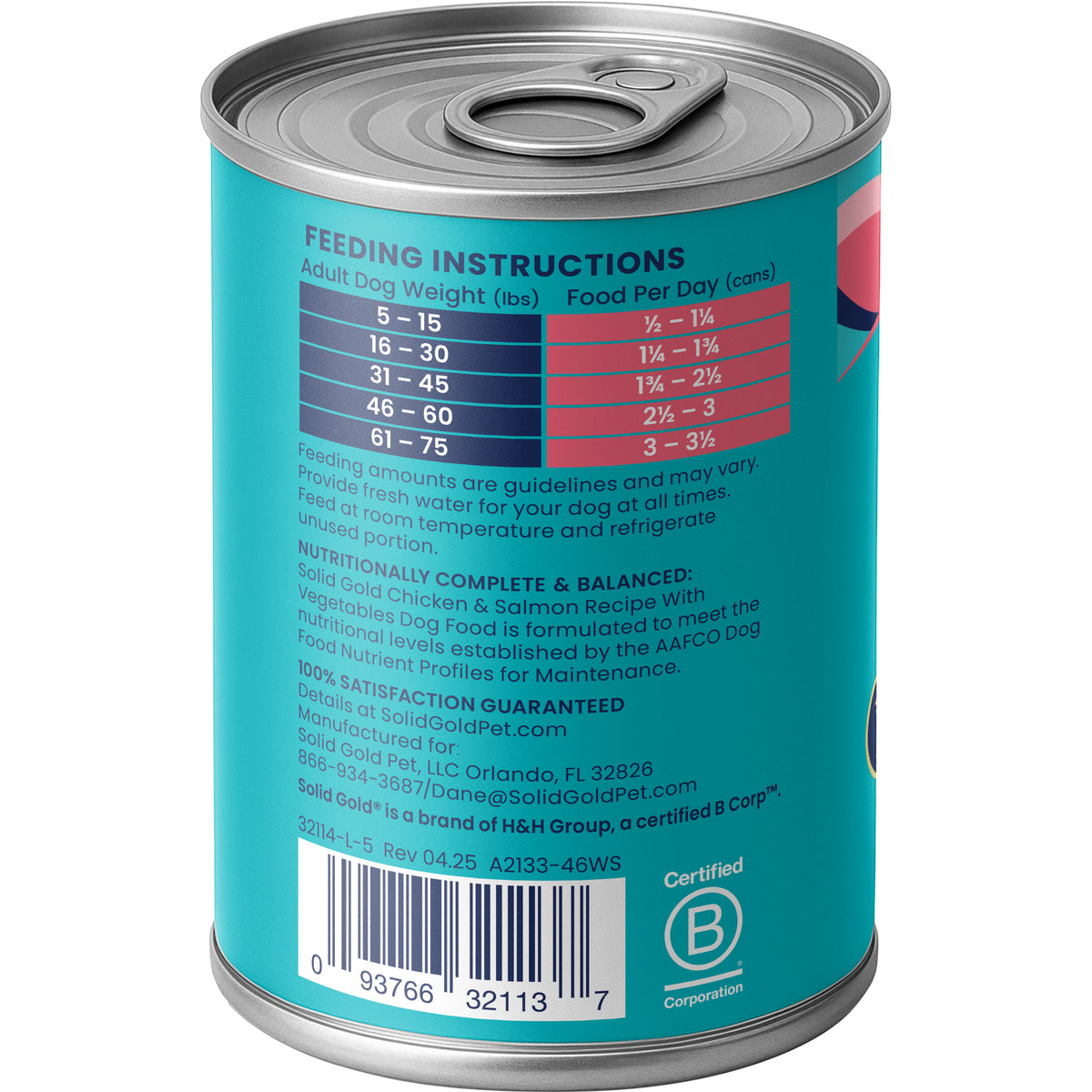
Dog Food Can Feeding Guide by Weight
The chart below gives a general estimate for adult dogs eating canned food as their main diet. It assumes each 13-ounce can contains about 350 calories.
| Dog’s weight | Estimated daily calories | Approximate cans per day |
|---|---|---|
| 10 pounds | 200 to 300 | ½ to ¾ can |
| 20 pounds | 350 to 500 | 1 to 1½ cans |
| 30 pounds | 500 to 650 | 1½ to 2 cans |
| 40 pounds | 650 to 800 | 2 to 2¼ cans |
| 50 pounds | 750 to 950 | 2¼ to 2¾ cans |
| 60 pounds | 850 to 1,050 | 2½ to 3 cans |
| 70 pounds | 950 to 1,200 | 2¾ to 3½ cans |
| 80 pounds | 1,050 to 1,350 | 3 to 4 cans |
This chart is not a replacement for the feeding guide on the package. It is a broad example because wet food formulas differ. Always compare the can’s calorie content with your dog’s actual needs.
A 5.5-ounce can usually provides fewer calories than a 13-ounce can. If your dog eats small cans, the number of cans per day may look higher even though the total food amount is similar.

How to Calculate the Right Amount of Canned Dog Food
A more accurate estimate starts with your dog’s resting energy requirement, or RER. Veterinarians use this formula:
RER = 70 × body weight in kilograms raised to the 0.75 power
You can then multiply the RER by a life-stage factor. Common estimates include:
• Neutered adult dogs: about 1.6 times RER
• Intact adult dogs: about 1.8 times RER
• Less active or overweight dogs: about 1.2 to 1.4 times RER
• Puppies: often 2 to 3 times RER
• Working dogs: may need more than 2 times RER
These numbers are useful, but they are not exact. Two dogs of the same breed and weight can need very different amounts of food. Metabolism, muscle mass, weather, health, and daily exercise all matter.
You can also use a simpler method:
- Weigh your dog in pounds.
- Check the food label for calories per can.
- Estimate daily calories based on weight and activity.
- Divide calories by the calories in one can.
- Feed that amount for two to three weeks.
- Check weight and body condition.
For example, a 40-pound adult dog may need around 700 to 900 calories per day. If each can contains 350 calories, how many cans of dog food per day would that be? The answer would be about two to two and a half cans.
How Many Cans of Dog Food Per Day for Puppies?
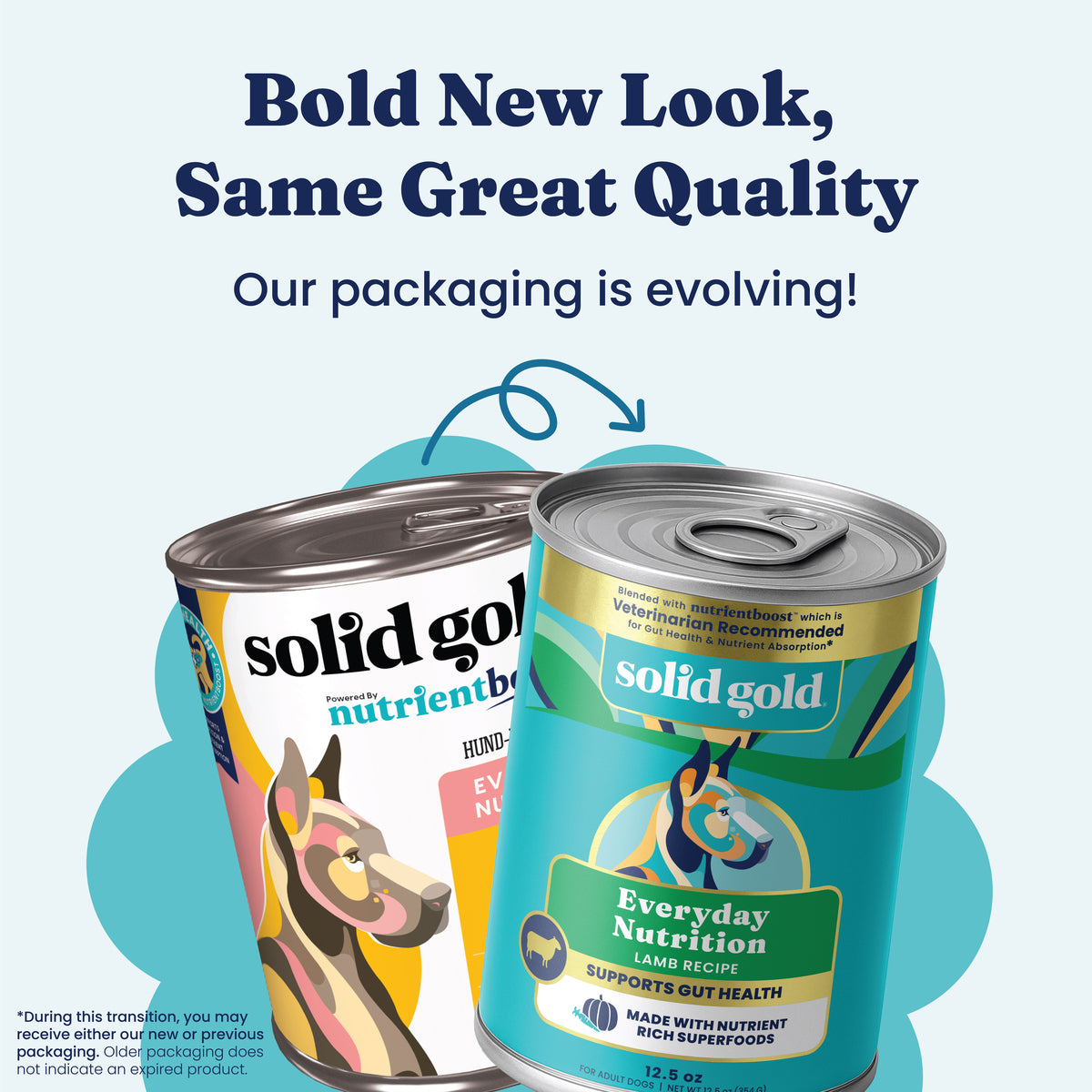
Puppies need more calories per pound than adult dogs because they are growing. They also need a complete and balanced puppy formula with the right levels of protein, fat, calcium, and other nutrients.
Young puppies often need three or four meals each day. As they grow, most can move to two meals daily. The total number of cans depends on the puppy’s expected adult size, current weight, age, and the calorie content of the food.
Do not use an adult dog feeding chart for a puppy unless your veterinarian tells you to do so. Large-breed puppies need careful nutrition because too many calories or minerals can contribute to fast growth and joint problems.
Good signs that a puppy is getting an appropriate amount include:
• Steady growth
• Good energy
• Firm but not hard muscle
• Ribs that can be felt under a thin layer of fat
• Normal stools
• A healthy appetite without constant hunger
If your puppy gains weight too quickly, has diarrhea, or seems weak, contact a veterinarian. Puppies can change quickly, so their food needs may need regular updates.
How Many Cans of Dog Food Per Day for Senior Dogs?
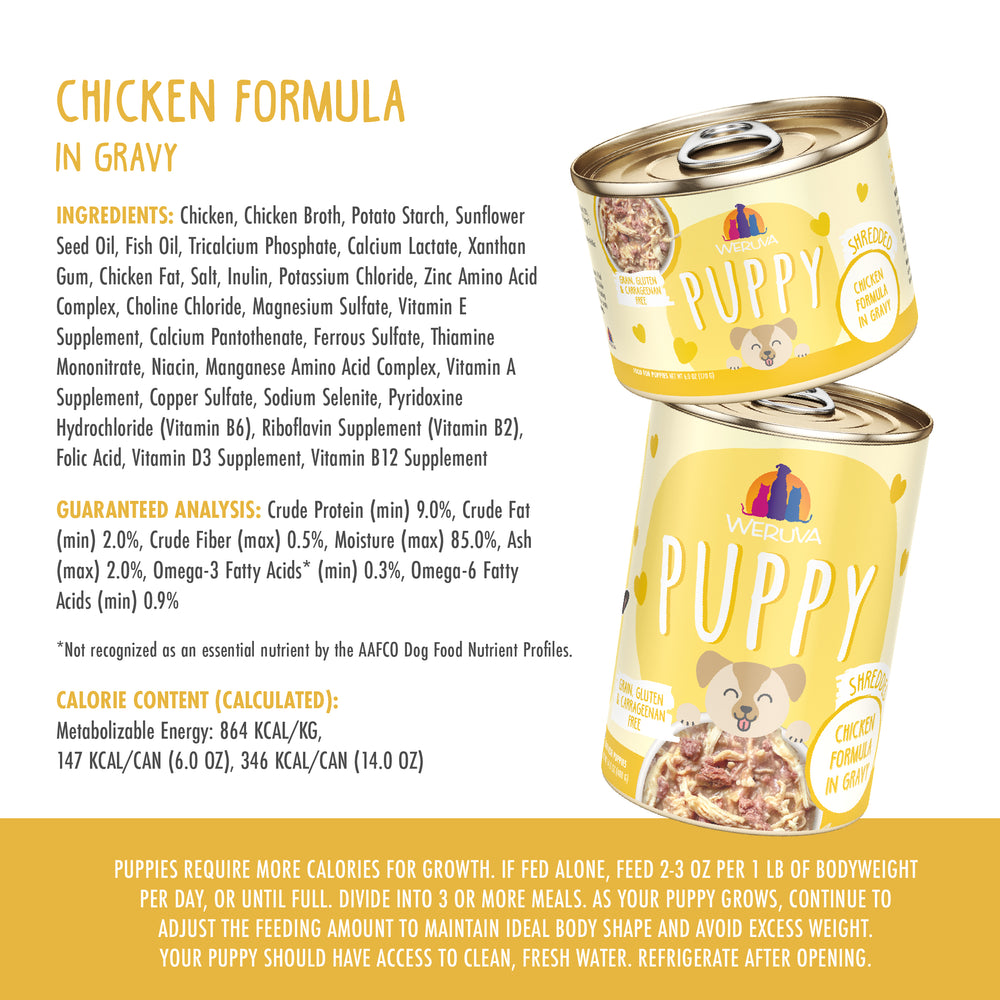
Senior dogs often need fewer calories because they are less active. However, some older dogs lose muscle or have health problems and may need a different diet rather than simply less food.
A senior dog may need fewer cans of dog food per day if:
• Daily exercise has decreased
• The dog has gained weight
• The food is high in calories
• The dog receives many treats
• A veterinarian has recommended weight control
On the other hand, an older dog that is losing weight may need more calories, a higher-calorie recipe, or a medical checkup. Weight loss can result from dental pain, kidney disease, diabetes, digestive problems, or other conditions.
Measure your dog’s weight every two to four weeks. A kitchen scale works for small dogs, while a veterinary clinic can weigh larger dogs. Slow changes are easier to manage than sudden increases or cuts.

How Many Cans of Dog Food Per Day for Weight Loss?
Weight loss should be based on calories, not simply the number of cans. Reducing food too sharply may leave your dog hungry and can cause muscle loss.
Start by asking your veterinarian for a target weight and daily calorie goal. Then divide that calorie goal by the calories per can. For example, if the target is 600 calories and each can provides 300 calories, the daily amount is two cans.
Helpful weight-loss habits include:
• Measure every meal
• Count treats as part of daily calories
• Use low-calorie treats or small pieces of vegetables approved by your veterinarian
• Increase walks slowly
• Weigh your dog regularly
• Avoid table scraps
A healthy dog should usually lose weight slowly. Rapid weight loss can be unsafe, especially in overweight dogs. Your veterinarian can set a safe pace and check for medical causes of weight gain.
Mixing Wet Food With Dry Food
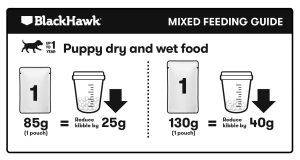
Many owners serve both canned and dry food. In this case, do not feed the full recommended amount of each food. That can add too many calories.
Instead, compare calories. Suppose your dog needs 800 calories daily. One can has 400 calories, and one cup of dry food has 400 calories. You could feed one can plus one cup of dry food for the day.
A mixed feeding plan might look like this:
• Breakfast: ½ can and ½ cup of kibble
• Dinner: ½ can and ½ cup of kibble
The exact serving depends on the food’s calorie density. Read the label carefully because one cup of kibble may contain far more calories than one can of wet food.
When changing food, make the switch over about seven days. Start with a small amount of the new food and slowly increase it. This can help reduce gas, loose stools, and stomach upset.

How to Read a Canned Dog Food Label
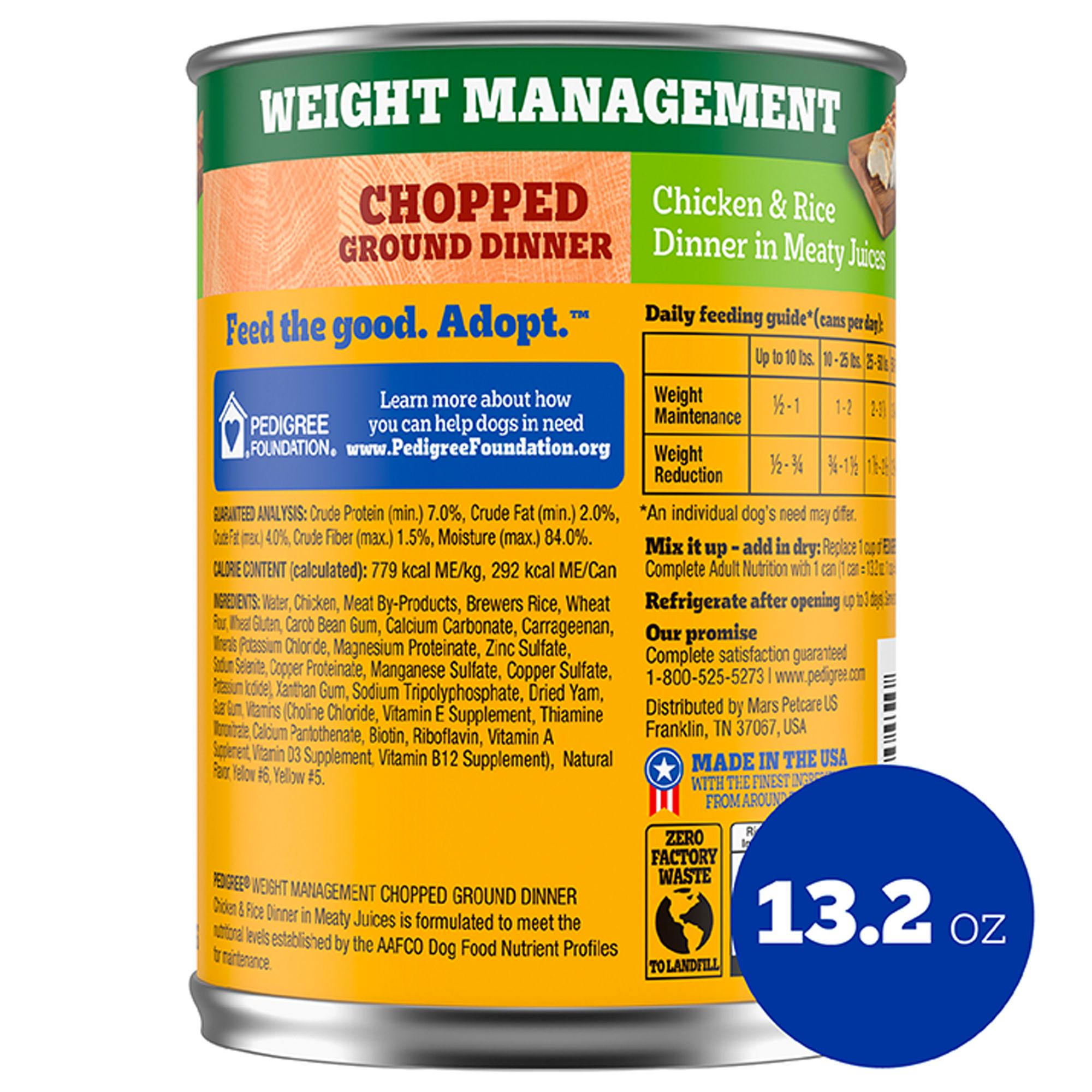
The label provides the information needed to estimate how many cans of dog food per day your dog should eat. Look for these details:
• Calorie content, often listed as “kilocalories per can”
• Can size and net weight
• Feeding directions
• Life-stage statement
• Ingredient list
• Guaranteed analysis
• Complete and balanced nutrition statement
The feeding guide is usually based on average dogs. Your dog may need more or less than the suggested amount. The calorie statement is often more useful than the cup or can recommendation.
Choose food labeled complete and balanced for your dog’s life stage. Foods meant only for supplemental or intermittent feeding should not make up the entire diet unless a veterinary professional provides a specific plan.
Do not judge food quality by ingredients alone. The full nutrient profile, calorie level, manufacturing standards, and your dog’s response all matter.
Signs You Are Feeding Too Much or Too Little
Your dog’s body condition is one of the best tools for judging food portions. You should be able to feel the ribs without pressing hard, but the ribs should not be sharply visible in most healthy adult dogs.
Signs of possible overfeeding include:
• A round belly
• Ribs that are difficult to feel
• Reduced stamina
• Rapid weight gain
• Soft stools after meals
Signs of possible underfeeding include:
• Visible ribs, spine, or hip bones
• Weight loss
• Low energy
• Poor coat condition
• Constant hunger with no weight gain
A healthy waist should be visible when looking from above. From the side, the abdomen should tuck upward behind the ribs. Breed shape matters, so ask your veterinarian to assess your dog’s body condition score.
One common mistake is changing food by the can without checking calories. I have seen this cause confusion when a family switches from small cans to large cans. The dog may appear to eat the same number of cans, but the calorie intake can change greatly.
How Often Should You Feed Canned Dog Food?
Most adult dogs do well with two meals per day. Dividing the daily amount into breakfast and dinner can help control hunger and make digestion easier.
Puppies may need three or four meals. Some senior dogs, dogs with sensitive stomachs, or dogs taking medication may also do better with smaller meals.
Once you know how many cans of dog food per day your dog needs, divide the total amount by the number of meals. If your dog needs two cans daily, feed one can in the morning and one can at night.
Refrigerate unused canned food in a sealed container. Most opened wet food should be used within three to four days. Throw away food that has sat at room temperature for several hours, especially in warm weather.
When to Ask a Veterinarian for Feeding Advice
A veterinarian should help set the diet when your dog has a medical condition or unusual nutritional needs. This is especially important for dogs with diabetes, kidney disease, pancreatitis, food allergies, or severe obesity.
Ask for professional advice if your dog:
• Loses or gains weight without a clear reason
• Refuses food for more than a day
• Has repeated vomiting or diarrhea
• Drinks or urinates much more than usual
• Has trouble chewing
• Is pregnant or nursing
• Needs a prescription diet
A veterinarian may use body condition, muscle condition, blood tests, and medical history to create a better feeding plan. Feeding charts are useful starting points, but they cannot replace individual care.
Frequently Asked Questions About How Many Cans of Dog Food Per Day
Is two cans of dog food per day enough for a dog?
Two cans may be enough for some small or medium dogs, but not for every dog. Check the calories per can and compare them with your dog’s daily calorie needs.
How many cans of dog food per day should a 50-pound dog eat?
A 50-pound adult dog may need about two to three 13-ounce cans daily if each can contains around 350 calories. The correct amount may be higher or lower based on activity, age, health, and the food’s calorie content.
Can a dog eat only canned food?
Yes, a dog can eat only canned food if it is labeled complete and balanced for the correct life stage. Supplemental foods should not be used as the sole diet unless a veterinarian recommends them.
Should I feed wet food once or twice a day?
Most adult dogs do well with wet food split into two meals. Puppies and dogs with special health needs may need smaller, more frequent meals.
How do I know if my dog is eating too much canned food?
Weight gain, a round body, low stamina, and ribs that are hard to feel may indicate overfeeding. Reduce calories gradually and ask your veterinarian to check your dog’s body condition.
Do treats change how many cans of dog food per day my dog needs?
Yes. Treats add calories, so they should be counted as part of the daily total. Many veterinarians suggest keeping treats to about 10% or less of daily calories.
Can I switch canned dog food brands quickly?
A sudden change may cause loose stools or vomiting. Mix the new food with the old food over about seven days, unless your veterinarian gives different instructions.
Conclusion
How many cans of dog food per day your dog needs depends on calories, body weight, age, activity, health, and can size. Use the label as a starting point, divide daily calories by calories per can, and watch your dog’s body condition over time.
Feed measured portions, count treats, and adjust slowly. If your dog is growing, losing weight, gaining weight, or managing a health problem, ask your veterinarian for a tailored plan. Check the label today, measure the next meal, and share your feeding questions with a trusted pet professional.